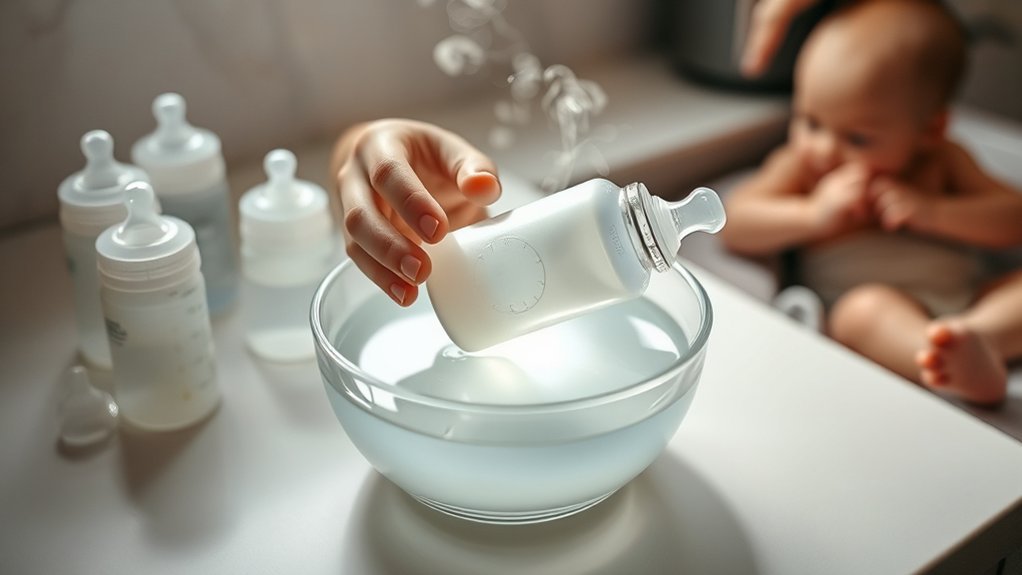
You don’t need to warm baby bottles, but you can if your baby seems more comfortable with milk near body temperature. Warm milk may feel soothing, support relaxed feeding, and feel closer to freshly expressed breast milk. If you warm bottles, use a warm water bath, running warm water, or a bottle warmer, then swirl the bottle and test a few drops on the inside of your wrist. Never use a microwave, since it can heat unevenly and cause burns. Safe feeding choices matter more than serving milk at one perfect temperature.
Quick Answer
You do not have to warm baby bottles. Cold, room-temperature, or warm milk can be safe if your baby accepts it and the milk has been stored and prepared correctly. If you warm a bottle, use warm water or a bottle warmer, avoid microwaves, swirl well, and test the temperature before feeding.
Key Takeaways
- Baby bottles do not have to be warmed; many babies do well with room-temperature or cold milk.
- Warm milk may feel more familiar and soothing for some newborns and fussy babies.
- Safe warming methods include a warm water bath, running warm water, or a bottle warmer.
- Microwaves should not be used because they can create hot spots that burn your baby’s mouth or throat.
- Always swirl the bottle and test a few drops on the inside of your wrist before feeding.
At a Glance
| Time Required | About 3 to 8 minutes, depending on the method and bottle temperature |
| Difficulty | Easy, but temperature testing is required every time |
| Tools Needed | Bowl of warm water, warm running water, or a bottle warmer |
| Cost | Free with warm water, or the cost of a bottle warmer if you choose one |
Should You Warm Baby Bottles?
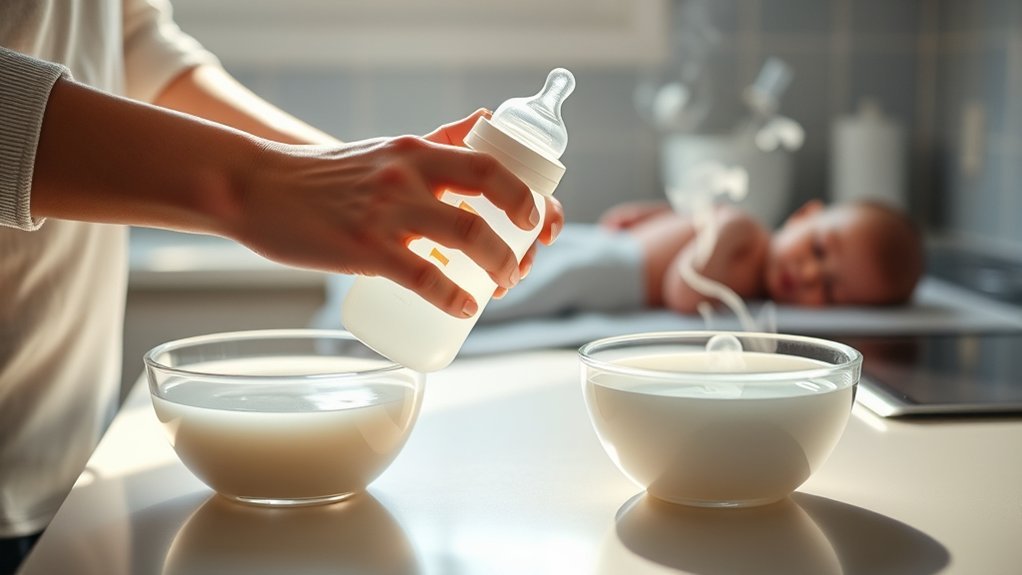
You don’t have to warm baby bottles, but many infants prefer milk that’s close to body temperature because it feels more like freshly expressed breast milk and can be more soothing during feeds.
You can offer a bottle at room temperature or cold if your baby accepts it. The key is safe storage, safe preparation, and a temperature your baby can comfortably drink. If you choose to warm milk, many parents aim for about 98.6°F (37°C), which is close to body temperature, but the bottle should never feel hot.
Bottles can be served room temperature, cold, or warm if your baby accepts them and the milk has been prepared safely.
Use safe warming methods such as a warm water bath or running warm water over the bottle. Avoid the microwave, since it can create hot spots and burn your baby’s mouth.
Before feeding your baby, test the temperature by placing a few drops on the inside of your wrist; it should feel comfortably warm, not hot. Additionally, always ensure that the bottles are properly cleaned to maintain hygiene and prevent contamination.
Note: A baby who accepts room-temperature or cold milk does not need warmed bottles. Warming is mostly about comfort and preference, not a required feeding step.
Why Warm Milk May Help Some Babies
Warming milk to about 98°F can make feeds feel more familiar and comforting for some babies because it closely matches the temperature of freshly expressed breast milk. You may notice that warm milk supports a calmer feeding experience, especially when your baby is tired, fussy, or used to nursing. Additionally, excessive crying episodes due to gas discomfort may feel easier to manage when feeds are calm and paced.
| Benefit | What You May See | Why It Matters |
|---|---|---|
| Comfort | More relaxed feeding | Feels closer to breast milk |
| Feeding rhythm | Less pulling away | May help some babies settle into feeds |
| Preference | Clear liking for warm milk | Some babies simply prefer it |
| Soothing | Easier settling | Supports emotional ease |
| Bonding | More nurturing feeds | Encourages connection |
Warm milk does not guarantee better digestion or gas relief for every baby. Some babies drink cold or room-temperature bottles with no trouble at all. Others seem calmer when milk is warm. The best guide is your baby’s response, as long as you keep the bottle safely prepared and never overheated.
For you, that can mean a steadier routine and a more peaceful feeding moment together. If warming helps your baby feed better, it is reasonable to keep doing it. If it adds stress and your baby accepts milk cooler, you can safely simplify the routine.
Safe Ways to Warm Baby Bottles
A safe bottle-warming method helps bring milk or formula close to breast milk temperature, around 98°F (37°C), without creating hot spots or reducing quality.
You can safely warm a bottle by placing it in warm water or running warm tap water over the bottle, keeping water below the lid so you avoid contamination. This gentle approach supports even heating and gives you more control than high heat.
If you want more convenience, bottle warmers can offer controlled, steady warming and help you stay flexible during busy feeds. Follow the warmer’s instructions carefully, since settings and warming times vary by bottle size, starting temperature, and milk volume.
You should never use a microwave, because it can overheat parts of the milk or formula and may damage milk quality while leaving the outside of the bottle feeling deceptively safe.
After warming, test temperature before feeding so you can feel confident it’s comfortably warm, not hot. Additionally, always ensure that bottles are properly sterilized after cleaning when appropriate to maintain a safe feeding environment for your baby.
A portable warmer can also help you safely warm milk on the go, giving you more freedom without sacrificing safety.
Pro Tip: Swirl the bottle gently after warming instead of shaking hard. Swirling helps spread heat evenly while reducing the chance of bubbles that may make some babies uncomfortable.
Step-by-Step: How to Warm a Baby Bottle Safely
- Start with safely stored milk or formula. Use milk that has been stored according to safe feeding guidance and check that the bottle is clean.
- Choose a gentle warming method. Place the bottle in a bowl of warm water, hold it under warm running water, or use a bottle warmer.
- Keep water away from the nipple and lid. This helps reduce the chance of water getting into the bottle.
- Warm only until comfortable. The milk should feel lukewarm or close to body temperature, not hot.
- Swirl the bottle. Gently mix the milk so heat spreads evenly throughout the bottle.
- Test before feeding. Put a few drops on the inside of your wrist. It should feel warm or neutral, never hot.
- Feed promptly. Once the bottle is warmed and tested, feed your baby without letting it sit out for too long.
How to Check Baby Bottle Temperature
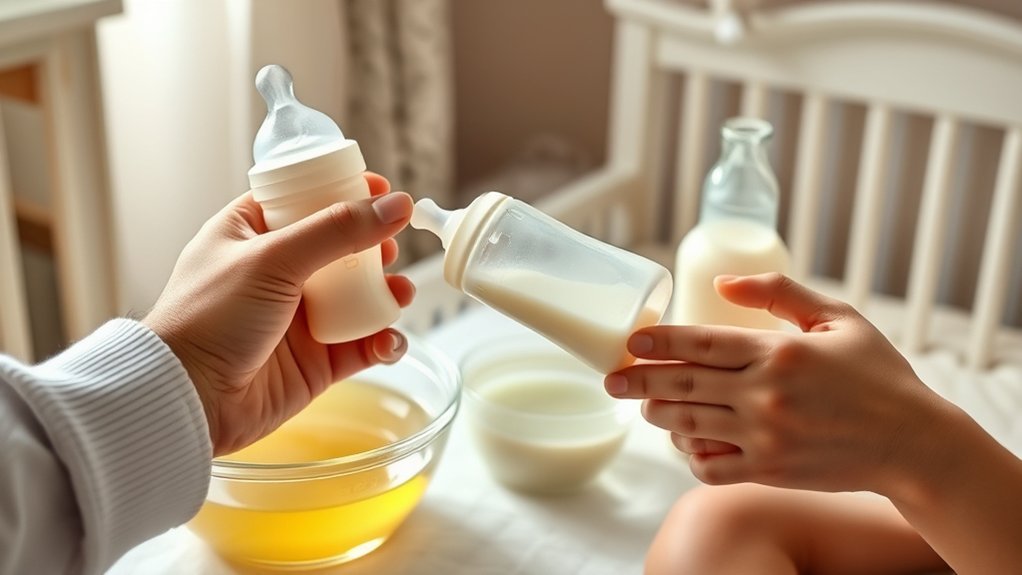
How can you tell if a baby bottle is ready? After warming, swirl the baby bottle to distribute heat and reduce hot spots. Then drop a few drops on the inside of your wrist; it should feel comfortably warm, never hot. Don’t depend on appearance alone, because milk or formula can look fine while the temperature is unsafe. Check each time you warm a baby bottle, since your baby’s comfort and needs can shift. Additionally, ensuring bottles are properly cleaned helps prevent contamination before feeding.
| Check | What to do | Why it matters |
|---|---|---|
| Wrist test | Touch a few drops to inside of your wrist | Confirms safe temperature |
| Swirl first | Mix the contents gently | Lowers hot spots |
| Water safety | Keep the lid out of water | Reduces contamination risk |
| Repeat | Test before each feeding | Supports consistent safety |
This simple routine helps you warm a baby bottle confidently, protecting feeding your baby without giving up convenience.
Why Microwaves Aren’t Safe?
Microwaves aren’t safe for baby bottles because they heat unevenly, which can leave dangerous hot spots that burn your baby’s mouth or throat.
When you use microwaves for warming, the liquid may look fine but still exceed safe temperatures in one area. That matters for breast milk and formula, since excess heat can damage nutrients and increase injury risk.
Microwaves also don’t give you the gradual, controlled warming your baby needs for a consistent feed.
- Hot spots can form even after brief heating.
- Steam and superheated liquid can cause burns.
- Breast milk and formula may lose quality when overheated.
- Avoiding microwaves supports safer feeding and peace of mind.
You deserve simple, evidence-based choices that protect your baby without adding stress.
For reliable warming, choose methods that keep temperatures steady and lower the chance of harm.
Warning: Do not microwave a baby bottle. The bottle may feel only slightly warm while the milk inside has hot spots that can burn your baby.
Bottle Warming Tips for Newborns and Fussy Babies
When you warm a baby bottle, aim for a temperature close to body warmth, since many newborns and fussy babies feed more comfortably at about 98°F (37°C).
You can warm your baby’s formula or breast milk with a warm water bath or by running warm water over the bottle; both methods heat evenly and reduce hot spots.
Don’t use hot water, and never microwave, because uneven heating can burn your baby.
Before you feed your baby, test a few drops on your wrist; it should feel warm, not hot.
If your baby is especially fussy or you need speed, a portable bottle warmer can help you warm your baby’s bottle quickly and consistently.
Keep the process simple, safe, and responsive to your baby’s cues.
With careful warming, you support comfort without sacrificing safety, so feeding can feel calmer and more predictable for both of you.
When You Do Not Need to Warm a Bottle
You do not need to warm a bottle if your baby drinks well at room temperature or cold. Some babies are flexible and accept different temperatures without fussing, pulling away, or feeding less.
Skipping bottle warming can also help during travel, night feeds, daycare routines, or busy days when a safe, simple feeding routine matters. The most important point is not whether the milk is warm. It is whether the milk has been prepared safely, stored safely, and offered at a temperature your baby tolerates.
If your baby suddenly refuses cold milk, seems uncomfortable, or drinks less than usual, try room-temperature or gently warmed milk and watch the response. If feeding problems continue, speak with your pediatrician, especially if your baby has poor weight gain, vomiting, fever, signs of dehydration, or ongoing distress.
Breast Milk vs. Formula: Does Warming Matter?
Both breast milk and formula can be warmed gently, but you should avoid overheating either one. Breast milk is especially sensitive to high heat, so gentle warming is best when you want to preserve quality.
Formula should also be prepared according to the product instructions and safe feeding guidance. Once prepared, do not use high heat to warm it quickly. A warm water bath or bottle warmer is safer and more controlled.
If you are warming frozen or refrigerated breast milk, avoid boiling water and avoid direct high heat. Warm it gradually, swirl gently, and test before feeding. If you are warming prepared formula, use the same careful temperature check before giving it to your baby.
Common Bottle-Warming Mistakes to Avoid
- Using the microwave: This can create hot spots and burns.
- Skipping the wrist test: Always test a few drops before feeding.
- Using very hot or boiling water: High heat can overheat the milk and make the bottle unsafe.
- Letting water cover the nipple or lid: Keep the top of the bottle out of warming water to reduce contamination risk.
- Assuming the outside tells the full story: The bottle may feel safe while the milk inside is too hot in places.
- Rewarming repeatedly: Warm only what your baby is likely to drink and follow safe storage rules for leftover milk.
Frequently Asked Questions
Are you supposed to warm up baby bottles?
No, you don’t have to warm baby bottles. Many babies accept room-temperature or cold milk. Warming is optional and mainly depends on your baby’s feeding preference, comfort level, and routine.
Does cold milk upset baby’s stomach?
Cold milk does not upset every baby’s stomach. Some babies drink it comfortably, while others seem fussier with colder bottles. Watch your baby’s cues and try room-temperature or gently warmed milk if cold milk seems to bother them.
Do warm bottles help with gas?
Warm bottles may help some babies relax during feeding, which can make feeds feel calmer. However, warm milk is not a guaranteed gas remedy. Burping, paced feeding, bottle nipple flow, and latch can also affect gas.
Are baby bottles better warm or cold?
Neither is always better. Warm bottles may feel soothing and familiar for some babies, while cold or room-temperature bottles are easier for others. The best choice is the safe temperature your baby accepts well.
How warm should a baby bottle be?
A warmed baby bottle should feel comfortably warm or lukewarm, not hot. Many parents aim for around body temperature, about 98.6°F or 37°C, but the wrist test is more important than hitting an exact number.
Can you rewarm a baby bottle?
It is best to warm only what your baby is likely to drink and avoid repeated warming. Follow safe storage guidance for breast milk or formula, and discard milk when it has been sitting out too long or has been handled during feeding beyond safe limits.
Conclusion
Ultimately, you can choose to warm your baby’s bottle, but you don’t have to. Some babies feed better with warm milk, some accept it at any temperature, and some prefer one method consistently. Use safe warming methods, test the milk before feeding, and avoid microwaves to reduce hot spots and burns. When you stay consistent, watch your baby’s cues, and follow safe preparation steps, you can feed with confidence and calm.
Sources
- CDC: Breast Milk Preparation and Storage — supports safe handling, storage, and feeding practices for expressed breast milk.
- CDC: Infant Formula Preparation and Storage — supports safe formula preparation, storage, and bottle-feeding guidance.
- HealthyChildren.org: How to Safely Prepare Formula With Water — supports formula safety and preparation guidance from the American Academy of Pediatrics.
- FDA: How to Handle Baby Food and Infant Formula Safely — supports safe handling and contamination prevention.