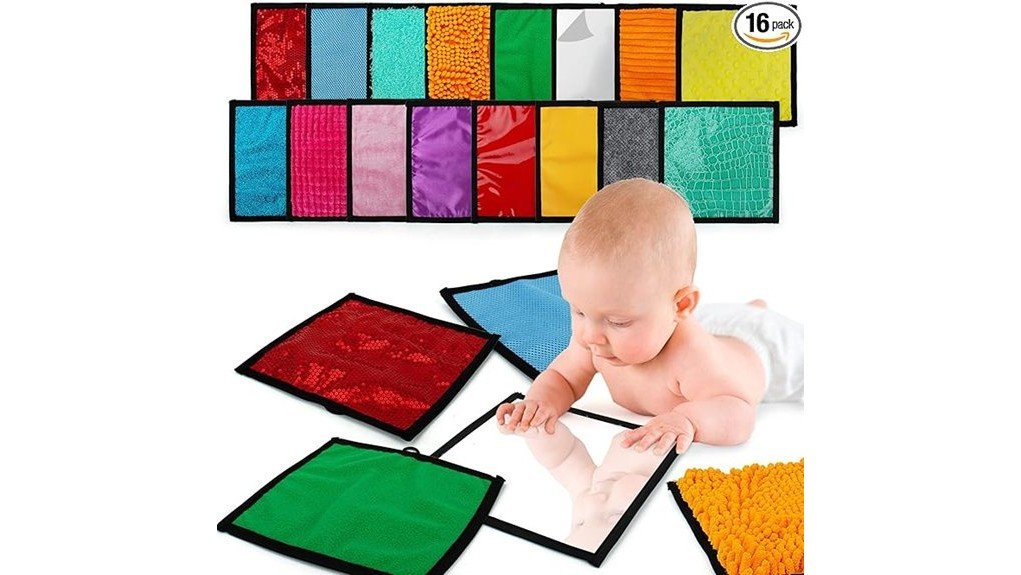
The 15 Set Sensory Mini Mats present an intriguing option for parents seeking tools to enhance their children’s sensory experiences. Each mat features distinct textures and colors, designed to support various developmental needs. Their non-slip design guarantees safety during exploration. As these mats cater to a range of motor skills and emotional well-being, understanding their full impact on children’s development warrants further examination of their applications and benefits.
What Are Sensory Mats and Their Benefits?
Sensory mats are specialized play surfaces designed to engage children’s tactile and visual senses through a variety of textures and colors.
These mats promote sensory exploration, allowing children to experience diverse tactile experiences that enhance their understanding of different materials. Each mat’s unique surface texture encourages interaction, facilitating the development of fine motor skills and sensory awareness.
The vibrant colors stimulate visual perception, inviting children to engage in creative play.
Benefits of Sensory Mats for Children
Numerous benefits arise from the use of sensory mats for children, particularly those with sensory processing challenges. These mats facilitate sensory exploration, allowing children to engage with varied textures and colors, which enhances tactile and visual skills.
In play therapy settings, sensory mats serve as effective tools for promoting calmness and relaxation, essential for children experiencing stress. Additionally, they support the development of coordination and balance, vital for overall physical development.
How Sensory Mats Aid Anxiety Management?
Anxiety, a prevalent concern among children, can considerably impact their daily functioning and emotional well-being.
Sensory mats facilitate anxiety reduction through engaging sensory play, allowing children to explore various textures and colors. This tactile interaction promotes a calming effect, helping to alleviate feelings of stress and overwhelm.
The act of touching and manipulating the mats can redirect anxious energy, fostering a sense of control and relaxation. Additionally, the non-slip design guarantees safety during play, encouraging children to immerse themselves fully.
Ultimately, sensory mats serve as valuable tools in managing anxiety, contributing positively to emotional stability and overall well-being.
How Sensory Mats Boost Tactile Skills
Engagement with tactile surfaces markedly enhances children’s ability to discern various textures, which is an essential aspect of sensory development.
Sensory mats facilitate tactile exploration, allowing children to experience diverse materials that prompt active interaction. This hands-on engagement fosters improved texture recognition, essential for cognitive processing and environmental interaction.
As children manipulate different surfaces, they refine their sensory discrimination skills, which can bolster overall development. The varied textures invite curiosity and promote sustained focus, creating a foundation for more complex sensory experiences.
Ultimately, sensory mats serve as effective tools in cultivating tactile skills, supporting children’s growth and independence.
Enhancing Coordination and Balance With Sensory Mats
Sensory mats play an essential role in enhancing children’s coordination and balance through interactive play.
These mats facilitate coordination exercises by encouraging movements that require spatial awareness and body control. Engaging in balance activities on varied textures stimulates proprioception, essential for developing motor skills.
Each mat’s non-slip design guarantees safety, allowing children to explore without fear of falling. As they navigate these mats, children improve their stability and agility, fostering confidence in their physical abilities.
Ultimately, sensory mats serve as valuable tools for cultivating essential coordination and balance skills, contributing to overall developmental progress and independence.
Visual Stimulation: Why Colors Matter in Sensory Play
The interplay of colors in sensory play greatly influences a child’s cognitive and emotional development.
Color psychology suggests that vibrant hues can evoke specific emotional responses, thereby enhancing engagement in sensory activities. Understanding sensory preferences enables caregivers to tailor experiences that resonate with individual children.
- Bright colors can stimulate curiosity and exploration.
- Calming tones promote relaxation and focus.
- Varied palettes support color recognition and cognitive growth.
High-Quality Materials in Sensory Mats
Quality materials are essential in the construction of sensory mats, directly influencing their effectiveness and user experience. The soft, skin-friendly composition supports prolonged usage, encouraging texture exploration essential for sensory integration.
High-quality materials not only guarantee comfort during play but also enhance the tactile experience, allowing children to engage with diverse surfaces. This engagement is pivotal for developing tactile skills and fostering a deeper understanding of different textures.
Additionally, the durability of these materials contributes to their longevity, making them a practical choice for families seeking enriching sensory experiences that promote overall well-being and developmental growth.
Safe Play: Understanding the Non-Slip Design
Incorporating a non-slip design in sensory mats greatly enhances safety during play. This feature is particularly essential for children, as it minimizes the risk of slips and falls, fostering an environment conducive to exploration and learning.
The non-slip benefits include:
- Enhanced Stability: Guarantees mats remain securely in place, allowing for confident movement.
- Reduced Injury Risk: Lessens the likelihood of accidents during active play sessions.
- Promotes Engagement: Encourages children to fully engage with the mats without fear, thereby enriching their sensory experiences.
Thus, the non-slip design is integral to promoting safe play while maximizing developmental opportunities.
Easy Maintenance: Caring for Your Sensory Mats
Maintaining sensory mats is straightforward, guaranteeing they remain in prime condition for repeated use.
Regular cleaning is essential; gentle hand washing or machine washing on a delicate cycle serves as effective cleaning methods. It is advisable to utilize mild detergents to preserve the materials’ integrity.
For surface-level dirt, a damp cloth can suffice, providing quick maintenance tips. Air drying is recommended to prevent damage from heat sources.
Implementing these practices not only enhances the mats’ longevity but also guarantees a hygienic play environment, promoting superior sensory experiences.
Careful attention to maintenance fosters both safety and enjoyment for users.
Ideal Age Range for Sensory Mats
After ensuring the sensory mats are well-maintained, attention can turn to their suitability for various age groups.
These mats cater to diverse developmental milestones, facilitating sensory exploration from infancy through early childhood.
- Infants (0-12 months): Enhances tactile awareness and promotes sensory development.
- Toddlers (1-3 years): Encourages independent play and coordination through texture differentiation.
- Preschoolers (3-5 years): Supports imaginative play while refining motor skills.
Incorporating Sensory Mats Into Daily Life
Many caregivers seek effective ways to integrate sensory mats into daily routines, recognizing their potential to enhance children’s developmental experiences. Incorporating mats can transform various activities, from playtime to relaxation. For instance, using mats during structured play can promote tactile exploration, while including them in quiet time fosters anxiety management.
| Activity Type | Benefits |
|---|---|
| Playtime | Enhances tactile skills |
| Quiet Time | Aids in anxiety relief |
| Learning Activities | Improves focus and attention |
Ultimately, strategic incorporation of sensory mats enriches children’s engagement and supports their holistic development.
Sensory Mats as Gifts: Who Benefits?
Sensory mats serve as versatile gifts, particularly beneficial for children with varying developmental needs. They provide engaging sensory experiences that can enhance emotional well-being and developmental skills.
Key beneficiaries of sensory mats include:
- Children with Autism: These mats can help manage anxiety and improve focus.
- Children with ADHD: The tactile stimulation promotes relaxation and sensory engagement.
- Caregivers and Educators: They serve as effective tools for facilitating calm environments and enhancing learning.
As thoughtful gift ideas, sensory mats offer both enjoyment and developmental support, making them an ideal choice for various occasions.
Best Online Retailers for Sensory Mats
When searching for sensory mats, consumers can find a variety of options across several reputable online retailers. Websites such as Amazon, Target, and Walmart offer extensive selections, catering to different needs and preferences.
These platforms facilitate online shopping, allowing users to compare prices and read reviews, enhancing informed choices for sensory play products. Specialty retailers like Sensory Spectrum focus on sensory-specific items, ensuring quality and unique designs.
Additionally, Etsy provides handmade options, appealing to those seeking personalized items. Collectively, these retailers emphasize accessibility and variety, empowering consumers in their quest for effective sensory solutions.
Comparing Sensory Mats for Special Needs
The selection of sensory mats tailored for special needs requires careful consideration of various factors to guarantee they meet specific therapeutic goals.
Key elements to evaluate include:
- Texture Exploration: Mats should offer diverse tactile surfaces to enhance sensory play and facilitate child development.
- Color Recognition: Bright, engaging colors can aid in visual stimulation and promote interactive learning.
- Motor Skills: Mats must support the development of coordination and balance, creating safe spaces for movement.
When comparing options, it is essential to prioritize features that contribute to anxiety relief and overall developmental benefits for children with special needs.
Exploring Different Uses for Sensory Mats
Exploring various applications for sensory mats reveals their versatility beyond mere play items. These mats facilitate sensory exploration, enhancing tactile and visual skills while promoting creative play. Their benefits extend to therapeutic contexts, aiding in anxiety management for children with special needs.
| Use Case | Description |
|---|---|
| Educational Tool | Enhances learning through sensory engagement |
| Therapeutic Aid | Reduces anxiety and promotes relaxation |
| Play Environment | Encourages imaginative and creative play |
Incorporating sensory mats into diverse settings can greatly enrich experiences for children, fostering development and well-being.
Frequently Asked Questions
How Long Do Sensory Mats Typically Last With Regular Use?
With regular use, sensory mats typically last several years, depending on durability factors such as material quality and maintenance practices. Proper care, including regular cleaning and avoiding excessive wear, enhances longevity and overall performance.
Can Sensory Mats Be Used Outdoors?
Can sensory mats be used outdoors? Indeed, they offer outdoor benefits for sensory exploration, providing children with opportunities to engage with various textures and environments, enhancing their sensory experiences while promoting relaxation and focus in nature.
What Age Should Children Start Using Sensory Mats?
Children can begin using sensory mats around toddler development stages, typically from 1 to 3 years. This early exposure facilitates sensory exploration, enhancing tactile skills, coordination, and overall sensory integration essential for their growth.
Are Sensory Mats Safe for Pets?
Sensory mats can be safe for pets if material concerns are addressed, ensuring non-toxic components. While they offer sensory benefits for children, careful supervision during pet interaction is essential to prevent potential hazards or damage.
Do Sensory Mats Require Special Storage?
Sensory mats do not require special storage; however, ideal mat maintenance involves keeping them in a dry, clean area. Utilizing appropriate storage solutions can enhance longevity and guarantee the mats remain in good condition for use.
Conclusion
To sum up, the 15 Set Sensory Mini Mats are invaluable tools for enhancing children’s developmental skills and emotional well-being. For instance, a hypothetical case involving a child with sensory processing challenges illustrates how regular interaction with these mats improved their tactile awareness and reduced anxiety during group activities. By encouraging exploration and creativity, sensory mats not only foster individual growth but also facilitate social interactions, making them an essential resource for parents and educators alike.

