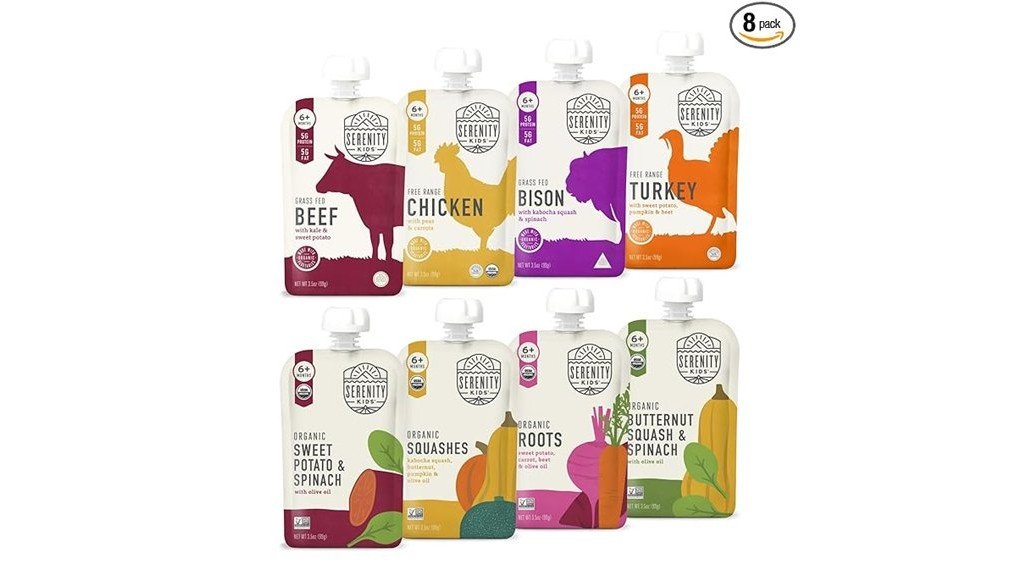
Serenity Kids Baby Food Pouches are often presented as a nutrient-dense option for infants starting at 6 months. They emphasize protein, vegetables, and no added sugar, which may appeal to parents seeking a less processed alternative. The range of savory flavors, including bison and turkey, sets them apart from many standard pouches. Still, questions remain about value, ingredients, and how they fit into daily feeding routines.
Key Takeaways
- Serenity Kids pouches are suitable for babies 6 months and older, especially for baby-led weaning.
- They emphasize protein, vegetables, and organic ingredients instead of empty calories or added sugar.
- Animal-based options like bison, beef, and turkey provide complete protein and hearty flavors.
- The variety of savory and vegetable blends helps expand babies’ palates.
- They work well as a convenient backup meal or snack, but shouldn’t replace varied homemade foods.
Are Serenity Kids Pouches Worth Buying?
Serenity Kids pouches appear worth buying for caregivers seeking a nutrient-dense option for infants 6 months and older. The formulation may suit baby led weaning when a convenient, texture-consistent food is preferred, though developmental readiness should still guide use.
The brand’s eco friendly packaging may appeal to households prioritizing lower-waste choices. Evidence from ingredient lists suggests a focus on protein and vegetables rather than empty calories.
However, pouches should be considered one tool, not a complete feeding strategy. Caregivers may benefit most when they use them selectively, alongside varied homemade foods and responsive feeding practices.
Serenity Kids Pouches Nutrition Breakdown
From a nutritional standpoint, these pouches are formulated to provide more than simple fruit-based calories. Their profile suggests nutritional advantages for infants beginning complementary foods, with protein included and a broader macronutrient mix than many conventional pouches.
The absence of added sugar may support steadier palate development and reduce reliance on overly sweet flavors. Ingredient sourcing appears centered on organic, animal-based and plant-based components, though specific sourcing claims should still be evaluated on the label.
For families seeking liberation from ultra-processed options, the formulation may represent a measured, clinically plausible choice, not a guarantee of superior outcomes for every child.
Serenity Kids Pouches Ingredients and Protein
The ingredient lists on these pouches typically center on vegetables, meats, and other organic components, reflecting a formulation designed to deliver more than simple fruit puree.
Ingredient sourcing appears oriented toward organic inputs, though batch-level verification remains relevant. Protein quality is a notable feature, with animal-derived ingredients supplying complete amino acids in modest but meaningful amounts.
Organic inputs suggest careful sourcing, while animal-derived proteins provide complete amino acids in modest but meaningful amounts.
- Vegetables provide base nutrients.
- Meats contribute protein density.
- Organic oils may support energy balance.
- No added sugars preserves compositional restraint.
For caregivers seeking liberated, evidence-based choices, the profile is comparatively disciplined, though individual tolerance and overall diet still warrant close observation.
Serenity Kids Pouches Flavor Options
Flavor variety broadens the practical appeal of Serenity Kids pouches, especially for caregivers trying to expand a child’s palate beyond standard fruit-based purees. Available profiles may support toddler taste development and measured flavor exploration.
| Flavor | Notes |
|---|---|
| Bison | Savory, protein-forward |
| Beef | Familiar, hearty |
| Turkey | Mild, adaptable |
| Chicken | Balanced, soft |
| Vegetable blends | Earthier, varied |
These options are not universally preferred, but they may help children encounter less sweet foods early. For families seeking liberation from overly processed defaults, the range is modest yet purposeful, with a cautious emphasis on whole-food taste exposure rather than novelty.
How to Use Serenity Kids Pouches on Busy Days
During busy routines, Serenity Kids pouches may function as a practical backup meal or snack for children 6+ months, particularly when time limits make preparing fresh food difficult.
For families seeking mealtime convenience without excessive compromise, they can be used selectively:
1) pair with water and a soft utensil,
2) check age readiness and texture tolerance,
3) use as on the go nutrition during errands,
4) store unopened pouches according to label guidance.
Clinical caution remains appropriate; pouches should not replace varied meals routinely. They may support flexibility, yet balanced feeding still depends on diverse textures, proteins, and vegetables.
Frequently Asked Questions
Are Serenity Kids Pouches Organic-Certified for All Flavors?
Not all flavors are necessarily organic-certified; certification should be verified on each pouch. Flavor variety may differ, while nutritional benefits remain clear. A cautious review would recommend checking labels and USDA seals before purchase.
Do the Pouches Need Refrigeration Before Opening?
No, the pouches generally do not need refrigeration before opening if unopened and stored properly. For pouch shelf life and food safety, a clinician would advise checking the label and avoiding compromised packaging before use.
Are Serenity Kids Pouches Suitable for Babies With Allergies?
Allergy-safe? Not always. These pouches may suit some babies, but caregivers should inspect allergen labeling and verify allergen free ingredients. Like a locked gate, caution matters; pediatric guidance is prudent before introduction.
How Should Unopened Pouches Be Stored at Home?
Unopened pouches should be stored in a cool, dry pantry away from heat and sunlight to maximize pouch longevity. These storage tips support safety and quality. Refrigeration is unnecessary unless the package is damaged.
Can the Pouch Packaging Be Recycled Everywhere?
No; pouch packaging is not recyclable everywhere. Local recycling practices vary widely, and only about 9% of plastic waste is recycled globally. Evidence suggests pouch sustainability depends on municipal facilities, materials, and clear labeling.
Conclusion
In the nursery of modern feeding, Serenity Kids pouches resemble a small lantern: useful, not miraculous. Their protein-forward recipes, vegetable base, and absence of added sugar may support varied intake for infants beginning solids, especially when homemade meals are not practical. Still, they are best regarded as a backup tool, not a complete dietary compass. For families seeking convenience with a more measured nutritional profile, they appear to be a reasonable, if limited, option.