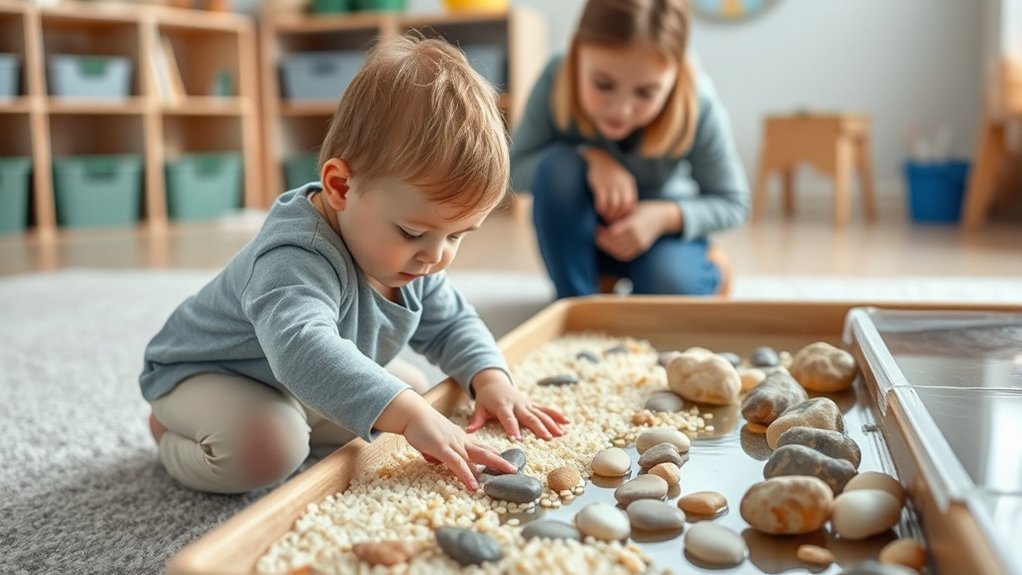
Sensory play isn’t just messy fun, and you don’t need glitter, slime, or chaos to make it valuable. You can support children’s language, focus, self-regulation, and curiosity with simple experiences like sound hunts, taste tests, water play, or tactile bins. Some children avoid mess because they feel overwhelmed, so offer choices, structure, and calm spaces. When you notice overload, adjust the environment, not the child, and there’s more to discover ahead.
What Sensory Play Really Means
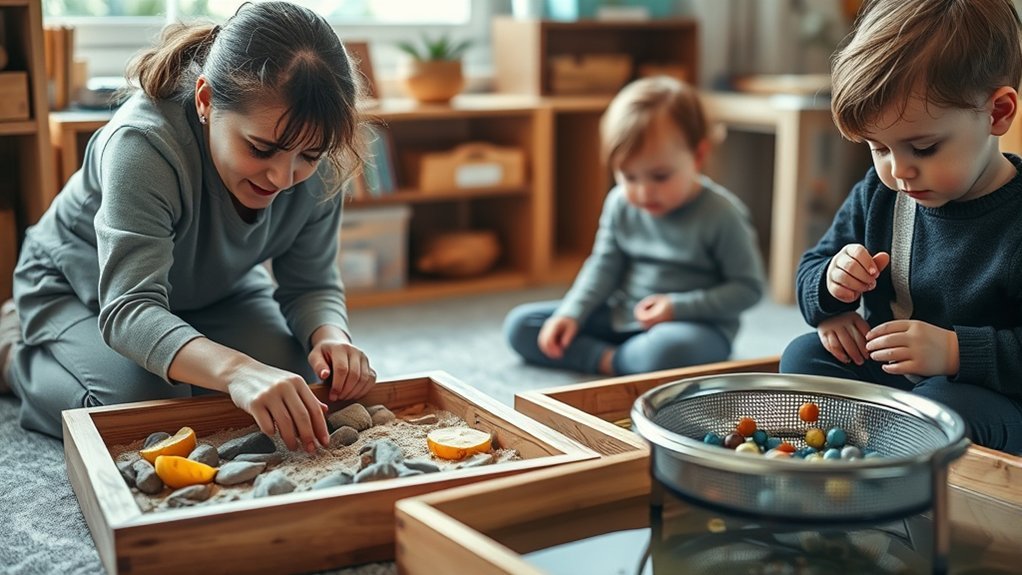
Sensory play is any activity that engages your child’s senses—touch, taste, sight, sound, and smell—to support whole-child development. When you offer sensory experiences, you’re helping children build language, focus, self-regulation, and thinking skills in ways that feel meaningful and joyful.
Sensory play isn’t only about mess; you can choose structured activities like nature sound scavenger hunts, taste tests, or looking for textures in a garden. These experiences work in classrooms, homes, and outdoor spaces, and they invite children to explore what interests them most.
You can guide the activity when support helps, then step back so children can discover, question, and create on their own. That balance matters. It lets every child participate fully, not just those with disabilities, and it respects their curiosity, agency, and different ways of knowing the world.
Why Sensory Play Doesn’t Have to Be Messy
You don’t need a big cleanup to give your child rich sensory play.
Try mess-free ideas like nature sound hunts, taste-testing, or color mixing in a Ziplock bag, so your child can explore touch, sight, and sound with less fuss.
With bowls, utensils, gloves, or contained bins, you can support learning without spills or stains.
Mess-Free Sensory Ideas
A tidy sensory experience can still be rich, engaging, and fun. You can offer sensory activities that children need without turning your room upside down. Try a mess-free nature sound scavenger hunt, a taste test with safe foods, or paint mixing in Ziplock bags.
Add bowls, gloves, or utensils so children handle materials with ease and confidence. You can also set up water play in containers, keeping the experience contained while still inviting splash, pour, and explore.
- Garden listening walks
- Bagged color blending
- Controlled water trays
You don’t have to choose between freedom and order. When you design with intention, children get wonder, choice, and sensory richness. From fountains to classroom tables, you can create calm, accessible experiences that honor their curiosity and your sanity.
Learning Without The Mess
Learning through the senses doesn’t have to leave a trail of cleanup behind. You can offer sensory play that feels freeing, calm, and child-centered without the usual mess.
Try a nature sound scavenger hunt, taste testing, or a sealed Ziplock bag of paint for tactile fun. These structured sensory experiences let you focus on engaging the senses, not on scrubbing tables.
If a child feels overwhelmed by mess, give them bowls or utensils so they can join in with confidence. Mess can be joyful, but it isn’t required for rich learning.
When you design activities with intention, you make sensory play accessible to more children, support regulation, and keep exploration simple, inviting, and full of wonder.
Why Some Children Avoid Messy Play
Some children avoid messy play because it feels uncomfortable, overwhelming, or even upsetting to their senses. You might notice that children respond very differently to sensory input: one child dives in, another pulls away. That’s not defiance; it’s information.
- Some children feel distress from certain textures or sensations.
- A messy play memory can stick if they’ve been scolded before.
- Anxiety or retained primitive reflexes can make mess feel bigger than it is.
When you see this, you can respond with care, not pressure. Offer structured choices like gloves, brushes, spoons, or trays so messy play feels safer and more manageable.
You’re helping children build trust at their own pace. Gentle, gradual exposure supports liberation from fear without forcing a child past their limits.
How Sensory Play Supports All Children
You can use sensory play to help every child build skills in thinking, feeling, and getting along with others.
When you offer tactile bins, nature hunts, or simple hands-on tasks, you’re also supporting creativity, problem-solving, and motor growth.
These experiences can fit into daily routines, and they help children feel more regulated, curious, and ready to learn.
Sensory Play Builds Skills
- Problem-solving grows through hands-on choices.
- Vocabulary grows through shared description.
- Cooperation grows when children use materials together.
When you trust sensory play, you give children a practical, joyful path to skill-building that honours their pace and power.
All Children Benefit
Every child deserves the chance to touch, explore, and discover, because sensory play supports learning across the board. When you offer rich materials, all children benefit from hands-on experiences that grow language, thinking, and problem-solving.
You help children sort, count, measure, and test ideas while they build confidence and agency. Sensory play also strengthens emotional regulation, so children can practice calming their bodies, naming feelings, and coping with change.
It invites curiosity, creativity, and connection, which supports social-emotional growth and healthier relationships. You don’t need special equipment to make this work; everyday textures, sounds, and movement can open doors.
When you center each child’s senses, you create space for freedom, skill-building, and belonging.
Structured vs Unstructured Sensory Play
Structured and unstructured sensory play each bring something valuable to a child’s growth. When you use structured play, you guide children toward a clear goal, like sorting, matching, or following a checklist, and you strengthen fine motor skills and cognitive understanding.
Unstructured play gives children room to move, wonder, and choose, which supports problem-solving, social interaction, and trust in their own ideas. Both approaches nourish sensory systems in different ways.
- Structured play offers safety, focus, and purposeful practice.
- Unstructured play invites creativity and self-directed discovery.
- Together, they balance guidance with freedom.
You don’t have to choose one over the other. You can blend them in a flexible rhythm that lets children lead while you stay present and supportive.
This balance helps them learn within boundaries without shutting down imagination. When you honor both, you create a freeing environment where children can own their learning and grow with confidence.
Sensory Play Ideas for Home and School
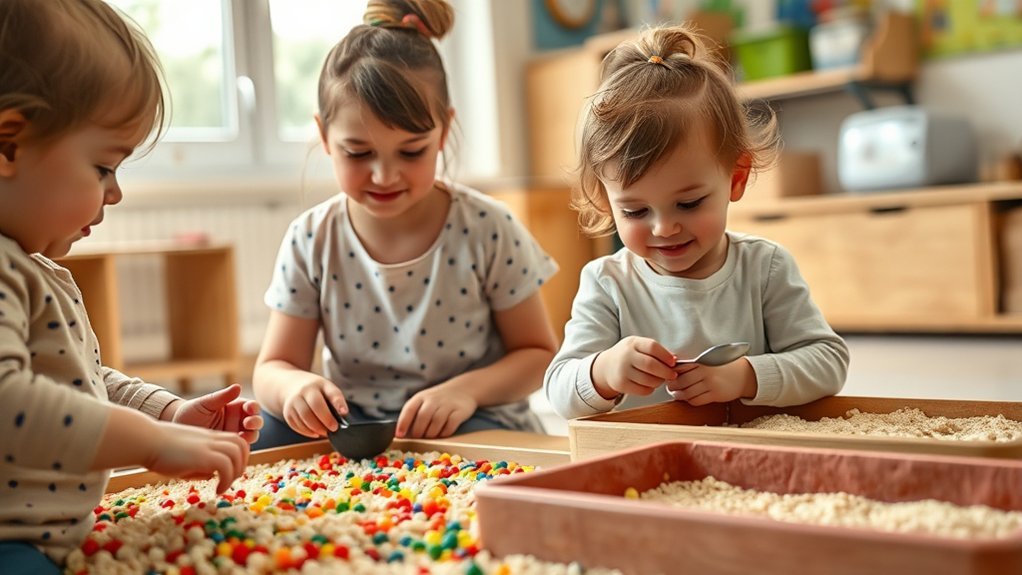
Whether you’re at home or in a classroom, sensory play can fit naturally into everyday spaces and routines. You can set up a sensory table, head to the garden, or explore a sandbox to offer rich textures, movement, and discovery.
Try a nature sound scavenger hunt, a taste test, or a simple search for shapes and colors. These activities invite children to think, notice, compare, and solve problems while building fine motor skills through hands-on exploration.
When you want more focus, structured sensory play like bowling with weighted balls can target motor development in a joyful way.
At home and school, supportive environments matter too. Visual schedules, calm corners, and planned sensory breaks help children feel safe and ready to engage.
You’re not managing children into compliance; you’re creating conditions where their senses can work, their curiosity can lead, and their learning can grow.
How to Support Sensory Play Without Overdoing It
To support sensory play without overdoing it, start small and build gradually so children can settle in, feel successful, and stay comfortable. You can offer a clear structure: model one simple sensory task, then let children choose their pace. This support helps them explore without pressure.
- Begin with one texture, sound, or visual prompt
- Add variety only when children show interest and ease
- Move beyond a sensory table with books, bins, outdoor play, and art
Keep your environment sensory-friendly by balancing rich materials with calm spaces. You don’t need to fill every corner; children thrive when they can move freely and decide what feels right.
Watch how each child responds, then adjust the activity to match their needs and curiosity. When you trust children’s rhythms, you create room for liberation, confidence, and deeper learning.
Signs of Sensory Overload in Young Children
When a child is feeling overloaded, the signs often show up in their emotions, body, and behavior. You might see crying, tantrums, or sudden anger as the child struggles to process too much input. They may cover their ears, squint, tense up, or avoid eye contact.
Some children withdraw from friends, refuse a task, or resist changes because the shift feels too big. Others get fidgety, restless, or more aggressive, which can be a call for a sensory break.
These signs of sensory overload aren’t defiance; they’re communication. When you notice them, you can help young children by reducing demands, staying calm, and offering space to reset.
That matters because common myths often blame the child instead of the environment. When you read the signals early, you support dignity, self-regulation, and real freedom for the child.
Indoor and Outdoor Sensory Play Ideas
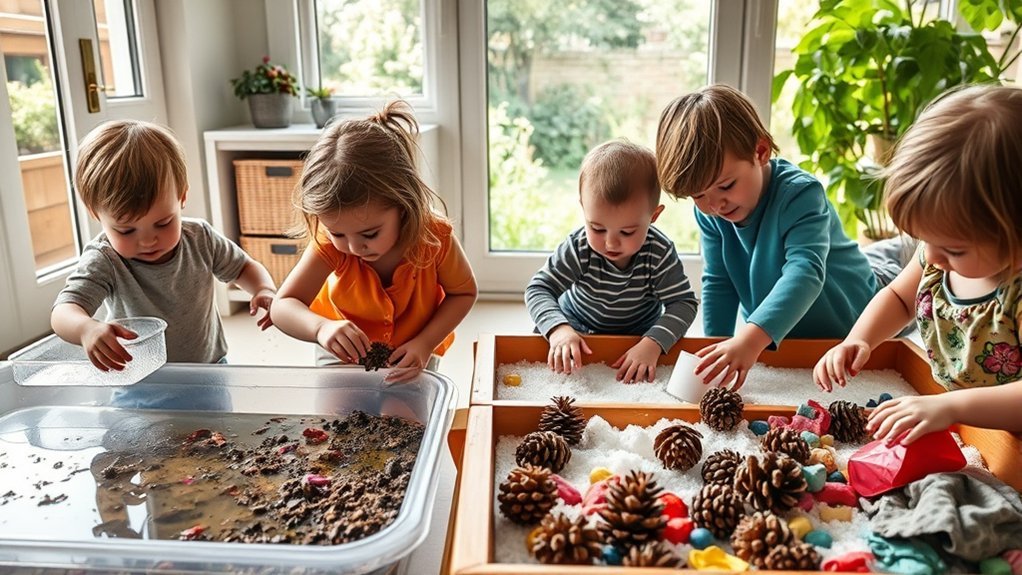
Once you’ve noticed a child’s sensory limits, you can shape play that supports comfort and curiosity. With sensory play, you give young children choice, agency, and safe ways to explore. For a child with sensory processing disorder, start small and follow their lead.
Notice each child’s sensory limits, then shape play that builds comfort, curiosity, choice, and safe exploration.
- Fill tactile bins with rice, beans, sand, or soil for scooping, pouring, and sorting.
- Offer water play with cups, funnels, and spoons indoors or outside to build problem-solving.
- Plan nature scavenger hunts so children can notice leaves, sounds, textures, and movement.
You can also add colored water or scented playdough to deepen engagement without forcing participation. Outside, leaves, sticks, and mud invite rich discovery; indoors, simple trays and tubs keep play accessible.
When you match materials to each child’s comfort, you’re not limiting learning—you’re expanding it. That freedom helps young children build confidence, language, and emotional regulation through joyful, child-centered exploration.
Frequently Asked Questions
What Did Montessori Say About Sensory Play?
You’d see Montessori say sensory play supports child development through Montessori principles, inviting sensory exploration with hands-on materials. You’d use natural objects, let children lead, and trust discovery to build language, motor skills, and confidence.
Is Sensory Play Evidence-Based?
Yes, sensory play is evidence-based. You’ll see benefits overview in cognition, language, and self-regulation when you offer sensory materials across varied play types. You’re supporting every child’s growth through hands-on, joyful, child-centered learning.
What Does the EYFS Say About Sensory Play?
The EYFS says you should offer sensory materials for benefits exploration, support child engagement, and observe children closely. You’ll nurture independence, language, fine motor skills, and creativity through child-led sensory play.
What Theorists Link to Sensory Play?
You can link sensory play to Piaget, Vygotsky, Montessori, and Reggio Emilia. Their child development theories support hands on learning, and show sensory exploration benefits through social interaction, discovery, creativity, and children’s growing independence.
Conclusion
So, when you invite sensory play into a child’s day, you’re not just adding mess—you’re opening a door to growth, calm, and discovery. Keep it light, flexible, and child-led, and you’ll see each child bloom in their own way, like a garden finding its own sunlight. You don’t need glitter everywhere; you just need thoughtful moments that let little hands, minds, and hearts explore safely, happily, and at their own pace.
