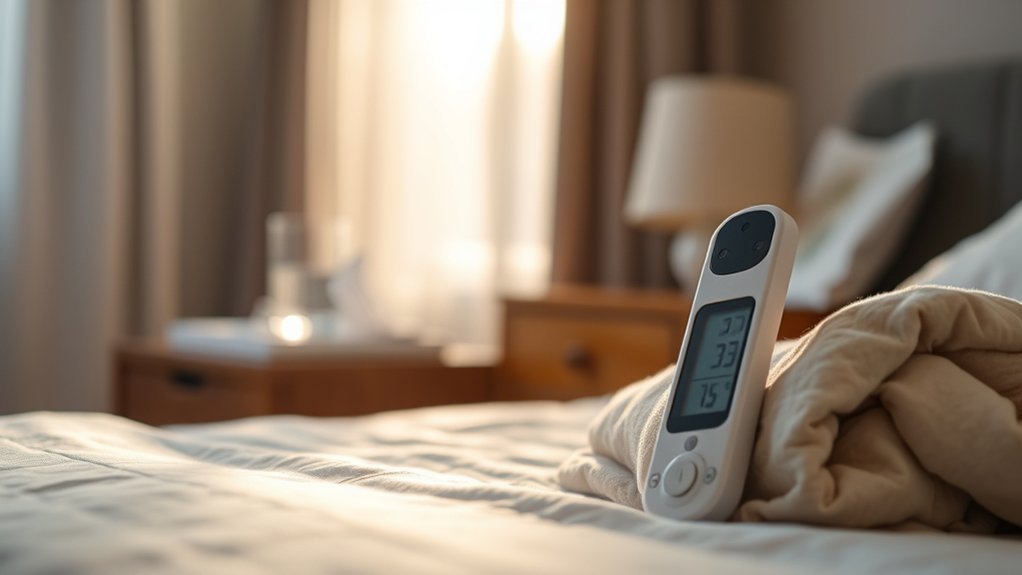
You might think that room temperature is just a matter of personal preference, but it actually plays a significant role in your health. If you or someone you know is often uncomfortable at home, it could be a sign of something more serious. Understanding when to seek medical attention for temperature-related issues can make a big difference. So, how do you know when it’s time to call a doctor?
Understanding Normal Body Temperature Ranges
Normal body temperature typically ranges from 97°F to 99°F (36.1°C to 37.2°C) for most people. Understanding these normal ranges helps you gain insight into your health.
Temperature variations can occur due to various factors, such as time of day, activity level, and even hormonal changes. For instance, it’s common for your temperature to be slightly lower in the morning and higher in the late afternoon.
If you notice your temperature consistently falling outside this normal range, it’s essential to pay attention. These fluctuations can signal underlying health issues.
Recognizing Symptoms of Fever and Hypothermia
When your body temperature deviates from the normal range, it can signal potential health issues like fever or hypothermia. Recognizing the symptoms early can be essential.
Fever symptoms include:
- Elevated body temperature above 100.4°F (38°C)
- Sweating, chills, or shivering
- Headache and muscle aches
On the other hand, hypothermia signs to watch for are:
- Unusually low body temperature below 95°F (35°C)
- Confusion or drowsiness
- Shivering or slurred speech
Being aware of these symptoms helps you respond effectively.
If you notice fever symptoms or hypothermia signs, don’t hesitate to reach out to a doctor. Your health and well-being are critical, so stay alert and informed!
Environmental Factors That Affect Temperature
Environmental factors can considerably impact your body temperature, influencing how you feel and function daily.
Humidity levels play an essential role; high humidity can make it harder for your body to cool down through sweating, leading to discomfort and potential overheating. Conversely, low humidity can dry out your skin and respiratory system, affecting your overall well-being.
Seasonal changes also bring shifts in temperature that can challenge your body’s ability to adapt. In summer, heat can elevate your temperature, while winter’s chill might push it down.
Staying aware of these environmental influences allows you to take proactive steps in managing your comfort and health, empowering you to respond effectively to the conditions around you.
When to Seek Medical Attention
Recognizing when to seek medical attention is key to maintaining your health, especially when your body temperature falls outside the normal range.
If you notice any concerning signs of illness, don’t hesitate to reach out for help. Here are a few situations where urgent care is necessary:
- You have a fever above 103°F (39.4°C) that persists.
- You experience severe headaches, confusion, or difficulty breathing.
- You notice chills, sweating, or skin rash that’s unusual.
Trust your instincts; your body often signals when something’s off.
Monitoring your temperature is essential, and understanding these signs can empower you to take charge of your health. If any symptoms arise, don’t wait—seek the care you deserve.
Tips for Managing Temperature-Related Concerns
To effectively manage temperature-related concerns, it’s important to stay proactive about your health.
Begin with regular temperature monitoring; using a reliable thermometer can help you track any fluctuations. If you notice a fever, practice effective fever management by staying hydrated and resting. Over-the-counter medications can also provide relief, but be sure to follow dosage guidelines.
Keep your environment cool and comfortable, as this can help regulate your body temperature. Don’t hesitate to seek advice from a healthcare professional if you’re unsure about your symptoms or how to proceed.
Frequently Asked Questions
Can Medications Affect My Body Temperature Readings?
Yes, medications can affect your body temperature readings. Different medication types, like antibiotics or hormonal treatments, may cause temperature variations, leading to readings that don’t accurately reflect your actual health status. Always consult your doctor if concerned.
How Does Age Influence Normal Body Temperature Ranges?
Imagine a tree, growing with age; its leaves shift in color. Similarly, your body temperature fluctuates with age variations. Infants and elderly often show different normal ranges, reflecting nature’s rhythm in temperature readings.
What Is the Best Method to Measure Body Temperature?
The best method to measure body temperature is using digital thermometers for accurate readings. Oral measurements provide reliable results, ensuring you monitor your health effectively and stay informed about any potential concerns.
Does Exercise Temporarily Raise Body Temperature?
Yes, exercise intensifies your body temperature. When you push hard during workouts, your body heats up to meet the demands. It’s a natural response, signaling your muscles are working hard and burning energy effectively.
Can Dehydration Impact My Body Temperature?
Yes, dehydration can greatly impact your body temperature regulation. When you’re dehydrated, your body struggles to cool down, potentially leading to elevated temperatures and heat-related illnesses. Staying hydrated is essential for ideal temperature control.
Conclusion
In conclusion, knowing when to seek medical help for temperature-related issues is vital for your well-being. For instance, if you notice a friend shivering uncontrollably and their skin feels cold to the touch, they may be experiencing hypothermia and need immediate assistance. By staying aware of normal temperature ranges and symptoms, you can guarantee you and your loved ones stay safe and healthy. Don’t hesitate—trust your instincts and call a doctor if something feels off.