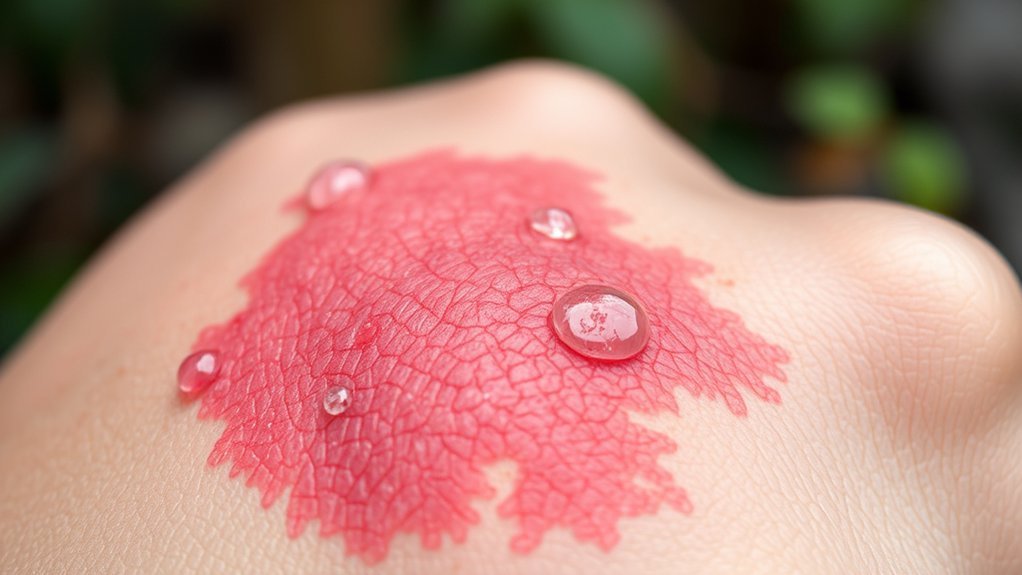
When it comes to rashes, understanding their types, causes, and symptoms is crucial for effective identification and treatment. You might wonder how to distinguish eczema from contact dermatitis or when it’s necessary to consult a healthcare professional. Recognizing the specifics of your rash—its location, appearance, and accompanying signs—can provide essential clues. Let’s explore these aspects further to guarantee you’re well-equipped to address any concerns that may arise.
What Are the Common Types of Rashes?
When you experience skin irritation, recognizing the type of rash can be essential for appropriate treatment.
Common types of rashes include eczema, characterized by dry, itchy patches; contact dermatitis, which occurs after skin exposure to irritants or allergens; and psoriasis, presenting as thick, red, scaly plaques.
Common rashes like eczema, contact dermatitis, and psoriasis each have distinct characteristics that require specific treatment approaches.
Other types include hives, known for raised, itchy welts, and ringworm, a fungal infection leading to circular, red lesions with clear centers.
Acne, often associated with clogged pores, manifests as pimples and cysts.
Finally, shingles results from the reactivation of the chickenpox virus, causing painful, blistering rashes.
Identifying these types can guide you in seeking effective interventions and managing symptoms efficiently.
How Can I Identify the Cause of My Rash?
To identify the cause of your rash, start by considering common triggers such as allergens, irritants, or infections.
Utilize self-assessment techniques, like tracking recent exposures and symptoms, to narrow down potential causes.
This systematic approach will help you pinpoint the issue more effectively.
Common Rash Triggers
Identifying the cause of your rash often requires careful consideration of various triggers that might’ve contributed to its development.
Common triggers include allergens like certain foods, medications, or materials such as latex and nickel. Environmental irritants, including harsh soaps or detergents, can also instigate a rash. Additionally, exposure to plants like poison ivy or sumac is a frequent culprit.
Infections, whether viral, bacterial, or fungal, may present as rashes and warrant evaluation. Your personal medical history, including skin conditions like eczema or psoriasis, plays an essential role in identifying triggers.
Finally, stress can exacerbate existing skin issues, so consider your emotional state. Systematically evaluating these factors can lead you to pinpoint the underlying cause effectively.
Self-Assessment Techniques
How can you systematically assess the cause of your rash?
Start by observing your symptoms and documenting any changes.
Consider these key factors:
- Timing: Did the rash appear after using a new product or food?
- Location: Is it isolated to a specific area or widespread?
- Appearance: Are there blisters, redness, or scaling?
- Itchiness: Is the rash itchy or painful?
- Family History: Do skin conditions run in your family?
What Symptoms Should Prompt a Doctor’s Visit?
While most rashes are benign and resolve on their own, certain symptoms should prompt you to seek immediate medical attention.
If you experience a rash accompanied by fever, swelling, or difficulty breathing, it’s critical to consult a doctor. You should also seek help if the rash spreads rapidly, develops blisters, or appears infected, characterized by increased warmth, redness, or pus.
Pay attention to rashes that are persistent, last longer than a few days, or occur in combination with joint pain or significant discomfort.
If you experience any signs of an allergic reaction, such as hives or facial swelling, don’t hesitate to visit a healthcare provider.
Timely intervention can prevent complications and guarantee appropriate treatment.
Are There Home Remedies for Rashes?
When dealing with a rash, you might wonder if there are effective home remedies to alleviate discomfort and promote healing.
While it’s crucial to consult a healthcare professional for persistent cases, several remedies can offer relief:
- Oatmeal baths: Colloidal oatmeal can soothe itching and irritation.
- Aloe vera: Its anti-inflammatory properties assist in healing and moisturizing.
- Coconut oil: Acts as a barrier and hydrates the skin, reducing dryness.
- Cold compresses: These can help minimize swelling and provide immediate relief.
- Baking soda paste: This may relieve itching when applied topically.
Always perform a patch test before using any remedy to ensure you don’t exacerbate the rash.
How Can I Prevent Rashes From Occurring?
Preventing rashes requires a proactive approach to skin care and environmental management. Start by identifying and avoiding known irritants, such as harsh soaps, detergents, and fragrances.
Maintain skin hydration by using moisturizers regularly, especially after bathing. Wear breathable fabrics, like cotton, to reduce friction and moisture buildup.
Regularly use moisturizers, especially post-bathing, and opt for breathable fabrics like cotton to keep skin comfortable and healthy.
When outdoors, protect your skin from sun exposure by applying broad-spectrum sunscreen. Additionally, keep your living environment clean and free from allergens like dust mites and pet dander.
If you have sensitive skin, conduct patch tests before using new products. Finally, practice good hygiene by washing your hands frequently and avoiding sharing personal items.
These steps can greatly reduce the risk of rashes and promote healthier skin.
When Is a Rash Considered Serious?
Rashes can vary considerably in severity, and knowing when a rash is serious is essential for proper treatment.
If you notice any of the following signs, seek medical attention immediately:
- Rapidly spreading: If the rash expands quickly, it may indicate a serious condition.
- Severe pain or itching: Intense discomfort can signal an underlying issue.
- Blisters or open sores: These can lead to infections or other complications.
- Fever or chills: Accompanying systemic symptoms can suggest an infection.
- Difficulty breathing or swallowing: This can be a sign of an allergic reaction or anaphylaxis.
Recognizing these symptoms early can help you avoid more severe health complications and guarantee timely treatment.
What Are the Typical Treatments for Rashes?
When treating a rash, you’ll typically start with over-the-counter solutions, which can alleviate mild symptoms.
If your rash persists or worsens, prescription medications may be necessary to address underlying issues.
Additionally, home remedies can provide supportive care, enhancing comfort and promoting healing.
Over-the-Counter Solutions
Many effective over-the-counter (OTC) treatments are available for managing rashes, depending on their cause and severity.
You can choose from various options to relieve discomfort and promote healing:
- Hydrocortisone Cream: Reduces inflammation and itching.
- Antihistamines: Alleviates allergic reactions and associated itching.
- Calamine Lotion: Soothes irritation from insect bites or poison ivy.
- Moisturizers: Helps prevent dryness and maintains skin barrier function.
- Oatmeal Baths: Provides soothing relief to irritated skin.
Always read labels carefully and consult a healthcare professional if you’re uncertain about which treatment to use.
The right OTC solution can effectively help you regain comfort and restore your skin’s health.
Prescription Medications
While over-the-counter solutions can provide relief for mild rashes, prescription medications may be necessary for more severe or persistent conditions. These medications often target the underlying causes of your rash, ensuring effective treatment.
| Medication Type | Purpose |
|---|---|
| Corticosteroids | Reduce inflammation |
| Antihistamines | Alleviate itching |
| Antibiotics | Fight bacterial infections |
| Immunosuppressants | Control autoimmune responses |
Your healthcare provider will evaluate your specific symptoms and recommend the appropriate prescription. Using these medications as directed can greatly improve your condition, helping you regain comfort and peace of mind. Always communicate openly with your doctor about any concerns or side effects you experience during treatment.
Home Remedies
Home remedies can effectively alleviate mild rashes, providing comfort without the need for prescription medications.
Employing natural treatments can soothe irritation and promote healing. Here are some common remedies you might consider:
- Cold compresses: Applying a cold, damp cloth can reduce inflammation and itching.
- Oatmeal baths: Soaking in colloidal oatmeal helps calm irritated skin.
- Aloe vera gel: Its cooling properties provide relief and moisturization.
- Coconut oil: This natural moisturizer can help heal and hydrate the skin.
- Baking soda paste: A mixture with water can relieve itching when applied gently.
Always remember to perform a patch test before applying any remedy to guarantee you don’t exacerbate the rash.
Frequently Asked Questions
Can Stress Contribute to the Development of Rashes?
Yes, stress can contribute to the development of rashes. It triggers inflammatory responses in your body, possibly leading to conditions like eczema or hives. Managing stress effectively could help reduce your risk of skin issues.
Are There Specific Rashes Associated With Allergies?
Yes, certain rashes, like hives or eczema, often arise from allergic reactions. Imagine a garden where flowers bloom—your skin reacts similarly, responding to allergens with inflammation, redness, and itching that signals a deeper issue.
How Can I Differentiate Between Viral and Bacterial Rashes?
To differentiate between viral and bacterial rashes, observe symptoms. Viral rashes often accompany fever and colds, while bacterial rashes may present with localized pain, swelling, or pus. Seek medical advice for accurate diagnosis and treatment.
Do Rashes Indicate an Underlying Autoimmune Condition?
Rashes can indicate underlying autoimmune conditions, but not always. You should evaluate associated symptoms, duration, and response to treatments. Consulting a healthcare professional for accurate diagnosis and management is essential if you have concerns.
Can Certain Fabrics Trigger or Worsen Rashes?
Certain fabrics can indeed trigger or worsen rashes. When you wear materials like wool or synthetic fibers, they might irritate your skin, leading to increased redness, itching, or discomfort. It’s important to choose breathable options.
Conclusion
In conclusion, understanding rashes is like piecing together a puzzle; each symptom and appearance offers a clue to its origin. By closely observing your skin, noting changes, and being aware of accompanying symptoms, you can better navigate your options. Whether it’s a gentle cream or a doctor’s expertise you seek, addressing rashes promptly can lead to clearer skin and peace of mind. Stay vigilant, and don’t hesitate to reach out for help when needed.