Dos and Don’ts If You Suspect Preeclampsia
Suspecting preeclampsia can feel scary because symptoms may start small and change fast. Your next step matters, especially when high blood pressure, swelling, headaches, or vision changes appear during pregnancy. This guide explains what preeclampsia can look like, what you should do first, what to avoid, and when to seek urgent medical care.
Quick Answer
If you suspect preeclampsia, contact your healthcare provider right away and describe your symptoms clearly. Check your blood pressure if you have a home monitor, track swelling, headaches, vision changes, and sudden weight gain, and seek emergency care if symptoms become severe.
Key Takeaways
- Preeclampsia can become serious, so you should not ignore new or worsening symptoms.
- High blood pressure, severe headache, vision changes, and sudden swelling need prompt medical attention.
- Regular prenatal visits help your provider detect warning signs before complications develop.
- Home monitoring can help, but it cannot replace medical testing or diagnosis.
- Emergency care may be needed if symptoms become severe or feel unusual for you.
Understanding Preeclampsia: What It Is and Why It Matters
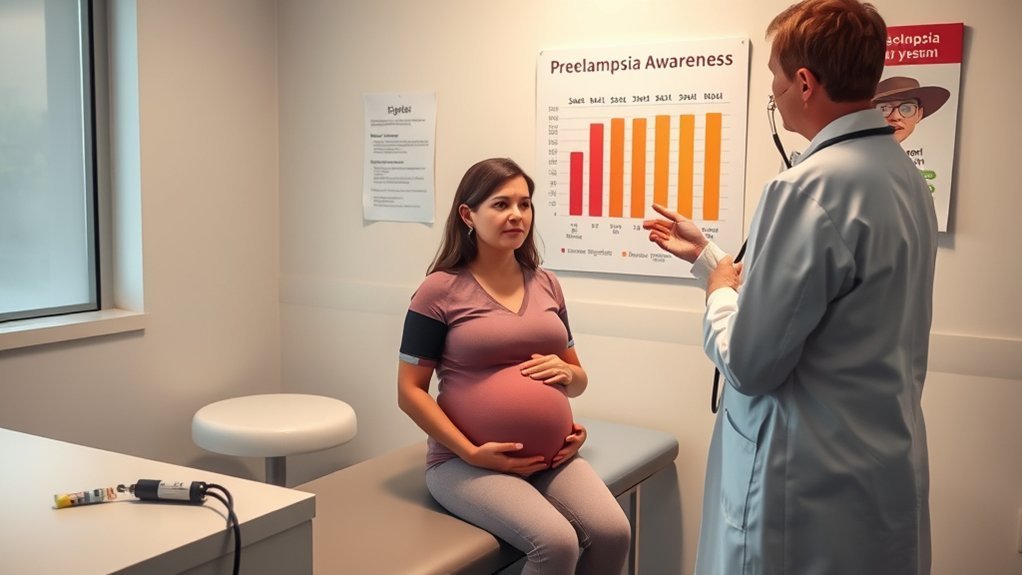
Preeclampsia is a serious pregnancy complication linked with high blood pressure and signs that organs may face stress. It most often affects the liver and kidneys. This condition usually occurs after the 20th week of pregnancy and can affect both you and your baby.
Preeclampsia can lead to severe complications, including placental abruption, premature birth, and serious illness for you or your baby if it goes untreated. Early diagnosis and careful management can help lower these risks.
Regular prenatal check-ups allow your healthcare provider to monitor your blood pressure and check for protein in your urine. If you have risk factors, your provider may recommend closer monitoring, medicine, or care changes based on your condition.
Common Signs and Symptoms to Watch For
When you monitor for preeclampsia, watch for swelling and edema, especially in your face and hands. You should also take high blood pressure seriously because it can signal a worsening condition.
Other warning signs can include a severe headache, vision changes, upper belly pain, nausea, shortness of breath, or sudden weight gain. Recognizing these symptoms early can protect your health and your baby’s health.
Swelling and Edema
Swelling and edema can signal developing preeclampsia, especially as pregnancy progresses. You may notice swelling in your hands, feet, or face that appears suddenly or grows worse.
Some swelling can happen during pregnancy, but sudden or severe swelling needs attention. Pay close attention if swelling comes with rapid weight gain, headache, vision changes, or pain in your upper belly.
Call your healthcare provider if swelling does not improve with rest or feels unusual for you. Your provider can check your blood pressure and decide whether you need more tests.
High Blood Pressure
High blood pressure during pregnancy can go unnoticed, so you need regular checks. If your provider asks you to monitor at home, use the same arm and rest before each reading.
Many providers consider a reading of 140/90 mmHg or higher a warning sign during pregnancy. If you get a high reading, repeat it as your provider instructed and call for guidance.
Watch for headaches, visual disturbances, or sudden weight gain, as these can signal worsening symptoms. If you notice these signs, contact your healthcare provider right away.
Warning: Seek urgent care if you have severe headache, vision changes, chest pain, trouble breathing, or severe upper belly pain.
The Importance of Regular Prenatal Care
Regular prenatal care supports a safer pregnancy because it helps your provider detect risks like preeclampsia early. These visits also give you a clear plan if your symptoms change.
By monitoring your maternal health closely, your healthcare provider can identify concerning changes and act quickly. Consistent check-ups also help confirm that your baby’s growth stays on track.
Early Detection of Risks
How can you protect your health and your baby’s health during pregnancy? Regular prenatal care helps your provider detect risks like preeclampsia before they become severe.
At scheduled appointments, your healthcare provider can monitor your blood pressure, urine protein levels, and overall health. This proactive care can help prevent complications or catch them earlier.
Here’s a quick overview of important prenatal visits:
| Visit Timing | Tests Conducted | Purpose |
|---|---|---|
| First Trimester | Blood tests, ultrasound | Confirm pregnancy and check early health markers |
| Second Trimester | Anatomy scan, glucose test | Assess fetal development and screen for diabetes |
| Third Trimester | Blood pressure checks, fetal monitoring | Check for preeclampsia and evaluate your baby’s health |
| As Needed | More tests | Address new symptoms or emerging concerns |
Stay alert and keep your appointments because your health matters.
Monitoring Maternal Health
Consistent prenatal care helps your provider monitor your health throughout pregnancy. Regular check-ups allow your provider to track your blood pressure, weight, and urine protein levels.
During these visits, you can discuss any symptoms and receive screenings that may identify risks early. Keeping a schedule of routine appointments helps protect your health and your baby’s well-being.
You can also ask questions and learn which lifestyle changes may support a healthy pregnancy. Proactive monitoring gives you and your provider more time to act if concerns appear.
Fetal Growth Assessment
As your pregnancy progresses, monitoring fetal growth helps your provider check your baby’s well-being. Regular prenatal visits may include measurements or ultrasounds when your provider recommends them.
This assessment can help identify potential issues, such as poor growth or a baby measuring larger than expected. These issues can affect your care plan and delivery timing.
If your provider notices an abnormal finding, they can recommend the next steps. Staying proactive with prenatal appointments supports a safer pregnancy and delivery for both of you.
Dos: What to Do If You Suspect Preeclampsia
If you suspect you might have preeclampsia, take action right away. Do not wait for symptoms to pass on their own.
First, contact your healthcare provider and report your symptoms. Mention high blood pressure, swelling, headaches, vision changes, upper belly pain, or sudden weight gain.
Contact your healthcare provider if you experience symptoms like high blood pressure, swelling, headaches, or vision changes.
Your provider may recommend monitoring your blood pressure and may order blood or urine tests. These tests help your provider assess your condition and decide the safest plan.
Keep a daily record of your symptoms, blood pressure readings, and any sudden weight changes. Resting on your left side may improve blood flow to your baby and may ease some discomfort.
Drink enough fluids and follow the eating plan your provider recommends. If your symptoms worsen, seek emergency medical care promptly because early intervention can improve outcomes.
Don’ts: What to Avoid When Experiencing Symptoms
When you experience symptoms of preeclampsia, avoid actions that may increase risk for you or your baby. Your goal is to report changes early and follow medical advice.
- Don’t ignore or downplay symptoms, even if they seem mild at first.
- Don’t take over-the-counter medicine without asking your doctor first.
- Don’t start intense exercise or heavy activity when symptoms appear.
- Don’t skip prenatal visits or recommended blood pressure checks.
- Don’t rely on home monitoring alone if your symptoms worsen.
Ask your provider before changing your diet, salt intake, activity level, or medicines. Your safest plan depends on your blood pressure, test results, symptoms, and pregnancy stage.
Monitoring and Managing Symptoms at Home
Monitoring your symptoms at home can help you manage preeclampsia more safely. Follow your provider’s instructions for how often to check your blood pressure.
Home blood pressure monitoring can support your care, but your provider must confirm diagnosis and treatment.
If your provider asks for readings twice a day, take them at similar times each day. Sit still for a few minutes before checking and record each result.
Track sudden weight gain, especially if it happens quickly. Also note swelling in your hands and face, headaches, vision changes, upper belly pain, or shortness of breath.
Stay hydrated and follow a balanced diet unless your provider gives you a different plan. Bring your daily symptom log to prenatal visits so your provider can review changes.
Pro tip: Keep your blood pressure cuff, symptom log, and provider’s phone number in one easy-to-reach place.
When to Seek Immediate Medical Attention
Recognizing urgent warning signs matters when you manage preeclampsia. If you experience any of the following symptoms, seek medical help right away:
- Call for help if you have a severe headache that does not improve with rest or approved medicine.
- Seek care if sudden swelling appears in your face, hands, or feet and worsens quickly.
- Get urgent help if you notice blurred vision, spots, flashing lights, or light sensitivity.
- Contact emergency care if you have chest pain, trouble breathing, severe nausea, or upper belly pain.
These symptoms could signal worsening preeclampsia or another serious concern. Timely medical care can protect your health and your baby’s health.
Trust your instincts when something feels wrong. It is safer to contact your healthcare provider than to wait during a possible emergency.
What to Tell Your Healthcare Provider
When you call your provider, give clear details so they can guide you quickly. Share your blood pressure reading, when symptoms started, and whether symptoms are getting worse.
Tell your provider about headache severity, vision changes, swelling, pain location, shortness of breath, and your baby’s movement pattern. Also mention any medicine you took and whether it helped.
If your provider tells you to go to labor and delivery or emergency care, do not delay. Bring your symptom log and any home blood pressure readings with you.
Frequently Asked Questions
Can Preeclampsia Occur After Childbirth?
Yes, preeclampsia can occur after childbirth, and many people call it postpartum preeclampsia. It can develop after delivery, so watch for high blood pressure, swelling, headache, or vision changes.
Are There Specific Risk Factors for Developing Preeclampsia?
You may have a higher risk if you are pregnant for the first time, have a history of high blood pressure, or carry multiples. Age, weight, diabetes, kidney disease, and past preeclampsia can also raise risk.
What Lifestyle Changes Can Help Prevent Preeclampsia?
You can support a healthy pregnancy by keeping prenatal visits, following your provider’s diet advice, staying active if approved, and monitoring blood pressure. Always ask your healthcare provider for advice based on your health history.
How Does Preeclampsia Affect Future Pregnancies?
Preeclampsia can increase your chance of high blood pressure problems in a future pregnancy. Tell your healthcare provider about your history before or early in your next pregnancy.
Can Preeclampsia Be Diagnosed With a Home Test?
No, you cannot diagnose preeclampsia with a home test. A healthcare provider needs blood pressure checks, urine testing, blood tests, and symptom review to make a diagnosis.
Medical Disclaimer: This article is for informational purposes only and does not constitute professional medical advice. Always consult a qualified doctor before making decisions based on this information.
Conclusion
Staying alert to preeclampsia symptoms can help you get care before complications become severe. If you notice warning signs, contact your healthcare provider and follow their instructions closely.
Keep your prenatal appointments, track your symptoms, and bring your questions to each visit. Your quick action can support a safer pregnancy journey for you and your baby.

