If you suspect you might have preeclampsia, knowing what steps to take is vital for your health and your baby’s. Recognizing the signs early can make a significant difference. It’s important to stay informed about the dos and don’ts related to this condition. By understanding how to monitor your symptoms effectively, you can better manage your situation. So, what should you do first if you notice troubling signs?
Understanding Preeclampsia: What It Is and Why It Matters
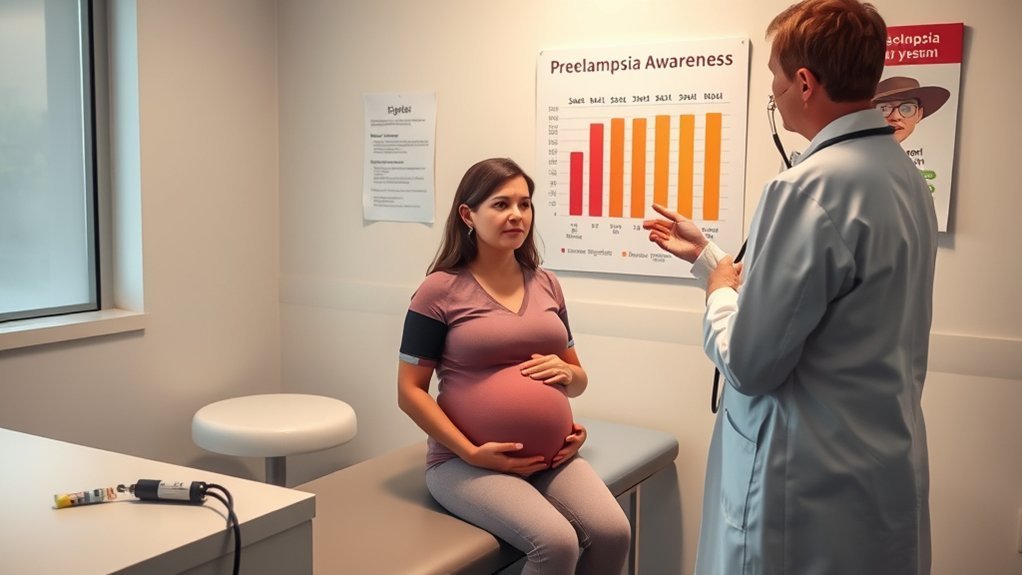
Preeclampsia is a serious pregnancy complication characterized by high blood pressure and signs of damage to other organ systems, most often the liver and kidneys. This condition usually occurs after the 20th week of pregnancy and can progress rapidly, affecting both you and your baby.
It’s essential to understand that preeclampsia can lead to severe complications, including placental abruption, premature birth, and even maternal and fetal mortality if left untreated. Early diagnosis and management are key to minimizing risks.
Regular prenatal check-ups allow healthcare providers to monitor your blood pressure and protein levels in urine. If you’re at risk, your provider may recommend lifestyle changes or medications to help manage your condition effectively, ensuring the best possible outcome for you and your baby.
Common Signs and Symptoms to Watch For
When monitoring for preeclampsia, you should be vigilant about common signs like swelling and edema, particularly in the face and hands.
Additionally, high blood pressure is a critical indicator that warrants immediate attention.
Recognizing these symptoms early can greatly impact your health and the health of your baby.
Swelling and Edema
Swelling and edema can be significant indicators of developing preeclampsia, especially as pregnancy progresses. You may notice swelling in your hands, feet, or face, which can occur suddenly or gradually.
While some swelling is normal during pregnancy, pay close attention if it becomes pronounced or is accompanied by rapid weight gain. Edema that doesn’t improve with rest or elevating your legs can also be concerning.
It’s crucial to monitor these symptoms and discuss any sudden changes with your healthcare provider. They can evaluate your condition and may recommend further tests.
High Blood Pressure
High blood pressure during pregnancy can often go unnoticed, but it’s a crucial sign to monitor. You should regularly check your blood pressure, especially if you’ve experienced swelling or other symptoms.
Normal readings are typically around 120/80 mmHg; anything above 140/90 mmHg may indicate hypertension. Watch for headaches, visual disturbances, or sudden weight gain, as these can signal worsening conditions.
If you notice any of these symptoms, it’s important to contact your healthcare provider immediately. They may recommend lifestyle changes, medication, or additional monitoring.
The Importance of Regular Prenatal Care
Regular prenatal care is essential for your pregnancy’s success, as it allows for early detection of potential risks like preeclampsia.
By monitoring your maternal health closely, healthcare providers can identify any concerning changes and take necessary actions.
Additionally, consistent check-ups guarantee that your baby’s growth remains on track, providing peace of mind throughout your pregnancy journey.
Early Detection of Risks
How can you guarantee the health of both you and your baby during pregnancy? Regular prenatal care is key for early detection of risks like preeclampsia. By attending scheduled appointments, you allow your healthcare provider to monitor your blood pressure, urine protein levels, and overall health. This proactive approach can prevent complications.
Here’s a quick overview of important prenatal visits:
| Visit Timing | Tests Conducted | Purpose |
|---|---|---|
| First Trimester | Blood tests, ultrasound | Confirm pregnancy, check for abnormalities |
| Second Trimester | Anatomy scan, glucose test | Assess fetal development, screen for diabetes |
| Third Trimester | Blood pressure, fetal monitoring | Check for preeclampsia, evaluate baby’s health |
| As Needed | Additional tests | Address any emerging concerns |
Stay vigilant; your health matters!
Monitoring Maternal Health
Consistent prenatal care is essential for monitoring maternal health throughout pregnancy. Regular check-ups allow your healthcare provider to track your blood pressure, weight, and urine protein levels, significant in detecting potential complications like preeclampsia.
During these visits, you’ll discuss any symptoms you’re experiencing and receive important screenings that can identify risks early. Adhering to a schedule of routine appointments helps guarantee that your health and your baby’s well-being remain a top priority.
It’s also an opportunity to ask questions and receive education on lifestyle adjustments that can support a healthy pregnancy. Remember, proactive monitoring is key in fostering a safe environment for both you and your baby, so don’t skip those appointments.
Fetal Growth Assessment
As your pregnancy progresses, monitoring fetal growth becomes essential for ensuring both your well-being and that of your baby.
Regular prenatal visits allow your healthcare provider to track your baby’s growth through ultrasounds and measurements. This assessment helps identify potential issues, such as intrauterine growth restriction or macrosomia, which can lead to complications like preeclampsia.
By keeping a close eye on fetal growth, you can make informed decisions regarding your care and treatment. If your provider notices any abnormalities, they can recommend necessary interventions.
Staying proactive about your prenatal appointments not only supports your baby’s health but also allows you to address any concerns early, ensuring a safer pregnancy and delivery for both of you.
Dos: What to Do If You Suspect Preeclampsia
If you suspect you might’ve preeclampsia, it’s crucial to take immediate action.
First, contact your healthcare provider to report your symptoms, which may include high blood pressure, swelling, or headaches. They’ll likely recommend monitoring your blood pressure and may perform blood and urine tests to assess your condition.
Contact your healthcare provider if you experience symptoms like high blood pressure, swelling, or headaches for proper assessment.
Keep a record of any symptoms you experience, as this information can help your doctor make an accurate diagnosis. Resting on your left side can improve blood flow to your baby and may help alleviate some symptoms.
Make sure you stay hydrated and maintain a balanced diet. If your symptoms worsen, seek emergency medical care promptly. Early intervention can greatly enhance outcomes for both you and your baby.
Don’ts: What to Avoid When Experiencing Symptoms
When experiencing symptoms of preeclampsia, there are certain actions you should avoid to protect both your health and your baby’s well-being.
Don’t ignore or downplay your symptoms; timely communication with your healthcare provider is essential.
Avoid consuming excessive salt, as it can worsen fluid retention and blood pressure.
Refrain from self-medicating with over-the-counter medications without consulting your doctor, as some may be unsafe.
Don’t engage in strenuous activities or high-impact exercise, which can elevate your blood pressure.
Finally, steer clear of stressful situations; stress may exacerbate your symptoms.
Prioritize rest and relaxation instead.
Monitoring and Managing Symptoms at Home
Monitoring your symptoms at home is essential for managing preeclampsia effectively. Keep a close eye on your blood pressure, ideally measuring it twice a day. Normal readings should be below 140/90 mmHg.
Monitoring your blood pressure at home is vital for effective preeclampsia management; aim for readings below 140/90 mmHg.
Track any sudden weight gain, particularly over 1-2 pounds in a day, as this can indicate fluid retention. Note any swelling, especially in your hands and face, and report significant changes to your healthcare provider.
Regularly assess for headaches or visual disturbances, such as blurred vision or light sensitivity. Staying hydrated and following a balanced diet can help mitigate symptoms.
Finally, maintain a daily log of your symptoms to discuss during your prenatal visits. Effective monitoring empowers you to manage your health proactively.
When to Seek Immediate Medical Attention
Recognizing the signs that warrant immediate medical attention is essential for anyone managing preeclampsia. If you experience any of the following symptoms, don’t hesitate to seek help:
- Severe headaches that don’t respond to medication or rest.
- Sudden swelling in your face, hands, or feet, especially if it occurs rapidly.
- Vision changes, such as blurriness or seeing spots, which can indicate increased pressure.
These symptoms could signal worsening preeclampsia and potential complications.
Timely medical intervention can be critical for your health and that of your baby. Always trust your instincts; if something feels off, it’s better to err on the side of caution and consult your healthcare provider.
Your safety is paramount.
Frequently Asked Questions
Can Preeclampsia Occur After Childbirth?
Yes, preeclampsia can occur after childbirth, known as postpartum preeclampsia. It typically develops within 48 hours to six weeks post-delivery. Be vigilant for symptoms like high blood pressure and swelling during this period.
Are There Specific Risk Factors for Developing Preeclampsia?
Think of preeclampsia as a storm brewing. You’re at higher risk if you’re pregnant for the first time, have a history of hypertension, or are carrying multiples. Age and obesity can also contribute greatly.
What Lifestyle Changes Can Help Prevent Preeclampsia?
You can help prevent preeclampsia by maintaining a healthy weight, exercising regularly, eating a balanced diet rich in fruits and vegetables, managing stress, and monitoring blood pressure consistently during pregnancy. Always consult your healthcare provider for personalized advice.
How Does Preeclampsia Affect Future Pregnancies?
Preeclampsia can increase your risk for similar issues in future pregnancies, potentially leading to complications like gestational hypertension or eclampsia. It’s essential to discuss your medical history with your healthcare provider for tailored guidance.
Can Preeclampsia Be Diagnosed With a Home Test?
No, you can’t diagnose preeclampsia with a home test. Medical professionals need to conduct urine and blood pressure evaluations for an accurate diagnosis. It’s crucial to consult your healthcare provider if you suspect any symptoms.
Conclusion
In summary, staying vigilant about preeclampsia is essential for your health and your baby’s well-being. Remember, “an ounce of prevention is worth a pound of cure.” By recognizing symptoms early and following the dos and don’ts, you can effectively manage your condition. Regular prenatal care is key, so don’t hesitate to reach out to your healthcare provider when in doubt. Prioritize your rest and monitor your symptoms closely for a healthier pregnancy journey.
