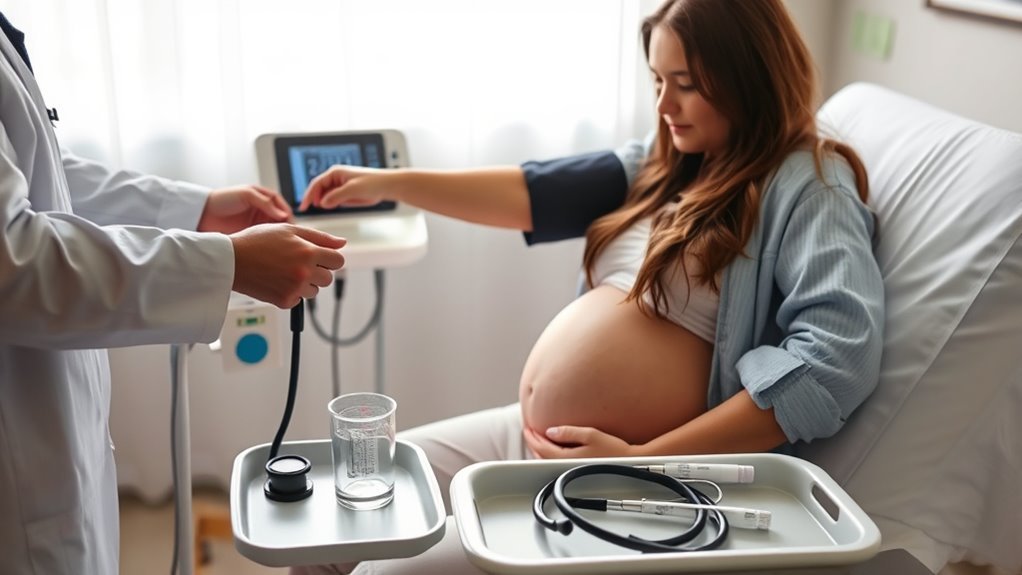
Preeclampsia is a real and potentially serious pregnancy complication, not a myth. You may develop it after 20 weeks with high blood pressure, protein in your urine, headaches, vision changes, swelling, or upper abdominal pain. You’re at higher risk if it’s your first pregnancy, you’re over 35, or you have hypertension, diabetes, or obesity. Doctors diagnose it with blood pressure checks and labs, and prompt treatment protects you and your baby, with more key facts ahead.
What Is Preeclampsia?
Preeclampsia is a serious pregnancy complication that usually develops after 20 weeks of gestation and is marked by high blood pressure and protein in the urine. You may hear that it affects about 5% to 8% of pregnancies in the U.S., so you’re not facing a rare event.
In preeclampsia, your blood pressure reaches 140/90 mmHg or higher, and your body signals stress through the kidneys. This condition can threaten your health and your baby’s growth if you don’t get timely care. You deserve clear information and swift action, not fear.
Clinicians watch for this pregnancy complication because it can progress quickly and, in severe cases, cause organ damage or stroke. Delivery is the only definitive cure, but careful monitoring and treatment can protect you until that point.
When you know what preeclampsia is, you can advocate for yourself with confidence and clarity.
What Are the Warning Signs of Preeclampsia?
You should watch for persistent headaches that don’t improve with medication and any vision changes, such as blurry sight or seeing spots.
You should also report swelling in your face, hands, or feet, along with rapid weight gain of 3–5 pounds in a week.
If you develop severe upper abdominal pain, seek medical care right away.
Headaches And Vision Changes
Severe headaches that don’t improve with typical over-the-counter pain medicines can be an important warning sign of preeclampsia, especially when they reflect rising blood pressure.
You may also notice vision changes such as blurry vision, spots, or brief vision loss. These symptoms can appear suddenly, even when you don’t have other obvious problems, so don’t dismiss them.
If you’re pregnant or recently gave birth, treat persistent headaches and vision changes as urgent and contact your healthcare provider promptly.
Early evaluation can help confirm or rule out preeclampsia and guide treatment before complications grow.
You deserve clear answers and timely care, and speaking up about these warning signs supports your safety and your baby’s well-being.
Swelling And Rapid Weight Gain
Sudden swelling in the hands, face, or feet can be a warning sign of preeclampsia, especially when it appears alongside other symptoms or develops quickly.
You should also watch for rapid weight gain, about 3-5 pounds in a week, because it can reflect fluid retention rather than normal pregnancy change.
Tell your healthcare provider right away if you notice either sign, even after delivery, since preeclampsia can develop postpartum.
Providers look for swelling, blood pressure at or above 140/90 mm Hg, and protein in your urine to assess risk.
Early recognition gives you more options, protects your autonomy, and helps you and your baby get timely care.
Don’t dismiss these changes as routine; your body deserves attention, and prompt evaluation can improve outcomes.
Upper Abdominal Pain
If you’re pregnant and notice upper abdominal pain after 20 weeks, don’t dismiss it. This symptom can appear with severe headaches, blurry vision, swelling, or rising blood pressure, and those symptoms may signal worsening preeclampsia.
You deserve clear answers, not guesswork. If you also have protein in your urine, seek immediate medical care. Prompt evaluation can protect your health and your baby’s well-being.
Keep your prenatal visits, because regular screening helps catch preeclampsia early and supports timely treatment. Trust your body, speak up quickly, and insist on care that respects your freedom and safety.
Who Is at Risk for Preeclampsia?
Who’s at risk for preeclampsia? You may face greater risk if you’re pregnant for the first time, over 35, or living with chronic hypertension, diabetes, or a previous episode of preeclampsia.
Black women have a higher burden of this condition than white women, reflecting serious inequities in maternal care. Obesity, multi-fetal pregnancies, and ongoing mental stress can also increase risk.
Preeclampsia affects about 1 in 12 pregnancies, so many pregnant women need to know the warning profile for hypertensive disorders. If you’ve had rapid weight gain—about 3 to 5 pounds in a week—tell your healthcare provider promptly. That change can signal fluid retention and deserves attention.
Knowing your risk doesn’t mean fear; it means power. When you understand your body and your history, you can advocate for timely care, protect your health, and support a safer pregnancy for you and your baby.
How Do Doctors Diagnose Preeclampsia?
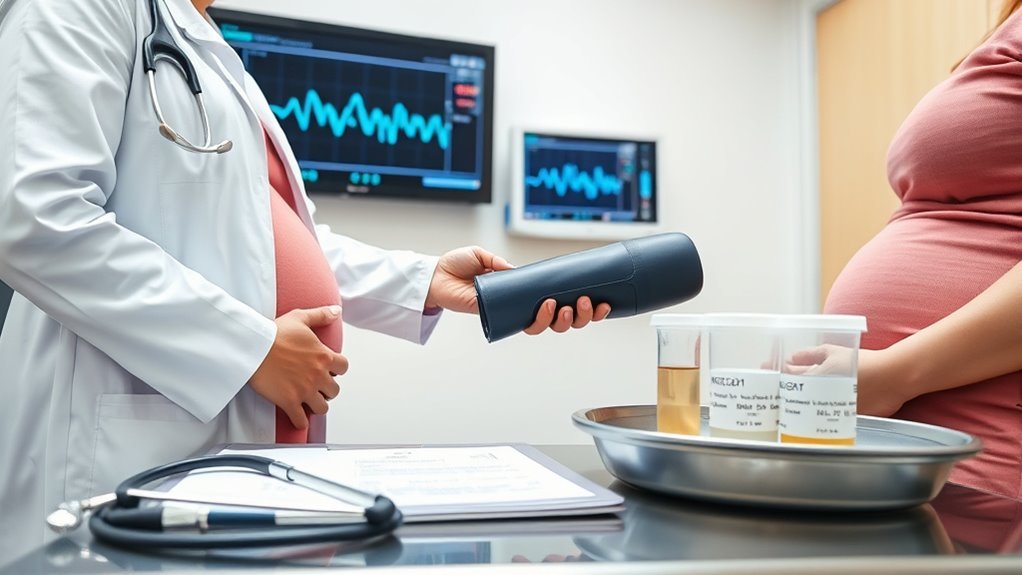
Doctors diagnose preeclampsia when your blood pressure is 140/90 mmHg or higher on two separate readings after 20 weeks of pregnancy, along with protein in your urine. During routine prenatal care, your clinician checks your blood pressure and may order urinalysis to support early diagnosis.
Doctors diagnose preeclampsia with high blood pressure after 20 weeks, plus protein in the urine.
If you report severe headaches, visual changes, swelling in non-dependent areas, or upper abdominal pain, those clues can prompt closer evaluation. Blood tests may also assess liver and kidney function and platelet levels to show how far the condition has progressed.
This process isn’t about control; it’s about giving you clear information so you can make informed decisions about your health. After delivery, follow-up still matters, because preeclampsia can appear or persist within six weeks postpartum.
Ongoing assessment of blood pressure and symptoms helps protect your recovery and keeps care focused on you, your pregnancy, and your well-being.
Can Preeclampsia Be Prevented?
You can’t completely prevent preeclampsia, but you can lower your risk with targeted strategies.
If you’re at risk, low-dose aspirin started between 12 and 16 weeks of pregnancy can reduce risk, and calcium supplementation may also help, especially when begun early.
You can further support prevention by optimizing nutrition and controlling factors like obesity, chronic hypertension, and advanced maternal age through regular prenatal care.
Aspirin Risk Reduction
Low-dose aspirin, typically 75–100 mg daily, can help reduce the risk of preeclampsia when it’s started between 12 and 16 weeks of gestation.
If you’re at higher risk, this aspirin strategy offers meaningful risk reduction and helps you take a proactive role in care. It’s especially useful if you’ve had preeclampsia before, have chronic hypertension, or are carrying multiples.
- You may lower your overall risk by about 10%.
- In high-risk pregnancies, risk reduction can reach about 25%.
- You can also cut the chance of severe preeclampsia and complications.
Aspirin likely works by improving placental blood flow and lowering thromboxane A2.
It doesn’t guarantee prevention, so you’ll still need close monitoring.
Still, this is a practical, evidence-based step toward safer, more liberated pregnancy care.
Calcium And Nutrition
Aspirin can lower preeclampsia risk, but it’s not the only prevention strategy under study. You may hear about calcium and other nutritional interventions for preeclampsia, and the evidence is mixed.
Early studies suggested calcium supplementation cut risk by 37%, yet later trials found no clear benefit when you started it in the second trimester. One reason may be calcium bioavailability, which researchers didn’t always measure.
Some data also suggest calcium plus conjugated linoleic acid reduced risk by 80%, pointing to the role of dietary fats in maternal health.
Still, you shouldn’t rely on a specific diet or vitamin alone. If you’re at higher risk, especially as an adolescent with limited resources, targeted nutritional support can help.
How Do Doctors Treat Preeclampsia?
Doctors treat preeclampsia by closely monitoring the mother and baby and, when needed, delivering the baby, which is often the only definitive cure. Your treatment for preeclampsia depends on severity, timing, and your prenatal care plan.
In mild cases, you may stay stable with rest, medicines to lower blood pressure, and frequent blood pressure monitoring plus lab tests. If your condition turns severe, you’ll usually need hospitalization, magnesium sulfate to help prevent seizures, and earlier delivery, often around 34 weeks.
- Close monitoring of blood pressure, urine, and labs
- Medicines to control blood pressure and prevent seizures
- Delivery when benefits outweigh the risks to you and your baby
After birth, you still need follow-up because preeclampsia can persist or start postpartum. For severe cases, your team may check you within 72 hours and continue surveillance until your readings normalize.
This care helps you stay informed, protected, and in control.
Why Does Preeclampsia Raise Heart Risk Later?
Even after pregnancy ends, preeclampsia can leave lasting changes in your blood vessels and metabolism that raise your later heart risk. You’re not imagining the link: women with a history of preeclampsia face a 2 to 4 times higher risk of cardiovascular disease than women who never had it.
The condition can damage the endothelium, the lining that helps your vessels relax and protect against atherosclerosis. Over time, that dysfunction can stiffen arteries and favor plaque buildup.
You may also share key risk factors with preeclampsia, including obesity, high blood pressure, and insulin resistance, which can amplify harm. About 20% of women develop chronic hypertension after pregnancy, and that persistent pressure further increases heart risk.
The good news is that you can act. Ongoing blood pressure and cardiovascular monitoring lets your clinician spot trouble early, address modifiable risk factors, and support your long-term health.
What Should You Watch For After Birth?
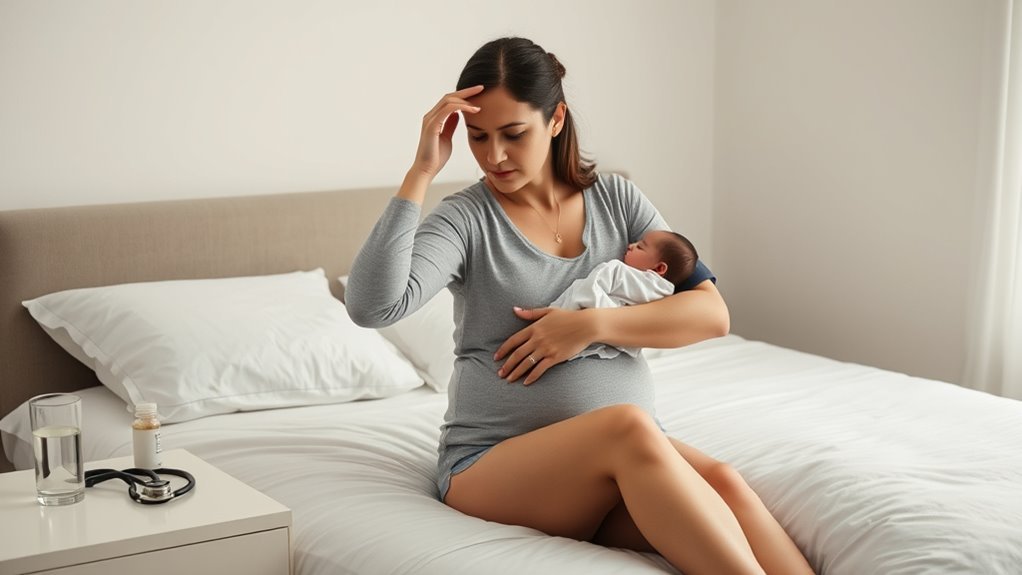
After birth, it’s important to keep watching for signs that preeclampsia may still be active or may develop postpartum. Your blood pressure can rise after delivery, so check it regularly during the first six weeks.
Preeclampsia affects 1 in 10 women postpartum, and early action protects your health and your freedom to heal.
Watch for:
- Severe headaches, vision changes, or upper abdominal pain
- Sudden swelling in your face, hands, or feet
- Rapid weight gain of 3–5 pounds in a week
These symptoms can signal hypertension or worsening preeclampsia and need prompt medical review. Don’t wait for them to pass. Call your healthcare provider right away if they appear, especially if they’re new or intense.
If you’ve had preeclampsia before, stay engaged with follow-up care, because your long-term cardiovascular risk is higher. You deserve clear monitoring and timely treatment so you can recover safely and move forward with confidence.
Frequently Asked Questions
Did Meghan Markle Have Preeclampsia in Real Life?
Yes, Meghan Markle’s Royal Pregnancy involved gestational hypertension, and she later described symptoms that could’ve reflected preeclampsia. You should treat this as Preeclampsia Awareness, seek medical evaluation, and trust clinical monitoring for safety.
Is Preeclampsia Overdiagnosed?
It can seem overdiagnosed, but you need clear diagnosis criteria to tell true preeclampsia from temporary hypertension. Your risk factors guide monitoring, and patient education helps you stay informed, empowered, and safely managed.
What Is the Only Real Cure for Preeclampsia?
Delivery delivers definitive relief: you’ll cure preeclampsia only by giving birth, which removes the placenta. While you wait, treatment options manage preeclampsia symptoms and risk factors, but they can’t replace delivery; you’re safest with close monitoring.
Do Healthy People Get Preeclampsia?
Yes, healthy people can get preeclampsia. You can develop preeclampsia symptoms without clear risk factors, so keep up prenatal care and monitoring. Early recognition helps you protect your freedom, health, and pregnancy outcomes.
Conclusion
Preeclampsia can seem like a rare twist in pregnancy, but it’s a real, serious condition that can appear quietly and escalate fast. You’ve learned the warning signs, the risk factors, and why prompt diagnosis matters. The irony is that something tied to pregnancy’s promise can threaten both you and your baby. Still, with close monitoring and timely care, you can lower danger, protect your health, and stay one step ahead before and after birth.
