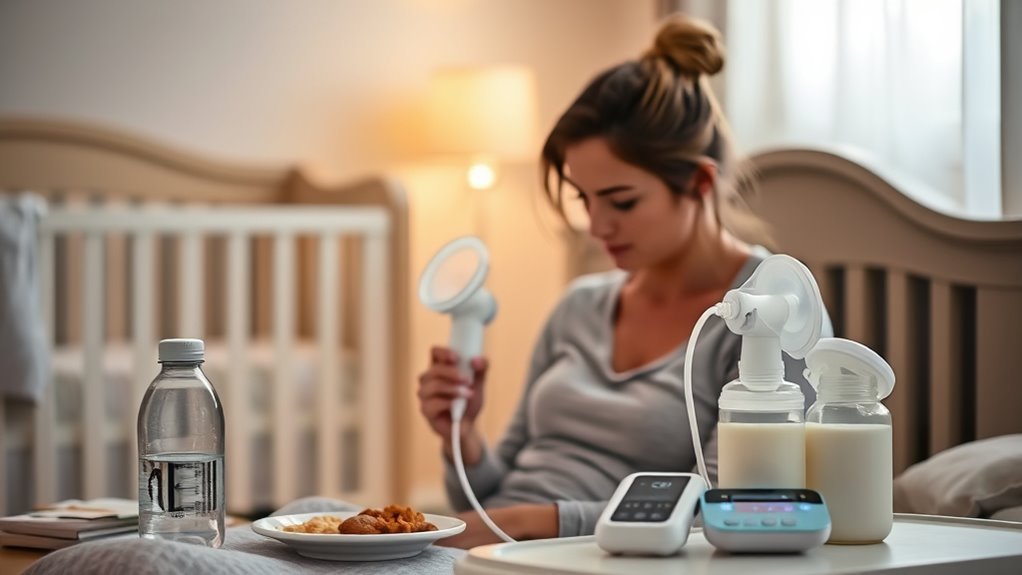
Power pumping can help you boost milk supply by mimicking cluster feeding with short, repeated pumping sessions. You’ll usually pump for one hour: 20 minutes on, 10 minutes off, 10 minutes on, 10 minutes off, then 10 minutes on. A 30-minute option also works. Aim for one session daily, ideally in the morning or before bed. If you stay consistent, you may notice more milk and stronger let-downs within a week, with more tips ahead.
What Is Power Pumping?
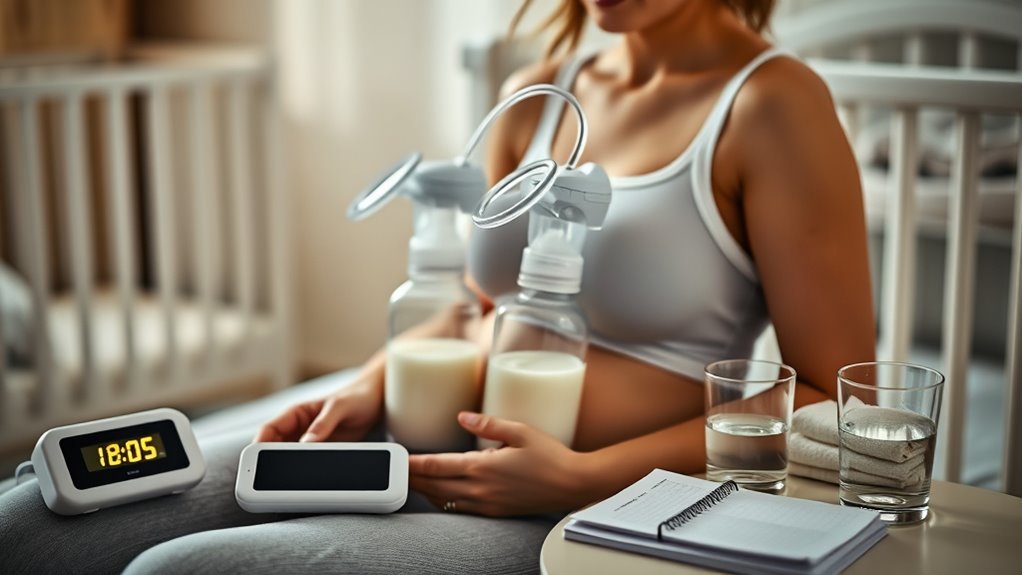
Power pumping is a simple way to mimic your baby’s cluster feeding and help encourage your body to make more milk.
When you try Power pumping, you set aside about an hour for focused pumping sessions: pump for 20 minutes, rest for 10, then repeat shorter intervals. This pattern helps fully empty your breasts, which tells your body it may need to increase milk supply by releasing prolactin, the hormone that supports milk-making.
Set aside an hour: pump, rest, and repeat to encourage your body to make more milk.
You don’t need to overhaul your whole day; one consistent session daily often works best, alongside your usual nursing or pumping routine. Many parents notice changes within 3 to 7 days, though it can take up to two weeks.
If you’re feeling stretched thin, remember that this technique is about giving your body a clear message, not forcing perfection. You’re supporting your feeding journey with intention, care, and a little structure.
Does Power Pumping Work?
Yes, power pumping can work because it mimics your baby’s cluster feeding and gives your body the signal to make more milk.
You may start noticing results within 3 to 7 days if you do it consistently, usually at least once a day.
Your results can also depend on your pump, flange fit, hydration, nutrition, and how closely you track your output.
How It Works
If you’re wondering whether power pumping works, the short answer is yes for many people because it mimics cluster feeding, the frequent nursing pattern that signals your body to make more milk.
When you do power pumping sessions, you’re giving your breasts repeated stimulation, which can encourage prolactin release and support your milk supply.
A common power schedule is 20 minutes pumping, 10 minutes resting, then repeating the cycle. That rhythm can help empty the breasts more completely, nudging your body to produce more.
Your results also depend on fit, pump quality, hydration, and comfort, so adjust what you can.
If you have mastitis or clogged ducts, skip this method and get support instead.
What Results To Expect
Once you’ve started regular sessions, you may be wondering what kind of change to expect.
With power pumping, many parents notice a boost in milk supply within 3 to 7 days, while others need up to two weeks to see clear results. That timeline can feel slow, but steady effort often pays off.
You can track your average pumped amount to spot small gains and decide whether the routine is helping.
If you already had a healthy milk supply, power pumping may give you a useful lift; if you’re already producing plenty, you mightn’t need it.
Trust your body, stay consistent, and let the results guide your next step toward feeding freedom and confidence.
Factors That Affect Success
Power pumping can work, but your results often depend on a few important details. When you power pumping consistently, you’re mimicking cluster feeding and may see milk supply changes in 3 to 7 days.
| Factor | Why it matters |
|---|---|
| Pump quality | A strong, reliable pump supports better milk removal |
| flange size and pump | The right fit prevents pain and helps emptying |
| Hydration and nutrition | Your body needs fuel to make milk |
| Routine and latch | Daily timing and fixing issues improve success |
Try it once daily, ideally at the same time, and stay patient. If your latch is off or your pump malfunctions, fix that first. Your body deserves care, and small adjustments can help you reclaim steady milk supply with power pumping.
Best Power Pumping Schedule
A simple, effective power pumping schedule gives you the best chance of boosting supply without overwhelming your day.
The best power pumping schedule usually means one power pumping session that lasts an hour: pump 20 minutes, rest 10, pump 10, rest 10, then pump 10 more.
If you’re short on time, a 30-minute express option can still help: pump 10 minutes, rest 10, then pump 10 again.
Aim to power pump at least once daily, ideally early morning or before bed when demand often feels highest.
Stay consistent; many mothers notice they can increase their milk supply within 3 to 7 days.
A high-quality hands-free pump and the right flange size can make each session more efficient, so you can reclaim your time and support your body with less strain.
[Products Worth Considering]
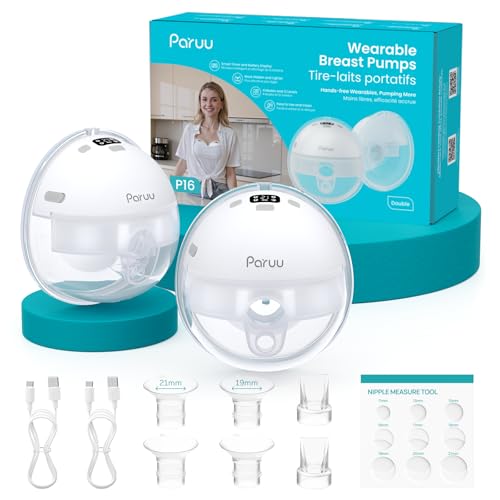
More Comfortable And Efficient: Paruu P16 breast pump with 4 Modes & 12 Levels, suction range 49.5 - 309mmHg, You can customize your pumping rhythm, suction power and speed make sure every mother can adjust the suction strength based on milk flow and comfort level. Provides a more comfortable and efficient breastfeeding experience.(Tips: When the suction is weakened, please first check whether the Valve and Diaphragm are tightly installed)

【Easy to Use】---Unclip and drop-down outer layer for easy access to hands free pumping or pull aside inner layer for nursing access. Let you pump on one side while breastfeeding on the other when needed.

NENESUPPLY HANDSFREE COLLECTION CUPS (Include Two Cups and Tubing). Turn your favorite Spectra pumps into a portable, handsfree breast pump. DISCREET DESIGN. PUMP INVISIBLY. Free up your hands. The waterdrop-shaped milk collector easily conceals within the bra. Pump as if no one knows.
One-Hour Power Pumping Session
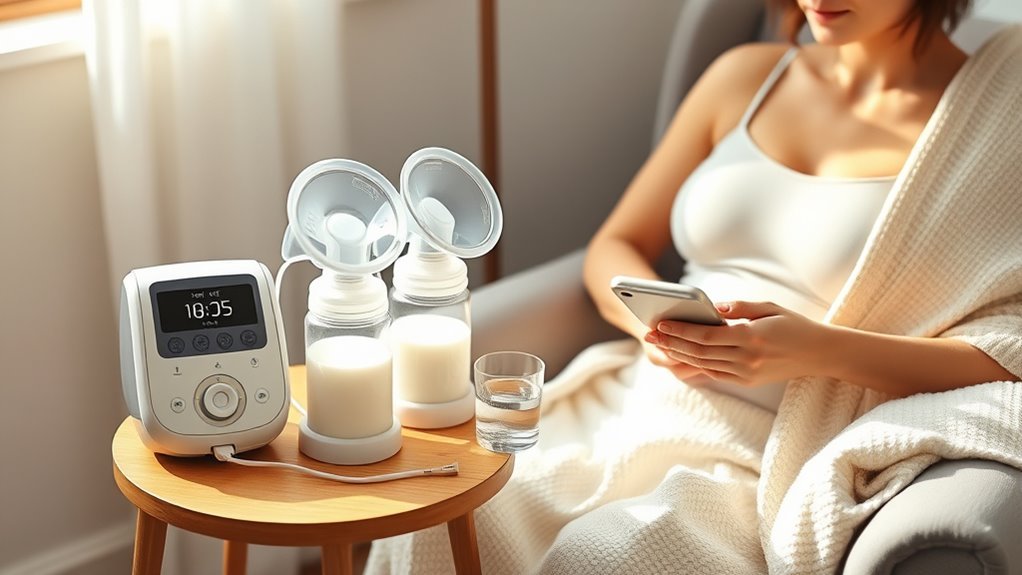
If you’re following the best power pumping schedule, the one-hour session is the standard format most people use to help boost supply. During this one-hour power pumping session, you pump for 20 minutes, rest for 10, pump 10, rest 10, then finish with 10 more minutes. This rhythm mimics cluster feeding and helps fully empty your breasts, which can signal your body to make more milk.
| Step | Time |
|---|---|
| Pump | 20 min |
| Rest | 10 min |
| Pump | 10 min |
Aim to power pump once daily, because consistency matters. Many parents notice changes in 3 to 7 days. A hands-free pump can make the process easier and give you space to breathe, move, or care for yourself. Drink water, eat nourishing foods, and trust your body. You’re not chasing productivity; you’re reclaiming support for your feeding journey.
30-Minute Power Pumping Option
If you’re short on time, the minute power pumping option gives you 10-minute pump intervals with brief rests, all packed into a 30-minute session.
This shorter approach can still help stimulate milk production by closely mimicking your baby’s feeding pattern.
Try it once or twice a day, and you may notice your supply improve within a few days.
10-Minute Pump Intervals
Minute power pumping gives you a flexible way to boost milk supply without carving out long stretches of time. You can pump for 5 minutes, rest briefly, then return to your day with less pressure and more freedom.
This minute power pumping approach helps stimulate milk production by fitting consistent pumping sessions after feeds or even hourly when your schedule allows. Aim for once or twice daily so your body gets a steady cue, closer to your baby’s natural rhythm.
If you’ve used the 303030 method, you can adapt it into shorter intervals, too. Stay hydrated, and make sure your flange fits well so each session feels comfortable and effective.
Small, intentional bursts can still support your goals, and you don’t have to choose between caregiving and your own needs.
Short Session Benefits
Short sessions can be a great fit when you want to support your milk supply without adding a lot of stress to your day. With power pumping, you can use a 5-minute start-of-the-hour rhythm to boost milk supply in a way that feels doable.
| Benefit | How it helps |
|---|---|
| Less pressure | Fits busy schedules |
| Gentle stimulation | Mimics baby’s feeding pattern |
| Gradual gains | Builds supply over days |
| Flexibility | Pairs with nursing or longer sessions |
These short session benefits let you keep going without burnout. Stay consistent, and you may notice more milk as your body responds to frequent stimulation. You’re allowed to choose a plan that honors your time, energy, and freedom while still supporting feeding goals.
How Often Should You Power Pump?
- Choose one daily session if you can.
- Try early morning or before bed.
- Commit for three to seven days.
- Track output and adjust as needed.
You don’t need to force a rigid routine that drains you. Listen to your body, honor your schedule, and let your pumping plan support your freedom.
Many people notice changes after several days, especially when they stay steady. If your milk output rises, keep going; if it doesn’t, tweak the timing or frequency.
Many people notice changes after a few days; if output rises, keep going, and if not, adjust.
You deserve a plan that fits your life and supports your feeding goals.
How to Increase Milk Supply With Power Pumping
To help increase your milk supply with power pumping, think of it as a way to mimic your baby’s cluster feeding and signal your body to make more milk.
You’ll use a one-hour rhythm: pump 20 minutes, rest 10, pump 10, rest 10, then finish with 10 minutes. This pattern can encourage prolactin release and help boost milk supply when you do it consistently.
Aim for at least one session daily, ideally in the morning or evening, so your body can settle into a steady routine. Many parents notice change within 3 to 7 days, though hydration, pump quality, and your own body all matter.
Make sure your flange fits well and, if you can, use a hands-free pump to stay comfortable and keep your hands free.
Keep showing up for yourself—those regular pumping sessions are part of reclaiming the feeding path that works for you.
[Products Worth Considering]
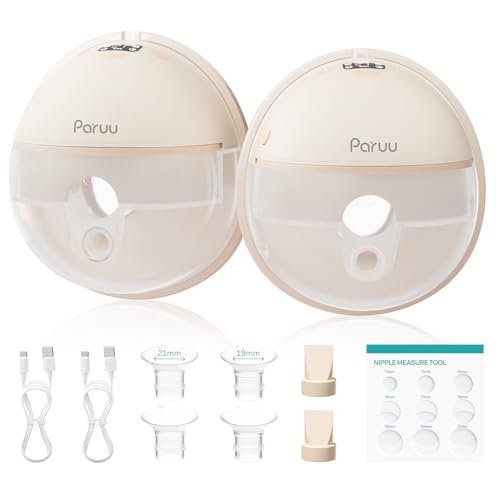
More Comfortable And Efficient: Paruu P16 breast pump with 4 Modes & 12 Levels, suction range 49.5 - 309mmHg, You can customize your pumping rhythm, suction power and speed make sure every mother can adjust the suction strength based on milk flow and comfort level. Provides a more comfortable and efficient breastfeeding experience.(Tips: When the suction is weakened, please first check whether the Valve and Diaphragm are tightly installed)
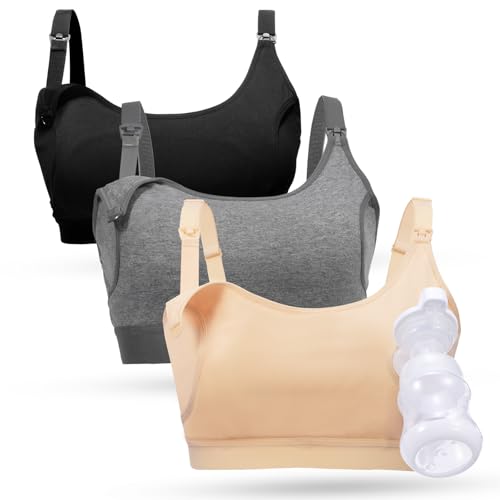
Hands-Free Pumping Bra (Patent Protected Design): Momcozy Hands Free Pumping Bra's innovative 'X' structure holds flanges firmly and comfortably in place, providing a secure fit and hands-free convenience for busy moms.

The Innovative Heated Wearable Breast Pump: Groundbreaking HeatFlow technology prevents clogs and boosts your output by 30%¹. Enjoy high-efficiency pumping with spa-like warmth. Note: 1. Based on actual usage feedback from over 300 eufy pump users.
Signs Power Pumping Is Working?
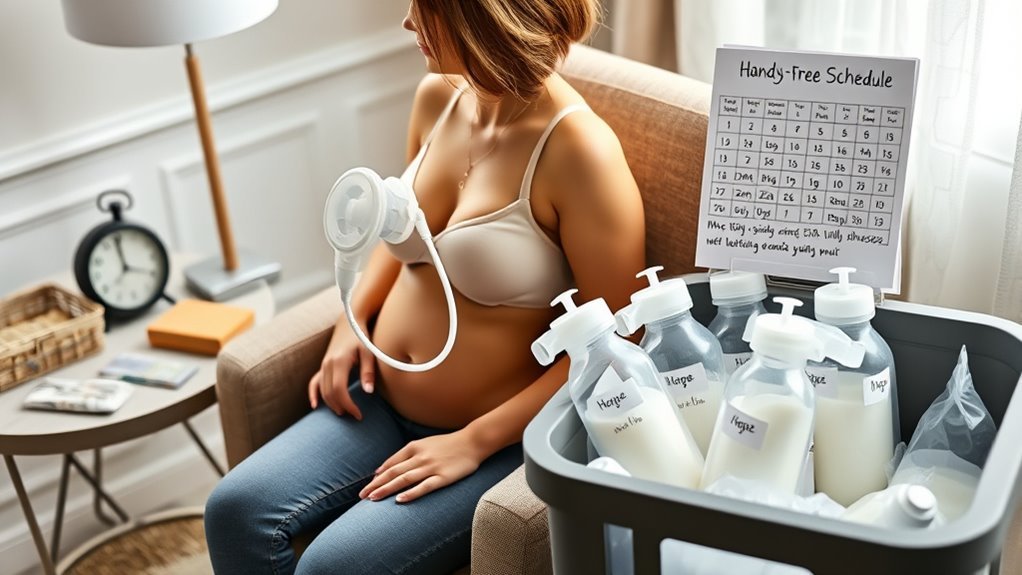
As you keep up with power pumping, you may start noticing a few encouraging changes that show it’s working. Many people see milk supply rise within 3 to 7 days, especially when sessions stay consistent.
You can track your average pumped amount to spot steady progress and know your efforts are paying off. More let-downs during pumping also suggest your body is responding, and you may feel fuller between sessions as frequent emptying boosts production.
Pay attention to nursing too: a smoother, more consistent flow can mean your supply is strengthening.
- Your pumped ounces start trending upward.
- You feel more let-downs during each session.
- Your breasts feel fuller before pumping.
- Regular nursing or pumping looks steadier.
If you’re not seeing changes yet, don’t panic. Increased frequency and patience matter, and every body responds differently.
Keep going—you’re building capacity and reclaiming support for your feeding goals.
Frequently Asked Questions
Can I Power Pump With a Hands-Free Pumping Bra?
Yes, you can power pump with a hands-free pumping bra. It frees your hands, supports comfort, and helps you multitask. Benefits overview, Technique tips, and Timing strategies can help you stay consistent.
Should I Power Pump if I Have Low Pump Output?
Yes, you can try power pumping if your output is low, since it may help boost milk supply. Use pumping techniques that suit you, increase pumping frequency gently, and give yourself grace while you adapt.
Can Power Pumping Cause Oversupply?
Yes, it can, especially if your body is already well regulated. You’ll want to watch pumping frequency, because extra stimulation may shift milk regulation and affect supply management. If you notice fullness or discomfort, ease off.
Is It Safe to Power Pump While Working?
Yes, you can power pump while working if you plan workplace adjustments, protect power pumping benefits, and keep managing stress. You’ll need breaks, privacy, and hydration; listen to your body, and don’t push through pain.
What Should I Eat Before a Power Pumping Session?
Eat a light ideal meal with protein, carbs, and healthy fats, plus pre pumping snacks like fruit, yogurt, or nuts. Follow hydration tips, sip water beforehand, and trust your body—you’ve got this.
Conclusion
Power pumping can feel like a tiny window of effort with a big promise. When you stick with the schedule, you may start to notice your body responding, little by little. Keep going, even on the slow days—your milk supply may rise before you expect it. Trust the process, watch for the signs, and give yourself grace. You’re not failing; you’re building momentum. And sometimes, that quiet progress is exactly what changes everything.
