Understanding the Pincer Grasp Development Timeline
A baby’s tiny thumb-and-finger pinch can tell you a lot about early development. The pincer grasp helps your child pick up food, explore toys, and build the hand control needed for later skills like drawing and dressing. This guide explains when the pincer grasp usually appears, what can affect it, and how you can support your child at home.
Quick Answer
The pincer grasp usually develops between about 8 and 12 months, when your child starts using the thumb and index finger to pick up small items. Genetics, nutrition, play, social interaction, and overall health can all affect fine motor development. If your child does not use a thumb-and-finger grasp by 12 months, or loses skills they once had, ask your pediatrician for guidance.
Key Takeaways
- Most babies begin using a pincer grasp between about 8 and 12 months.
- Safe finger foods, small toys, and supervised play can strengthen fine motor skills.
- Nutrition, early learning, health, and family traits can shape hand control.
- Premature birth or developmental delays may affect when the pincer grasp appears.
- Your pediatrician can help if you notice delays, weak grasp, or loss of skills.
Understanding the Pincer Grasp Development Timeline
The pincer grasp usually develops between about 8 and 12 months of age. This skill marks an important step in your child’s fine motor development.
During this stage, your child starts using the thumb and index finger to pick up small objects. This movement helps with toy play, self-feeding, and later tasks that need hand control.
You may first notice a raking motion, where your child uses the whole hand to pull objects closer. Over time, this often changes into a more precise thumb-and-finger grasp.
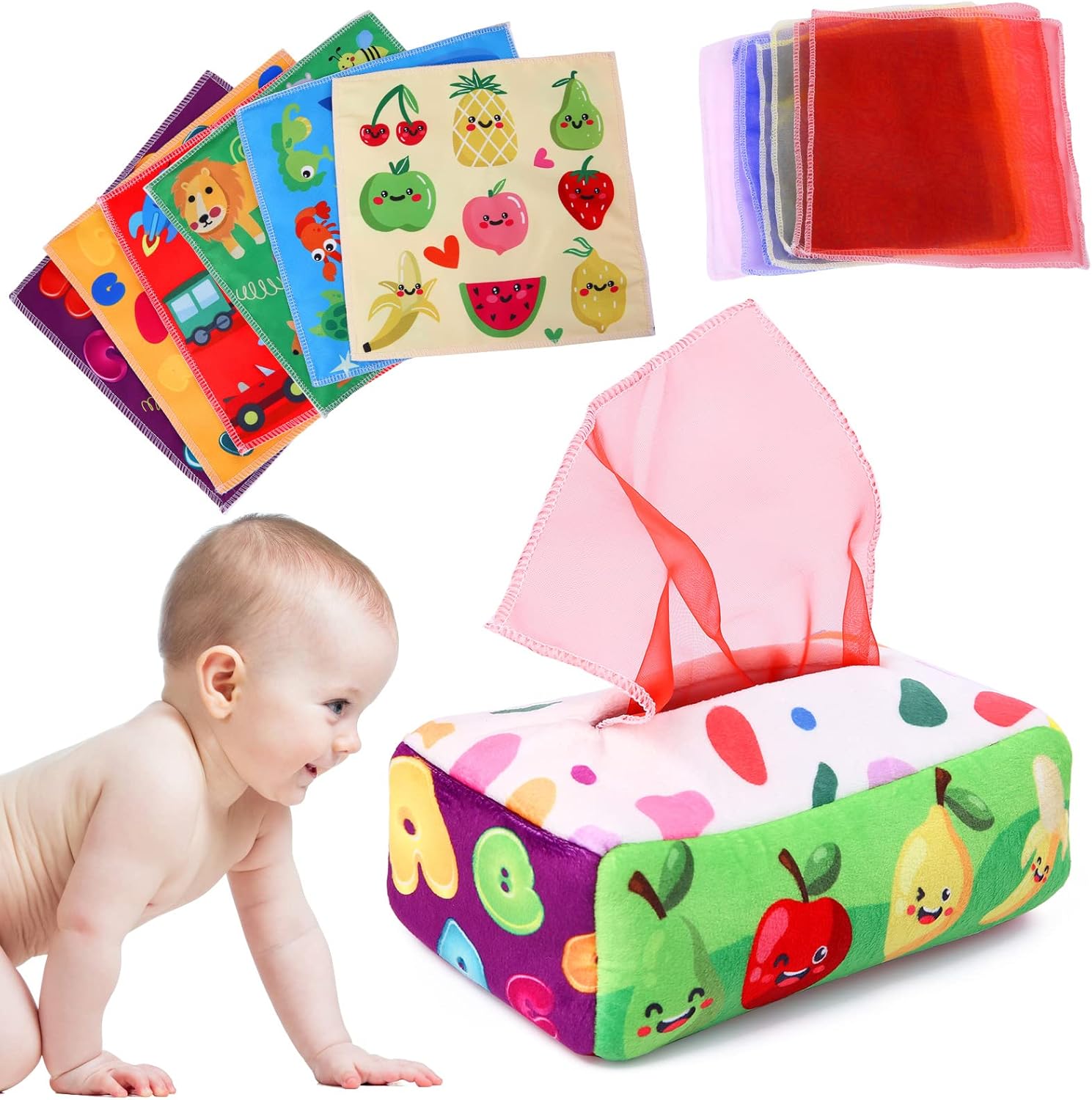
Encourage safe practice with soft finger foods, large beads made for babies, or chunky toys. Always supervise small items because they can pose a choking risk.
Warning: Keep coins, buttons, beads, and other choking hazards away from babies unless an adult directly supervises the activity.
Each child develops at a different pace. If you feel concerned about your child’s progress, ask your pediatrician or a qualified child development specialist.
How Genetics Can Influence Fine Motor Skills
As you support your child’s pincer grasp development, keep in mind that family traits can affect fine motor skills. Some children naturally build coordination and hand strength faster than others.
Inherited traits can influence muscle tone, joint flexibility, coordination, and dexterity. If close family members had fine motor delays, your child may need more practice or support.
Family history does not decide your child’s future. A safe, active, and supportive home environment can still help your child build confidence and skill.
How Environment Supports Pincer Grasp Development
Your child’s daily environment plays a major role in skill-building. Toys, routines, and social play all give your child chances to practice hand control.
Small, repeated actions help strengthen the muscles your child uses for a pincer grasp. The best activities feel like play, not drills.
Home Learning Opportunities
An enriching home environment can support your child’s pincer grasp. Offer age-appropriate toys that encourage grasping and manipulation.
Soft blocks, chunky crayons, textured balls, and large stacking toys can help your child explore with their hands. These toys build strength, coordination, and curiosity.
You can also try simple supervised activities, such as placing soft cereal pieces on a tray or moving large pom-poms between containers. These tasks make fine motor practice feel fun and natural.
Let your child help with safe parts of daily routines, such as holding a spoon or picking up soft food. These small moments build confidence and independence.
Why Social Interaction Matters
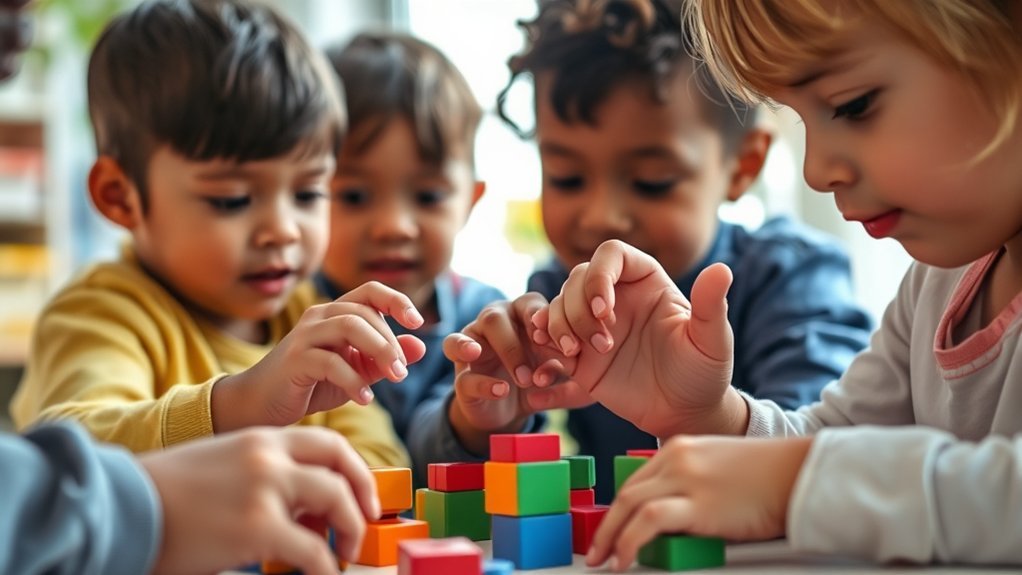
Individual practice helps, but social interaction also supports a child’s pincer grasp. Children learn by watching, copying, and playing with caregivers and other children.
When you sit nearby, guide gently, and praise effort, your child gains confidence. Play also gives your child a reason to reach, pinch, pass, and release objects.
| Social Interaction | How It Supports the Pincer Grasp |
|---|---|
| Peer Play | Encourages sharing, reaching, and turn-taking |
| Parental Engagement | Offers guidance, praise, and safe practice |
| Group Activities | Promotes simple cooperative tasks |
| Structured Learning | Gives focused practice with hands and fingers |
| Social Feedback | Builds motivation and confidence |
How Nutrition Affects Cognitive and Motor Development
Nutrition plays a key role in your child’s brain growth, energy, and motor development. A balanced diet supports the muscles and nerves your child uses for fine motor tasks.
Nutrient deficiencies can affect growth, attention, and skill development. If you worry about your child’s diet, growth, or feeding, talk with your pediatrician.
Omega fatty acids also support brain health. They may play a role in attention, learning, and the motor planning needed for skills like the pincer grasp.
How Nutrient Deficiencies Can Affect Development
When a child lacks key nutrients, development can slow. Proper nutrition during early childhood supports learning, movement, and healthy growth.
Nutrient gaps may affect your child in several ways:
- Brain function: Low intake of key vitamins and minerals can affect focus and learning.
- Physical milestones: Poor nutrition can slow strength, coordination, and motor progress.
- Behavior and mood: Hunger or nutrient gaps can make daily routines harder.
- Learning readiness: Growth and attention problems can affect early learning.
Early support can make a meaningful difference. Your child’s doctor can check growth, feeding, and any signs of deficiency.
The Role of Omega Fatty Acids
Omega fatty acids, especially omega-3 fatty acids, support brain development. These fats help the brain and nervous system work well during early growth.
Foods such as low-mercury fatty fish, flaxseeds, chia seeds, and walnuts can add omega fatty acids to your child’s diet. Ask your pediatrician about safe food choices for your child’s age.
Nutrition alone will not create a pincer grasp. Your child also needs safe practice, active play, and time to build coordination.
Why Early Childhood Education Helps Fine Motor Skills
Early childhood education can support your child’s development through play, routines, and guided practice. It helps children build the social and learning skills they need later.
Quality early learning can help your child grow in several areas:
- Cognitive development: Your child practices problem-solving and early thinking skills.
- Social skills: Your child learns to share, wait, and cooperate with others.
- Emotional growth: Your child builds patience, resilience, and self-control.
- Language development: Your child hears and uses more words during play.
- Fine motor practice: Your child uses crayons, blocks, puzzles, and hands-on materials.
These experiences can support the pincer grasp and other hand skills. They also help your child feel more confident during daily tasks.
How Socioeconomic Factors Can Affect Development
Socioeconomic factors can shape a child’s development from an early age. Access to health care, safe play spaces, nutritious food, and learning materials can all affect growth.
Children from lower-income families may have fewer chances to use books, toys, and structured play programs. Limited resources can make it harder to build fine motor skills such as the pincer grasp.
Caregiver stress can also affect daily routines and emotional support. Simple, low-cost activities can still help your child practice and grow.
You can use safe household items for fine motor play. Try soft food pieces, large fabric scraps, cardboard tubes, or containers with easy-open lids.
Can Premature Birth Affect Pincer Grasp Development?
Premature birth can affect when a baby reaches motor milestones. Many babies born early develop skills based on their corrected age, not only their birth date.
Corrected age accounts for how early your baby arrived. For example, a 10-month-old baby born two months early may act more like an 8-month-old in some skills.
Your pediatrician can help you understand your baby’s timeline. Ask for support if your child has stiff hands, weak grasp, poor feeding, or missed milestones.
Strategies to Encourage Pincer Grasp Development
Encouraging the pincer grasp helps your child build fine motor skills. Short, playful activities work best because babies learn through repetition.
Try these simple strategies during supervised play:
- Offer safe finger foods: Use soft, age-appropriate pieces that your child can pick up and eat.
- Play with small safe objects: Use large baby-safe beads, blocks, or textured toys made for grasping.
- Use art materials: Offer chunky crayons or playdough when your child reaches the right age.
- Read interactive books: Choose books with flaps, tabs, or textures your child can touch.
- Practice container play: Let your child place objects into a cup, bowl, or box.
Pro tip: Place one soft food piece at a time on the tray so your child has more chances to practice pinching.
These activities support the pincer grasp and build connection between you and your child. Keep practice relaxed, safe, and short.
When Should You Ask a Pediatrician About Pincer Grasp Delays?
Ask your pediatrician if your child does not try to pick up small safe objects by about 12 months. You should also ask for help if your child strongly favors one hand very early, keeps hands tightly fisted, or loses a skill they once had.
Some children only need more time and practice. Others may benefit from early intervention, occupational therapy, or a developmental evaluation.
Trust your concern. Early support can help your child build strength, coordination, and confidence.
Frequently Asked Questions
What Age Should a Child Typically Develop a Pincer Grasp?
Most children develop a pincer grasp around 9 to 12 months. Some babies show early thumb-and-finger control closer to 8 months, while others need more time.
Are There Specific Toys That Help Develop the Pincer Grasp?
Yes. Stacking blocks, chunky crayons, soft playdough, shape sorters, and baby-safe grasping toys can help your child practice finger control.
Can Premature Birth Affect Pincer Grasp Development?
Yes. Babies born early may reach milestones later when you compare them by birth age, so corrected age matters. Your pediatrician can help you track progress fairly.
How Can Parents Assess Their Child’s Pincer Grasp Skills?
Watch how your child picks up small safe items, such as soft cereal pieces. A mature pincer grasp uses the thumb and index finger instead of the whole hand.
What Signs Indicate a Delay in Developing the Pincer Grasp?
A delay may show up if your child does not use the thumb and index finger to pick up small safe objects by about 12 months. Weak grip, poor coordination, or loss of hand skills also deserves medical guidance.
Medical Disclaimer: This article is for informational purposes only and does not constitute professional medical advice. Always consult a qualified doctor or pediatric health professional before making decisions based on this information.
Conclusion
The pincer grasp gives your child an early tool for feeding, play, and hands-on learning. You can support this skill with safe objects, simple routines, and plenty of supervised practice.
Watch your child’s progress, but avoid comparing every milestone too closely. If something feels off, ask your pediatrician for guidance. With steady support, your child can build the hand skills they need for the next stage of growth.
References
- Developmental Milestones — Centers for Disease Control and Prevention
- Developmental Milestones Record — MedlinePlus, U.S. National Library of Medicine
- Developmental Milestones: 8 to 12 Months — HealthyChildren.org, American Academy of Pediatrics