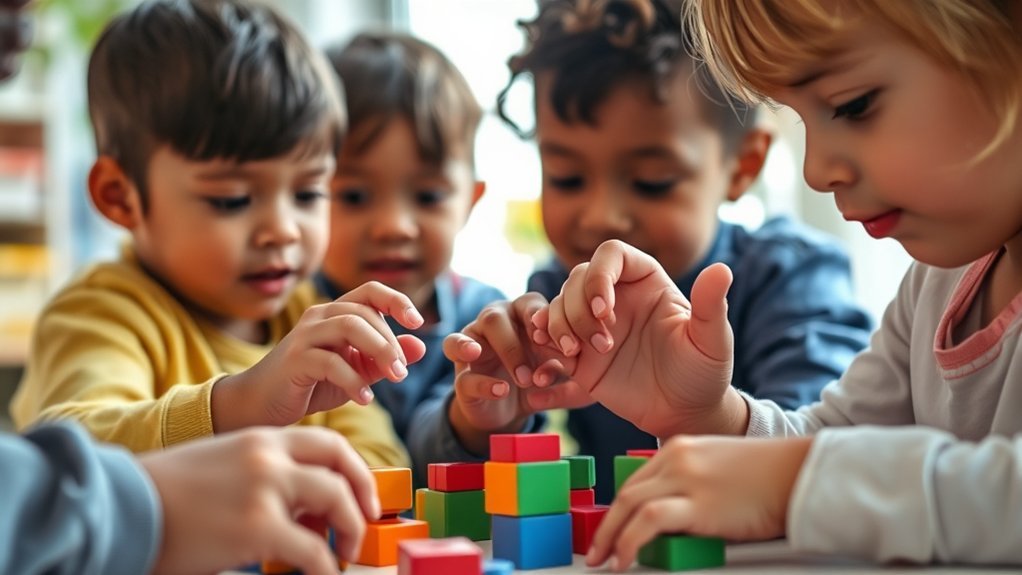
Did you know that the pincer grasp is a critical milestone in a child’s development? Understanding the causes and risk factors behind this skill can help you support children effectively. Factors like genetics, environment, and nutrition play significant roles in shaping fine motor abilities. As you explore these influences, you might uncover surprising elements that impact a child’s journey toward mastering the pincer grasp.
Understanding the Pincer Grasp Development Timeline
The pincer grasp typically develops between 8 to 12 months of age, marking a significant milestone in your child’s fine motor skills.
During this period, your little one begins to use their thumb and index finger to pick up small objects, which is vital for their ability to manipulate toys and self-feed.
You’ll notice them experimenting with different grasping techniques, which helps strengthen their hand muscles and coordination.
Encouraging activities like picking up small toys or finger foods can support this development.
Remember, each child grows at their own pace, so it’s essential to provide a safe, engaging environment where they can practice these skills.
If you have concerns about their progress, don’t hesitate to consult a pediatrician.
Genetic Influences on Fine Motor Skills
While you encourage your child’s pincer grasp development, it’s important to recognize that genetic factors also play a significant role in fine motor skills.
Research suggests that certain inherited traits can influence the coordination and dexterity needed for tasks involving the fingers. For example, if you or your partner have a history of fine motor skill challenges, your child might be predisposed to similar difficulties. Conversely, strong fine motor skills in the family may enhance their potential in this area.
Understanding these genetic influences can help you set realistic expectations and tailor your support to your child’s unique needs. Nurturing their skills, while being aware of genetic factors, can foster confidence and development in their fine motor abilities.
The Role of Environment in Skill Acquisition
Your environment plays an essential role in developing fine motor skills like the pincer grasp.
Home learning opportunities and social interactions can greatly enhance your child’s ability to master these skills.
Home Learning Opportunities
Creating an enriching home environment can greatly impact a child’s development of the pincer grasp. By providing age-appropriate toys that encourage grasping and manipulation, you’ll help your child strengthen their hand muscles and coordination.
Consider introducing items like soft blocks, chunky crayons, or textured balls, which promote exploration.
Engage your child in activities that require them to pick up small objects, such as sorting buttons or transferring dried beans between containers. These simple tasks can foster their fine motor skills, making the learning process fun and interactive.
Additionally, allow your child to participate in daily routines, like helping with meal prep. This involvement not only reinforces their skills but also boosts their confidence and independence, laying a solid foundation for future development.
Social Interaction Importance
Although many aspects of skill development occur through individual practice, social interaction plays an essential role in enhancing a child’s pincer grasp. Engaging with peers and caregivers provides opportunities for children to observe, imitate, and practice these critical motor skills in a supportive environment. This interaction fosters learning through play, enriching fine motor development.
| Social Interaction | Impact on Pincer Grasp |
|---|---|
| Peer Play | Encourages sharing and turn-taking |
| Parental Engagement | Offers guidance and support |
| Group Activities | Promotes cooperative tasks |
| Structured Learning | Provides focused skill practice |
| Social Feedback | Reinforces learning and confidence |
Impact of Nutrition on Cognitive and Motor Development
Nutrition plays an important role in your child’s cognitive and motor development. Nutrient deficiencies can hinder their growth and skill acquisition, making a balanced diet essential.
Additionally, omega fatty acids are essential for brain health and can greatly impact your child’s ability to perform tasks like the pincer grasp.
Nutrient Deficiencies Impact Development
When a child experiences nutrient deficiencies, it can greatly hinder their cognitive and motor development. Proper nutrition is essential during formative years, as it directly influences their ability to learn and develop skills.
Here are some key impacts of nutrient deficiencies:
- Impaired brain function: Insufficient vitamins and minerals can affect memory and attention span.
- Delayed physical milestones: Lack of nutrients may slow down motor skills, like grasping and coordination.
- Behavioral issues: Nutritional gaps can lead to irritability and difficulty in social interactions.
- Lower academic performance: Cognitive deficits can result in challenges in school, affecting overall learning.
Addressing these deficiencies early on can help support your child’s growth and enhance their potential for success.
Role of Omega Fatty Acids
As you consider your child’s development, it’s essential to recognize the significant role omega fatty acids play in supporting both cognitive and motor skills.
These fundamental fats, particularly omega-3 fatty acids, contribute to brain health, promoting neural connectivity and cognitive function. Research indicates that adequate intake of omega fatty acids can enhance attention, memory, and overall learning abilities in young children.
Moreover, these fats support fine motor development, important for skills like the pincer grasp. Incorporating sources like fatty fish, flaxseeds, and walnuts into your child’s diet can provide these necessary nutrients.
The Importance of Early Childhood Education
Early childhood education plays an essential role in shaping a child’s development, as it lays the foundation for lifelong learning and social skills.
By engaging in quality early education, you help your child thrive in several ways:
- Cognitive Development: It boosts critical thinking and problem-solving skills.
- Social Skills: Your child learns to interact with peers, fostering teamwork and empathy.
- Emotional Growth: Early education nurtures self-regulation and resilience.
- Language Development: It enhances vocabulary and communication skills, preparing your child for future academic success.
Investing in early childhood education not only benefits your child now but sets the stage for a brighter future.
You’re giving them the tools they need to navigate life’s challenges with confidence and competence.
Socioeconomic Factors Affecting Development
Socioeconomic factors profoundly influence a child’s development, shaping opportunities and experiences from an early age.
Children from lower-income families often face limited access to resources like quality healthcare, nutritious food, and educational materials. This can hinder their physical and cognitive growth, including the development of fine motor skills essential for tasks such as the pincer grasp.
You may notice that children in more affluent households often receive richer learning experiences, from interactive play to structured learning environments, which can foster skill acquisition.
Additionally, parental stress related to financial instability can affect emotional support, further impacting development.
Recognizing these disparities is vital in addressing the needs of all children, ensuring that every child has a fair chance to thrive.
Strategies to Encourage Pincer Grasp Development
Encouraging the development of a pincer grasp is essential for enhancing fine motor skills in young children. You can support this growth through fun and engaging activities that promote hand coordination.
Here are some strategies to take into account:
- Play with small objects: Use items like beads, buttons, or cereal that your child can pick up and manipulate.
- Incorporate finger foods: Encourage self-feeding with foods like cut-up fruits or small crackers to practice grasping.
- Engage in arts and crafts: Provide materials like crayons or playdough that require pinching and squeezing.
- Read together: Use interactive books with flaps or textures that motivate your child to use their fingers.
These activities not only promote the pincer grasp but also foster bonding and learning.
Frequently Asked Questions
What Age Should a Child Typically Develop a Pincer Grasp?
Typically, a child develops a pincer grasp around 9 to 12 months. During this stage, you can encourage their fine motor skills by providing small objects for them to pick up and explore safely.
Are There Specific Toys That Help Develop the Pincer Grasp?
Yes, specific toys like stacking blocks, small beads, or playdough can enhance your child’s pincer grasp. These engaging tools not only promote fine motor skills but also make learning enjoyable and interactive.
Can Premature Birth Affect Pincer Grasp Development?
Yes, premature birth can affect pincer grasp development. Babies born early might experience delays in motor skills, making it important for you to provide support and engaging activities to encourage their fine motor development as they grow.
How Can Parents Assess Their Child’s Pincer Grasp Skills?
You can assess your child’s pincer grasp skills by observing their ability to pick up small objects, like cereal pieces, using their thumb and forefinger. Encourage practice with safe, varied items to enhance their dexterity and coordination.
What Signs Indicate a Delay in Developing the Pincer Grasp?
If a child isn’t using their thumb and index finger to pick up small objects by 12 months, it might signal a delay. Observing their grip strength and coordination can help you assess their development.
Conclusion
In nurturing your child’s pincer grasp, you’re not just fostering fine motor skills; you’re shaping their future. Like a delicate seedling reaching for sunlight, each small step in development is essential. By recognizing the influences of genetics, environment, and nutrition, you can provide the rich soil that encourages growth. With your support, your child can flourish, mastering not only the pincer grasp but also the countless skills that will help them navigate the world with confidence.
