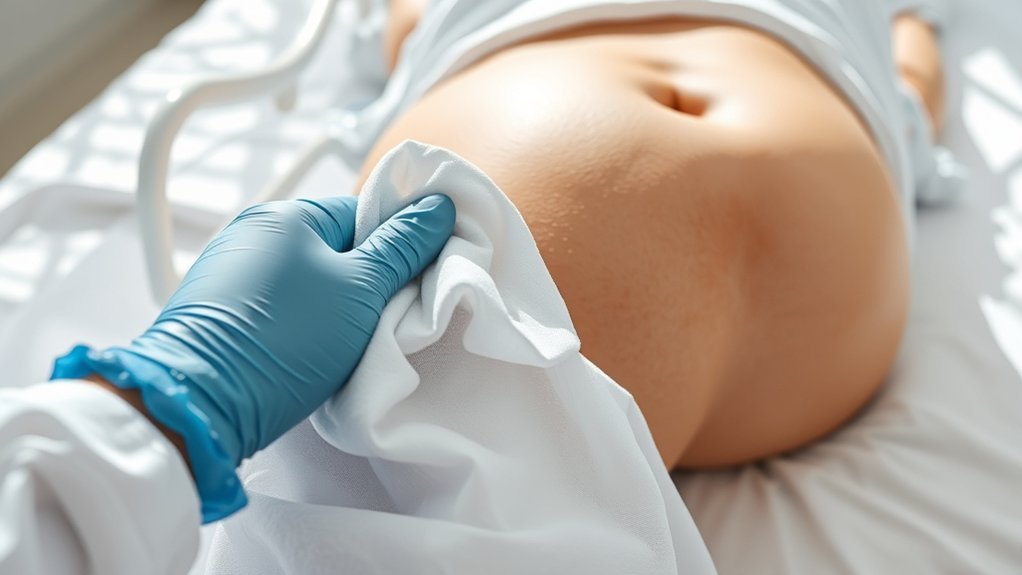
Perineal care is more than a routine hygiene task. Done correctly, it prevents infections and keeps patients comfortable, particularly those with limited mobility or specific health conditions. This guide covers the supplies you need, step-by-step procedures for both females and males, and special considerations for patients with unique needs.
Quick Answer
- Perineal care involves cleaning the anal and genital regions using warm water and mild soap.
- For females, always wipe front to back. For males, clean the inner thighs first, then move to the genital area.
- Use a separate washcloth for each area, wear gloves, and dry the skin thoroughly after cleaning.
- Perform care at least once daily, or more often for incontinent and postoperative patients.
Understanding Perineal Care
Perineal care focuses on cleaning the anal and genital regions to reduce the risk of infections like urinary tract infections (UTIs) and skin breakdown. This practice matters most for people with limited mobility, postoperative patients, and those who are incontinent, all of whom may need more frequent attention.
Use warm water and mild soap for cleaning, and always wipe from front to back in females to lower infection risk. Dry the area thoroughly afterward to prevent moisture-related skin problems.
Always use separate washcloths for different areas to avoid cross-contamination, and wear gloves throughout the procedure to maintain infection control.
Importance of Hygiene in Perineal Care
Proper perineal hygiene helps prevent urinary tract infections and skin infections, especially for those with limited mobility or incontinence. Regular perineal cleansing also protects against skin breakdown, pressure ulcers, and irritation, which is a particular concern in older adults with more fragile skin.
Warm water and mild soap clean effectively while keeping the patient comfortable. Wiping front to back reduces the risk of contamination. Understanding why this care matters helps caregivers approach it with the attention and respect it deserves.
Supplies Needed for Perineal Care
Before starting, gather everything you need so the process goes smoothly. Here is what to have on hand:
- A basin filled with warm water and mild soap
- Four washcloths, each assigned to a specific area: labia, vaginal area, buttocks, and rectal area
- A towel for drying afterward
- Gloves to maintain hygiene and prevent cross-contamination
- A waterproof pad placed under the resident’s buttocks to protect bedding
- A linen bag or hamper for soiled items
Having everything within reach before you begin keeps the procedure efficient and reduces discomfort for the patient.
Step-by-Step Procedure for Female Perineal Care
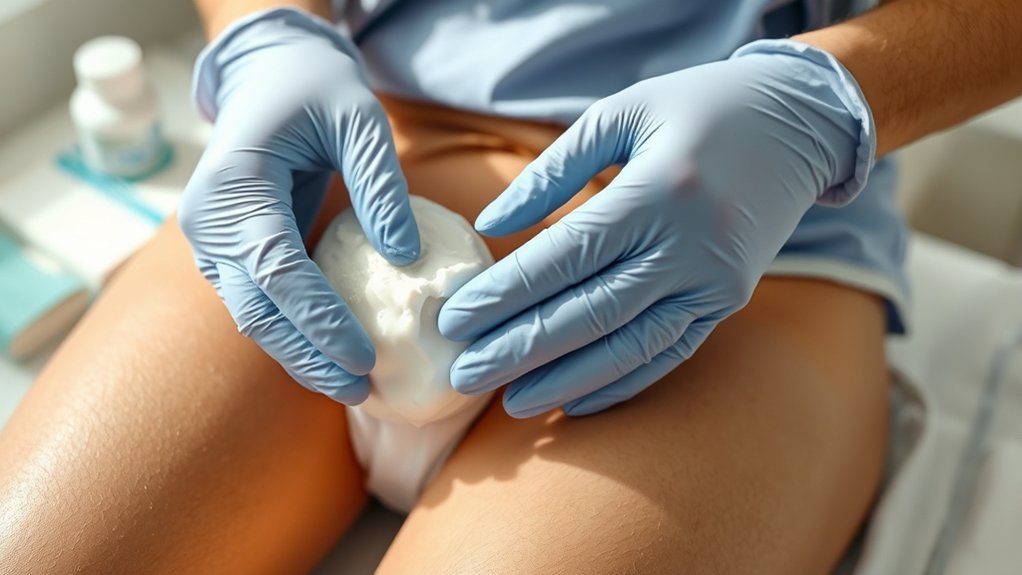
A consistent, systematic approach is the best way to prevent contamination and keep the patient comfortable.
Start by positioning the patient supine with knees flexed and slightly apart. Use a bath blanket to protect privacy throughout the procedure.
For perineal cleaning, use a clean washcloth to gently wipe from the outer labia to the inner labia and down to the vaginal opening. Use a fresh section of cloth for each stroke to prevent contamination.
Rinse with warm water, making sure all soap is removed to avoid irritation. Pat the area dry with a soft towel.
Inspect the skin for any signs of redness, swelling, or breakdown, and document your findings. Routine monitoring can identify problems early and significantly support overall health and wellness.
Dispose of used materials properly and perform hand hygiene once the procedure is complete.
Step-by-Step Procedure for Male Perineal Care
Position the patient supine with knees slightly flexed and hips rotated outward for easier access.
Begin by using a soapy washcloth to clean the upper inner thighs. Move to the genital area and clean the penis thoroughly, including the glans. If the patient is uncircumcised, gently retract the foreskin to clean underneath it properly.
Use a fresh washcloth with clean water to rinse each area, reducing the risk of contamination. Pat the area dry to prevent moisture-related skin issues.
Dispose of used materials and wash your hands thoroughly after the procedure to maintain infection control.
Special Considerations for Incontinent and Postoperative Patients
Incontinent and postoperative patients need more frequent perineal care and closer skin monitoring. Use barrier creams to protect the skin, and watch for early signs of irritation or infection, since catching problems early has a significant effect on recovery.
Hygiene Frequency
For patients with fecal incontinence or indwelling catheters, perineal care should happen multiple times a day to prevent skin breakdown and infection. A consistent schedule, ideally every 12 hours, helps maintain skin integrity and overall comfort.
Postoperative patients, especially those recovering from pelvic or urological surgeries, need diligent care to support healing and reduce infection risk.
Skin Protection Strategies
Incontinent and postoperative patients face a higher risk of perineal skin damage. These strategies help protect the skin and support healing:
- Frequent Care: Perform perineal care at least twice daily to limit exposure to moisture and waste.
- Barrier Cream: Apply a barrier cream, especially in skin folds, to reduce the risk of moisture-related skin damage.
- Regular Assessments: Check the perineal area regularly for redness, irritation, or signs of infection so problems are caught early.
- Cleansing Cloths: Use prepackaged cleansing cloths to improve cleanliness and reduce contamination risk, particularly for uncircumcised patients.
Best Practices for Infection Control in Perineal Care
Strict hand hygiene is the foundation of safe perineal care. Wash your hands thoroughly before and after each procedure to reduce the risk of cross-contamination. Always wear disposable gloves to protect both you and the patient.
Use warm water and mild soap for cleaning. Avoid basin washes when possible, as standing water can introduce bacteria. Prepackaged cleansing wipes designed for perineal care help maintain consistency and lower contamination risks.
Inspect the perineal area regularly for signs of inflammation or irritation. Document any abnormalities so issues are addressed promptly.
Frequently Asked Questions
How to Do Perineal Care Step by Step?
Gather your supplies, wash your hands, and position the patient appropriately. Clean the area thoroughly, moving front to back for females or from the inner thighs to the penis for males. Rinse, dry, and document any findings before disposing of used materials.
What Are General Guidelines for Perineal Care?
Clean daily using warm water and mild soap, always wiping front to back for females. Confirm comfort and privacy throughout, dry gently, and note any abnormalities to maintain hygiene and monitor for problems.
How to Do a Perineal Massage Step by Step?
Wash your hands, then apply lubricant to the perineum. Gently insert fingers and massage in circular motions for 5 to 10 minutes, staying attentive to comfort throughout the process.
When Giving Perineal Care as a CNA?
Clean the area gently using warm water and mild soap, always wiping front to back, while maintaining the patient’s privacy and dignity. Inspect for any signs of irritation and document your findings.
Conclusion
Proper perineal care protects skin, prevents infection, and preserves patient dignity. Following the steps outlined here and staying consistent with hygiene practices goes a long way toward maintaining comfort and health. Attention to this often-overlooked area of care makes a real difference, both for patients and for those supporting them.
