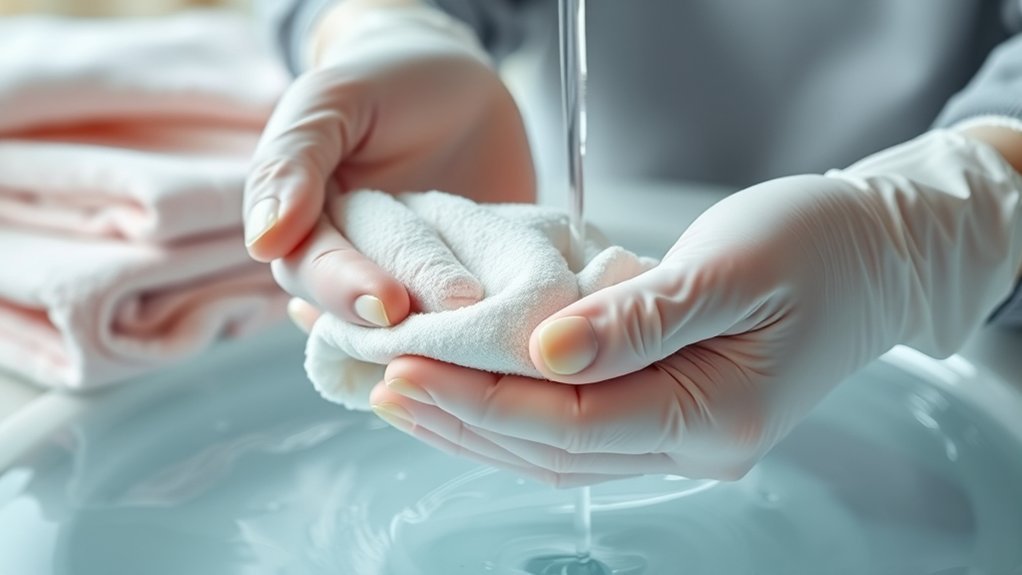
Perineal care is vital for your comfort and health, especially during the postpartum period. Maintaining proper hygiene can prevent infections and promote healing. You’ll want to establish an effective washing routine and pay attention to daily care tips to keep irritation at bay. Monitoring for any signs of infection early can make a real difference in how smoothly your recovery goes.
Quick Answer
- Wash your perineal area at least twice daily with warm water and mild, fragrance-free soap.
- Change maternity pads every four hours and always wipe front to back.
- Use a peri bottle with warm water for gentle cleansing after using the bathroom.
- Watch for redness, swelling, unusual odor, or increased pain, and contact your healthcare provider if any appear.
- Wear breathable clothing and use barrier creams to reduce irritation and moisture buildup.
Importance of Perineal Hygiene
The postpartum period leaves your body more vulnerable to infections like urinary tract infections (UTIs) and vaginal infections. Good perineal hygiene directly reduces that risk.
Washing the perineal area at least twice daily with warm water and mild soap significantly decreases bacterial growth. Proper care also reduces irritation and supports overall healing after childbirth.
Regularly changing maternity pads every four hours helps prevent moisture buildup. Always wipe from front to back after urination to keep bacteria away from the vaginal area.
Neglecting these basics can lead to complications, so consistent perineal hygiene is a key part of routine postpartum care.
Effective Washing Routine
Establishing a consistent washing routine is one of the most practical steps you can take for comfort and healing during the postpartum period. Aim to wash or shower at least twice daily using warm water to soothe this sensitive area.
Avoid harsh soaps or fragrances. Choose mild, fragrance-free options that won’t irritate healing tissue. When cleansing, wipe gently from front to back to reduce the spread of bacteria, especially if you have stitches or soreness.
A peri bottle filled with warm water can make cleaning much easier and more comfortable, particularly after urination or bowel movements. You can find these at most pharmacies or request one from your hospital before discharge.
Keep an eye out for any signs of infection, such as increased pain or unusual discharge. If you notice anything concerning, contact your healthcare provider promptly. For general postpartum recovery guidance, March of Dimes offers a helpful overview of what to expect.
Daily Care Tips for Comfort
The postpartum period often comes with real physical discomfort, but a few consistent daily habits can make a big difference.
Wash or shower at least twice daily to keep your perineal area clean and lower infection risk. Change your maternity pads every four hours to prevent bacteria from building up.
After using the bathroom, use a peri bottle filled with warm water to gently cleanse the area, especially if you have soreness or stitches. Once postpartum bleeding decreases, allow your perineum to air out for short periods to reduce moisture buildup.
Staying well-hydrated helps dilute urine and lessens discomfort during urination.
Staying hydrated is crucial for easing discomfort during urination and promoting overall recovery.
If you notice anything unusual or have concerns about how your body is healing, reach out to your healthcare professional without delay.
Sitz Baths and Cold Therapy for Pain Relief
Two of the most effective and well-documented tools for postpartum perineal pain relief are sitz baths and cold packs. Both are widely recommended by healthcare providers and are simple to use at home.
A sitz bath involves soaking your perineal area in a few inches of warm water for 10 to 20 minutes, two to three times per day. You can use a basin that fits over the toilet or a clean bathtub. Warm water increases blood flow to the area and helps reduce soreness and swelling. No soap or additives are needed.
Cold therapy works best in the first 24 hours after birth. Applying an ice pack or a chilled perineal pad to the area for 10 to 20 minutes at a time can reduce swelling and numb pain. Wrap any ice pack in a clean cloth to avoid direct contact with skin.
Talk to your midwife or doctor about which approach is best for your specific situation, especially if you have stitches.
Monitoring for Signs of Infection

Early detection of infection can significantly change the course of your postpartum recovery. Check your perineal area regularly and watch for these warning signs:
- Redness – Any area that appears unusually red.
- Swelling – Increased swelling that doesn’t begin to subside after a few days.
- Lesions – New lesions, rashes, or sores that develop.
- Unusual Odors – Strange odors or unexpected changes in postpartum bleeding.
Report increased pain, fever, or persistent discomfort to your healthcare provider right away.
Regular follow-up appointments give your provider a chance to catch potential issues early. Keeping a simple log of your symptoms between visits can also help you track your recovery and give your provider useful information.
Utilizing Protective Products
Using the right protective products can make a meaningful difference in your postpartum recovery.
Start with hypoallergenic barrier creams or moisturizers to protect skin integrity and prevent irritation. Prepackaged perineal cleansing cloths can be especially helpful during peri-care, as they reduce contamination risk and make the process more consistent.
Choose maternity pads designed specifically for postpartum use. They should be highly absorbent, and you should change them regularly to minimize infection risk. A peri bottle filled with warm water provides gentle cleansing after urination and soothes the perineal area.
Wear breathable clothing made from natural fibers to improve air circulation and prevent moisture buildup. Additionally, consider seeking support through local breastfeeding drop-in centers to help with any postpartum challenges you may face.
Frequently Asked Questions
What Does Good Perineal Care Prevent?
Good perineal care prevents urinary tract infections, minimizes the risk of abscesses, and reduces the chances of vaginal infections. It also supports pelvic floor health, alleviates discomfort, and aids in proper healing during recovery.
How to Prevent Perineum?
To prevent perineum issues, cleanse gently with warm water and mild soap daily, change pads regularly, maintain hand hygiene, and let the area air-dry. Wear breathable clothing to reduce moisture and irritation.
What Infection Prevention Measures Should You Take When Providing Perineal Care?
When providing perineal care, always wash your hands, use clean wipes, and clean from front to back. Regularly check for signs of infection, and don’t hesitate to report any concerns to your healthcare provider.
What Can I Put on My Perineum to Prevent Tearing?
You can use vitamin E oil, almond oil, or olive oil on your perineum to enhance elasticity and reduce tearing risk. Regular massage with these oils can significantly help prepare your body for childbirth.
Conclusion
Proper perineal care plays a central role in your comfort and health after birth. A notable share of new mothers experience complications tied to perineal hygiene, which makes consistent habits worth taking seriously. Washing regularly, changing maternity pads, and watching for signs of infection can significantly reduce your risk. Protective products like barrier creams help keep irritation at bay. Staying on top of this care supports healing and contributes to your overall well-being during this important time.