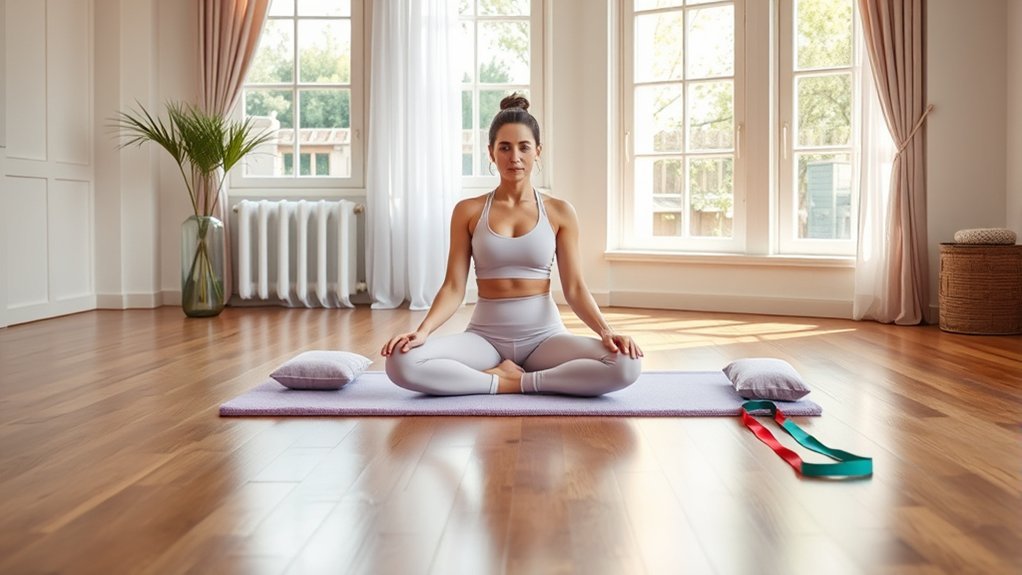
Many people wonder if strengthening pelvic floor muscles can truly make a difference in their overall well-being. The truth is, these muscles play a vital role in various bodily functions and can benefit from focused recovery efforts. By understanding how to engage and strengthen them, you can enhance your physical health and comfort. So, what steps should you take to effectively support your pelvic floor recovery?
Understanding Pelvic Floor Muscles
The pelvic floor muscles are vital for your overall pelvic health, providing support to key organs like the bladder, uterus, and bowels.
When these muscles weaken, you may experience issues such as urinary incontinence and pelvic organ prolapse, which can affect anyone, regardless of gender.
Strengthening the pelvic floor muscles is fundamental for improving bladder and bowel control and enhancing sexual function.
You might notice symptoms like chronic pelvic pain or difficulty with bowel control, signaling the need for targeted rehabilitation.
By incorporating regular strengthening and relaxation techniques, you can promote better core stability, improve posture, and contribute to your overall well-being.
Taking care of your pelvic floor muscles helps guarantee a healthier, more comfortable life. Additionally, comprehensive care offered by specialists can play a crucial role in your recovery journey.
How to Perform Kegel Exercises
When you’re ready to strengthen your pelvic floor, Kegel exercises are an effective and simple way to get started.
To identify your pelvic floor muscles, try stopping the flow of urine midstream or pretend you’re holding in gas. Once you’ve located the right muscles, tighten them as if lifting a marble upward. Hold the contraction for 3-5 seconds, then relax for the same duration.
Identify your pelvic floor muscles by stopping urine flow or imagining holding in gas, then tighten and lift them upward.
Aim for three sets of 10-15 repetitions daily, gradually increasing the hold time as your strength improves. Focus solely on your pelvic muscles—avoid tension in your abdomen, thighs, or buttocks. Remember to breathe freely throughout. Consistent practice can greatly improve bladder control and reduce urinary incontinence, so don’t hesitate to consult a healthcare professional for guidance. Additionally, consider how breastfeeding support can positively influence your overall recovery and well-being.
Incorporating Kegel Exercises Into Daily Life
Incorporating Kegel exercises into your daily life is easier than you might think, as these workouts can be done anytime and anywhere without anyone noticing.
Aim for three sets of 10 to 15 contractions each day, gradually increasing your hold time from 3 seconds to 10 seconds as your pelvic floor strength improves.
To establish a consistent practice, set reminders or associate Kegels with daily tasks like brushing your teeth.
Focus on isolating your pelvic floor muscles, avoiding engagement of your abdomen, thighs, or buttocks for maximum effectiveness.
Tracking your progress in a journal can help monitor improvements in pelvic strength and urinary incontinence.
If you encounter difficulties, consult a healthcare professional for guidance and support.
Benefits of Pelvic Floor Strengthening
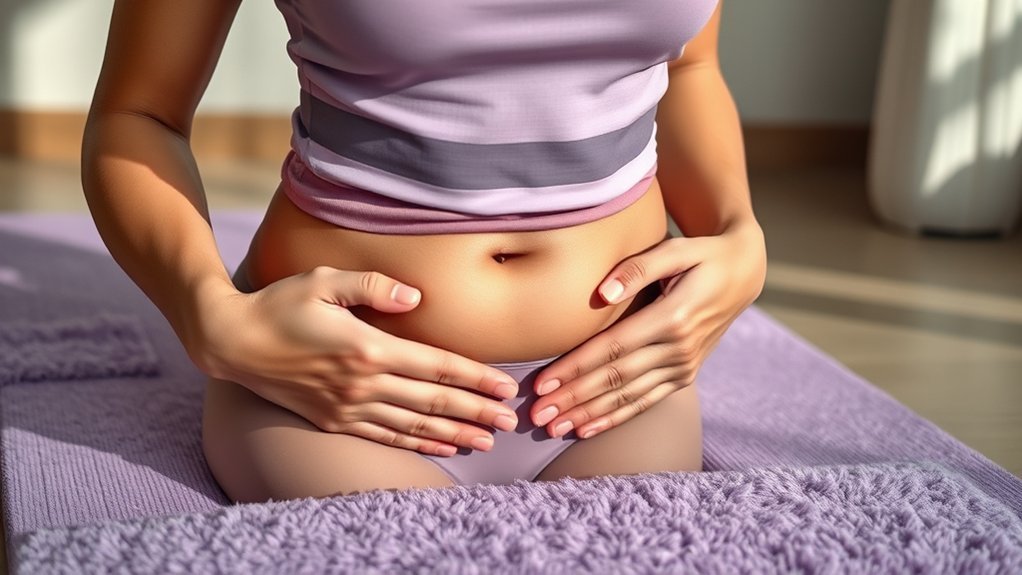
Strengthening your pelvic floor muscles brings a host of benefits that can greatly improve your quality of life.
Engaging in pelvic floor therapy helps you:
- Reduce urinary incontinence: Kegel exercises can alleviate symptoms in up to 80% of women with stress incontinence.
- Enhance sexual function: A stronger pelvic floor improves sensation and control, leading to more satisfying experiences.
- Prevent pelvic organ prolapse: Strengthening these muscles supports pelvic organs, affecting many women by age 50.
- Improve bowel control: Regular exercises can help manage fecal incontinence effectively.
When to Seek Professional Help
Are you unsure whether your pelvic health issues require professional attention?
If you’re experiencing chronic pelvic pain, urinary leakage, or bowel control problems that don’t improve with home exercises, it’s time to consult a healthcare provider.
Difficulty emptying your bladder or frequent urges to urinate can also signal the need for professional help.
Experiencing trouble emptying your bladder or constant urges to urinate? It’s time to seek professional help.
Persistent pain during intercourse or a feeling of heaviness in the pelvic area are other indicators that warrant evaluation.
Additionally, if you have conditions like interstitial cystitis, pudendal neuralgia, or pelvic organ prolapse, specialized care is essential.
Consulting a physical therapist who specializes in pelvic floor dysfunction can enhance your recovery and provide personalized strategies for managing urinary incontinence and other symptoms effectively.
Frequently Asked Questions
What Happens if I Do 100 Kegels a Day?
Doing 100 Kegels a day might lead to muscle fatigue and discomfort rather than improvement. It’s better to start with 10-15 per session, gradually increasing as your strength and technique develop. Consult a professional for guidance.
Is Walking Good for Pelvic Floor Recovery?
Yes, walking’s excellent for pelvic floor recovery. It boosts circulation, strengthens core muscles, and relieves tension. Aim for 30 minutes most days, gradually increasing intensity as you gain strength for maximum benefits.
How to Release Pelvic Floor Trauma?
Imagine you’re feeling chronic pelvic pain. To release pelvic floor trauma, try diaphragmatic breathing and gentle myofascial release techniques. These approaches relax your muscles, improve mobility, and can considerably reduce discomfort over time.
Conclusion
To summarize, prioritizing pelvic floor recovery is crucial for overall well-being. By understanding your pelvic floor muscles and incorporating Kegel exercises into your daily routine, you can strengthen these important areas effectively. Visualize your progress as a journey, where each step brings you closer to improved support and function. Remember, if you encounter challenges along the way, don’t hesitate to reach out to a healthcare professional for guidance. Your health and comfort are worth the investment.

