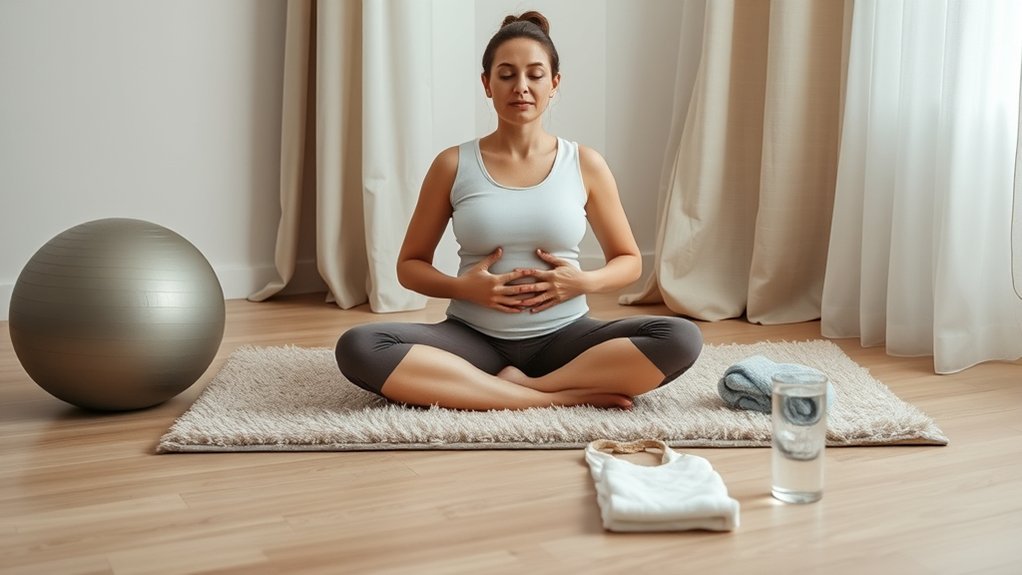
Understanding pelvic floor recovery is vital for your healing journey. You’ll want to focus on specific do’s and don’ts to support your recovery effectively. For instance, incorporating pelvic floor exercises into your routine can make a significant difference. However, there are activities you should definitely avoid to prevent setbacks. Let’s explore the essential guidelines you need to follow for ideal recovery and the key factors that can impact your progress.
Key Do’s for Effective Pelvic Floor Recovery
When you focus on effective pelvic floor recovery, incorporating specific strategies into your routine can make a significant difference.
Start exercising by performing pelvic floor exercises while lying on your back, ensuring better control. As you gain strength, gradually progress to more challenging positions.
Begin your pelvic floor exercises lying on your back for better control, then progress as your strength improves.
It’s essential to integrate these exercises into your daily routine—try doing them while watching TV or driving.
Remember to squeeze the pelvic floor muscles before and during sneezing, coughing, laughing, or lifting weights to maintain continence and support pelvic health.
Utilize “the Knack” technique during activities that increase intra-abdominal pressure to enhance muscle control.
Continue your exercise program even after reaching your goals to preserve strength and prevent future pelvic floor issues.
Important Don’ts to Avoid During Recovery
As you commence your pelvic floor recovery, it’s crucial to be mindful of certain actions to avoid.
Don’t perform pelvic floor exercises while urinating, as this can lead to pelvic floor dysfunction. Heavy lifting over 20 pounds and high-impact exercises should be avoided for at least six weeks post-major surgery to protect healing tissues.
If you experience increased vaginal bleeding, severe pain, or changes in bowel habits, seek medical attention immediately, as these may indicate complications.
Also, don’t underestimate the importance of rest; pushing through discomfort can hinder your recovery time.
Finally, avoid vaginal intercourse or inserting anything into the vagina for at least six weeks to promote proper healing of the pelvic floor and surrounding tissues. Supporting community involvement in maternal health can significantly enhance recovery efforts and outcomes.
The Role of Hydration and Nutrition
Recovery from pelvic floor issues isn’t just about avoiding certain activities; it also involves taking proactive steps to support your healing process. Proper hydration and nutrition play critical roles in your recovery. Aim for about 65 ounces (2 liters) of water daily to prevent constipation and keep stool soft. A balanced diet rich in high-fiber foods and protein is essential for tissue repair and overall well-being. Additionally, maintaining proper hydration is crucial for protecting against insect-borne diseases that can occur if your immune system is compromised.
| Nutritional Component | Benefits | Recommended Sources |
|---|---|---|
| Hydration | Prevents constipation | Water, herbal teas |
| High-Fiber Foods | Aids digestion | Fruits, vegetables, whole grains |
| Protein | Supports tissue repair | Lean meats, fish, legumes |
| Balanced Diet | Reduces complications | Variety of whole foods |
Avoid excessive caffeine and alcohol to promote ideal recovery.
Exercises to Strengthen the Pelvic Floor
Strengthening your pelvic floor is essential for enhancing muscle control and addressing issues like urinary incontinence and pelvic organ prolapse.
Incorporate these pelvic floor exercises, commonly known as Kegels, into your daily routine for maximum benefit:
- Short Squeezes: Perform 5-10 repetitions, squeezing for 1-2 seconds to build strength.
- Long Squeezes: Hold for 5-10 seconds, focusing on endurance; repeat several times.
- Consistency: Aim for daily practice, gradually increasing frequency as your strength improves.
Seeking Professional Support and Guidance
How can professional support enhance your pelvic floor recovery? Seeking professional guidance is crucial, especially if you’re dealing with urinary leakage, pelvic pain, or bowel issues—symptoms often linked to pelvic floor dysfunction.
A women’s health physiotherapist can provide a personalized assessment and teach pelvic floor exercises to guarantee you’re using the correct technique. They can also develop a tailored rehabilitation program focused on strengthening weak areas and preventing complications following childbirth or surgery. Additionally, engaging in comprehensive care from a top obstetric program can further support your recovery journey.
Regular follow-ups with healthcare providers will help monitor your recovery progress and adjust your rehabilitation plan as needed. By engaging in targeted therapy, you can identify risk factors and implement preventative measures to maintain peak pelvic health.
Don’t hesitate to seek support; it’s an essential part of your recovery journey.
Frequently Asked Questions
What Can You Not Do After Pelvic Floor Repair?
After pelvic floor repair, you can’t lift heavy objects, engage in high-impact exercises, have vaginal intercourse, or perform pelvic floor exercises while urinating. Avoid prolonged sitting or standing, and don’t ignore concerning symptoms.
What Should You Not Do With the Pelvic Floor?
Imagine your pelvic floor as a delicate garden; don’t water it while it’s flooded. Avoid excessive Kegels, heavy lifting, and pushing through pain. Listen to your body, and seek professional help for any troubling symptoms.
How to Heal the Pelvic Floor Quickly?
To heal your pelvic floor quickly, prioritize rest, stay hydrated, eat a fiber-rich diet, gradually introduce gentle exercises, and avoid heavy lifting. Short walks can enhance circulation, aiding your recovery process effectively.
How Soon Can I Drive After Pelvic Floor Repair?
You can usually drive 1-2 weeks after pelvic floor repair, but only if you feel confident and haven’t taken sedatives. Always check with your doctor if you experience complications or significant pain before resuming.
Conclusion
In your journey of pelvic floor recovery, it’s ironic how the simplest choices can have the biggest impact. By embracing the do’s and steering clear of the don’ts, you’re not just supporting your healing; you’re also fostering a stronger foundation for future activities. Remember, while it may seem tempting to rush back into high-impact exercises, patience is your best ally. Prioritize your recovery now, and you’ll thank yourself later for the progress you make.