By Baby Bubble Editorial Team
Last Updated: June 5, 2026
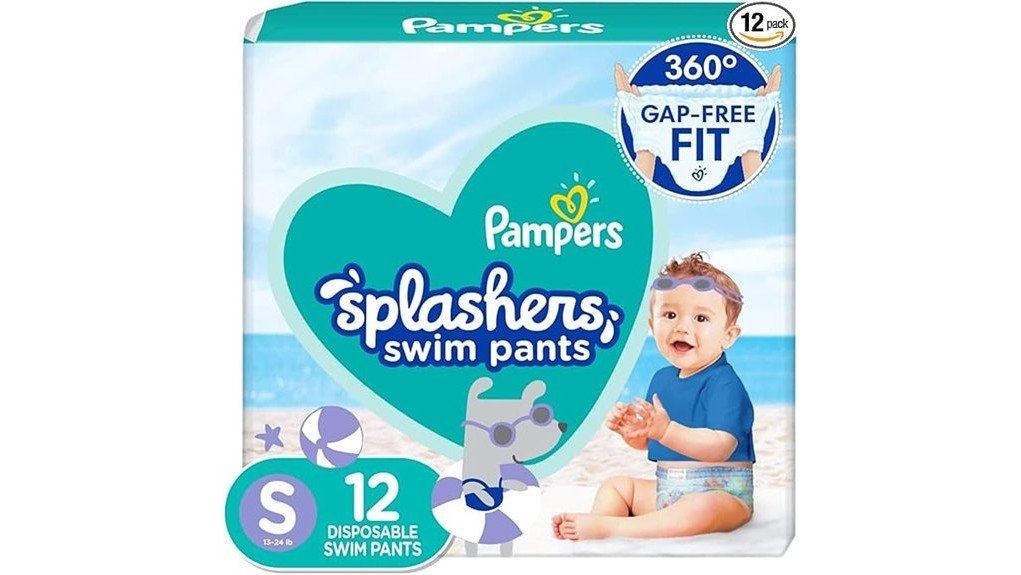
Pampers Splashers swim diapers are made for toddlers who need a light diaper for water play. They fit close around the waist and legs, and they do not swell like regular diapers in the pool. This makes them easier for toddlers to wear during swimming, splash pad visits, and beach play.
This review looks at how Pampers Splashers work, who they fit best, and what parents should know before buying. The product may have limited availability, so always check the current Amazon listing before purchase.
Verdict
Pampers Splashers Swim Diapers Review Verdict
Best for: Toddlers who need a disposable swim diaper for pools, splash pads, and beach play.
Main benefit: The diaper stays light in water and helps contain messes without swelling like a regular diaper.
Watch-out: Availability may be limited, so check the current listing and size options before buying.
Key Specs
| Specification | Detail |
|---|---|
| Brand | Pampers |
| Product | Pampers Splashers Swim Diapers |
| ASIN | B079K522W2 |
| Type | Disposable swim diaper |
| Best Use | Pools, splash pads, beach trips, and water play |
| Fit | Snug fit around the waist and legs |
| Water Design | Designed to stay light in water and avoid heavy swelling |
| Main Purpose | Containment during water play, not everyday diaper absorption |
| Use Type | Single-use disposable diaper |
| Availability Note | Availability may be limited. Check the current Amazon listing before buying. |
Key Takeaways
- Pampers Splashers are disposable swim diapers for pools, splash pads, and beach use.
- They fit close around the waist and legs to help them stay secure during water play.
- The lightweight design helps toddlers move without bulky swelling.
- They focus on containment in water, not regular diaper absorption.
- They are meant for single use after swimming or water play.
- Availability may be limited, so check the current listing before purchase.
What Are Pampers Splashers Swim Diapers?
Pampers Splashers Swim Diapers are disposable swim diapers made for toddlers during water activities. They are designed for swimming, splash pad play, and beach use.
Regular diapers absorb water and can become heavy. Pampers Splashers are different because they are made to stay light in water. This helps toddlers move more freely while playing.
The diaper is mainly for containment. It helps manage messes during water play, but it is not meant to work like an everyday absorbent diaper.
Who It Is For
Pampers Splashers may fit your needs if you want a simple disposable swim diaper for short water activities.
- Parents who need a swim diaper for pools or splash pads.
- Toddlers who need a light diaper that does not swell in water.
- Families who prefer quick cleanup after swimming.
- Caregivers who want a snug fit around the waist and legs.
- Beach or pool visitors who want a disposable option instead of cloth swim diapers.
Who Should Skip It
Pampers Splashers may not be the right choice for every family. You may want to skip them if you need a reusable diaper or a product for long dry wear.
- Skip them if you want a washable swim diaper.
- Skip them if you need an everyday diaper with strong liquid absorption.
- Skip them if the correct size is not available.
- Skip them if your child has irritation from the fit or material.
- Skip them if you need a product that is easy to find in all sizes.
How Do Pampers Splashers Fit Toddlers?
Pampers Splashers are designed to fit snugly around the waist and legs. This close fit helps the diaper stay in place during swimming and active water play.
| Fit area | Effect |
|---|---|
| Waist | Secure and flexible |
| Legs | Close and tidy |
| Overall feel | Lightweight |
| Movement | Easy during water play |
| Comfort | Practical for swimming |
Compared with a regular diaper, Pampers Splashers feel trimmer in water. Compared with loose swimwear, they give more coverage for water activities.
Key Features
Lightweight Water Design
Pampers Splashers are made to stay light during swimming. This matters because a regular diaper can absorb water and feel heavy fast.
The light feel helps toddlers sit, stand, walk, and splash with less bulk. This makes them more practical for pool and beach use.
Snug Waist and Leg Fit
The waist and leg areas are designed to fit close to the body. This helps the diaper stay in place while your toddler moves.
A snug fit is important for swim diapers because loose edges can shift during active play. You should still check the size before buying because fit can vary by child.
Made for Containment
Pampers Splashers focus on containment in water. They are not made to absorb liquid like a regular diaper.
This difference is important. Swim diapers help manage messes in water, but they should be changed often and checked during long outings.
Quick Cleanup
Disposable swim diapers are useful when you need fast cleanup after water play. You can remove the diaper after swimming and dispose of it.
This makes Pampers Splashers convenient for trips to the pool, water park, splash pad, or beach.
How Do They Work in Water?
In water, Pampers Splashers Swim Diapers are made to keep their shape and stay comfortable. They do not become bulky like regular diapers.
The diaper stays light enough for toddlers to move during splashing, swimming, and seated play. This can help your child feel less restricted in the water.
The fit also helps the diaper stay secure during active movement. Still, you should check the diaper often during long water sessions.
How Are They Different From Regular Diapers?
Regular diapers are made to absorb liquid. That design works for dry use, but it does not work well in a pool or splash pad.
Pampers Splashers are made for water use. They stay lighter because they do not swell the same way as regular diapers.
They stay lightweight when wet, helping little swimmers move naturally and stay secure in the water.
The main difference is purpose. A regular diaper is for absorption. A swim diaper is for containment during water play.
Real-World Use
Pampers Splashers are useful for short swim sessions and family water outings. They work best when you use them only during water play.
For a pool visit, put the swim diaper on shortly before your toddler enters the water. After swimming, remove it and change your child into a dry diaper or clean clothes.
For beach trips, pack extra swim diapers. Sand, water, and longer playtime can make frequent changes more important.
For splash pads, Pampers Splashers can be a simple choice because they are light and disposable. You should still check the diaper often, especially if your child plays for a long time.
Pros
- Disposable design makes cleanup simple after swimming
- Lightweight feel helps toddlers move more easily in water
- Snug waist and leg fit helps the diaper stay secure during active play
- Made for pools, splash pads, beaches, and water play
- Does not swell like a regular diaper in water
Cons
- Not made for everyday diaper absorption
- Single-use design may not suit families who prefer reusable swim diapers
- Availability and size options may be limited
- Fit can vary, so parents should check sizing before purchase
Is It Worth the Price?
Pampers Splashers can be worth considering if you want a simple disposable swim diaper for occasional water play. The value comes from convenience, light water use, and quick cleanup.
They may not offer the best value if you swim often and prefer a washable option. In that case, reusable swim diapers may make more sense over time.
Before buying, check the current Amazon page for pack size, size options, and availability. Do not rely on old listings because this product may be hard to find.
Where Can You Find Pampers Splashers Now?
Pampers Splashers may have limited availability, so shoppers should check the current Amazon listing before buying. Product listings can change, and some sizes may not be available.
When Splashers are not available, compare similar swim diaper options. Look at fit, size range, disposable or reusable design, and how easy the diaper is to change after swimming.
For families who need a diaper for the pool or beach, the safest step is to confirm the listing details before purchase.
Alternatives
If Pampers Splashers are not available in your child’s size, you can compare similar swim diaper options. Keep the focus on fit, water comfort, and cleanup.
- Current Pampers swim diapers: A good place to start if you want to stay with the same brand family.
- Disposable swim diapers from other baby-care brands: A practical option if you want single-use convenience.
- Reusable cloth swim diapers: A better fit for families who swim often and want a washable option.
Do not choose by brand name alone. Check the size chart, leg fit, waist fit, and use instructions before buying.
Frequently Asked Questions
Are Pampers Splashers Safe for Sensitive Skin?
They may suit some toddlers, but skin comfort can vary. If your child has sensitive skin, check the product details and watch for redness, rubbing, or discomfort after use.
What Sizes Did Pampers Splashers Come In?
Pampers Splashers came in multiple size options for young swimmers. Check the current listing before buying because available sizes may change or be limited.
Do Pampers Splashers Have Tear-Away Sides?
The original article notes that Pampers Splashers had tear-away sides for easier removal. Check the current Amazon listing or package details before buying because product designs can change.
Can Toddlers Wear Splashers for Long Beach Trips?
They are better for swimming and short water play than all-day wear. For longer beach trips, pack extras and change your toddler often.
Are Pampers Splashers Reusable After Swimming?
No. Pampers Splashers are disposable swim diapers. They are meant for single use after swimming or water play.
Do Pampers Splashers Replace Regular Diapers?
No. They are swim diapers, not everyday diapers. Use regular diapers for normal dry wear and Pampers Splashers only for water activities.
Final Verdict
Pampers Splashers Swim Diapers are a practical choice for toddlers who need a light disposable diaper for water play. They are designed to stay trim in water, fit close around the waist and legs, and help contain messes during swimming.
The main thing to remember is that they are not regular diapers. They are for pools, splash pads, beaches, and similar water activities. If you want a simple single-use swim diaper and the right size is available, Pampers Splashers are still worth checking.

