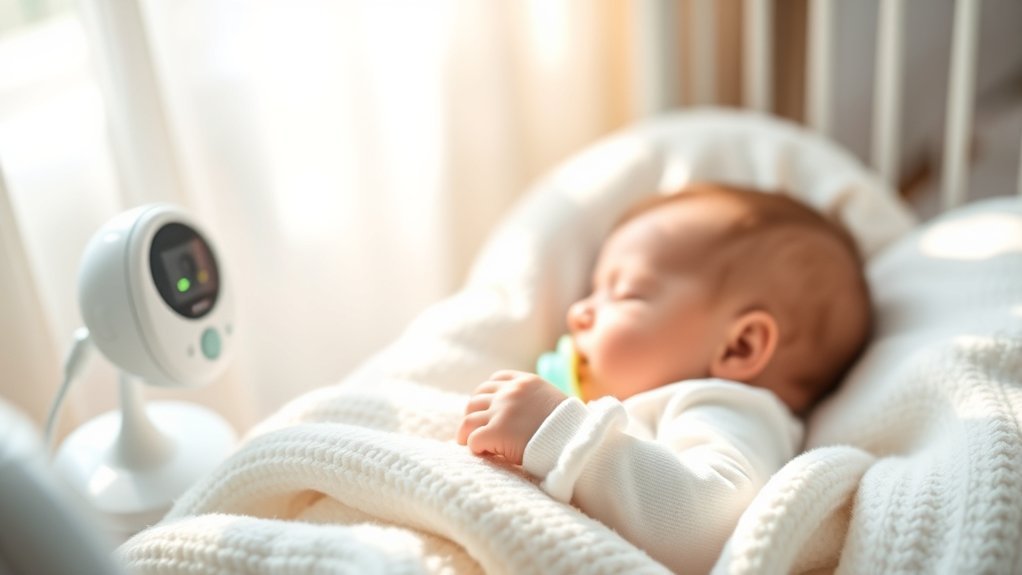
Pacifiers may help lower the risk of SIDS when they are used safely at naps and bedtime, but they should never replace the core rules of safe sleep. Your baby should still sleep on their back, on a firm, flat surface, with no loose blankets, pillows, bumpers, stuffed toys, or soft bedding in the sleep space. The goal is not just to use a pacifier, but to use it in a way that supports a safer sleep routine without creating new risks.
Quick Answer
A pacifier can be offered when placing your baby down for naps or nighttime sleep. Do not force it, do not attach it to strings or clips during sleep, and do not dip it in anything sweet. If it falls out after your baby falls asleep, you do not need to put it back in.
Key Takeaways
- Offer a clean, age-appropriate pacifier when placing your baby down for sleep.
- Always combine pacifier use with back sleeping, a firm flat mattress, and an empty crib or bassinet.
- Never attach a pacifier to a cord, ribbon, clip, stuffed animal, or clothing during sleep.
- If breastfeeding, consider waiting until feeding is going well before introducing a pacifier.
- Pacifiers are helpful, but they are not a substitute for safe sleep practices or medical advice.
Understanding SIDS and Its Risk Factors
When you become a parent, understanding Sudden Infant Death Syndrome (SIDS) and its associated risk factors is essential for your baby’s safety.
SIDS refers to the unexplained death of an otherwise healthy infant, usually during sleep. It is one type of sudden unexpected infant death. The exact cause is not always known, but several sleep and environment factors are linked with higher risk.
Research shows that certain factors increase the risk of SIDS, including placing your baby on their stomach or side to sleep, exposure to smoke, overheating, and sleeping on a soft or unsafe surface.
Babies are also at higher risk if they’re born prematurely or have a low birth weight. To reduce this risk, always place your baby on their back to sleep, use a firm mattress, and keep the crib free of soft bedding.
Staying informed empowers you to create a safer sleep environment for your child, promoting their well-being.
Warning: A pacifier should never be used to make an unsafe sleep setup feel safe. Avoid couches, armchairs, adult beds, pillows, loose blankets, crib bumpers, and inclined sleepers for routine infant sleep.
The Role of Pacifiers in Reducing SIDS Risk
While many parents seek effective ways to guarantee their baby’s safety during sleep, research indicates that using pacifiers can play a helpful role in reducing the risk of SIDS. The exact reason is not fully proven, but experts believe pacifier use may help support safer sleep in several ways.
Studies suggest that pacifiers may help maintain an open airway, promote stable breathing patterns, and keep the baby from settling into a very deep sleep state. The act of sucking may also help babies stay more responsive during sleep.
Pacifier use should be viewed as one protective step, not the only step. Back sleeping, a firm flat sleep surface, room-sharing without bed-sharing, avoiding smoke exposure, and keeping the sleep space empty remain essential.
Here’s a quick summary of the benefits:
| Benefit | Explanation | Evidence Source |
|---|---|---|
| Airway Maintenance | May help keep the airway more open during sleep | Pediatric sleep safety research |
| Lighter Sleep State | May encourage lighter sleep and better responsiveness | Pediatric safe sleep guidance |
| Lower SIDS Risk Association | Linked with fewer SIDS cases when used during sleep | AAP and safe sleep recommendations |
Recommended Guidelines for Pacifier Use
Using pacifiers can be an effective way to reduce the risk of SIDS, but it’s important to follow certain guidelines to maximize their benefits and avoid preventable hazards.
First, offer a pacifier when placing your baby down for sleep time, including naps and bedtime. The protective effect is connected with sleep-time use, so it does not need to be used all day.
Make certain the pacifier is clean and free of any harmful substances. Choose an age-appropriate pacifier with a shield that is wide enough that the whole pacifier cannot fit into your baby’s mouth.
Avoid attaching the pacifier to your baby’s crib, clothes, hand, neck, or sleep sack, as this can pose a strangulation or choking risk. Do not use pacifier cords, ribbons, clips, or stuffed animals during sleep.
It’s best to wait until breastfeeding is well-established before introducing a pacifier, typically around 3-4 weeks, unless your pediatrician or lactation consultant gives you different advice. If your baby doesn’t want the pacifier, don’t force it.
Finally, begin thinking about weaning after your baby’s first birthday, especially if pacifier use becomes constant during the day. Many children can continue limited pacifier use for comfort, but long-term or heavy use may affect teeth, bite alignment, and speech development. Following these guidelines helps you use pacifiers safely and effectively.
Pro Tip: Keep two or three clean pacifiers ready near the sleep area, but never inside the crib with strings, clips, or stuffed attachments. This makes bedtime easier without adding unsafe items to the sleep space.
When to Introduce a Pacifier
Have you considered the right timing for introducing a pacifier? For breastfed babies, many experts suggest waiting until breastfeeding is well established, usually around three to four weeks. This approach helps avoid early feeding problems and gives your baby time to learn a strong latch.
For formula-fed babies, a pacifier may be introduced earlier if your baby accepts it and your pediatrician has no concerns. The key is to use it for soothing and sleep, not as a way to delay needed feeding.
Pay attention to your baby’s cues; if they show a strong need to suck beyond feeding times, a pacifier might be beneficial.
Additionally, introducing a pacifier during sleep times can provide comfort and may even reduce the risk of Sudden Infant Death Syndrome (SIDS).
However, it’s important to offer it consistently but not forcefully. Remember, every baby is unique, so trust your instincts and consult with your pediatrician if you have concerns about timing or pacifier use.
Your baby’s well-being always comes first.
How to Choose a Safer Pacifier
Choosing the right pacifier matters because babies explore with their mouths and can damage or outgrow pacifiers quickly. Look for a simple design that is easy to clean and made for your baby’s age range.
- Choose the right size: Use a newborn, 0-3 month, 3-6 month, or older-infant size based on the package directions.
- Look for a one-piece design: One-piece pacifiers may reduce the risk of small parts separating.
- Check the shield: The shield should be wider than your baby’s mouth and have ventilation holes.
- Avoid added decorations: Skip pacifiers with loose gems, beads, cords, or novelty pieces.
- Inspect often: Replace pacifiers that are sticky, cracked, torn, swollen, discolored, or weakened.
Note: “Orthodontic” pacifiers may be shaped to support oral comfort, but no pacifier brand or nipple shape can guarantee SIDS prevention. Safe use matters more than marketing claims.
Common Mistakes to Avoid With Pacifiers
Many parents unknowingly make common mistakes when it comes to pacifier use that can impact their baby’s comfort and safety. One mistake is using pacifiers as a substitute for feeding. Babies may become confused, and parents may miss hunger cues, leading to feeding issues.
It’s also vital to avoid using pacifiers with attached items, like strings, ribbons, clips, or stuffed toys during sleep, as these pose choking and strangulation hazards. Additionally, don’t force your baby to take a pacifier if they show no interest; this can cause stress.
Be cautious about introducing pacifiers too late if your baby has a strong need to suck for soothing and sleep. At the same time, do not rely on a pacifier for every cry. Babies may need feeding, burping, a diaper change, warmth, comfort, or medical attention.
Finally, regularly inspect pacifiers for wear and tear to guarantee they remain safe. Replace damaged pacifiers right away, and never dip them in honey, sugar, syrup, or sweet liquids.
Tips for Safe Sleep Practices With Pacifiers
When it comes to safe sleep practices, incorporating pacifiers can be beneficial, but certain guidelines must be followed to secure your baby’s safety. Here are some tips to keep in mind:
| Tip | Details | Notes |
|---|---|---|
| Start using a pacifier | Introduce it at nap or bedtime | After breastfeeding is established if nursing |
| Leave it alone if it falls out | You do not need to put it back in after your baby is asleep | Avoid waking your baby unnecessarily |
| Choose the right size | Make certain it’s age-appropriate | Check manufacturer guidelines |
| Keep it clean | Wash and sanitize pacifiers regularly | Helps reduce germs |
Pacifier Do’s and Don’ts for SIDS-Safer Sleep
A simple do-and-don’t list can make pacifier use easier to follow during tired nights and busy days.
| Do | Don’t |
|---|---|
| Offer a pacifier when placing your baby down to sleep. | Do not force your baby to take it. |
| Use a clean, age-appropriate pacifier. | Do not use a damaged, sticky, cracked, or torn pacifier. |
| Keep the crib or bassinet empty. | Do not attach pacifiers to cords, clips, toys, or blankets during sleep. |
| Wash pacifiers often and replace them when worn. | Do not coat pacifiers with honey, sugar, syrup, or medicine unless prescribed. |
Cleaning and Replacing Pacifiers
Pacifiers touch your baby’s mouth many times a day, so cleaning is part of safe use. Follow the cleaning directions on the pacifier package because materials can vary.
For young babies, especially newborns, sterilizing pacifiers according to the manufacturer’s directions may be helpful. As babies get older, washing with warm soapy water and rinsing well is often enough unless the pacifier falls on a dirty surface.
Replace pacifiers every few weeks, or sooner if they show signs of damage. Pull gently on the nipple during inspection. If it feels weak, sticky, swollen, cracked, or torn, throw it away.
When to Call a Pediatrician
Most babies can use pacifiers safely, but some situations deserve personalized medical guidance. Call your pediatrician if your baby has poor weight gain, trouble feeding, repeated choking or gagging, breathing concerns, mouth sores, frequent ear infections, or a cleft palate or other oral difference.
You should also ask for guidance if pacifier use seems to interfere with breastfeeding, bottle-feeding, speech development, or sleep. Your pediatrician can help you decide whether to continue, limit, or wean pacifier use based on your baby’s needs.
Frequently Asked Questions
Can pacifiers cause dental issues in toddlers?
Yes, pacifiers can cause dental issues in toddlers if used heavily or for too long. They may lead to misaligned teeth, bite problems, or changes in the roof of the mouth. It’s wise to monitor usage and consult a pediatric dentist for guidance on weaning strategies.
Are there specific pacifier brands recommended for SIDS prevention?
No specific pacifier brand is recommended only for SIDS prevention. Choose a safe, age-appropriate pacifier from a reputable brand, follow the package directions, and avoid cords, clips, and stuffed attachments during sleep. Ask your pediatrician if your baby has feeding, breathing, or oral health concerns.
How often should a pacifier be replaced?
You should replace a pacifier every few weeks, or sooner if it shows signs of wear. A worn pacifier can collect germs or break apart, so check it often for cracks, tears, stickiness, swelling, discoloration, or weak spots.
Can breastfeeding and pacifier use coexist successfully?
Yes, breastfeeding and pacifier use can coexist successfully. Many parents introduce a pacifier after breastfeeding is well established, usually around three to four weeks, so it doesn’t interfere with latch, milk transfer, or feeding patterns.
Are there any alternatives to pacifiers for soothing infants?
Yes. You can try gentle rocking, skin-to-skin contact, swaddling when age-appropriate, soft singing, white noise, burping, feeding, or a diaper change. These methods can calm your infant and promote bonding without relying only on pacifiers for comfort.
Should I put the pacifier back in if it falls out while my baby sleeps?
No. If the pacifier falls out after your baby falls asleep, you do not need to put it back in. Offer it when placing your baby down for sleep, but do not wake your baby just to reinsert it.
Can I use a pacifier clip during naps or bedtime?
No. Pacifier clips, cords, ribbons, straps, and stuffed attachments should not be used during sleep because they can create choking, suffocation, or strangulation risks. Use a plain pacifier only.
Conclusion
In your journey to protect your baby from SIDS, the right use of a pacifier can be a helpful ally. But it should work alongside the basics: back sleeping, a firm flat mattress, an empty crib or bassinet, and a smoke-free environment.
Offer a clean pacifier at naps and bedtime, but do not force it, sweeten it, or attach it to anything during sleep. If your baby is breastfeeding, consider waiting until feeding is going well before introducing one. With calm, consistent habits, you can use pacifiers in a way that supports comfort while helping create a safer sleep environment.
Sources
- American Academy of Pediatrics HealthyChildren.org — safe sleep guidance for babies.
- NIH Safe to Sleep — SIDS and safe infant sleep education.
- CDC Sudden Unexpected Infant Death and SIDS — SUID and SIDS prevention information.
- U.S. Food and Drug Administration — pacifier safety information.

