Disclosure: As an Amazon Associate, we earn from qualifying purchases. If you click a link on this page and make a purchase, we may receive a small commission at no extra cost to you.
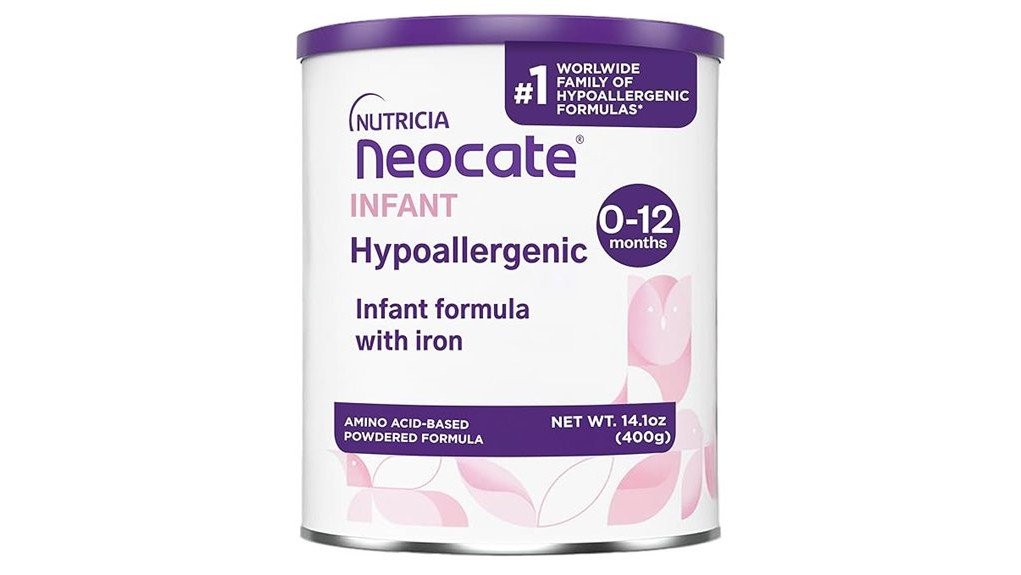
Choosing formula for a baby with suspected or confirmed milk protein allergy can feel stressful because the wrong option may worsen feeding problems, stool changes, reflux, or skin symptoms. Nutricia Neocate Infant DHA/ARA is a specialized amino acid-based infant formula made for dietary management when standard or hydrolyzed formulas are not suitable. This review helps you decide what it does well, where it has limits, and why medical guidance matters before you use it. Its biggest strength is the fully broken-down protein source, but cost, taste acceptance, and careful preparation are real considerations.
Quick Verdict
Rating: 8.4/10, Recommended with medical guidance
Best For: Infants 0 to 12 months who need an amino acid-based formula for cow milk allergy or related food-allergy feeding issues.
Bottom Line: Neocate Infant DHA/ARA is a serious, medically guided formula option for babies who cannot tolerate standard milk protein. It is not the cheapest or easiest-tasting formula, but its dairy-free amino acid design makes it worth considering when your clinician recommends this level of support.
| Specification | Detail |
|---|---|
| Brand | Neocate by Nutricia |
| Model | Neocate Infant DHA/ARA |
| Product type | Amino acid-based hypoallergenic infant formula powder |
| Age range | Infants from birth to 12 months |
| Formula design | 100% free amino acids instead of intact or partially hydrolyzed protein chains |
| Diet profile | Dairy-free and made in a milk protein-free facility |
| Added nutrients | DHA, ARA, and nucleotides |
| Can size | 400 g / 14.1 oz can |
| Standard dilution | 1 unpacked level scoop, 4.6 g, per 1 fl oz of water for 20 kcal/fl oz preparation |
| Approximate yield | One can makes about 97 fl oz when prepared as directed |
| Certifications noted | Kosher Pareve and Halal |
| Safety note | Use only under medical supervision and follow preparation instructions exactly |
| Storage note | Store in a cool, dry place and use within one month after opening |
Key Takeaways
- Neocate Infant DHA/ARA is an amino acid-based formula for infants 0 to 12 months who need dietary management for cow milk allergy or related food-allergy conditions.
- The formula uses free amino acids, not intact milk proteins, which helps reduce exposure to the protein structures that can trigger reactions in some infants.
- It includes DHA, ARA, and nucleotides, and it is designed to be nutritionally complete when used as directed for infants under one year.
- It is dairy-free, made in a milk protein-free facility, and listed as Kosher Pareve and Halal.
- The main drawbacks are cost, taste acceptance, seller package variation, and the need for strict medical and preparation guidance.
What Is Neocate Infant DHA/ARA?
Neocate Infant DHA/ARA is a powdered infant formula from Nutricia’s Neocate line. It is made for babies from birth through 12 months who need an amino acid-based feeding option for cow milk allergy, multiple food allergies, or related gastrointestinal and allergic feeding problems.
Unlike standard milk-based formula, Neocate Infant DHA/ARA does not rely on intact cow milk protein. Instead, it uses individual amino acids, the building blocks of protein. This makes it different from partially hydrolyzed or extensively hydrolyzed formulas, which still contain broken-down protein chains.
The formula is not a casual switch for fussiness or mild preference. It is a specialized formula that should be used with your baby’s healthcare team, especially if your baby has poor growth, blood in stool, severe eczema, reflux linked to allergy, or feeding intolerance.
Before You Buy: This formula should only be used under medical supervision. Do not switch to Neocate Infant DHA/ARA without guidance from your baby’s pediatrician, allergist, gastroenterologist, or dietitian.
What’s in Neocate Infant DHA/ARA?
The key feature is the 100% amino acid-based formula. For babies with confirmed cow milk allergy, this design avoids intact dairy proteins that may trigger symptoms. That is the main reason clinicians may recommend Neocate when standard formulas or some hydrolyzed formulas are not tolerated.
The formula also includes DHA and ARA, fatty acids commonly added to infant formulas, plus nucleotides. Neocate lists the product as dairy-free, made in a milk protein-free facility, and free from artificial colors, flavors, and sweeteners.
For preparation, the standard dilution is 20 kcal/fl oz when mixed as directed. The verified mixing ratio is 1 unpacked level scoop, 4.6 g, for each fluid ounce of water. One 400 g / 14.1 oz can makes about 97 fl oz of prepared formula, though your baby’s daily use will depend on age, weight, feeding plan, and medical condition.
How Does It Help With Cow Milk Allergy?
Neocate Infant DHA/ARA supports dietary management of cow milk allergy by removing intact cow milk protein from the formula. This matters because many allergic reactions are driven by the immune system responding to protein structures in milk.
Because Neocate uses free amino acids, it reduces exposure to those intact protein chains. That does not mean it cures allergy or guarantees symptom relief for every baby. It means the formula gives your clinician a more controlled nutrition option when food protein reactions are suspected or confirmed.
Some caregivers notice changes within the first few days, while others need more time. A medical team may ask you to monitor stool, spit-up, rash, feeding comfort, growth, and hydration during the transition.
Who Should Buy It?
Best For
- Babies 0 to 12 months with clinician-diagnosed cow milk allergy.
- Infants who do not tolerate standard formula or some hydrolyzed formulas.
- Families who need a dairy-free, amino acid-based formula with medical oversight.
Skip If
- Your baby has not been evaluated and only has mild, occasional fussiness.
- You need the lowest-cost formula and your clinician says a less specialized option is suitable.
- Your baby refuses the taste and your care team recommends another feeding plan.
Formula Design and Allergy Management
The strongest reason to choose Neocate Infant DHA/ARA is its amino acid base. A baby with cow milk allergy may still react to formulas that contain intact or partly broken-down proteins. Neocate goes further by using amino acids rather than longer protein chains.
This makes it a more specialized option than many hypoallergenic formulas. For some babies, that can help reduce feeding-related allergy triggers. For others, symptoms may come from another cause, so your clinician should guide diagnosis and follow-up.
Nutrition and Growth Support
Neocate Infant DHA/ARA is designed to be nutritionally complete for infants under one year when prepared and used as directed. It provides protein equivalent from amino acids, carbohydrate, fat, vitamins, and minerals. The formula also includes DHA, ARA, and nucleotides.
This matters because babies who need allergy-focused formula still need steady calories and nutrients for growth. If your baby has poor weight gain or a complex condition, your care team may adjust formula concentration, feeding amount, or schedule. Do not change dilution on your own.
Preparation and Storage
Preparation is one of the most important parts of using this formula safely. The standard mix is 1 unpacked level scoop per 1 fl oz of water. Use only the scoop that comes with the can, and follow the label if your clinician has not given different instructions.
Freshly prepared formula is best. If you prepare it ahead, refrigerate it right away and use it within 24 hours. Once feeding begins, discard leftovers after 1 hour. Opened cans should be kept in a cool, dry place with the lid replaced and used within one month.
Pro Tip: Before your first full can, ask your baby’s clinician how long to trial the formula, what symptoms to track, and when to report stool, rash, vomiting, or intake changes.
Taste Acceptance and Feeding Transition
Amino acid-based formulas can taste and smell different from standard infant formula. Some babies accept Neocate quickly, while others need a medically guided transition. If your baby refuses bottles, takes less than usual, or seems dehydrated, contact your healthcare team promptly.
For younger babies, your clinician may recommend a direct switch. For some situations, a transition plan may be used. The right approach depends on your baby’s age, symptoms, hydration, growth, and allergy severity.
Baby Safety Notes
Neocate Infant DHA/ARA touches a health-related feeding decision, so safety matters more than convenience. Use it only under medical supervision, and follow the preparation, use, and storage directions carefully. Incorrect dilution can affect calorie and nutrient intake.
Do not boil prepared formula, and do not use a microwave to warm bottles because hot spots can burn your baby. If your healthcare team tells you to use cooled boiled water or sterilized equipment, follow that advice. For tube feeding, follow the instructions from your care team.
How It Performs in Real Use
For Daily Feeding
For everyday bottle feeding, Neocate Infant DHA/ARA works best when you prepare each bottle carefully and track intake. Babies who tolerate it may feed more comfortably once allergy triggers are reduced, but feeding volume can still vary during the adjustment period.
For Allergy Formula Transitions
During the first days or weeks, you may notice changes in stool color, gas, spit-up, or feeding rhythm. Some stool changes can be normal with amino acid-based formula, but blood in stool, ongoing vomiting, poor intake, or signs of dehydration should be reported to your clinician.
For Night Feeds
Night feeding is easier when you have clean bottles, measured water, and the can stored in an easy-to-reach dry place. Prepared formula can be refrigerated for up to 24 hours, but once your baby starts drinking from a bottle, leftovers should be discarded after 1 hour.
For Travel or Daycare
For daycare, grandparents’ homes, or short trips, give caregivers written mixing instructions and the exact scoop. Powdered formula needs clean preparation surfaces, safe water, and correct storage. Pack extra formula because specialty formulas may not be easy to replace locally.
Common Mistakes to Avoid
- Changing dilution without approval: More or less powder can affect nutrition and hydration.
- Using the wrong scoop: Use the scoop included with the can because scoop sizes vary by formula.
- Judging too quickly: Some babies need time to adjust, unless symptoms are severe or intake drops.
- Ignoring cost and supply: This is a premium specialty formula, so check availability and reimbursement options early.
- Skipping follow-up: Your clinician should help decide whether the formula is working and how long to continue.
Pros and Cons
Pros
- 100% amino acid-based design for babies who need a more specialized allergy formula.
- Dairy-free and made in a milk protein-free facility.
- Includes DHA, ARA, and nucleotides.
- Suitable as a sole nutrition source for infants under one year when used as directed.
- Clear preparation and storage guidance is available from the brand.
Cons
- Costs more than most standard infant formulas.
- Taste and smell may take time for some babies to accept.
- Requires medical supervision and careful mixing.
- Package count and seller details may vary, so check the listing before purchase.
Is It Worth the Price?
Neocate Infant DHA/ARA sits in the premium specialty formula category. It is worth considering if your baby’s healthcare team says an amino acid-based formula is needed and less specialized options are not suitable.
You get the most value from it when it clearly fits the feeding problem: confirmed cow milk allergy, multiple food protein intolerance, or another clinician-managed condition where intact protein avoidance is needed. It is not the best fit if you only need a routine formula or if your clinician recommends trying a lower-cost hydrolyzed option first.
Before buying multiple cans, check the package count, seller details, expiration date, and return policy. Specialty formula can be expensive, and coverage or reimbursement may depend on your location, insurance, and diagnosis.
How It Compares to Alternatives
Many hypoallergenic formulas use extensively hydrolyzed protein, which means the protein is broken down but not reduced to individual amino acids. Examples parents often compare include Similac Alimentum and Enfamil Nutramigen. Those may be enough for some babies, but they are not the same category as Neocate Infant DHA/ARA.
Other amino acid-based options, such as EleCare Infant or PurAmino, are closer comparisons. Neocate makes the most sense if your care team specifically wants a dairy-free amino acid-based formula with DHA/ARA, nucleotides, and the Neocate preparation profile.
Frequently Asked Questions
Is Neocate Infant DHA/ARA for everyday healthy babies?
No. It is a specialized formula for infants who need dietary management of cow milk allergy, multiple food allergies, or related medical feeding concerns. Use it only with guidance from your baby’s healthcare team.
How do you mix Neocate Infant DHA/ARA correctly?
For standard 20 kcal/fl oz preparation, use 1 unpacked level scoop, 4.6 g, for each 1 fl oz of water. Use the scoop provided in the can and follow your clinician’s directions if they prescribe a different concentration.
How long does one can last?
A 400 g / 14.1 oz can makes about 97 fl oz when prepared as directed. The number of days it lasts depends on your baby’s age, feeding volume, medical plan, and whether any prepared formula is discarded.
Can Neocate Infant DHA/ARA be mixed with breast milk?
Only do this if your baby’s healthcare team says it fits the feeding plan. Mixing can affect concentration and intake tracking, so you should follow professional instructions rather than guessing.
What changes might you notice after switching?
Some babies may have stool color changes, gas changes, or a different feeding pattern during transition. If you see poor intake, dehydration signs, ongoing vomiting, blood in stool, or worsening symptoms, contact your baby’s clinician.
Is it dairy-free?
Yes. Neocate Infant DHA/ARA is listed as dairy-free and made in a milk protein-free facility. That is one reason it is used for babies who need strict avoidance of cow milk protein.
How should prepared formula be stored?
Prepared formula should be refrigerated right away if not used immediately and used within 24 hours. Once your baby starts feeding from a bottle, discard leftovers after 1 hour.
Who should skip Neocate Infant DHA/ARA?
Skip it unless your baby has a medical reason for this level of formula support. If your baby can tolerate a standard or less specialized formula, Neocate may be more costly and restrictive than needed.
The Bottom Line
Neocate Infant DHA/ARA is best for babies under 12 months who need a clinician-recommended amino acid-based formula for cow milk allergy or related feeding concerns. Its main strength is the dairy-free free-amino-acid design, while its biggest limitations are cost, taste acceptance, and the need for careful medical supervision.
If your healthcare team recommends this formula, it is a strong option to consider. If your baby has not been evaluated or only needs a routine formula, ask your clinician before buying.