Disclosure: As an Amazon Associate, we earn from qualifying purchases. If you click a link on this page and make a purchase, we may receive a small commission at no extra cost to you.
Choosing a prenatal vitamin can feel confusing because you need useful nutrient coverage without adding stomach upset to an already sensitive routine. New Chapter Prenatal Vitamins are designed as a once-daily prenatal tablet for pregnancy planning and pregnancy, with methylfolate, choline, gentle iron, and ginger. This review looks at what the formula does well, where it may fall short, and who should check with a healthcare professional before using it. The main appeal is simple daily use and a gentler profile, but it is not a complete answer for every prenatal nutrition need.
Quick Verdict
Rating: 8.3/10, Recommended with caveats
Best For: You want a one-daily prenatal with methylfolate, choline, gentle iron, ginger, and a vegetarian, gluten-free profile.
Bottom Line: New Chapter Prenatal Vitamins make sense if you want a simple prenatal tablet that focuses on core nutrients and stomach comfort. The main tradeoff is that DHA or omega-3s are not listed in the source article, so you may need separate guidance if those nutrients matter for your plan.
| Specification | Detail |
|---|---|
| Brand | New Chapter |
| Product name | New Chapter Prenatal Vitamins |
| Product type | Prenatal multivitamin supplement |
| Serving format | Once-daily tablet |
| Bottle count | 30 tablets |
| Key nutrients noted | Methylfolate, choline, iron, vitamins, and minerals |
| Digestive support ingredient | Ginger |
| Formula style | Fermented nutrients, described as food-based by the brand |
| Dietary profile | Vegetarian, kosher, gluten-free, and Non-GMO Project Verified |
| Free-from notes | No synthetic fillers, artificial flavors, or artificial colors are noted in the source article |
| Important limitation | DHA or omega-3s are not listed in the source article |
What Is New Chapter Prenatal Vitamins?
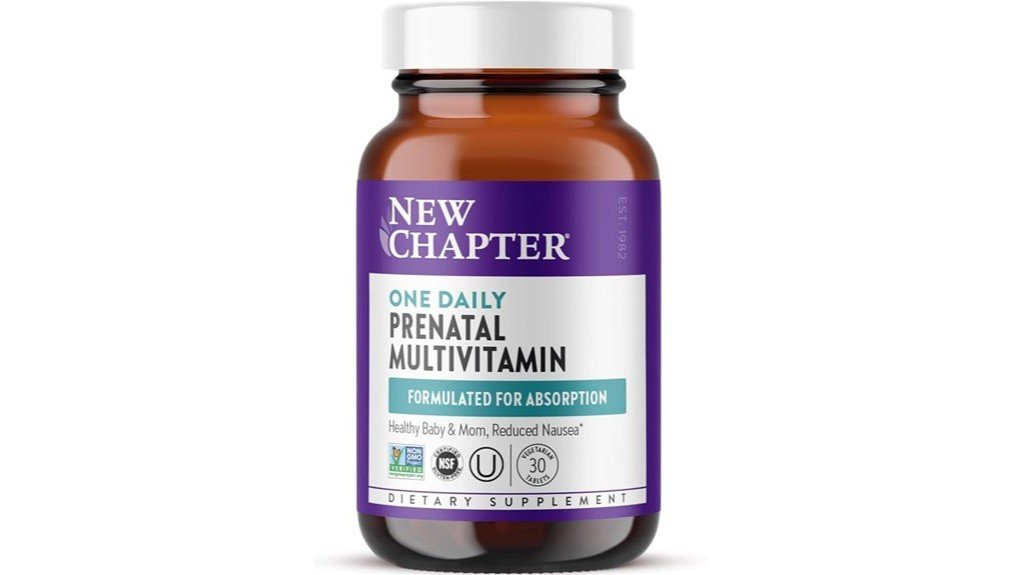
New Chapter Prenatal Vitamins are a daily prenatal multivitamin made for women who are pregnant or planning to conceive. The product is presented as a 30-count bottle with one tablet per day, which keeps the routine simpler than multi-pill prenatal packs.
The formula centers on methylfolate, choline, iron, ginger, and a mix of vitamins and minerals. Methylfolate is the active folate form noted in the article, choline supports prenatal nutrition needs, and iron helps address the higher iron demands that often come with pregnancy. Ginger is included for digestive comfort, which may be useful if standard prenatal tablets make you feel queasy.
New Chapter also positions the formula around fermented ingredients and a cleaner dietary profile. It is described as vegetarian, kosher, gluten-free, and Non-GMO Project Verified, with no synthetic fillers, artificial flavors, or colors noted in the source article.
Key Takeaways
- New Chapter Prenatal Vitamins are made for pregnancy planning and pregnancy support.
- The one-daily tablet format may be easier to follow than prenatal systems that require several pills per day.
- The formula includes methylfolate, choline, gentle iron, and ginger.
- The product is described as fermented, vegetarian, kosher, gluten-free, and Non-GMO Project Verified.
- DHA or omega-3s are not listed, so you may need to compare with DHA-inclusive prenatals or ask your clinician about a separate supplement.
Before You Buy: Prenatal vitamins can duplicate nutrients if you take them with other supplements. Ask your healthcare professional to review your full routine, especially if you already take iron, folate, choline, DHA, or a separate multivitamin.
Who Should Buy It?
Best For
- You want a once-daily prenatal tablet instead of a multi-capsule routine.
- You prefer a vegetarian, gluten-free, kosher, and Non-GMO Project Verified prenatal.
- You want a formula that includes methylfolate, choline, iron, and ginger.
Skip If
- You need a prenatal that clearly includes DHA or omega-3s in the same product.
- You have a medical reason to avoid iron unless your clinician approves it.
- You need exact nutrient amounts before buying and cannot verify the current label.
Nutrient Profile and Daily Coverage
The strongest part of New Chapter Prenatal Vitamins is the practical mix of prenatal nutrients in a one-daily format. Methylfolate, choline, and iron are all relevant during pregnancy, and the formula also includes other vitamins and minerals selected for prenatal use.
The article does not provide exact amounts for each nutrient, so you should check the current supplement facts label before buying. This matters because prenatal needs can vary based on diet, lab work, anemia status, nausea, medications, and whether your clinician wants you to add or avoid specific nutrients.
Methylfolate, Choline, Iron, and Ginger
Methylfolate is a buyer-friendly feature because many shoppers look for active folate rather than standard folic acid. For pregnancy planning, folate support matters early, so a prenatal is often started before conception when your clinician recommends it.
Choline is another useful addition because not every prenatal includes it. It is often discussed for fetal brain and nervous system support, but the amount in the formula should still be checked on the label to see how much it contributes to your daily needs.
Iron is included to help address higher pregnancy-related needs. New Chapter describes the iron as gentle and non-constipating, but iron tolerance is personal. If you have constipation, nausea, anemia, high iron levels, or a history of iron sensitivity, ask your clinician whether this formula fits your plan.
Ginger adds a practical digestive-comfort angle. It does not make the product a treatment for morning sickness, but it may be appealing if standard prenatal vitamins have felt hard to take.
Digestive Comfort and Ease of Use
New Chapter emphasizes a fermented nutrient approach that is intended to feel easier on the stomach. The article also notes that the tablet may be taken anytime, including on an empty stomach, although your own tolerance may differ.
The one-tablet routine is a real benefit if you struggle with large supplement schedules. It is easier to remember one daily tablet than several capsules spread through the day. Still, if you feel nauseated, try taking it with a small snack unless your healthcare professional gives different instructions.
Pro Tip: Keep the bottle near a daily habit, such as breakfast or brushing your teeth, but store it away from heat, moisture, and direct light. Consistency matters more than finding a perfect time of day.
Dietary Preferences and Ingredient Standards
This prenatal may appeal to you if you want a supplement that fits common dietary restrictions. The article identifies it as vegetarian, kosher, gluten-free, and Non-GMO Project Verified.
It is also described as free from synthetic fillers, artificial flavors, and artificial colors. Those details do not prove the product is right for every person, but they do help if you are narrowing choices based on ingredient standards and dietary fit.
Safety Notes Before You Use It
New Chapter Prenatal Vitamins are a dietary supplement, not a medicine and not a substitute for prenatal care. The product is not intended to diagnose, treat, cure, or prevent disease.
You should ask a healthcare professional before starting it if you are pregnant, trying to conceive, breastfeeding, taking medications, treating anemia, managing thyroid concerns, or using other supplements. This is especially true if your current routine already includes iron, folate, vitamin A, iodine, choline, or DHA.
Also check the current label for allergens, serving directions, and nutrient amounts. Formulas and packaging can change over time, and seller pages may show different bottle sizes or updated supplement facts.
How It Performs in Real Use
For Preconception Planning
If you are preparing for pregnancy, the once-daily format helps you build the habit before you need a more complex prenatal routine. The methylfolate, choline, and iron profile also aligns with common prenatal shopping priorities.
For Daily Pregnancy Routines
During pregnancy, the simple tablet schedule is the main convenience. You do not need to manage several capsules per serving, which can be helpful when fatigue, nausea, or food aversions make supplement routines harder.
For Sensitive Stomachs
The fermented formula, gentle iron positioning, and ginger inclusion make this product worth considering if you have disliked harsher prenatal vitamins. It still may not work for every stomach, so stop and ask for guidance if you notice ongoing discomfort.
For Breastfeeding or Postpartum Use
The article suggests it may be suitable while breastfeeding, but this should be confirmed by your clinician. Nutrient needs can change after birth, especially if you are nursing, recovering from blood loss, or taking separate postpartum supplements.
How to Use It Correctly
Follow the current bottle directions and do not exceed the labeled serving unless your healthcare professional tells you to. More is not better with prenatal supplements because high intakes of some nutrients can cause side effects or overlap with other products.
Take it at the time of day you can keep consistent. If the tablet bothers your stomach, try taking it with food. If iron makes you constipated or nauseated, ask your clinician whether a different form, schedule, or prenatal formula is better for you.
Store the bottle tightly closed in a cool, dry place. Avoid leaving supplements in a hot car, steamy bathroom, or direct sunlight because heat and moisture can affect product quality.
Pros and Cons
Pros
- One-daily tablet format is simple for pregnancy planning and pregnancy routines.
- Includes methylfolate, choline, iron, and ginger, which are useful prenatal-focused ingredients.
- Fermented nutrient approach may appeal to shoppers who want a food-based style formula.
- Vegetarian, kosher, gluten-free, and Non-GMO Project Verified profile broadens suitability.
- Gentle iron positioning may suit users who dislike harsher iron-containing prenatals.
Cons
- DHA or omega-3s are not listed in the source article.
- Exact nutrient amounts should be checked on the current label before buying.
- Iron-containing formulas are not ideal for every user without professional guidance.
Is It Worth the Price?
New Chapter Prenatal Vitamins are worth considering if you want a one-daily prenatal with a cleaner dietary profile and a stomach-comfort focus. It is likely a mid-range to premium-style choice compared with basic drugstore prenatals, mainly because of the fermented formula positioning and ingredient standards.
You get the most value if you care about vegetarian, gluten-free, kosher, and Non-GMO Project Verified details. You may get less value if your priority is a prenatal that already includes DHA or if your clinician wants a very specific nutrient dosage.
How It Compares to Alternatives
If you want a prenatal with DHA included, compare this product with options such as Nature Made Prenatal Multi + DHA or other DHA-inclusive formulas. If you want a more specialized prenatal system, Ritual Essential Prenatal or Thorne Basic Prenatal may also be worth comparing based on your clinician’s advice and your tolerance for capsule count.
New Chapter Prenatal Vitamins make the most sense if you want a simpler once-daily tablet with methylfolate, choline, iron, ginger, and a gentle-positioned formula. It is less ideal if you want one product to cover every possible prenatal add-on.
Frequently Asked Questions
How many tablets come in each bottle?
The source article describes the bottle as a 30-count supply. The serving format is one tablet daily, so one bottle is presented as about a one-month routine.
Does New Chapter Prenatal Vitamins contain DHA?
DHA or omega-3s are not listed in the source article. If DHA is part of your prenatal plan, ask your healthcare professional whether to choose a DHA-inclusive prenatal or add a separate DHA supplement.
Can you take it on an empty stomach?
The article says the formula is marketed as gentle enough to take anytime. Your tolerance may differ, so take it with food if prenatal vitamins usually upset your stomach.
Is it safe while breastfeeding?
It may be appropriate for some breastfeeding users, but your clinician should confirm. Postpartum and breastfeeding needs can vary based on diet, recovery, lab work, and other supplements.
Can you take it with other supplements?
Only combine it with other supplements after checking the full labels. Folate, iron, choline, vitamin A, iodine, and other nutrients can overlap across products.
Who should skip this prenatal?
Skip it or ask for medical guidance first if you need a DHA-inclusive prenatal, have been told to avoid iron, or need exact nutrient doses matched to lab results. It may also be a poor fit if you cannot verify the current supplement facts label before buying.
Does it require refrigeration after opening?
The source article says refrigeration is not typically required. Store it in a cool, dry place and follow the current bottle directions for best quality.
What is the biggest buying mistake to avoid?
Do not assume one prenatal covers every need. Check the current supplement facts label and ask your clinician about DHA, iron level, folate form, choline intake, and any nutrients you already take separately.
The Bottom Line
New Chapter Prenatal Vitamins are a strong fit if you want a simple one-daily prenatal with methylfolate, choline, gentle iron, ginger, and a vegetarian, gluten-free profile. You should skip it or compare alternatives if you need built-in DHA, exact verified nutrient amounts before purchase, or a clinician-directed formula for anemia or another medical concern.

