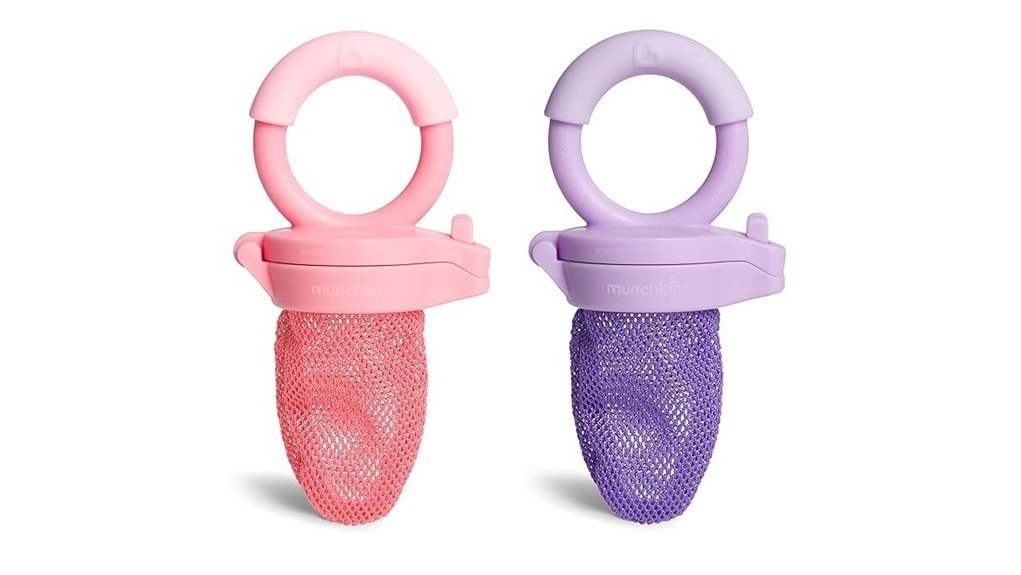
The Munchkin Baby Feeder is often considered a practical option for families starting solids. Its BPA-free design and locking cap may offer added peace of mind, while the mesh pouch helps limit larger food pieces. For babies 6 months and older, it can support early self-feeding with less mess and close supervision. Still, a few important details affect safety, food choices, and cleaning, and those factors matter more than they first seem.
Key Takeaways
- Munchkin baby feeder is designed for babies 6 months and older, making it suitable for early self-feeding.
- Its tightly locking cap and mesh pouch help reduce choking risks by controlling food size.
- The BPA-free design adds safety, and close adult supervision is still recommended during use.
- It works well with soft foods like banana, pear, mango, avocado, and steamed apple.
- It is easy to clean with warm soapy water, but the mesh and lock should be checked regularly for wear.
Is the Munchkin Baby Feeder Safe?
Yes, the Munchkin Baby Feeder is designed with safety in mind for babies 6 months and older. Its safety features include a tightly locking cap and a mesh pouch that permits only small, manageable pieces to pass through. This supports choking prevention while still allowing babies to explore new textures independently.
The BPA-free design and sturdy handle add practical value, giving caregivers a tool that balances freedom with control. Evidence-based use favors close supervision, but the feeder offers a reassuring way to introduce foods with reduced risk and more confidence.
How to Use the Baby Feeder With Fresh Foods
To use the Munchkin Baby Feeder with fresh foods, caregivers simply place soft fruit or another age-appropriate food into the mesh pouch, secure the cap tightly, and offer it to a baby who is 6 months or older under close supervision. This supports independent exploration while preserving safety.
| Step | Purpose |
|---|---|
| Fill pouch | Hold small pieces securely |
| Close cap | Prevent access to loose bits |
| Present feeder | Encourage self-directed feeding techniques |
| Rotate food combinations | Support variety without pressure |
After use, the feeder should be rinsed promptly and checked for wear. Such practical routines help caregivers foster autonomy with confidence.
Best Foods for the Baby Feeder
Selecting the right foods for the Munchkin Baby Feeder helps maximize both safety and acceptance. Soft fruits such as banana, ripe pear, mango, and peach are commonly suitable because they mash easily and fit the mesh design.
Frozen breastmilk or purees can offer soothing relief, while small pieces of avocado or steamed apple may work well if softened first. Fruit combinations can broaden flavor exposure without overwhelming a baby’s palate.
Practical feeding tips include using fully ripe produce, avoiding hard chunks, and checking that pieces remain small enough to pass through the mesh.
Benefits for Babies and Parents
The Munchkin Baby Feeder offers clear benefits for both infants and caregivers by making early food exploration safer and more manageable.
Its mesh design permits small portions of fruit, puree, or frozen breastmilk while limiting larger pieces, which can help reduce choking concerns. For babies, this supports self-feeding, nourishing independence, and promoting exploration of new tastes and textures at a comfortable pace.
For parents, the feeder can ease supervision demands and provide a practical bridge to solid foods. The easy-grip handle further supports developing motor skills, giving families a straightforward, reassuring option that respects a child’s growing autonomy.
How to Clean and Care for It
After each use, the feeder should be rinsed or soaked in warm, soapy water right away to help remove leftover food and reduce buildup.
A soft brush can reach the mesh and improve hygiene without damaging the BPA-free material. These cleaning techniques support safer feeding by limiting residue and odors.
Air-drying fully before storage helps prevent moisture-related wear. For practical maintenance tips, inspect the lock and mesh regularly for tears, stretching, or trapped particles.
Replacing worn parts promptly keeps use simple, independent, and reassuring, supporting a child’s growing freedom to explore fresh foods with less mess and fewer concerns.
Frequently Asked Questions
Does the Feeder Come in Different Colors?
Yes, it comes in coral and purple, offering modest color options that support appealing design aesthetics. This practical pairing suits babies over 6 months, while the feeder’s secure construction remains reassuringly straightforward and functional.
Is the Handle Comfortable for Tiny Hands?
Yes, the handle appears comfortable for tiny hands, with an ergonomic design that supports a secure toddler grip. Its colorful shape encourages easy handling, offering practical confidence while letting little ones explore feeding independently.
Can It Be Used for Teething Relief?
Yes, it can provide teething relief, almost like a tiny soothing miracle. Its mesh and safety features let babies gnaw safely on chilled foods, delivering teething benefits while supporting practical, evidence-based comfort for restless gums.
Is the Mesh Material Bpa-Free?
Yes, the mesh material is BPA-free. That supports mesh safety and feeding convenience, offering a practical option for introducing fruits and purees while keeping small portions contained and reducing exposure to unnecessary plastics.
How Many Feeders Are Included in One Set?
Two feeders are included in one set. Evidence suggests this supports feeding safety and baby nutrition by offering practical portions for fresh foods. The claim appears true, and the set’s twin design is reassuringly useful.
Conclusion
In the end, the Munchkin Baby Feeder serves as a small bridge between curiosity and confidence. Its secure cap and BPA-free design offer a steady safeguard, while the mesh pouch lets babies explore fruit, puree, and texture without undue risk. For parents, it reduces worry and supports calm supervision. Like a lantern in a nursery, it softly lights the path toward self-feeding, helping little hands practice independence one safe taste at a time.

