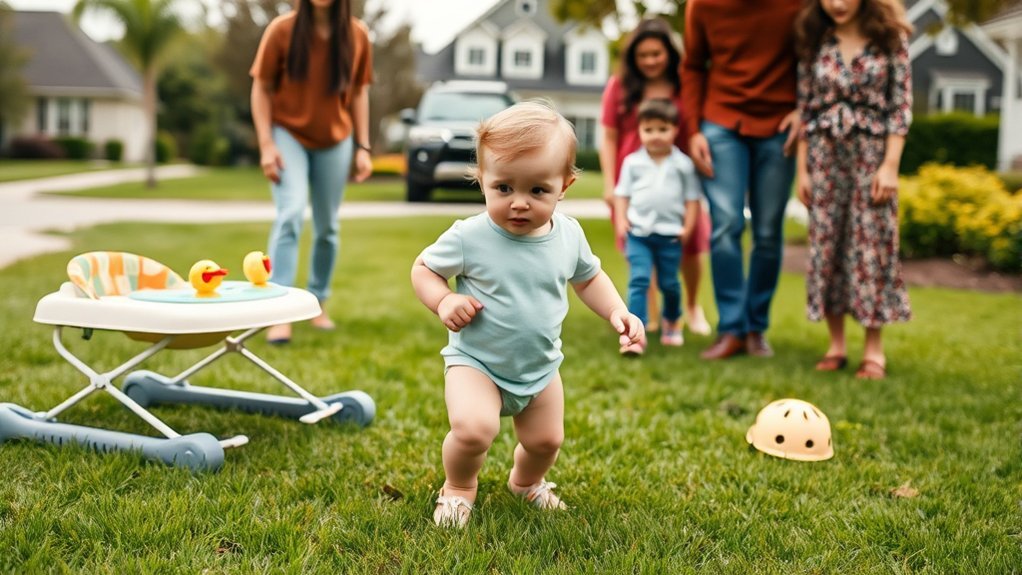
Motor milestones are shaped by genetics, influenced by environment, and affected by socio-economic factors. Understanding how these elements intertwine can reveal significant disparities in child development across the U.S. While some children thrive in supportive settings, others may struggle due to limited resources. The implications of these variances raise important questions about what can be done to guarantee all children achieve their potential. Are you aware of the specific strategies that could make a difference?
Understanding Motor Milestones
Motor milestones serve as vital indicators of a child’s physical development, reflecting their ability to control and coordinate movements. These milestones include actions like rolling over, sitting up, crawling, and walking. You might notice these skills emerge in a predictable sequence, often guided by age-related expectations.
Research shows that achieving these milestones within typical timeframes can indicate healthy neurological development. However, variations exist, and not all children follow the same pattern. Factors such as environment, opportunities for movement, and parental engagement can influence progress.
Recognizing and understanding these milestones not only helps track development but also informs when to seek guidance if delays are observed. Awareness of these indicators is essential for fostering the best motor development in children.
Genetic Influences on Motor Development
While environmental factors play a significant role in motor development, genetic influences also shape a child’s physical abilities. Research indicates that heredity contributes to variations in motor skills, with certain genes linked to muscle strength, coordination, and overall physical performance.
For instance, studies suggest that children with a family history of athleticism may demonstrate enhanced motor skills earlier than their peers. Additionally, genetic predispositions can affect the rate at which children develop balance and fine motor skills.
Twin studies further support this, showing higher correlations in motor performance among identical twins compared to fraternal twins. Understanding these genetic influences can help parents and educators tailor developmental activities that align with each child’s unique physical potential.
Environmental Factors Affecting Growth
As you observe children developing their motor skills, it’s clear that environmental factors play an essential role in shaping their growth. Factors such as physical space, access to play areas, and exposure to various textures and movements greatly influence motor development.
For instance, children with ample opportunities for active play often show more advanced gross motor skills compared to those in restrictive environments. Additionally, the availability of age-appropriate toys can enhance fine motor skills by encouraging manipulation and exploration.
Social interactions also contribute; children who engage with peers are more likely to mimic and learn new skills. Ultimately, these environmental elements create a foundation that can either facilitate or hinder motor milestone achievement, underscoring their importance in childhood development. Furthermore, annual checkups are essential for monitoring growth and can help identify any developmental delays early on.
The Impact of Socio-Economic Status
Socio-economic status (SES) greatly influences children’s motor development, often intertwining with environmental factors.
Children from lower SES backgrounds may experience limited access to resources like safe play areas, educational materials, and healthcare, which can hinder their physical growth. Research indicates that these children may reach motor milestones later than their higher SES peers, primarily due to decreased opportunities for active play and exploration.
Additionally, families with lower SES often face stressors, such as financial instability, which can negatively impact parenting practices and, consequently, a child’s motor skills development.
Conversely, higher SES families tend to provide environments rich in stimulating activities, promoting earlier achievement of these milestones.
Understanding these disparities is essential for addressing equity in child development outcomes.
Cultural Variations in Motor Milestones
Cultural variations play an essential role in shaping the timeline of motor milestones among children, influencing how and when they achieve these developmental benchmarks.
For instance, in some cultures, children are encouraged to engage in communal play that promotes physical activity, potentially accelerating milestones like crawling and walking. In contrast, other cultures may emphasize less physical interaction, resulting in varied timelines.
Research shows that parenting styles, societal expectations, and environmental factors can also affect motor development. For example, cultures that prioritize independent mobility may lead to earlier walking.
Understanding these cultural influences is imperative for recognizing that motor milestones aren’t solely biologically driven but are notably shaped by the environment in which a child grows.
Strategies to Support Healthy Development
To foster healthy motor development in children, caregivers can implement a variety of strategies that promote active engagement and exploration. Providing safe spaces for movement, ensuring access to developmentally appropriate toys, and encouraging outdoor play can greatly enhance motor skills. Early intervention is crucial when addressing any concerns about child development milestones, as it significantly impacts a child’s overall growth.
| Strategy | Description | Evidence-Based Outcome |
|---|---|---|
| Safe Movement Environments | Create areas where children can crawl, walk, and run freely. | Improved gross motor skills. |
| Developmentally Appropriate Toys | Offer toys that encourage reaching, grasping, and manipulation. | Enhanced fine motor skills. |
| Outdoor Play | Facilitate regular outdoor activities, like climbing and running. | Increased physical confidence. |
Frequently Asked Questions
What Are the Signs of Delayed Motor Milestone Development?
You might notice signs like difficulty sitting up, crawling, or walking at expected ages, limited coordination, and reluctance to engage in physical play. If you observe these, consider consulting a pediatrician for further assessment.
How Do Premature Births Affect Motor Skill Acquisition?
Premature births often lead to delays in motor skill acquisition due to incomplete neurological development. You may notice that these children require more time and support to reach typical motor milestones compared to their full-term peers.
Can Nutrition Impact Motor Milestone Progression?
Yes, nutrition considerably impacts motor milestone progression. Adequate nutrients support brain development and muscle growth, enhancing coordination and strength. Insufficient nutrition can hinder these aspects, delaying overall motor skill acquisition in children. Prioritize balanced diets for ideal development.
What Role Does Screen Time Play in Motor Development?
Screen time can negatively impact motor development by reducing physical activity and limiting opportunities for hands-on experiences. You might find that excessive screen exposure correlates with delays in achieving important motor milestones, affecting overall development.
Are There Specific Exercises to Enhance Motor Skills in Infants?
Yes, specific exercises like tummy time, reaching for toys, and gentle stretching enhance infants’ motor skills. Engaging them in these activities promotes muscle strength, coordination, and overall development, fostering a solid foundation for future movement.
Conclusion
In understanding motor milestones, it’s clear that multiple factors interplay in a child’s development. Genetics set a foundation, but environmental influences and socio-economic status can either hinder or enhance growth. Consider how access to safe play areas can shape your child’s motor skills—are you providing the right opportunities for them to thrive? By recognizing these factors, you can take active steps to support your child’s development, ensuring they reach their full potential.