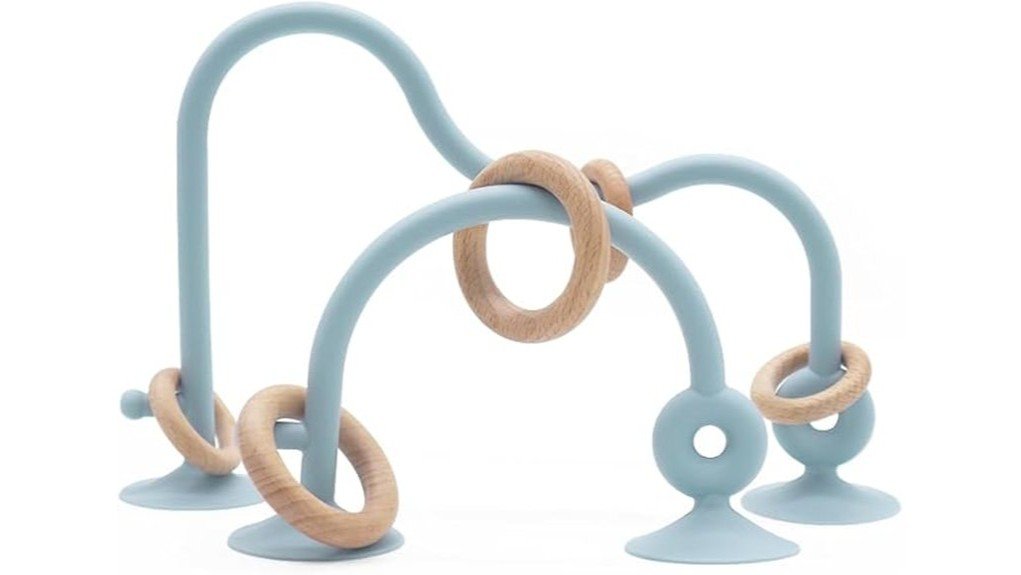
Montessori educational toys for infant toddlers are often chosen for their safe materials and thoughtful design. Food-grade silicone, soft textures, and suction cup bases can support early sensory play while helping little hands practice control. These toys also encourage quiet focus and independent discovery in simple ways. Yet not every option offers the same level of value, which makes a closer look worthwhile.
Key Takeaways
- Montessori educational toys for infants and toddlers use food-grade, BPA-free silicone for safe, non-toxic play.
- Their smooth, tactile shapes support sensory exploration, calm concentration, and self-directed discovery.
- Suction cup bases keep toys stable on smooth surfaces while remaining easy to move and reposition.
- Grasping, pressing, and reaching actions help build fine motor skills and hand-eye coordination.
- Easy cleaning with a damp cloth or gentle wash keeps silicone toys hygienic after daily use.
What Makes Montessori Educational Toys Safe?
Montessori educational toys for infants and toddlers are designed with safety at the center, using food-grade silicone that is 100% non-toxic, BPA-free, and phthalate-free. Their safe materials support gentle handling, giving caregivers confidence during daily use.
Rigorous testing helps guarantee each piece meets safety standards, while the smooth texture resists irritation on delicate skin. Sized for 0–18 months, the toys respect developmental milestones by offering secure, age-appropriate engagement without unnecessary strain.
This careful design allows infants to explore with freedom, while adults observe a product built to protect, reassure, and support early growth with quiet reliability.
Why Montessori Toys Support Sensory Play
Safe design also opens the door to richer sensory exploration. In Montessori toys for infant toddlers, gentle surfaces, varied shapes, and responsive textures invite tactile stimulation without overwhelming the child.
The materials support steady hands, curious eyes, and emerging coordination, allowing development to unfold at a respectful pace. Each touch, squeeze, and grasp offers meaningful feedback, helping infants organize sensations and build confidence.
Such play respects a child’s autonomy, creating space for self-directed discovery and calm concentration. In this way, sensory play becomes both nurturing and liberating, encouraging growth through purposeful interaction with the environment.
How Suction Cup Toys Keep Babies Engaged
Suction cup toys hold a child’s attention by staying securely in place, allowing repeated reaching, pressing, and pulling without constant reset.
| Feature | Observation | Benefit |
|---|---|---|
| Stable base | Stays put on smooth surfaces | Sustains attention |
| Portable form | Moves easily from chair to bath | Supports freedom |
| Simple action | Invite touch and release | Encourages exploration |
| Gentle materials | Soft, safe texture | Comforts the child |
| Visual interest | Bright, shifting shapes | Extends engaging playtime |
These suction cup benefits help babies remain calm and curious while adults observe more ease, less lost toy searching, and a sense of unhurried autonomy.
Fine Motor Skills Benefits for Infants
Tiny hands are drawn to toys that invite grasping, pressing, and reaching, and these repeated motions gently support fine motor development in infants.
As babies explore textured surfaces and secure shapes, they practice grasping techniques that strengthen finger control and encourage purposeful movement. Each small success can refine hand-eye coordination, helping movements become more intentional and confident.
This gradual progress supports early independence, allowing infants to interact with their surroundings on their own terms. Such toys can nurture curiosity, coordination, and self-directed exploration while honoring the pace at which each child grows and discovers new abilities.
How to Clean Montessori Toys at Home
Keeping Montessori toys clean at home can be a simple, steady routine that supports a baby’s everyday play. Gentle cleaning methods help preserve the food-grade silicone and keep exploration calm and safe. A damp cloth or quick rinse removes daily residue, while thorough washing may follow meals or outdoor use.
Keeping Montessori toys clean at home supports calm play, safe exploration, and a simple, steady rhythm.
- Wipe smooth surfaces after each session.
- Rinse with warm water when needed.
- Dry fully before toy storage.
This rhythm protects the child’s freedom to reach, grasp, and mouth without distraction. Careful upkeep also supports order, making the play space feel open, responsive, and ready for growth.
Frequently Asked Questions
Are These Toys Suitable for Travel Use?
Yes, these toys are suitable for travel use. Their compact design and lightweight materials support easy packing, while suction attachment reduces drops. Observers note they nurture exploration, offering liberated, soothing engagement during outings and journeys.
Do They Attach to Strollers and Car Seats?
Yes, stroller attachments are not specifically stated, yet the suction design may grip smooth car-seat surfaces. What better way to support curious hands? Safety features and nurturing textures suggest gentle, liberating exploration on the go.
Can the Materials Withstand Chewing and Teething?
Yes, the silicone appears suitable for chewing and teething, offering teething safety and material durability. Observers note its non-toxic, gentle design supports soothing exploration, while nurturing flexibility helps babies engage freely and comfortably.
Are the Toys Appropriate for Newborns Under 6 Months?
Generally, they can serve as a small lantern for newborn sensory development, yet under 6 months, use should remain closely supervised. Their gentle textures may nurture motor skills, though simpler, softer options often suit earliest exploration better.
Do They Help Prevent Toys From Dropping on Floors?
Yes, they help prevent drops on floors by securing toys with suction attachments. This supports toddler safety, reduces lost items, and reflects toy durability. The design appears developmental, nurturing, and quietly liberating for caregivers.
Conclusion
In the soft hush of early play, Montessori educational toys rest like small anchors of discovery. Their smooth, food-grade silicone surfaces invite tiny fingers to trace, squeeze, and learn, while suction cups hold steady against enthusiastic hands. Each gentle shape supports growing fine motor skills and quiet sensory wonder. Easy to clean and safely made, these toys leave an image of calm, colorful learning—where independence begins to bloom one careful touch at a time.