
Membrane Sweep Myths vs Facts: Pain, Timing, and Safety
A membrane sweep can sound scary when you hear mixed stories about pain, safety, and how fast labor may start. The truth is more balanced. This article explains what a membrane sweep is, what it may feel like, when providers may offer it, and which myths you should not rely on when making a decision.
Quick Answer
A membrane sweep is a late-pregnancy procedure that may help your body move toward labor. It can cause pressure, cramping, spotting, or discomfort, but pain levels vary. It does not guarantee labor, so you should discuss your health, timing, and risks with your healthcare provider.
Key Takeaways
- A membrane sweep may help encourage labor when your body and cervix are already close to ready.
- Pain levels vary, and many people describe the feeling as pressure, cramping, or brief discomfort.
- A sweep does not guarantee labor, even when your provider performs it at the right time.
- You should avoid a sweep unless your healthcare provider says it fits your pregnancy and medical history.
- You should report heavy bleeding, severe pain, fever, or reduced baby movement right away.
What Is a Membrane Sweep?
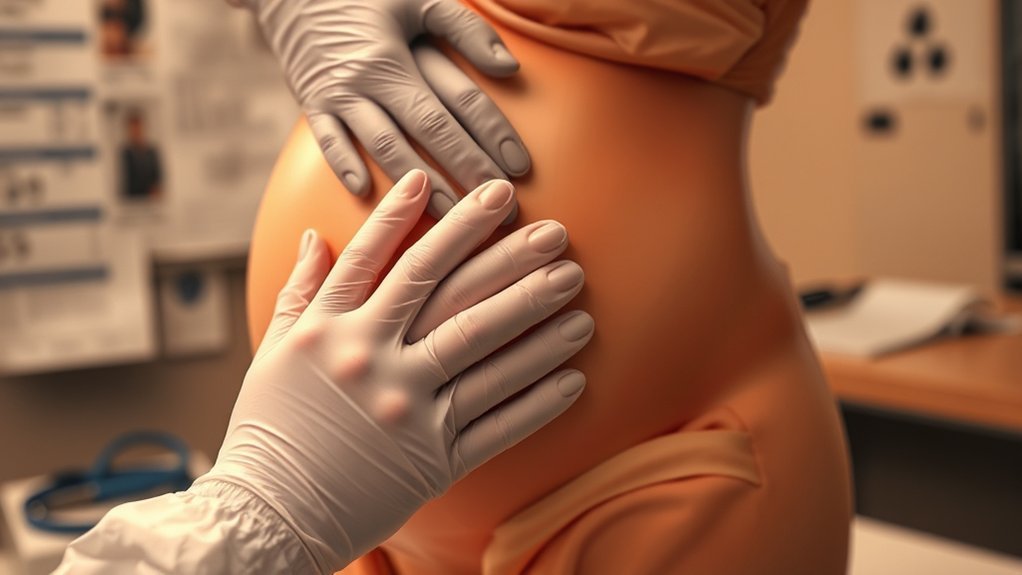
A membrane sweep is a procedure that a healthcare provider may offer near the end of pregnancy. Your provider inserts a gloved finger through your cervix and gently separates the membranes around the amniotic sac from the lower part of the uterus.
This movement can encourage your body to release prostaglandins. These hormone-like chemicals can soften the cervix and may help contractions begin.
Providers often consider a sweep around full term, depending on your pregnancy, cervix, and local medical guidance. You may feel pressure, cramping, or mild pain during the procedure.
Most people tolerate membrane sweeps, but cramping, pressure, spotting, and discomfort can happen afterward.
A sweep may help some people go into labor, but it does not work for everyone. Always discuss the potential risks and benefits with your healthcare provider before you agree to it.
Common Myths About Membrane Sweeps

Many people hear strong claims about membrane sweeps. Some claims make the procedure sound too painful, while others make it sound like a sure way to start labor.
The truth depends on your cervix, your pregnancy history, your pain tolerance, and your provider’s technique. These myths can help you understand what to ask before your appointment.
Myth 1: A Membrane Sweep Is Always Painful
A membrane sweep can feel uncomfortable, but it does not feel the same for everyone. Some people feel only pressure, while others feel stronger cramping for a short time.
Your pain level may depend on your cervix, anxiety level, past birth experience, and how ready your body is for labor. Tell your provider if you feel strong pain during the sweep.
| Pain Level | What It May Feel Like |
|---|---|
| 1 (Minimal) | No pain or slight pressure |
| 2 (Mild) | Noticeable but manageable discomfort |
| 3 (Moderate) | Cramping that needs focus |
| 4 (Strong) | Brief but uncomfortable intensity |
| 5 (Severe) | Intense pain that should be reported |
Discuss your concerns before the exam begins. You can also ask your provider to pause or stop if the procedure feels too painful.
Myth 2: A Membrane Sweep Guarantees Labor
A membrane sweep may increase the chance that labor starts, but it cannot guarantee labor. Your body still needs to be ready.
Your cervix, gestational age, previous births, and overall pregnancy health can affect the outcome. Some people need more than one discussion with their provider before choosing the next step.
Myth 3: You Can Have a Sweep Anytime Near the End of Pregnancy
Timing matters because a sweep usually works best when your cervix has started to soften, open, or move forward. Many providers discuss it near full term or when pregnancy has moved close to the due date.
A sweep too early may not help and may cause stress, cramping, or spotting without clear benefit. Your provider can explain when it makes sense for your situation.
The Science Behind Membrane Sweeps

A membrane sweep uses physical stimulation to encourage changes that may support labor. Your provider gently separates the membranes from the lower uterus near the cervix.
This action may help your body release prostaglandins. Prostaglandins can help soften and thin the cervix, which may make contractions more likely.
You can think of the sweep as a nudge, not a forced induction. It may support your body’s natural labor process when your pregnancy is already near the right stage.
- It may help your body move toward labor without medicine.
- It may reduce the need for stronger induction methods in some cases.
- It may help you feel more prepared when your due date is close.
Safety Considerations and Risks
Membrane sweeps come with safety considerations and possible risks. You should understand them before you agree to the procedure.
You may have cramping, spotting, mild bleeding, or irregular contractions after the sweep. These symptoms often ease, but you should follow your provider’s advice about when to call.
In rare cases, a sweep may increase the risk of infection or the membranes breaking before labor begins. Your provider may not recommend it if you have certain pregnancy complications.
Warning: Call your healthcare provider right away if you have heavy bleeding, fever, severe pain, fluid leaking, or reduced baby movement.
A membrane sweep may not be right for you if you have placenta previa, unexplained bleeding, certain cervix concerns, or another condition that makes vaginal exams unsafe. Share your full medical history with your healthcare provider before the procedure.
Effectiveness of Membrane Sweeps
The effectiveness of a membrane sweep depends on your body’s readiness for labor. It may work better when your cervix has already started to change.
Membrane sweeps may help some people near or past their due date move closer to labor, but results vary.
A sweep may lower the chance that you need more involved induction methods, but it does not replace medical advice. Your provider can explain whether it fits your pregnancy and birth plan.
- You may feel more involved in your labor planning.
- You may feel hopeful as your due date approaches.
- You may feel less anxious when you understand what the procedure can and cannot do.
A sweep can also fail to start labor. If that happens, your provider may discuss waiting, repeating the sweep, or using another plan based on your health and your baby’s health.
What to Expect During the Procedure
A membrane sweep often happens during a prenatal visit. Your provider first checks whether your cervix can be reached and whether the procedure seems appropriate.
Your provider then inserts a gloved finger into your cervix and gently moves it around the membranes. The procedure usually takes a short time, but it may feel uncomfortable.
| What You May Notice | How You May Feel |
|---|---|
| Pressure or cramping | Nervous or tense |
| Short procedure time | Hopeful |
| Light spotting | Relieved after it ends |
| Irregular contractions | Watchful and alert |
You may have cramping or light bleeding afterward. Ask your provider what symptoms to expect and which symptoms need urgent care.
Questions to Ask Before You Agree to a Membrane Sweep
You should feel clear about the reason for the sweep before you agree. A short conversation can help you understand your options and avoid pressure.
- Ask why your provider recommends a membrane sweep now.
- Ask whether your cervix seems ready enough for the procedure.
- Ask what symptoms should make you call after the visit.
- Ask what the next step may be if the sweep does not start labor.
Pro tip: Write your questions before the appointment so you can make a calm and informed choice.
Frequently Asked Questions
Can a Membrane Sweep Induce Labor for Everyone?
A membrane sweep can help start labor for some people, but it does not work for everyone. Your gestational age, cervical readiness, and pregnancy history can affect your response.
How Painful Is a Membrane Sweep Compared to Labor?
A membrane sweep usually feels less intense than active labor contractions. You may feel pressure, cramping, or brief pain, but the procedure usually ends quickly.
Is There a Specific Time to Request a Membrane Sweep?
You can ask about a membrane sweep when you are near full term or close to your due date. Your healthcare provider should decide whether it fits your pregnancy, cervix, and medical history.
Can I Eat or Drink Before a Membrane Sweep?
You can usually eat and drink before a membrane sweep. Ask your healthcare provider if you have a medical condition or appointment plan that needs special instructions.
Will a Membrane Sweep Affect My Baby’s Health?
A membrane sweep usually does not directly affect your baby when your provider recommends it for the right situation. You should still ask about your personal risks, especially if you have bleeding, infection concerns, or pregnancy complications.
Medical Disclaimer: This article is for informational purposes only and does not constitute professional medical advice. Always consult a qualified doctor, midwife, or healthcare provider before making decisions based on this information.
Conclusion
A membrane sweep may help encourage labor, but it works best as one option in a wider birth plan. You should weigh the possible benefits against discomfort, spotting, cramping, and your personal medical history.
Before you decide, ask your healthcare provider why they recommend it and what signs you should watch for afterward. Clear information can help you feel more prepared, calm, and confident as your due date approaches.

