Disclosure: As an Amazon Associate, we earn from qualifying purchases. If you click a link on this page and make a purchase, we may receive a small commission at no extra cost to you.
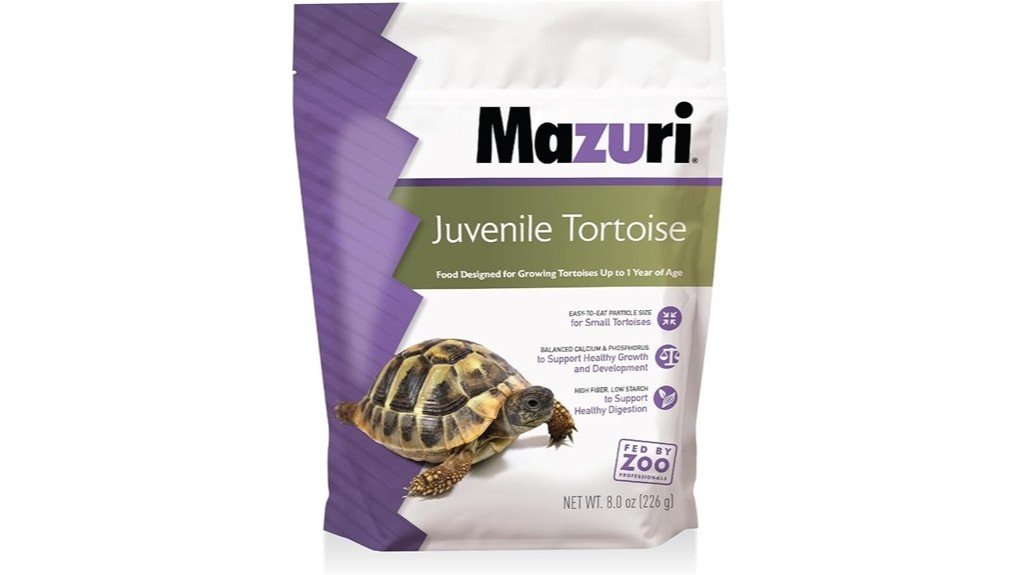
Feeding a young tortoise can be tricky because you need steady nutrition without relying only on random greens or selective eating. Mazuri Juvenile Tortoise Food gives you a pellet-based option built around a high-fiber, low-starch formula for hatchlings and growing tortoises. Its timothy hay base, vitamins A and E, and live probiotics make it useful for structured feeding, but it should still be part of a varied forage routine. This review helps you decide whether the convenience, portion control, and digestive support are worth the limits in palatability and diet variety.
Quick Verdict
Rating: 8/10, Recommended with caveats
Best For: Keepers who want a controlled juvenile tortoise pellet to support routine feeding alongside fresh forage.
Bottom Line: Mazuri Juvenile Tortoise Food is a practical choice if you want high-fiber, low-starch nutrition in an easy pellet format. The tradeoff is that some tortoises may need the pellets moistened, mixed with greens, or introduced slowly before they accept it.
| Specification | Detail |
|---|---|
| Brand | Mazuri |
| Product name | Mazuri Juvenile Tortoise Food |
| Product type | Formulated pellet food for young tortoises |
| Formula focus | High fiber and low starch |
| Primary article-supported ingredient | Timothy hay |
| Added nutrition | Vitamins A and E plus live probiotic cultures |
| Design | Shelf-stable, unflavored pellets |
| Best use | Structured feeding for hatchlings and growing tortoises |
| Feeding note | Introduce gradually, offer modest portions, and moisten if needed |
| Storage note | Keep sealed in a cool, dry place and protect from moisture |
| Safety note | Use with species-specific husbandry guidance and do not rely on pellets as the only food source unless directed by a qualified reptile professional. |
What Is Mazuri Juvenile Tortoise Food?
Mazuri Juvenile Tortoise Food is a formulated pellet diet made for young tortoises that need controlled nutrition during growth. It is designed around high fiber and low starch, which makes it more suitable for grazing herbivores than rich, sugary, or overly soft foods.
The formula uses timothy hay as a key article-supported ingredient and includes vitamins A and E plus live probiotic cultures. For you, the main benefit is consistency: each serving is easier to portion than a random mix of greens, flowers, weeds, and vegetables.
Its biggest limitation is acceptance. Some tortoises may ignore dry pellets at first, so you may need to moisten them, mix them with fresh vegetables, or introduce them slowly as part of a broader feeding plan.
Before You Buy: This food should not be treated as a complete replacement for varied, species-appropriate forage unless your reptile veterinarian or experienced reptile nutrition professional tells you to feed it that way. It works best as a structured pellet option within a balanced feeding routine.
Who Should Buy It?
Best For
- Keepers raising hatchlings or growing tortoises that need steady, portioned feeding.
- Owners who want a high-fiber, low-starch pellet to pair with fresh forage.
- Busy households that need a shelf-stable option for routine feeding days.
Skip If
- Your tortoise refuses pellets even after slow introduction and light moistening.
- You need a fresh-only feeding plan based on species-specific veterinary guidance.
- You expect one bagged food to replace enclosure, hydration, UVB, heat, and full diet management.
Ingredients and Nutrition
The strongest nutrition point in this article is the high-fiber, low-starch profile. Young tortoises need a diet that supports grazing behavior and steady digestion, so a fiber-forward pellet can be useful when fresh forage quality changes from week to week.
Timothy hay gives the formula a plant-based foundation that better matches the feeding style of many herbivorous tortoise species. Vitamins A and E add targeted nutritional support for normal skin, eye, and immune function, while live probiotic cultures are included to support a stable gut environment.
The food is unflavored, which can be a strength and a weakness. It avoids relying on strong flavoring to drive intake, but picky tortoises may need time before they accept the texture and smell.
How to Feed Mazuri Juvenile Tortoise Food
Start with a small measured portion instead of filling the dish. Juvenile tortoises are still developing feeding habits, so a slow introduction helps reduce waste and makes it easier to see whether your tortoise accepts the pellets.
- Moisten the pellets lightly if your tortoise ignores them dry.
- Offer the food in a shallow, clean dish so small tortoises can reach it easily.
- Remove uneaten food after feeding, especially if the pellets were moistened.
- Keep fresh water available at all times.
- Adjust serving size based on age, appetite, species needs, and enclosure conditions.
Pro Tip: If your tortoise is hesitant, soften a small amount with water and place it beside familiar greens rather than burying it in a large salad. This lets you track acceptance without overfeeding or wasting pellets.
Which Tortoises Can Eat It?
This juvenile tortoise formula is intended for young tortoises across many species, including Burmese, Indian star, elongated, red-footed, Aldabra, African spurred, sulcata, Russian, desert, Egyptian, Galápagos, gopher, Greek, leopard, pancake, and radiated tortoises.
That broad species list does not mean every tortoise should eat the same amount or the same mix of foods. Growth speed, shell development, humidity needs, UVB exposure, calcium management, and plant intake can vary by species, so your feeding plan should still match your tortoise’s husbandry needs.
For keepers who want less guesswork, Mazuri Juvenile Tortoise Food gives you a structured starting point. You still need to pair it with appropriate enclosure care, hydration, and fresh plant matter suited to your tortoise.
Pellet Texture and Palatability
The pellet format helps reduce selective eating because each bite is more consistent than a mixed bowl of favorite and ignored foods. It also makes storage and portioning easier, which is useful when you are feeding a young tortoise on a routine schedule.
The downside is that pellet acceptance can vary. Some tortoises take to the food quickly, while others may only nibble after the pellets are softened or mixed near fresh vegetables. If your tortoise refuses it, do not force-feed or remove all other suitable foods without professional guidance.
How It Performs in Real Use
For Daily Feeding Routines
For daily care, the biggest advantage is consistency. A measured pellet portion helps you avoid the uneven nutrition that can happen when a tortoise eats only its favorite greens from a mixed dish.
For Picky Juveniles
For picky tortoises, the unflavored pellet design may require patience. Light moistening can improve texture, but you may still need gradual introduction before your tortoise treats it as a normal part of the meal.
For Mixed Forage Diets
In a varied forage diet, this food works best as a controlled base or supplement rather than the only item in the dish. It can add structure while fresh greens and species-appropriate plants keep the diet more natural and engaging.
For Storage and Backup Feeding
Because the pellets are shelf-stable when kept sealed and dry, they are useful as a backup food when fresh forage is limited. The key is moisture control: once pellets get damp, you should treat them as fresh food and remove leftovers promptly.
Safety and Feeding Notes
This product touches a pet’s diet, so caution matters. Follow the product label, use clean feeding dishes, and avoid leaving softened pellets in a warm enclosure for long periods because moisture can make leftovers spoil faster.
Do not use any pellet food to fix poor husbandry. A tortoise still needs correct heat, UVB, hydration, enclosure space, substrate, and species-appropriate care. If your tortoise has soft shell growth, weight loss, poor appetite, diarrhea, swollen eyes, or abnormal behavior, speak with a qualified reptile veterinarian.
Pros and Cons
Pros
- High-fiber, low-starch formula fits the grazing needs of many young tortoises.
- Timothy hay base gives the pellets a plant-forward nutrition profile.
- Vitamins A and E plus live probiotics add useful nutritional support.
- Pellet format is easy to portion, store, and offer in a shallow dish.
- Can help reduce selective eating when used as part of a structured routine.
Cons
- Some tortoises may reject dry pellets or need them lightly moistened.
- Not a full substitute for varied forage and species-specific husbandry.
- Serving size requires judgment because age, species, appetite, and enclosure conditions vary.
Is It Worth the Price?
Mazuri Juvenile Tortoise Food is worth considering if you want a convenient pellet that adds structure to a young tortoise’s feeding routine. Its value comes from the controlled formula, easy portioning, and ability to support more consistent intake than a bowl of random produce.
It is a smart buy for everyday use if your tortoise accepts pellets and you still provide appropriate fresh forage. It is not the best fit if your tortoise strongly refuses prepared foods or if you need a diet plan for a species with special requirements.
How It Compares to Alternatives
Compared with loose fresh forage, Mazuri Juvenile Tortoise Food is easier to store, measure, and offer on a schedule. Fresh greens and safe weeds provide variety and enrichment, but they can vary in quality and may encourage selective eating.
Compared with adult maintenance pellets, this juvenile formula is positioned for hatchlings and growing tortoises. It makes the most sense if you want a young-tortoise-focused pellet to use alongside species-appropriate fresh foods.
Frequently Asked Questions
Is Mazuri Juvenile Tortoise Food suitable for daily feeding?
It can be used in a daily feeding routine when it fits your tortoise’s species, age, and overall diet plan. For best results, use it with varied, species-appropriate forage and follow the product label or reptile veterinarian guidance.
Should you feed the pellets dry or moistened?
You can offer them dry, but many young tortoises may accept them more readily when they are lightly moistened. Remove softened leftovers after feeding so the dish stays clean.
Can it be mixed with fresh vegetables or greens?
Yes, it can be offered near or mixed with suitable fresh vegetables or greens. Keep the mix simple at first so you can see whether your tortoise is eating the pellets or only picking around them.
Which tortoise species can use this food?
The article-supported species list includes sulcata, Russian, red-footed, Greek, leopard, radiated, Indian star, Aldabra, Galápagos, and several other tortoises. Feeding amounts and fresh-food choices should still match your species and husbandry plan.
How long does an 8-ounce bag usually last?
An 8-ounce bag may last from about one to four weeks, depending on tortoise size, feeding frequency, and how much you use with fresh forage. Smaller juveniles eating modest portions will usually go through it more slowly than larger, fast-growing tortoises.
Does it need to be refrigerated after opening?
Unused dry pellets generally do not need refrigeration. Keep the bag sealed in a cool, dry place and protect it from heat, moisture, and contamination.
Who should skip this tortoise food?
Skip it if your tortoise consistently refuses pellets or if a reptile veterinarian has recommended a different diet for a health or species-specific reason. Also skip it if you expect one pellet food to replace varied forage, fresh water, and proper enclosure care.
What common feeding mistake should you avoid?
Avoid offering too much at once, especially during the first few feedings. Start small, watch intake, remove leftovers, and adjust gradually based on appetite and your tortoise’s normal care routine.
The Bottom Line
Mazuri Juvenile Tortoise Food is a strong choice for keepers who want a structured, high-fiber, low-starch pellet for hatchlings and growing tortoises. Buy it if you want convenient portion control and digestive support, but skip it if your tortoise needs a fresh-only plan or refuses pellets after a patient introduction.