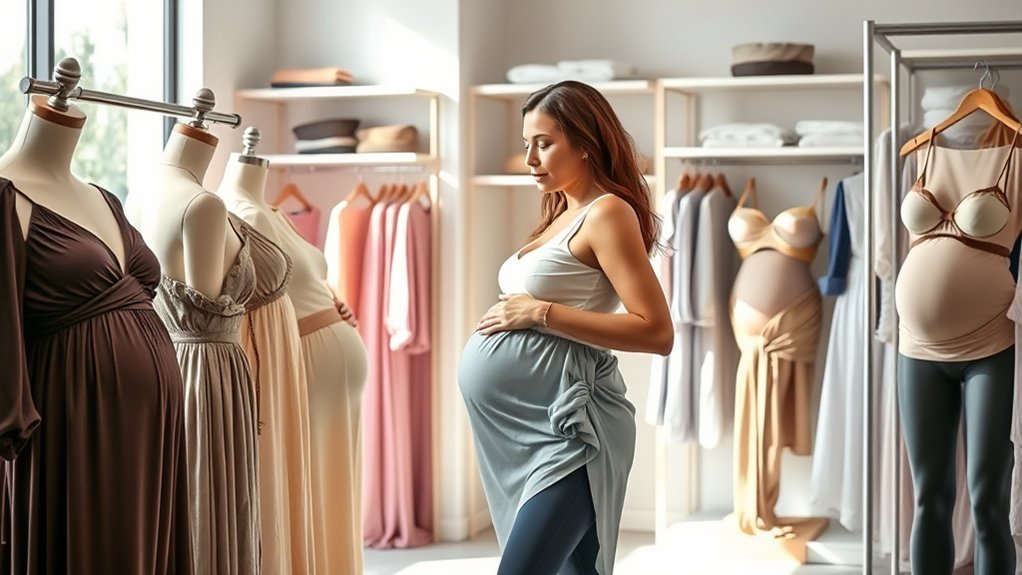
Maternity clothes in the U.S. are shaped by more than personal taste. Societal expectations can pressure you to fit a certain image, while economic constraints may limit your options. The fit and quality of online purchases add another layer of stress. Understanding these challenges reveals the deeper issues within the maternity wear market and what they mean for anyone moving through this unique phase of life.
Quick Answer
- Maternity fashion has shifted from shapeless coverage to stylish, stretchy, functional clothing.
- Body image pressures, media influence, and cultural expectations all affect how pregnant people feel about their clothing choices.
- Budget limitations, inconsistent sizing, and limited retail variety are common shopping hurdles.
- Inclusive sizing, secondhand options, and celebrity-driven trends are reshaping the market in positive ways.
The Evolution of Maternity Fashion
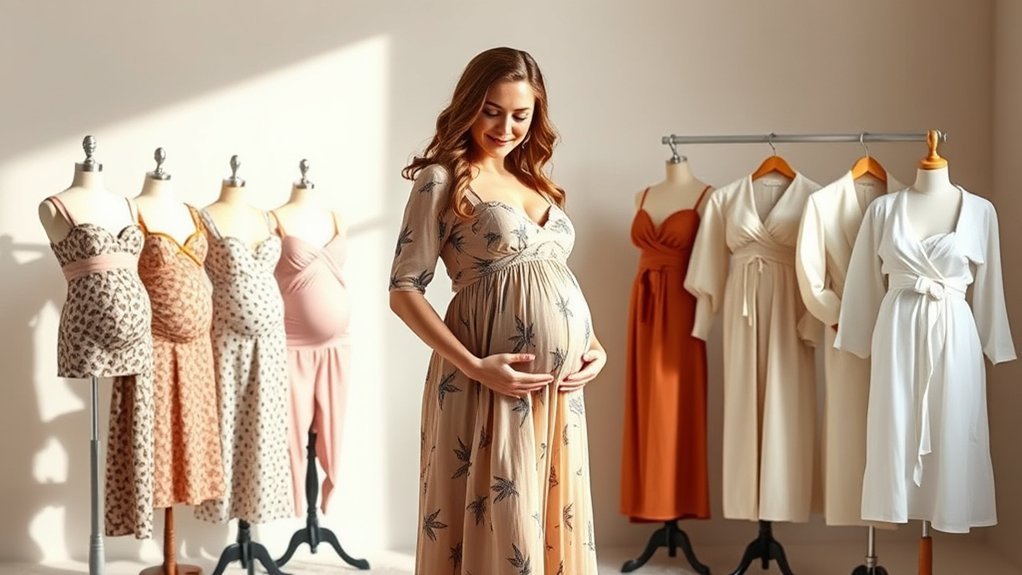
Maternity fashion has changed a lot over the years.
In the past, women often wore oversized garments that prioritized coverage over comfort. Today’s maternity wear combines style, function, and flexibility, letting you express your individuality while accommodating your growing bump.
Designers now focus on fabrics that stretch and breathe, enhancing comfort without sacrificing aesthetics. You’ll find options ranging from chic dresses to practical activewear, built to fit various lifestyles.
This shift reflects a broader understanding that feeling good during pregnancy matters. Maternity fashion now empowers you to embrace your body and celebrate this incredible time in your life.
Societal Norms and Body Image Perceptions
Pregnancy comes with its own set of social pressures. Societal expectations can shape how you view your body and the clothing choices you make.
The rise of body positivity movements offers a refreshing counterpoint, challenging traditional norms and encouraging acceptance of all shapes and sizes.
Still, media representations can complicate things, influencing how you feel about your changing body.
Cultural Expectations of Pregnancy
Cultural expectations around pregnancy greatly influence how people perceive their bodies and navigate societal norms. Many believe pregnancy should be celebrated, which creates an idealized version of motherhood that often overlooks the reality of physical changes.
You might feel pressure to embody this ideal, which can affect your self-esteem and body image. In a society that often glorifies slimness, the inevitable weight gain during pregnancy can lead to conflicting feelings about your appearance.
The pressure to look polished can also make choosing maternity clothes a challenge. Understanding these cultural pressures can help you approach your pregnancy with more self-compassion, embracing the beauty of this transformative experience rather than measuring yourself against societal expectations.
Body Positivity Movements
Navigating social expectations during pregnancy can be exhausting, especially with the added pressures around body image. The body positivity movement aims to challenge these norms, promoting acceptance of all body types, including those of pregnant individuals.
This shift helps you embrace your changing body and supports a healthier mindset.
- Encourages self-love and acceptance, regardless of size.
- Highlights the importance of mental health during pregnancy.
- Promotes inclusivity in maternity fashion, offering diverse styles.
- Empowers you to reject unrealistic beauty standards.
Engaging with body positivity can significantly change how you see yourself, helping you celebrate your pregnancy without the weight of social judgment.
Media Influence on Perception
Pregnancy is already a lot to navigate, and the media adds another layer. From magazine covers to social media feeds, the images you see often promote unrealistic beauty standards that can affect your self-esteem.
Research shows that exposure to idealized images can lead to dissatisfaction with your own body. That dissatisfaction can make it harder to accept the physical changes that come with pregnancy.
The rise of body positivity movements is pushing back against these narrow definitions, encouraging you to celebrate your unique journey. Critically evaluating media messages can help you build a more positive self-image during this transformative time.
Economic Factors Influencing Maternity Wear
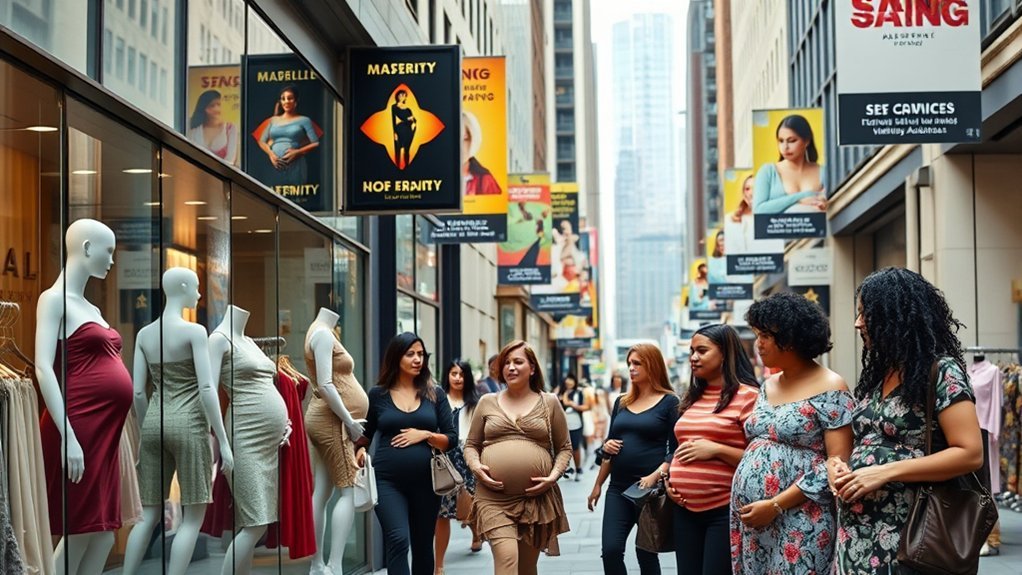
Economic factors play a big role in the maternity wear choices you make. Budget constraints, personal finances, and the rising cost of living all influence what ends up in your closet.
A few things worth considering:
- Income Levels: Your household income can determine how much you’re willing to spend on maternity wear.
- Retail Prices: The cost of maternity clothes varies widely, and that directly affects your purchasing decisions.
- Seasonal Sales: Taking advantage of sales or discounts can help stretch your budget.
- Secondhand Options: Thrift stores and online marketplaces can be affordable alternatives worth exploring.
Understanding these factors can help you make informed choices that fit your financial situation while still honoring your pregnancy journey.
The Importance of Comfort and Functionality
Budget matters, but comfort and functionality should be front and center in your maternity wear choices. You’ll want clothes that adapt to your changing body while providing real support. Comfortable clothing reduces stress and helps you stay focused on what’s ahead.
Here’s a quick comparison of key features to consider:
| Feature | Importance |
|---|---|
| Stretch Fabric | Allows for growth and movement |
| Adjustable Waist | Accommodates changes in size |
| Breathable Material | Keeps you cool and comfortable |
Investing in maternity wear that prioritizes comfort can enhance your well-being and help you feel confident. You deserve to enjoy this special time without discomfort getting in the way.
The Role of Inclusive Sizing in Maternity Clothing
Inclusive sizing in maternity clothing makes sure every expecting person feels comfortable and supported throughout their pregnancy.
Brands that prioritize inclusive sizing acknowledge the wide range of body types and shapes among pregnant people. This approach builds body positivity and supports emotional well-being.
Key benefits include:
- Accessibility: Every pregnant person can find suitable clothing regardless of their size.
- Confidence: Stylish options that reflect individual style give self-esteem a real boost.
- Comfort: Properly fitting garments that adapt to a changing body make a physical difference.
- Support: Acknowledging the experiences of all pregnant individuals helps foster community and connection.
The Impact of Celebrity Culture on Maternity Trends
Celebrity fashion may seem fleeting, but the influence of high-profile figures on maternity wear runs deep and lasts long.
Seeing your favorite stars embrace their pregnancies in stylish outfits can inspire you to feel confident and beautiful during this transformative time.
Research shows that celebrities often set trends, driving increased demand for specific styles and brands. You might find yourself drawn to the same dresses or athleisure wear a celebrity wore during pregnancy.
Celebrities set the stage for maternity fashion, inspiring trends and sparking demand for stylish options during pregnancy.
This visibility also pushes designers to create more fashionable options, raising the overall standard of the maternity clothing market. Celebrity culture plays a real role in shaping your choices and perceptions about maternity fashion today.
Challenges in the Retail Environment for Maternity Wear
Celebrity influence can boost your confidence in maternity fashion, but the retail environment still presents real hurdles. You may struggle to find options that match your style and needs, making it hard to feel fashionable during pregnancy.
Sizing inconsistencies and a lack of variety only add to the frustration.
- Many retailers underestimate the demand for trendy maternity clothes.
- Quality often suffers as brands prioritize cost over comfort.
- Seasonal collections may not line up with your pregnancy timeline.
- Online shopping can be tricky when fit is uncertain and return policies are unclear.
Navigating these challenges takes patience, but understanding them helps you make smarter decisions for your maternity wardrobe.
Tips for Building Your Maternity Wardrobe
Building a maternity wardrobe doesn’t have to be expensive or stressful. A few practical strategies can make the whole process easier.
- Start small: A handful of versatile basics, like stretchy leggings, a few tops, and one or two dresses, can carry you through most of your pregnancy.
- Buy secondhand: Sites like ThredUp, Poshmark, and Facebook Marketplace regularly feature gently used maternity clothes at a fraction of the retail price.
- Check sizing charts carefully: Maternity sizing varies significantly between brands. Always measure yourself and compare to each retailer’s chart before buying online.
- Consider postpartum use: Some maternity tops and dresses work well after delivery too, especially if you plan to breastfeed. Look for styles with that built-in flexibility.
- Don’t overbuy early: Your body changes throughout pregnancy. Buying a few pieces at a time lets you adjust as your size shifts.
A thoughtful, smaller wardrobe built around comfort and versatility will serve you far better than a large collection of items that only fit for a few weeks.
Frequently Asked Questions
How Do Maternity Clothes Affect Postpartum Body Image?
Maternity clothes can boost your postpartum body image by providing comfort and support. Wearing well-fitting, stylish options tends to build confidence and helps you embrace your new shape with a more positive self-image.
What Are the Environmental Impacts of Maternity Clothing Production?
Maternity clothing production contributes to pollution, resource depletion, and waste. Supporting sustainable practices, choosing eco-friendly brands, and reducing textile waste can all make a positive impact on the environment while you celebrate motherhood.
Are There Any Health Risks Associated With Wearing Tight Maternity Clothes?
Yes, tight maternity clothes can pose health risks. Restricted circulation, discomfort, and skin irritation are all possible concerns. Choosing supportive, breathable fabrics is a better approach for your comfort and overall well-being during pregnancy.
How Does Maternity Clothing Vary Across Different Cultures in the US?
Maternity clothing varies widely across cultures in the U.S., reflecting different values and traditions. Styles range from casual and comfortable to elegant and formal, with unique fabrics and designs that celebrate cultural heritage and personal expression.
What Are Some Sustainable Options for Maternity Wear?
“Waste not, want not.” Organic cotton, bamboo fabric, and secondhand maternity wear are all solid sustainable choices. Look for brands that prioritize eco-friendly materials and ethical production to support both your wardrobe and the environment.
Conclusion
Understanding societal standards, economic challenges, and the value of comfort can help you make smarter maternity clothing choices. With growing attention on inclusive sizing and the influence of celebrity styles, there are more stylish, supportive options than ever before. By advocating for better designs and staying informed about your options, you can approach this transformative time with confidence and build a wardrobe that reflects both comfort and your personal style.