Disclosure: As an Amazon Associate, we earn from qualifying purchases. If you click a link on this page and make a purchase, we may receive a small commission at no extra cost to you.
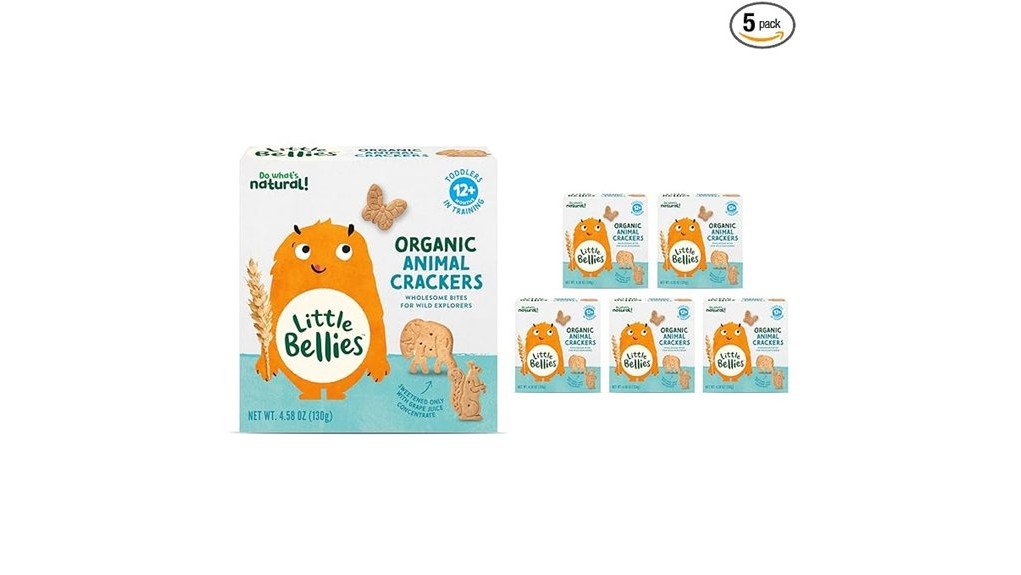
Choosing toddler snacks can feel tricky because you want something easy, simple, and age-appropriate without turning every snack into a sugary treat. Little Bellies Organic Animal Crackers are made for children 12 months and older, with organic wholegrain ingredients, gentle sweetness from grape juice concentrate, and playful animal shapes. This review helps you decide if they fit your child’s snack routine, daycare bag, or pantry backup plan. They offer a cleaner label than many standard crackers, but they are still a crunchy snack that needs supervision and label checks before serving.
Quick Verdict
Rating: 8/10, Recommended with caveats
Best For: Parents who want an organic, toddler-sized cracker with mild sweetness and simple pantry storage.
Bottom Line: Little Bellies Organic Animal Crackers are a practical snack for toddlers who can safely manage crunchy foods. The main tradeoff is that allergen, facility, and exact cracker-count details should be checked on the package before you rely on them for daycare or sensitive eaters.
| Specification | Detail |
|---|---|
| Brand | Little Bellies |
| Product type | Organic toddler animal crackers |
| Design | Wholegrain, animal-shaped crackers |
| Age range | Toddlers 12 months and older |
| Package format | 4.58 oz, five-pack format |
| Serving note | Each 7 g serving provides 2 g wholegrain |
| Sweetener source | Grape juice concentrate |
| Ingredient notes | Whole grains, lentils, fruit or vegetable powders, and naturally derived ingredients |
| Certifications and claims | USDA Certified Organic, non-GMO formulation, no artificial colors, flavors, or additives |
| Texture | Firm and crunchy at first, then softens with chewing |
| Safety note | Serve only when your child is ready for crunchy snacks and always supervise eating. |
Key Takeaways
- Little Bellies Organic Animal Crackers are designed for toddlers 12 months and older.
- The formula uses organic wholegrain ingredients with sweetness from grape juice concentrate.
- Each 7 g serving provides 2 g wholegrain, which gives the snack modest nutritional value.
- The crackers start firm and crunchy but soften as your child chews.
- You should verify the current package label for allergens, facility details, and cross-contact notes before serving.
What Are Little Bellies Organic Animal Crackers?
Little Bellies Organic Animal Crackers are USDA Certified Organic, wholegrain animal-shaped crackers made for toddlers aged 12 months and older. They are positioned as toddler snacks for families who want simple ingredients, playful shapes, and a format that works for self-feeding practice.
The product is sold in a 4.58 oz, five-pack format, which makes it easier to portion snacks for diaper bags, daycare, stroller walks, or pantry storage. The animal shapes add interest for toddlers, while the mild flavor keeps the snack from feeling too sweet.
The main appeal is the balance of wholegrain content, organic sourcing, and a texture that softens with chewing. It is not a meal replacement, but it can fit into a varied snack rotation when your child is ready for crunchy foods.
Who Should Buy It?
Best For
- Parents who want an organic cracker for toddlers 12 months and older.
- Families who prefer snacks without artificial colors, flavors, or additives.
- Caregivers who need small, easy-to-pack snacks for short outings or daycare bags.
Skip If
- Your child is not ready for firm, crunchy snacks.
- You need a clearly verified allergen-free snack for a strict daycare policy.
- You want a fruit, vegetable, or protein-rich snack rather than a cracker.
Before You Buy: Check the current package label for allergens, gluten or wheat details, and facility or cross-contact warnings. The article-supported details do not confirm the full allergen statement.
Ingredients and Nutrition Notes
The ingredient profile is built around wholegrain and naturally derived components, with grape juice concentrate used for sweetness. The crackers also include lentils and fruit or vegetable powders, giving them more variety than a plain refined cracker.
Each 7 g serving provides 2 g wholegrain. That does not make the snack a major source of nutrition, but it does give you a more useful base than a cracker made only around refined flour and heavy sweetness.
The USDA organic status, non-GMO formulation, and absence of artificial colors, flavors, and additives are meaningful if you are trying to keep toddler snacks simple. You should still treat them as a snack, not as a replacement for meals, fresh fruit, vegetables, dairy, or other nutrient-dense foods.
Taste and Texture
These organic animal crackers taste mildly sweet rather than heavily sugary. Grape juice concentrate gives them a gentle flavor that fits toddler palates, while the grain base keeps the taste simple.
The texture is firm and crunchy at first. As your child chews, the cracker softens, which makes it easier to manage than a brittle hard snack for toddlers who are already comfortable with crunchy foods.
The animal shapes also help with interest and self-feeding. They can make snack time more engaging without needing extra coatings, colors, or strong flavors.
Toddler Safety and Materials Notes
Little Bellies Organic Animal Crackers appear generally suitable for toddlers 12 months and older when served at the right stage. Because they are crunchy, you should supervise your child and offer them only when your child can sit upright, chew well, and handle similar textures.
The article-supported details note no artificial colors, flavors, or additives. That is useful for families who want a cleaner toddler snack, but it does not replace the need to review the package for allergens, cross-contact warnings, and ingredient changes.
For daycare, grandparents’ homes, or group snack settings, get approval before packing them. Allergy rules vary, and some caregivers may require a sealed package or a full ingredient panel.
How It Performs in Real Use
For Daily Snack Time
For daily use, these crackers work best as a small side snack rather than the main part of a meal. The 7 g serving note helps you think in small portions, and the wholegrain content gives the snack a modest nutrition benefit.
For Daycare or Caregiver Bags
The five-pack format is useful when you need a snack that can be packed ahead for daycare, errands, or a caregiver visit. Before you send it, confirm that the daycare allows the ingredients and that the package label meets its allergy policy.
For Travel and Stroller Walks
The crackers are pantry-friendly and easy to pack, so they make sense for short trips, stroller walks, or a backup snack in a diaper bag. Keep them sealed or move opened crackers into an airtight container to protect the crunch.
For Picky Eaters
The mild sweetness and animal shapes may help toddlers who reject stronger flavors. Still, the snack should not become the only accepted food, so rotate it with softer fruits, vegetables, yogurt, or other age-appropriate options.
How to Serve and Store Them
Serve a small portion at first so you can see how your toddler handles the texture. Offer water nearby, keep your child seated, and avoid serving crunchy snacks while your child is walking, running, or riding in a car seat.
After opening, store the crackers in an airtight container in a cool, dry pantry. This helps preserve the firm snap and reduces the chance of stale texture.
Pro Tip: Portion a few crackers into a small snack cup before you leave home instead of carrying an opened pack loose in a bag. It keeps crumbs under control and helps you avoid over-serving.
Pros and Cons
Pros
- USDA Certified Organic ingredients support a cleaner toddler snack choice.
- Wholegrain base provides 2 g wholegrain per 7 g serving.
- No artificial colors, flavors, or additives are listed in the article-supported details.
- Animal shapes encourage self-feeding and make snack time more engaging.
- Firm texture softens with chewing, which helps toddlers who are ready for crunchy snacks.
Cons
- Full allergen and facility details are not confirmed in the article, so you need to check the package.
- The exact number of crackers per pack is not specified.
- It is still a cracker snack, not a full-food substitute or a high-protein option.
Are Little Bellies Organic Animal Crackers Healthy for Toddlers?
They can be part of a healthy snack routine when you use them in the right context. The wholegrain content, organic certification, and simple ingredient approach are helpful, especially when compared with snacks that rely on artificial colors or stronger sweetness.
The limit is that crackers are still dry snack foods. Your toddler also needs foods with more moisture, protein, fat, fiber, and micronutrients from a varied diet.
For the best balance, pair a small serving with an age-appropriate food such as fruit, cheese, yogurt, or another food your child already tolerates. This keeps the crackers from becoming the whole snack every time.
Is It Worth the Price?
Little Bellies Organic Animal Crackers are worth considering if you want an organic toddler cracker with simple sweetness, a wholegrain base, and a small pack format. The strongest value comes from convenience, organic positioning, and toddler-friendly shapes.
They are a smart buy for everyday use if your child likes crunchy snacks and you want a pantry item that is easy to portion. They are not the best fit if you need a clearly verified allergen-free snack or a more filling food with higher protein.
How It Compares to Alternatives
Compared with standard animal crackers, Little Bellies focuses more on organic ingredients, wholegrain content, and a toddler-specific age range. Compared with fruit pouches or soft snacks, these crackers are drier and crunchier, so they work better for children who are ready for that texture.
If you want a snack with more protein or fresh-food nutrition, a cracker will not be the strongest choice. Little Bellies makes the most sense when you want a simple organic cracker for occasional snacks, travel, or self-feeding practice.
Frequently Asked Questions
What age are Little Bellies Organic Animal Crackers for?
They are made for toddlers 12 months and older. You should still serve them only when your child can safely handle firm, crunchy textures.
Do they contain common allergens?
The full allergen statement is not confirmed in the article-supported details. Check the current package for wheat, gluten, dairy, soy, nut, sesame, and cross-contact information before serving.
How many crackers come in each pack?
The article-supported details list a 4.58 oz, five-pack format, but they do not confirm the exact cracker count. Check the package or current seller details if count matters to you.
Are they sweetened with regular sugar?
The article-supported ingredient notes mention grape juice concentrate as the sweetness source. That gives a mild sweetness, but you should still treat the product as a snack rather than a daily nutrition staple.
Are they safe for daycare snacks?
They can work for daycare if your child handles crunchy snacks well and the daycare approves the ingredient label. Many daycare settings have allergy rules, so confirm before packing them.
How should you store them after opening?
Store opened crackers in an airtight container in a cool, dry pantry. This helps protect the crunch and keeps the snack easier to pack cleanly.
Who should skip these crackers?
Skip them if your toddler is not ready for crunchy textures or if you need a fully verified allergen-free snack. You may also want another option if you need a more filling snack with more protein or fresh-food nutrition.
The Bottom Line
Little Bellies Organic Animal Crackers are a good fit for parents who want an organic, mildly sweet toddler cracker with wholegrain content and playful shapes. They are best for supervised snack time, daycare bags with approval, and short outings, but they are not ideal if you need confirmed allergen-free details or a more nutrient-dense snack.
The 8/10 verdict fits because the product has useful toddler-focused strengths, while the main limitations are label verification, cracker count uncertainty, and the need for safe serving habits.