Disclosure: As an Amazon Associate, we earn from qualifying purchases. If you buy through links on this page, we may earn a small commission at no extra cost to you.
By Editorial Team | Updated October 9, 2026
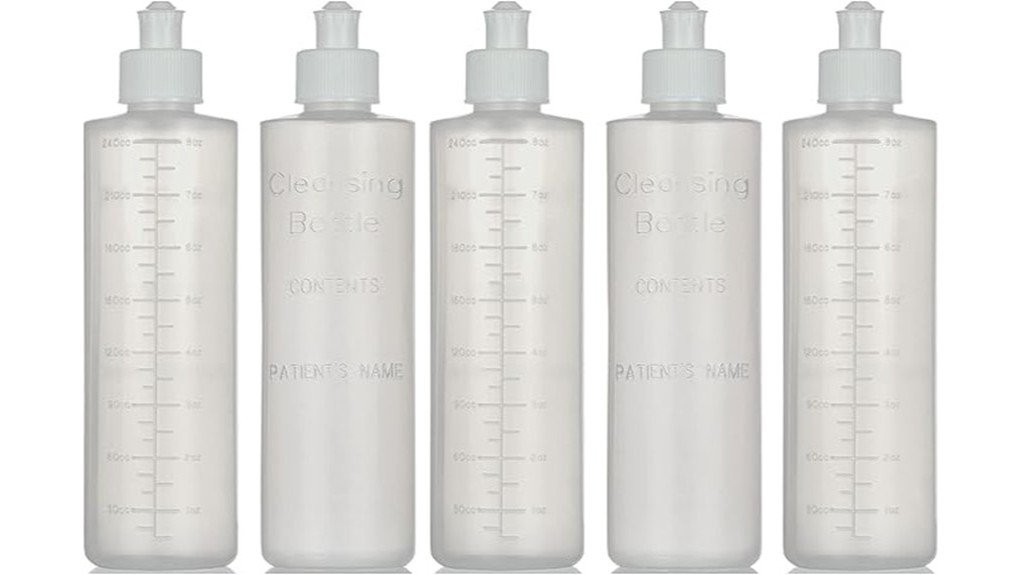
Lavette Perineal Cleansing Bottles are disposable, 8-ounce squeeze bottles designed for gentle external washing. Sold in a five-pack, they provide a simple way to rinse sensitive areas with water, particularly during postpartum recovery or when wiping feels uncomfortable.
Each bottle has a flexible plastic body and screw-top closure. The design is easy to understand and requires no batteries or plumbing. However, the standard nozzle, disposable construction, and reports of weak caps are worth considering before you buy.
Quick Verdict: Lavette Perineal Cleansing Bottles
Editorial Rating: 7.5/10 | Research-based assessment
Pack of 5
Plastic
Disposable
Screw top
Best for: Basic postpartum rinsing, personal cleansing, and keeping separate disposable bottles available for short-term needs.
Skip if: You want a durable reusable bottle, an angled nozzle, or a container designed for reliable leak-resistant travel.
Bottom line: The Lavette five-pack is a practical choice for straightforward rinsing, but its basic construction is less convenient than a dedicated angled postpartum bottle.
This score reflects published specifications, design trade-offs, and available customer feedback. It does not represent hands-on testing.
Before You Buy
- Disposable design: These are not advertised as long-lasting reusable bottles.
- Cap durability: Some owners report cracking, leaking, or weak closure components.
- No angled extension: Reaching certain areas may require more wrist movement than with an upside-down peri bottle.
- Check the package: Similar Lavette-style bottles appear under different brands and sellers, so confirm the actual pack size and cap design.
Jump to Review Sections
Key Takeaways
- Lavette Perineal Cleansing Bottles provide 8 ounces of capacity per bottle, with five disposable bottles included.
- The flexible plastic body lets you adjust water flow by changing how firmly you squeeze.
- A screw-top closure keeps the design simple, although some owner reports raise concerns about cap durability.
- They can support gentle external washing after childbirth, during routine hygiene, or in caregiver-assisted situations.
- The five-pack offers flexibility for separate care locations, but an angled reusable bottle may be better for regular long-term use.
What Are Lavette Perineal Cleansing Bottles?
Lavette Perineal Cleansing Irrigation Bottles are handheld containers used to direct water onto external skin for washing. The Amazon listing identifies the product as an Easy Glide Lavette five-pack manufactured by Global Medical Products.
Each bottle holds 8 US fluid ounces, approximately 237 mL. You fill the bottle with water, position the nozzle, and gently squeeze to control the rinse.
The bottles are designed for simple personal cleansing rather than pressurized washing or internal irrigation. They can be especially useful when wiping with dry toilet paper causes discomfort.
For postpartum care, the American College of Obstetricians and Gynecologists recommends rinsing the genital area with warm water from a squeeze bottle as one option for managing discomfort after delivery.
Lavette Bottle Specifications
| Specification | Details |
|---|---|
| Product name | Lavette Perineal Cleansing Irrigation Bottles |
| Listed brand | Easy Glide |
| Manufacturer | Global Medical Products |
| Capacity | 8 US fl oz (approximately 237 mL) each |
| Package quantity | 5 bottles |
| Material | Plastic; specific polymer not stated |
| Closure | Screw top |
| Color | Clear |
| Intended format | Disposable |
| ASIN | B09QQ94F4F |
What’s in the Box?
The listing specifies five 8-ounce plastic cleansing bottles with screw-top closures. It does not identify a travel pouch, cleaning brush, or additional accessory as part of this package.
Check the supplied product photos and package details before ordering because similarly named Lavette and perineal wash bottles are sold in different quantities.
Lavette Bottle Features That Matter Most
The main features are its flexible plastic body, basic screw-top design, 8-ounce capacity, and disposable five-pack format. These features make the bottle simple to operate, but they also create practical limitations.
Flexible Body and Water Flow Control
The bottle’s squeezable construction lets you control the amount of water delivered. A light squeeze produces a gentler rinse, while firmer pressure can increase flow.
This manual control can be helpful when washing tender external skin. However, the exact stream pattern depends on the nozzle opening, bottle position, and pressure applied.
For sensitive areas, begin with a gentle squeeze rather than directing a forceful stream at the skin.
Screw-Top Closure and Leakage Concerns
The screw-top closure provides a straightforward way to secure the bottle. Compatible Lavette-style designs may also use adjustable cap openings to regulate water flow.
However, a screw top does not automatically make a container leakproof. Some customer reports describe cracked caps or water leaking from closure areas.
For travel, carry the bottle empty when possible and fill it at your destination. Avoid relying on it as a sealed water container inside a handbag.
Is the 8-Ounce Capacity Enough?
An 8-ounce bottle holds approximately 237 mL of water. That can be enough for a short rinse, although your water needs depend on the situation and how long you squeeze.
If you prefer a continuous rinse without refilling, a larger-capacity bottle may be more convenient.
For comparison, the Frida Mom Upside Down Peri Bottle holds 10 ounces, while the Lansinoh Postpartum Wash Bottle holds 12.2 ounces.
Disposable Plastic Construction
Lavette bottles are marketed as disposable. This makes them an option for short-term care, especially when you want separate bottles rather than sharing personal hygiene equipment.
Disposable construction also means you should not expect the same durability as a dedicated reusable bottle. The product listing does not provide a validated long-term cleaning or sterilization procedure.
The five-pack can be practical, but repeated disposal creates more plastic waste than a reusable alternative.
Common Uses for Lavette Peri Wash Bottles
Personal cleansing is the primary purpose of Lavette peri wash bottles. Their controlled water delivery can also be useful for certain caregiver tasks and non-medical household activities.
Use separate bottles for personal hygiene and household work. Never return a bottle used for crafts or surface cleaning to intimate care.
| Common use | Benefit |
|---|---|
| Personal hygiene | Supports gentle external cleansing |
| Child care | Helps caregivers apply water to cloth wipes or rinse external skin |
| Surface cleaning | Directs water onto small targeted areas |
| Art projects | Allows controlled water application |
Postpartum Cleansing
After childbirth, tender skin or stitches can make ordinary wiping uncomfortable. A squeeze bottle allows you to direct warm water over the external genital area without scrubbing.
The NHS guidance on episiotomy and perineal tears recommends rinsing the area with warm water after using the toilet. It also explains that pouring warm water over the outer genital area during urination may ease stinging.
A peri bottle assists with cleansing. It does not treat an infection, repair tissue, or replace your clinician’s recovery instructions.
Daily Personal Hygiene
A rinse bottle may be useful when toilet paper feels abrasive or when you prefer to clean external skin with water.
It can also help people who find reaching or wiping difficult. However, its standard design may require more hand positioning than an angled-nozzle bottle.
Caregiving and Cloth Wipes
Caregivers may use a clean bottle to wet cloth wipes before cleaning external skin. This can reduce the need to repeatedly visit the sink during a care routine.
For infant care, use comfortably lukewarm water, supervise the process, and avoid spraying water into the eyes, nose, mouth, or other body openings.
Household and Craft Projects
The manufacturer listing also describes uses such as art projects and targeted surface washing.
These tasks take advantage of the bottle’s simple water delivery. Keep household-use bottles separate from medical or personal-care supplies, and do not use harsh chemicals unless the bottle is specifically rated for them.
How to Use Lavette Bottles Safely
Using a Lavette bottle is straightforward, but water temperature, nozzle placement, and pressure matter. Gentle external rinsing is the goal.
- Wash your hands. Inspect the bottle and cap for dirt, cracks, sharp edges, or damage. Follow any supplied instructions before first use.
- Fill with clean, lukewarm water. Avoid hot water that could burn sensitive skin.
- Secure and check the cap. Make sure it is fitted correctly and adjust the opening if your version allows it.
- Position the nozzle. Aim toward the external area you want to rinse. Keep the nozzle from touching irritated skin or a healing wound.
- Squeeze gently. Start with light pressure and adjust the water flow according to comfort. Do not insert the nozzle into the vagina, rectum, or a wound.
- Finish gently. Allow the water to drain away and pat the area dry with a clean, soft material if needed. Follow the product’s disposal directions and your care team’s instructions.
Safety note: Do not use the bottle for internal douching or forceful wound irrigation. If you have stitches, a recent operation, or specific medical restrictions, follow your clinician’s instructions. Seek medical advice for increasing pain, swelling, unusual odor, or discharge that could indicate an infection.
Plain water is generally the simplest choice for external rinsing. Avoid adding fragranced cleansers, antiseptics, or other substances without appropriate medical guidance.
Because this Lavette product is sold as disposable, do not assume it is designed for repeated long-term washing, boiling, or dishwasher sterilization.
Who Should Buy Lavette Bottles, and Who Should Skip Them?
Who May Benefit Most?
- New parents preparing for postpartum recovery: A straightforward option for external rinsing.
- Caregivers: Separate bottles can be useful for short-term personal-care routines.
- People who prefer water cleansing: Useful when conventional wiping feels uncomfortable.
- Households needing several bottles: The five-pack can provide separate supplies for different tasks or users.
Who Should Consider Another Option?
- Anyone who wants a reusable bottle for regular, long-term use.
- People with limited wrist mobility who may find a straight-nozzle bottle difficult to position.
- Travelers who need dependable leak-resistant storage.
- Buyers who prefer a larger water capacity or an angled nozzle.
Lavette Perineal Cleansing Bottles: Pros and Cons
Pros
- Five bottles are included for separate care kits.
- Soft plastic can be squeezed to control flow.
- Simple screw-top bottle is easy to understand.
- Eight-ounce capacity suits basic rinsing tasks.
Cons
- Straight nozzle requires more hand positioning than angled options.
- Some owners report cracked or leaking caps.
- Disposable design creates more plastic waste.
- Water capacity is smaller than some premium peri bottles.
These trade-offs make Lavette a reasonable basic option rather than an obvious upgrade over more specialized postpartum bottles.
What Do Owners Report About Lavette Peri Bottles?
Available customer feedback points to a useful but basic product. Many people appreciate the straightforward squeeze-bottle design, while others question the strength of the cap and thin plastic.
The following observations summarize customer comments from available retail listings for Lavette and closely related Lavette-style bottles. Listings may include different sellers or versions, so these reports do not establish a measured failure rate for this exact Amazon five-pack.
What Owners Like
- Direct cleansing: One postpartum customer described the convenience of directing water exactly where it was needed.
- Home use: A reviewer found the bottle useful as a basic bathroom rinse tool where a fixed bidet was not available.
- Cloth wipes: A customer reported using the bottle to wet reusable wipes during diaper changes.
- Simple handling: Another owner appreciated the soft, squeezable construction and manageable bottle size.
Common Watch-Outs
- Thin plastic: Some users felt the bottle was better suited to home use than carrying filled in a bag.
- Cracking caps: Several comments described closures splitting or becoming damaged.
- Uneven flow: One reviewer reported that nozzle openings were not finished evenly, affecting the spray.
- Limited durability: A customer using a similar bottle for thicker cleaning liquid reported damage, highlighting the importance of sticking to its intended water-rinsing use.
Individual reviews can help identify potential issues, but they are not controlled durability tests. Inspect your bottles when they arrive and contact the seller if the closures or nozzle openings are defective.
Lavette Perineal Cleansing Bottles vs. Alternatives
Lavette competes with basic hospital-style squeeze bottles and more specialized postpartum designs. The biggest differences are nozzle shape, capacity, intended reuse, and included accessories.
| Bottle | Capacity | Design | Best Reason to Choose |
|---|---|---|---|
| Lavette Perineal Cleansing Bottles | 8 oz each | Five disposable screw-top bottles | Multiple simple bottles |
| Medline Perineal Irrigation Bottle | 8 oz | Disposable screw-top bottle | Basic individual care |
| Frida Mom Upside Down Peri Bottle | 10 oz | Angled neck; storage bag | Easier upside-down aiming |
| Lansinoh Postpartum Wash Bottle | 12.2 oz | Angled spout; reusable; travel bag | Larger capacity and repeat use |
Lavette vs. Medline
Medline’s standard perineal irrigation bottle offers a similar 8-ounce capacity and disposable format. The manufacturer’s description also identifies a screw top and adjustable flow.
Choose Lavette if the five-pack better matches your needs. A single Medline bottle may be more sensible when you need only one basic rinse container.
Lavette vs. Frida Mom Upside Down Peri Bottle
Frida Mom uses a narrow angled neck designed to direct water while the bottle is held upside down. Its 10-ounce capacity is larger than Lavette’s 8 ounces, and the package includes a storage bag.
Frida Mom is worth considering if nozzle positioning matters more than getting several disposable bottles.
Lavette vs. Lansinoh Postpartum Wash Bottle
Lansinoh offers a 12.2-ounce reusable wash bottle with an angled spout and travel bag. Its larger capacity may reduce the need to refill during longer rinses.
Choose Lansinoh if you want a reusable postpartum bottle with an ergonomic design. Lavette remains the simpler option for buyers prioritizing multiple disposable units.
Are Lavette Peri Wash Bottles Worth It?
Lavette Perineal Cleansing Bottles can be worth buying if you want several simple water-rinsing bottles without specialized features. The five-pack is its main practical advantage.
For occasional personal cleansing, postpartum preparation, or stocking separate care locations, the format may be convenient. You can keep unopened bottles ready without needing one container to serve every task.
However, value depends on more than the purchase price. A cap that cracks early reduces usefulness, and frequent replacement may make a reusable bottle more economical over time.
If your main concern is comfortable aiming after childbirth, a quality angled-nozzle design could provide greater day-to-day convenience. If you mainly need a basic rinse bottle, the Lavette design may be sufficient.
Our verdict: Lavette is a reasonable purchase for straightforward short-term cleansing needs. Its 7.5/10 editorial score reflects useful capacity and multipack convenience, balanced against durability concerns and limited ergonomic features.
How We Evaluated Lavette Perineal Cleansing Bottles
We evaluated this product through desk research, not personal testing. The review considers the listed specifications, intended use, available owner experiences, and differences from comparable products.
Our assessment focused on five areas: water capacity, handling and flow control, closure durability, disposable versus reusable design, and suitability for common cleansing tasks.
Product information was compared with the Amazon listing and medical supply descriptions. Postpartum care recommendations were checked against ACOG and NHS guidance, while alternative bottle specifications were reviewed using manufacturer information.
We did not independently test water pressure, cap lifespan, cleaning performance, or leak resistance. The editorial rating should be read with those limits in mind.
Frequently Asked Questions
How Many Bottles Come in Each Package?
The reviewed Lavette package contains five perineal cleansing bottles. Each bottle has its own screw-top closure and is intended for water rinsing. Other sellers may offer similar bottles in different quantities, so verify the pack size before ordering.
What Is the Capacity of Each Lavette Bottle?
Each Lavette bottle holds 8 US fluid ounces, approximately 237 milliliters. This capacity can support a short external rinse, but the amount of water needed varies. Larger postpartum bottles may be more convenient if you prefer longer rinsing without refilling.
Are Lavette Bottles Reusable or Disposable?
The reviewed Lavette bottles are marketed as disposable. They are not presented as durable, long-term reusable wash bottles. Follow the supplied instructions and your healthcare provider’s hygiene guidance. Do not assume the plastic and closure can withstand repeated sterilization or dishwasher cleaning.
What Material Are Lavette Bottles Made From?
The product listing identifies the material as plastic. Its flexible construction allows the bottle to be squeezed for water delivery. The exact plastic polymer is not specified in the reviewed listing, so specific chemical-resistance or heat-resistance claims should not be assumed.
Do Lavette Bottles Have a Screw Top?
Yes. The Amazon listing describes a screw-top closure on each bottle. The closure helps keep the bottle assembled during normal handling. However, some owners report cracked or leaking caps, so inspect the closure before use and avoid assuming it is leakproof.
Can Lavette Bottles Be Used After Childbirth?
Yes. Perineal squeeze bottles are commonly used for gentle external rinsing after childbirth. Warm water may make cleaning more comfortable when skin is tender. If you have stitches, significant pain, or complications, follow your maternity care team’s specific instructions.
Should I Put Soap or Other Products in the Bottle?
Plain clean, lukewarm water is generally a sensible starting point for external rinsing. Avoid adding fragranced cleansers, antiseptics, or other ingredients without appropriate guidance. The bottle is not intended for internal douching, and additives may irritate sensitive or healing tissue.
Are Lavette Bottles Leakproof for Travel?
Do not assume the bottles are completely leakproof. Although the screw top provides a closure, some customer feedback mentions cap damage and leakage. For a travel bag, carrying the bottle empty and filling it when needed is a safer practical choice.
Are Lavette Bottles Better Than Angled Peri Bottles?
Lavette bottles are simpler, but not necessarily better. Their basic shape works for many rinsing tasks, while angled bottles such as Frida Mom and Lansinoh can be easier to aim. Choose according to your mobility, preferred capacity, and whether you want a reusable design.
Conclusion
Lavette Perineal Cleansing Bottles offer a straightforward option for gentle external hygiene. Their flexible 8-ounce design and five-pack format make them useful for basic rinsing, short-term aftercare, and separate caregiving tasks.
The main compromises are the disposable construction, standard nozzle, and reported cap durability issues. If you need multiple simple bottles, Lavette is worth considering. If comfort, angled aiming, and repeated use matter more, compare a dedicated reusable postpartum bottle before deciding.
Considering the Lavette Five-Pack?
Review the current listing, confirm the included quantity, and check the seller’s product details before purchasing.