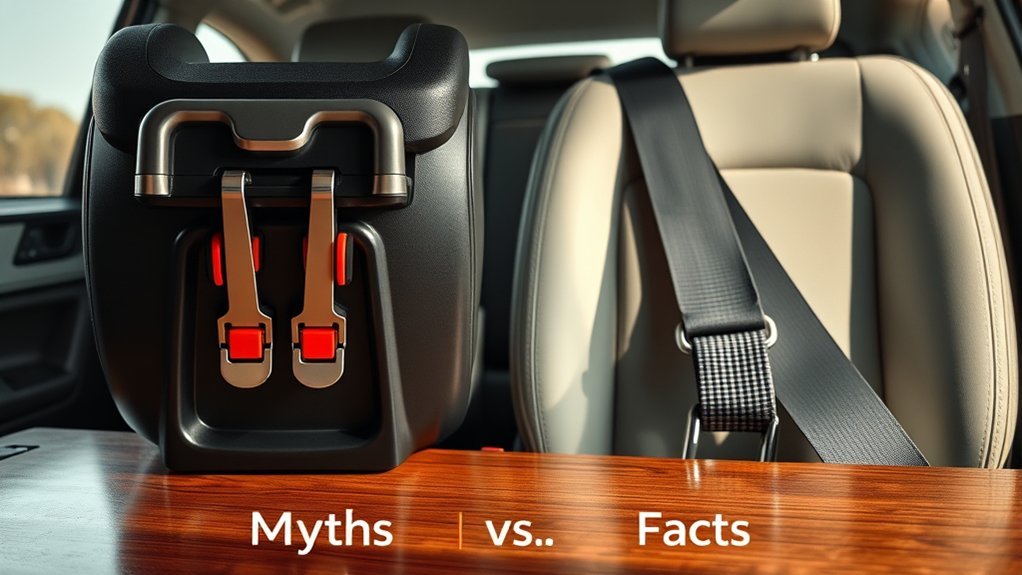
Choosing between Lower Anchors and Tethers for Children (LATCH) and a seatbelt can feel confusing because both methods can secure a car seat safely. The safest choice is the one that fits your car seat, your vehicle, and your child’s current weight. This guide explains how LATCH and seatbelts work, when each method may make sense, and what to check before every ride.
Quick Answer
LATCH and seatbelts can both secure a car seat when you install them correctly. LATCH is not automatically safer than a seatbelt, and many car seats require you to stop using lower anchors once your child reaches a certain combined weight limit. Always follow both the car seat manual and your vehicle manual.
Key Takeaways
- Use either LATCH or a seatbelt, not both, unless both manuals clearly allow it.
- Check the car seat manual and vehicle manual before you install the seat.
- Use the top tether for forward-facing car seats when your vehicle and car seat allow it.
- Stop using lower anchors when your child exceeds the listed weight limit.
- Ask a certified child passenger safety technician to inspect your installation if you feel unsure.
Understanding LATCH: What It Is and How It Works
LATCH stands for Lower Anchors and Tethers for Children. This system lets you attach a car seat to built-in anchors in your vehicle instead of using the seatbelt.
Most rear seating positions in newer vehicles include lower anchors, but anchor locations can vary. Your vehicle manual shows which seating positions allow LATCH installation.
LATCH also includes a top tether for forward-facing seats. The tether helps reduce forward movement during a crash when you attach it to the correct tether anchor.
Warning: Never guess where the anchors are or attach a tether to a cargo hook, headrest post, or other unapproved point.
The Role of Seatbelts in Child Safety
Seatbelts play a key role in child passenger safety. They can secure many rear-facing, forward-facing, and booster seat setups when you route and lock them correctly.
Seatbelts can protect your child when you use the right car seat or booster and install it the right way.
For a car seat installation, you need the belt path that the manufacturer lists for that seat mode. You also need to lock the seatbelt or use the lock-off system if the car seat includes one.
For a child in a booster seat, the seatbelt should lie across the upper thighs and across the center of the chest and shoulder. It should not rest on the belly, neck, or face.
Common Myths About LATCH and Seatbelt Use
Many parents believe LATCH always gives the safest installation. That’s a myth. A seatbelt installation can protect your child just as well when you install the seat correctly.
Some parents also think LATCH always feels easier than a seatbelt. In real life, either method can create mistakes if you miss a belt path, use the wrong anchor, or leave the seat too loose.
Another common myth says you should use both LATCH and the seatbelt for extra protection. Most car seat makers do not allow that unless the manual clearly says you can.
Note: A secure car seat should not move more than one inch side to side or front to back at the belt path.
Facts That Support Safe Transportation Practices
Correct car seat use can reduce a child’s risk of serious injury during a crash. The biggest safety gains come from using the right seat for your child’s age, height, weight, and development.
Children ride safest in the rear seat. Many safety groups also recommend that children stay rear-facing as long as they fit within the car seat’s height and weight limits.
You should check the harness fit before each trip. The harness should sit snugly, and the chest clip should rest at armpit level.
Best Practices for Using LATCH and Seatbelts
Start with the manuals for your vehicle and car seat. Those manuals tell you which seating positions, belt paths, anchor points, and weight limits apply.
If you use LATCH, make sure the lower anchor connectors attach to the correct lower anchors. Then tighten the strap until the seat moves less than one inch at the belt path.
If you use a seatbelt, route it through the correct belt path and lock it as the manual directs. Check the installation after you tighten the belt.
For a forward-facing car seat, attach the top tether when your car seat and vehicle support it. The tether can improve stability and reduce forward head movement in a crash.
When to Switch From LATCH to Seatbelt Installation
LATCH systems have weight limits. Many car seats require you to switch from lower anchors to a seatbelt once your child reaches a stated weight or once the combined weight of the child and seat reaches the manual’s limit.
You do not need to switch because a seatbelt is less safe. You switch because the lower anchor system has limits, and the seatbelt can secure the car seat beyond those limits when the manual allows it.
Check the label on your car seat and the instruction manual. If the numbers do not match, follow the most cautious instruction or contact the manufacturer.
Common Installation Mistakes to Avoid
Small installation mistakes can weaken crash protection. Before you drive, check the most common problem areas.
- Using the wrong belt path for rear-facing or forward-facing mode
- Leaving the car seat loose at the belt path
- Forgetting the top tether on a forward-facing seat
- Using lower anchors past the stated weight limit
- Placing the chest clip too low or too high
If you move the seat to another vehicle, check the fit again. Each vehicle seat shape and belt system can change the installation.
Frequently Asked Questions
Can I use LATCH with older car seats?
You can use LATCH with an older car seat only if the manual allows it and the seat has not expired. Check the car seat label, manual, and recall status before you install it.
What is the weight limit for LATCH systems?
The weight limit depends on the car seat and vehicle instructions. Many seats list a lower-anchor limit based on your child’s weight or the combined weight of your child and the car seat.
Are there any recalls on LATCH systems?
Some car seats and vehicle parts can face recalls, including parts linked to installation systems. Check the car seat manufacturer and your vehicle manufacturer for recall notices.
How do I know if my seatbelt is safe?
Check the belt for cuts, frays, twisting, or slow retraction. Buckle it, tug it firmly, and make sure it locks or works with the car seat’s lock-off system as the manual directs.
Can I install a car seat without LATCH or seatbelts?
No. You need either LATCH or a seatbelt to secure a car seat unless a specialized restraint gives different manufacturer-approved instructions. Follow the car seat manual every time.
Safety Disclaimer: This article is for general information only and does not replace guidance from your car seat manual, vehicle manual, manufacturer, or a certified child passenger safety technician.
Conclusion
Your child’s safety depends more on correct installation than on choosing LATCH or a seatbelt. Use the method that your manuals allow and that gives you a tight, secure fit.
Before each ride, check the belt path, harness, chest clip, and top tether when applicable. A few careful checks can help protect your child on every trip.

