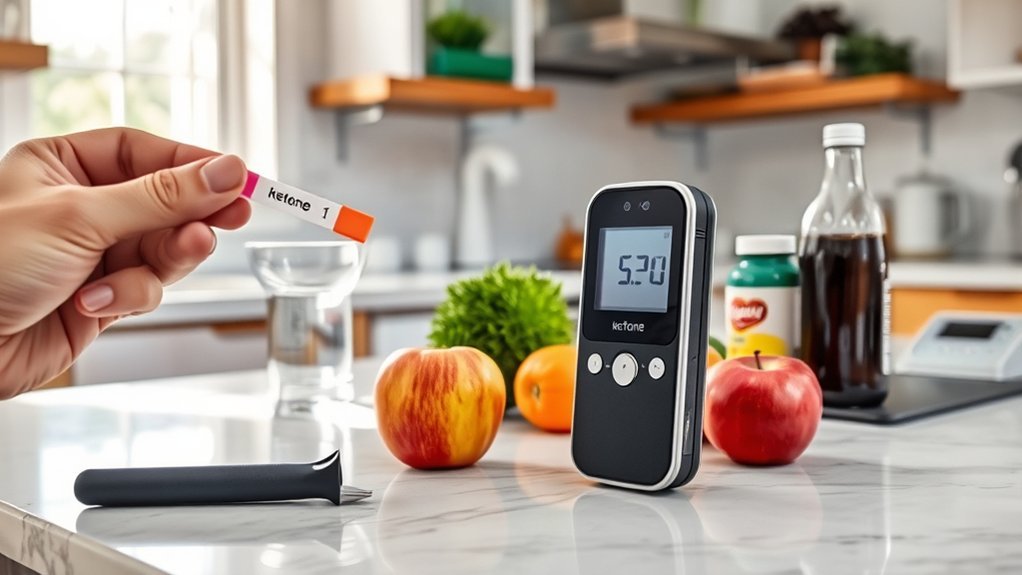
You might think monitoring ketones is unnecessary or too complicated, but having a structured approach can actually simplify your journey toward better health. Understanding how to track your ketone levels effectively and what those numbers really mean is vital. Whether you’re looking to enhance fat burning or optimize your nutrition, knowing the do’s and don’ts of ketone monitoring can make a significant difference in your progress. Let’s explore these essential guidelines.
Understanding Ketones and Their Importance
When you shift your diet to a low-carb or ketogenic approach, your body begins to produce ketones, which serve as an alternative energy source.
Ketones are generated from fat breakdown, becoming essential for fueling your brain and muscles when glucose is low. This metabolic state, known as ketosis, can enhance mental clarity and improve energy levels, making it easier for you to maintain focus throughout the day.
Understanding the importance of ketones can guide your dietary choices. They not only help manage weight but also offer potential therapeutic benefits for conditions like epilepsy and type 2 diabetes.
Monitoring your ketone levels can guarantee you stay within the ideal range for these benefits, making you more aware of your body’s response to dietary adjustments.
Choosing the Right Ketone Monitoring Method
How can you effectively monitor your ketone levels to guarantee you’re reaping the benefits of ketosis? Choosing the right method is essential.
You’ve got three main options: blood, breath, and urine testing. Blood meters provide the most accurate readings, measuring beta-hydroxybutyrate levels directly. They’re ideal if you want precise data for optimizing your diet.
Choose between blood, breath, or urine testing to monitor ketone levels; blood meters offer the most precise insights for your ketogenic diet.
Breath analyzers are non-invasive and measure acetone, but results can be less reliable. Urine strips are the simplest and cheapest option, but they may not reflect your current ketone levels accurately as you adapt to ketosis.
Consider your budget, convenience, and accuracy needs when selecting a method. Whichever you choose, consistent monitoring will help you stay on track with your ketogenic lifestyle.
When to Monitor Your Ketone Levels
Monitoring your ketone levels is vital at key times, such as before starting your keto journey, during weight loss, and when you’re feeling unwell.
These moments can provide valuable insights into your body’s state and help you adjust your diet effectively.
Before Starting Keto
Before starting your keto journey, it’s essential to understand the right moments to check your ketone levels. Monitoring these levels helps guarantee you’re entering ketosis effectively.
| When to Monitor | Purpose | Notes |
|---|---|---|
| Before Starting | Establish baseline ketones | Understand your starting point |
| One Week In | Confirm ketosis | Check if your dietary changes are effective |
| After Carb Refeed | Assess impact | See how carbs affect your ketone levels |
| Monthly Check-In | Long-term adjustment | Guarantee sustained ketosis over time |
During Weight Loss
As you progress through your weight loss journey on keto, knowing when to check your ketone levels becomes essential for maintaining effective fat-burning.
You should monitor your ketones regularly, especially during the initial stages of your diet. This helps you determine if you’re in ketosis and adjusting your food intake accordingly.
Aim to test your levels after a few days of strict adherence to keto, as this is when your body starts to adapt. Additionally, checking after significant carb intake or changes in your routine can provide insights into how your body responds.
When Feeling Unwell
Feeling unwell on a ketogenic diet can sometimes signal an imbalance in your ketone levels, making it essential to check them regularly during these times.
If you experience symptoms like fatigue, dizziness, or nausea, monitoring your ketones can help identify whether you’re in ketosis or experiencing a dip in your levels. Low ketone levels may indicate that you’re not consuming enough healthy fats or possibly consuming too many carbohydrates.
Conversely, high ketone levels could suggest dehydration or inadequate caloric intake. Make sure to stay hydrated and adjust your nutrition as needed.
If symptoms persist, consult a healthcare professional to rule out other underlying issues. Regular monitoring empowers you to make informed decisions about your health while on a ketogenic diet.
Interpreting Ketone Readings Accurately
While you might be enthusiastic to plunge into your ketone readings, interpreting them accurately is critical for effectively managing your ketogenic lifestyle.
Start by understanding the different types of ketones: acetoacetate, beta-hydroxybutyrate, and acetone. Use a reliable meter and confirm it’s calibrated correctly for precision.
Remember, higher ketone levels don’t always equate to better results; it’s the context that matters. Factors like hydration, meal timing, and exercise can influence readings, so take those into account.
Higher ketone levels aren’t always better; consider hydration, meal timing, and exercise for accurate interpretation.
Regularly track your levels to identify patterns, which can offer insights into how your body responds to dietary changes.
Setting Realistic Goals for Ketone Levels
Setting realistic goals for your ketone levels is essential for sustainable success on a ketogenic diet. Aim for a moderate range, typically between 0.5 to 3.0 mmol/L, where most individuals experience benefits without feeling deprived or fatigued.
Remember, everyone’s body responds differently, so it’s vital to personalize your target based on your activity level, metabolic health, and dietary preferences. Regularly monitor your ketone levels to assess progress, adjusting your food intake and activity as needed.
Also, consider the importance of consistency over perfection; fluctuating levels can occur naturally. By setting achievable goals, you’ll foster a positive mindset, making it easier to maintain your ketogenic lifestyle and ultimately achieve long-term health benefits.
Focus on balance and listen to your body’s signals.
Common Mistakes in Ketone Monitoring
When monitoring ketones, you might overlook how often you should test, which can lead to skewed interpretations of your results.
Ignoring recommended testing frequency can leave you misinformed about your body’s state of ketosis.
Additionally, misinterpreting ketone levels can lead to unnecessary adjustments in your diet or lifestyle, so it’s essential to understand what those numbers really mean.
Ignoring Testing Frequency
Many people overlook the importance of consistent ketone testing, which can lead to misguided dietary choices and hinder progress.
Testing infrequently means you might miss essential fluctuations in your ketone levels, making it harder to understand how your body responds to different foods and activities. Aim to test regularly, especially when starting a ketogenic diet or making significant changes.
This consistency helps you identify trends and adjust your intake for best results. Remember, testing too sporadically can create a false sense of confidence in your diet’s effectiveness.
Misinterpreting Ketone Levels
Although you might feel confident in your understanding of ketone levels, misinterpreting the numbers can lead to poor dietary choices and hinder your progress.
One common mistake is assuming that higher ketone levels always mean better fat burning. In reality, excessively high levels can signal nutritional ketosis or even ketoacidosis, which can be dangerous.
Additionally, relying solely on one measurement method, like urine strips, can give you an inaccurate picture since they’re less reliable over time.
Always consider your ketone levels in context, including factors like hydration, recent meals, and exercise.
By accurately interpreting these numbers, you can make informed decisions that support your ketogenic journey and overall health.
Stay educated and focused to optimize your results!
Adjusting Your Diet Based on Ketone Levels
As you monitor your ketone levels, adjusting your diet becomes vital for optimizing your ketogenic journey.
If your ketone levels are lower than desired, consider increasing your healthy fat intake. Foods like avocados, nuts, and olive oil can help elevate those levels.
Conversely, if your ketones are consistently high, you might want to reduce your fat consumption slightly or incorporate more non-starchy vegetables.
Remember, hydration plays an important role too; staying well-hydrated can support ketone production.
Additionally, keep an eye on your protein intake; too much can kick you out of ketosis.
Staying Consistent With Monitoring Practices
Consistency is key in achieving accurate ketone monitoring, ensuring you stay on track with your ketogenic goals.
To make the most of your monitoring practices, consider the following tips:
- Use the same method of measurement (blood, urine, or breath) for consistency.
- Set a regular schedule for testing, such as first thing in the morning or before meals.
- Keep a journal to track your results and dietary changes.
- Stay mindful of hydration, as dehydration can affect ketone levels.
- Review your results weekly to identify trends and adjust your diet as needed.
Seeking Professional Guidance When Needed
When you’re maneuvering through the complexities of a ketogenic diet, seeking professional guidance can be invaluable, especially if you’re unsure about your ketone levels or dietary choices.
Navigating a ketogenic diet can be challenging; professional guidance is vital for understanding your unique needs and optimizing your nutrition.
A registered dietitian or a healthcare provider can help you understand your body’s unique needs and how to optimize your nutrition. They can provide tailored advice based on your health status, lifestyle, and goals, ensuring you’re not just chasing ketones but also maintaining overall well-being.
Additionally, they can assist in interpreting your monitoring results, identifying potential issues, and making necessary adjustments.
Remember, professional support can empower you to make informed, sustainable decisions that align with your ketogenic journey, enhancing both your health and your experience.
Don’t hesitate to reach out when you need expert advice!
Frequently Asked Questions
Can Ketone Levels Fluctuate During Exercise?
Yes, your ketone levels can fluctuate during exercise. As you engage in physical activity, your body shifts between using fat and carbohydrates for energy, impacting ketone production and utilization, which affects overall levels.
What Factors Can Affect Ketone Measurement Accuracy?
When it comes to measuring ketones, a few factors can throw a wrench in the works. Dehydration, timing of tests, and dietary choices all impact accuracy, so stay sharp and monitor closely for reliable results.
Are There Side Effects From Excessive Ketone Monitoring?
Yes, excessive ketone monitoring can lead to anxiety, over-restriction of carbs, and an unhealthy focus on numbers. It’s crucial to balance monitoring with overall well-being and not let it dictate your nutritional choices.
How Do Stress Levels Impact Ketone Production?
Stress can considerably increase ketone production; studies show cortisol, a stress hormone, boosts ketogenesis. When you’re stressed, your body shifts into survival mode, prioritizing energy sources like ketones, impacting your overall metabolic health.
Can Medications Interfere With Ketone Readings?
Yes, medications can interfere with ketone readings. Some drugs, like certain diuretics or corticosteroids, might alter metabolism and affect ketone levels. It’s essential to consult your healthcare provider for personalized advice based on your medications.
Conclusion
In your journey to monitor ketone levels, remember that consistency is key, like the steady rhythm of a heartbeat. Keep a reliable testing schedule, track your readings, and adjust your diet mindfully. Higher ketone levels don’t always spell success, so stay hydrated and nourish your body with balanced nutrition. By following these guidelines and remaining open to seeking professional advice, you’ll navigate your path to better health with confidence and clarity.