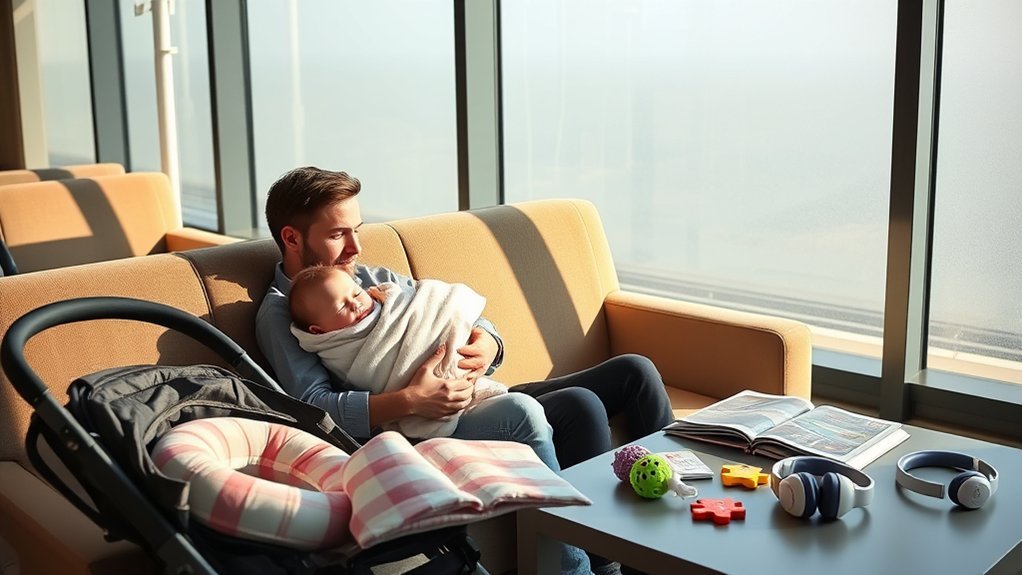
Traveling with a baby can be challenging, especially when it comes to managing jet lag. You know how essential it is to keep your little one comfortable and well-rested. With a few practical strategies, you can help ease the shift to a new time zone. From adjusting sleep schedules to choosing the right flight times, there are effective ways to minimize disruption. Let’s explore these tips to make your journey as smooth as possible.
Understanding Jet Lag in Babies
When you travel across time zones with your baby, it’s important to understand how jet lag can affect them. Babies have smaller internal clocks, making them more susceptible to sleep disruptions. You might notice your little one feeling fussy, sleeping less, or waking up at odd hours.
Jet lag occurs because their bodies struggle to adjust to the new time zone, leading to a misalignment between their circadian rhythm and the local time. Symptoms can last a few days, leaving both of you feeling exhausted. It’s essential to recognize these signs early so you can provide comfort and reassurance.
Keeping your baby hydrated and engaged during the day can help ease the shift, leading to better sleep for everyone involved.
Adjusting Sleep Schedules Before Travel
Before you travel, it’s helpful to gradually adjust your baby’s bedtime to align with the new time zone.
Exposing them to morning light can also make a big difference in resetting their internal clock.
Plus, keeping a consistent nap schedule will help ease the adjustment, making the journey smoother for everyone.
Gradual Bedtime Adjustments
Adjusting your baby’s sleep schedule ahead of travel can make a world of difference, especially when it comes to minimizing jet lag.
Start by shifting their bedtime in small increments—about 15 to 30 minutes earlier or later each night, depending on your destination’s time zone. This gradual approach helps their internal clock adapt without causing too much disruption. Aim to complete these adjustments a few days before your trip.
Keep the sleep environment consistent, using familiar blankets or stuffed animals to help your baby feel secure. During this shift, be patient and flexible; some nights might be tougher than others.
Your efforts will pay off when you arrive at your destination and your baby adjusts more easily.
Morning Light Exposure
To help your baby acclimate to a new time zone, exposing them to morning light can be incredibly beneficial. Natural sunlight helps regulate your baby’s internal clock, signaling that it’s time to be awake and alert.
A few days before your trip, try to gradually shift their wake-up time earlier. Open the curtains or take them outside in the morning to soak up that bright light. You’ll want to aim for at least 20-30 minutes of exposure.
This simple adjustment can make a significant difference in how quickly your little one adapts post-travel. Remember, consistency is key—if you can stick to this routine, your baby will have a smoother adjustment into the new time zone.
Consistent Nap Schedule
As you prepare for travel, maintaining a consistent nap schedule can ease your baby’s adjustment into a new time zone.
Start shifting your baby’s nap times gradually a week before your trip. If you’re traveling east, try napping earlier; for westward journeys, push naps later. This gradual adjustment helps your little one adapt to the new schedule without too much stress.
Keep a calming routine before naps, like reading a book or singing a lullaby, to signal it’s time to rest.
Consistency is key—try to stick to the same duration and timing each day. This practice not only prepares your baby for the trip but also creates a familiar rhythm, making it easier for them to settle in once you arrive.
Choosing the Right Flight Times
When planning your trip, choosing the right flight times can make all the difference for you and your baby.
Consider ideal departure hours that align with your little one’s sleep schedule, and weigh the benefits of shorter flight durations.
You’ll also want to think about whether an overnight or daytime flight would work best for keeping everyone rested and comfortable.
Optimal Departure Hours
Choosing the right flight times can greatly ease the stress of traveling with a baby, especially when you’re managing the challenges of jet lag.
Opt for flights that align with your baby’s natural sleep schedule. Evening flights often allow for a smoother changeover, as your little one can sleep during the journey. If you’re traveling east, consider morning departures; if heading west, late afternoon might work best.
Check your baby’s napping patterns and try to book flights that minimize disruptions to their routine. Additionally, consider layovers carefully; longer ones can be exhausting.
Shorter Flight Durations
Shorter flight durations can make a world of difference when traveling with a baby. When you choose flights that minimize travel time, you reduce the chances of your little one becoming overtired or fussy.
Here are some practical tips to contemplate:
- Direct flights: Avoid layovers to streamline your journey.
- Timing matters: Opt for flights during your baby’s usual nap or sleep times.
- Consider local distances: Shorter distances mean less time in the air.
- Plan for flexibility: Look for airlines that allow changes in case of delays.
- Pack smart: Bring only essentials to make boarding and disembarking easier.
Overnight vs. Daytime Flights
While many parents grapple with the decision between overnight and daytime flights, each option holds unique advantages for traveling with a baby.
Overnight flights often align with your baby’s sleep schedule, allowing you to potentially minimize disruptions. Your little one might sleep through most of the journey, making it easier for you to manage.
However, daytime flights can provide an excellent opportunity for engaging with your baby, keeping them entertained with toys or snacks. Plus, you’ll have more natural light, which can help reset their internal clock upon arrival.
Ultimately, consider your baby’s temperament and routine when choosing the best flight time. A well-timed flight can make all the difference in reducing jet lag and ensuring a smoother travel experience.
Keeping Your Baby Comfortable During Travel
Traveling with a baby can be challenging, but keeping them comfortable makes the journey smoother for everyone involved. Here are some practical tips to enhance your baby’s travel experience:
- Dress in Layers: Airplane temperatures can vary, so dress your baby in layers to keep them cozy.
- Bring Familiar Items: Pack their favorite blanket or toy to provide comfort and familiarity in a new environment.
- Choose the Right Time: Schedule flights during their usual nap or sleep times to help them settle into a routine.
- Use a Travel System: A stroller and car seat combo can make maneuvering the airport easier and safer.
- Plan Breaks: Schedule breaks during long trips to stretch, change diapers, and allow your baby to move around.
Your baby’s comfort is key to a happier journey!
Hydration and Nutrition on the Go
Ensuring your baby stays hydrated and well-nourished during travel is essential for their comfort and well-being.
Pack a cooler or insulated bag with their favorite snacks and meals to keep them satisfied on the go. Opt for easy-to-eat items like fruit, yogurt, or finger foods that require minimal preparation.
Remember to keep a water bottle handy—your little one needs fluids, especially in dry airplane cabins. If you’re formula-feeding, pre-measure the formula and bring bottled water for convenience.
Don’t forget to offer fluids frequently during the trip, as it can help prevent dehydration. Pay attention to their cues, and if they seem hungry or thirsty, respond quickly.
A happy, well-fed baby makes for a smoother journey!
Creating a Familiar Sleep Environment
Creating a familiar sleep environment can greatly ease your baby’s shift during travel. When you replicate their regular sleeping conditions, it helps them feel more secure and comfortable, which is essential for a restful night.
Here are some practical tips to achieve this:
- Bring their favorite blanket or stuffed toy to provide comfort.
- Use a portable white noise machine to drown out unfamiliar sounds.
- Set up a travel crib that resembles their usual sleeping space.
- Dim the lights to mimic their bedtime routine.
- Maintain a consistent bedtime routine, even while on the go.
Gradually Transitioning to the New Time Zone
As your family prepares for a trip, gradually shifting your baby to the new time zone can make a world of difference in their adjustment.
Start this process a few days before departure. You can do this by moving nap and bedtime by 15-30 minutes closer to the destination’s schedule each day. If your baby typically naps at noon, aim for 11:30 AM to ease them into the change.
During this time, expose them to natural light in the morning and dim the lights in the evening to help regulate their internal clock. Be consistent with meals, too, as this can reinforce the new schedule.
Monitoring Baby’s Behavior and Adjusting Accordingly
While traveling can be exciting, it can also be challenging for your baby, making it essential to monitor their behavior closely during this shift.
Pay attention to their cues and adjust your plans accordingly to help ease the transition. Here are some signs to look for:
- Sleepiness: If your baby seems unusually tired, it might be time for a nap.
- Fussiness: Increased irritability can indicate they’re overwhelmed or overstimulated.
- Hunger cues: Changes in appetite may signal discomfort or an adjustment to new feeding times.
- Alertness: Watch for signs of alertness when it’s time to engage in play or interaction.
- Routine disruptions: If their usual routine is off, consider making temporary adjustments to help them cope.
Being attentive can make a big difference!
Frequently Asked Questions
Can I Use Melatonin for My Baby’s Jet Lag?
You can consider using melatonin for your baby’s jet lag, but it’s essential to consult your pediatrician first. They’ll guide you on the right dosage and timing to guarantee your baby’s safety and well-being.
How Long Does Jet Lag Last in Babies?
Jet lag in babies usually lasts about one to three days, depending on their age and how well they adjust. You’ll notice their sleep patterns gradually normalize as they adapt to the new time zone.
Are There Specific Airlines That Accommodate Families Better?
When you’re flying with little ones, some airlines roll out the red carpet for families. Look for those offering extra legroom, priority boarding, and kid-friendly amenities to make your journey smoother and more enjoyable.
What Should I Do if My Baby Refuses to Sleep?
If your baby refuses to sleep, try soothing techniques like gentle rocking or a warm bath. Keep the environment dim and quiet, and don’t stress; they’ll eventually settle down and find their rhythm.
Can I Travel With a Newborn to Avoid Jet Lag?
Yes, you can travel with a newborn to minimize jet lag. Studies show infants adapt to new time zones faster than adults, so plan short trips during their usual sleep times for smoother changes and less disruption.
Conclusion
Steering through jet lag with your baby can feel like a tough mountain to climb, but with the right strategies, you can make the journey smoother. By gradually adjusting sleep schedules, choosing convenient flight times, and creating a comforting environment, you’ll help your little one adapt faster. Remember to stay attentive to their needs and behaviors; every baby is unique. With a little preparation, you can turn travel time into a positive experience for both of you!
