Newborn jaundice can look scary, especially when your baby’s skin or eyes start to turn yellow. Most cases stay mild, but bilirubin can rise quickly in the first days after birth. You’ll learn what newborn jaundice means, which warning signs need urgent care, which myths to avoid, and how doctors treat it safely.
Quick Answer
Newborn jaundice happens when bilirubin builds up and makes your baby’s skin or eyes look yellow. It often appears between day 2 and day 4 after birth. You should call your clinician if jaundice spreads, appears in the first 24 hours, or comes with poor feeding, unusual sleepiness, dark urine, or pale stools.
Key Takeaways
- Watch for yellow skin or eyes, especially during the first week after birth.
- Call your clinician fast if jaundice appears in the first 24 hours.
- Track feeding and diaper output because low intake can raise bilirubin risk.
- Avoid sunlight, water, juice, herbs, or goat’s milk as jaundice treatments.
- Trust bilirubin checks and phototherapy when your clinician recommends them.
What Is Newborn Jaundice?
Newborn jaundice is a common condition that makes a baby’s skin and eyes look yellow. It happens when bilirubin builds up in the blood. You may notice newborn jaundice between day 2 and day 4 after birth.
Bilirubin is a yellow pigment that forms when red blood cells break down. Your baby’s liver may need time to clear it well. Most cases stay mild and resolve without treatment, but you should still watch changes closely.
Most cases stay mild and resolve without treatment, but you should still watch changes closely.
You can track jaundice with visual checks and a blood test that measures bilirubin levels. Careful monitoring helps you act early if levels rise.
Severe jaundice can cause complications, including kernicterus, a rare but serious brain injury. Timely treatment helps protect your baby from lasting harm. Pre-hepatic jaundice can occur in newborns when hemolysis increases bilirubin production.
You don’t have to accept uncertainty. Clear assessment supports safer, more informed care for you and your family.
Why Newborn Jaundice Happens
You’ll see newborn jaundice when bilirubin builds up faster than your baby’s immature liver can clear it. This happens often in the first days of life. Your baby may face higher risk after early birth, significant bruising, or blood type incompatibility.
Feeding problems and some breast milk patterns can also affect bilirubin levels. Careful monitoring helps your clinician decide when your baby needs treatment. Understanding the causes of jaundice also helps you seek care at the right time.
Bilirubin Build-Up Causes
Jaundice happens when bilirubin builds up in the blood faster than a baby’s body can remove it. In newborns, this yellow pigment comes from the natural breakdown of red blood cells. Your baby makes more bilirubin because fetal red blood cells turn over quickly.
Most newborns develop physiologic jaundice as the liver catches up, often peaking around day four. If your baby has a blood type incompatibility, red blood cells can break down faster and raise bilirubin further.
Breastfeeding jaundice can also happen when poor intake lowers fluid and calorie supply. Low intake can slow stooling and reduce bilirubin removal. Breast milk itself usually isn’t the problem in early breastfeeding jaundice.
You can ask about treatment if jaundice looks strong, lasts longer than expected, or creates concern.
Common Newborn Risk Factors
Several common factors can make jaundice more likely in the first days of life. If your baby had a premature birth, the liver may clear bilirubin more slowly. High bilirubin levels may appear sooner in these babies.
You may also see jaundice after Rh incompatibility or ABO mismatch. These conditions can break down red blood cells and raise bilirubin. Significant bruising during delivery can do the same.
In breastfed babies, breastfeeding difficulties or low intake can limit stooling and bilirubin removal. A family history of jaundice can also increase risk.
These common newborn patterns don’t mean you failed. They help explain why some babies develop different types of jaundice. They also show why careful monitoring supports safer care.
Signs of Newborn Jaundice and Who’s at Risk
You may notice newborn jaundice first as yellowing of the face between days 2 and 4 after birth. The yellow color may spread downward as bilirubin rises.
You’re more likely to see jaundice if your baby was born early, has a blood type mismatch with you, or had significant bruising during delivery. Feeding problems can also raise the risk.
Monitor how often your baby feeds and how many wet and dirty diapers they have. Early recognition of these jaundice symptoms supports timely care.
Early Warning Signs
Watch closely in the first few days after birth. Newborn jaundice often appears between day 2 and day 4. It may start with yellowing of the face before moving downward.
You may notice yellow skin, yellow eyes, dark urine, or pale stools. These warning signs can point to rising bilirubin levels. Dark urine and pale stools need prompt medical advice.
Track feeding frequency and diaper output. Poor intake can let bilirubin stay elevated longer, especially while breastfeeding is still getting established.
Premature babies have increased risk. Bruising or blood type incompatibility can add to that risk. If you see these changes, contact your clinician promptly.
Early assessment supports timely treatment and helps you protect your baby with calm, informed action.
Risk Factors To Watch
Some newborns are more likely to develop jaundice than others. Knowing these risk factors can help you stay alert in the first few days after birth.
You can watch for baby jaundice between days 2 and 4. During this time, bilirubin often rises and yellow skin may appear first on the face.
- Premature infants face a higher risk.
- A different blood type from yours can trigger red cell breakdown.
- Delivery bruising can raise bilirubin.
- Breastfeeding difficulties may limit intake and slow bilirubin clearance.
- Family history can add risk.
If you notice yellowing spreading downward, contact your clinician. Early evaluation supports timely treatment and helps you protect your newborn with confidence.
When Newborn Jaundice Is an Emergency
If your newborn’s skin or eyes look more yellow, seek urgent care. You should also get help if your baby seems lethargic, feeds poorly, or feels hard to wake.
Jaundice that appears in the first 24 hours after birth needs immediate evaluation. Early jaundice can point to a pathologic cause that needs prompt care.
Warning: Get urgent medical help if your baby is hard to wake, feeds poorly, cries in a high-pitched way, or looks very yellow.
Watch for high-pitched crying, irritability, arching, limpness, or any sign of distress. These signs can suggest bilirubin-induced neurologic dysfunction.
You deserve clear information and timely action. Prompt treatment can prevent neurological damage. Severe untreated jaundice can lead to permanent brain damage or, in rare cases, death.
Trust your instincts, contact your clinician right away, and don’t wait for symptoms to worsen. Early assessment gives your baby the safest path forward.
Myths About Jaundice Treatment
A few common myths about jaundice treatment can put your baby at risk. You deserve clear facts. Jaundice in newborns needs evidence-based care, not guesswork.
Sunlight isn’t a safe treatment plan. Direct exposure can overheat your baby and cause dehydration. Phototherapy uses special blue lights and treats high bilirubin when your clinician recommends it.
- Water or juice won’t lower bilirubin and may disrupt breast milk feeding.
- Herbs and tea baths don’t reach bilirubin inside the body.
- Fresh goat’s milk isn’t safe because unpasteurized milk can spread infection.
- Non-medical advice can delay care your newborn may need.
- Delays can raise the risk of kernicterus, a preventable brain injury.
Keep breastfeeding unless your clinician tells you otherwise. Regular feeds support stooling and help your baby remove bilirubin. Understanding bilirubin accumulation helps you recognize when to seek medical care.
If a remedy sounds simple but lacks medical support, treat it as a myth. You can protect your baby by choosing safe, timely care and asking a clinician about any concern.
How Doctors Treat Newborn Jaundice
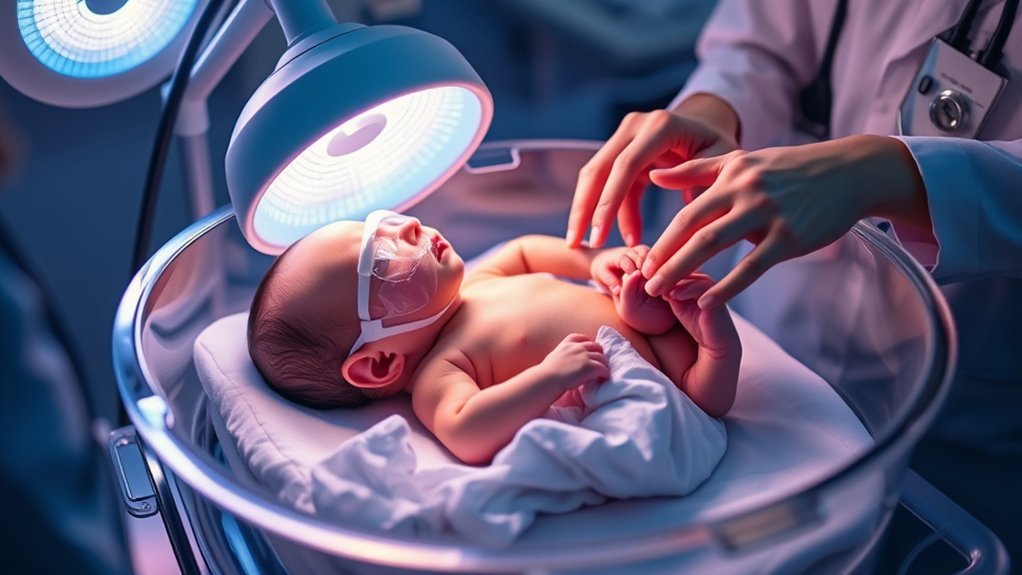
When bilirubin levels rise, doctors usually treat newborn jaundice with phototherapy. This treatment uses special blue lights that help break down bilirubin in the skin.
You may see your newborn under these lights in the hospital or during follow-up care. Pediatricians track progress with bilirubin checks and physical exams.
If bilirubin stays dangerously high, your clinician may recommend an exchange transfusion. This treatment lowers bilirubin quickly and helps reduce serious complications.
Treatment plans depend on your baby’s age in hours, bilirubin level, risk factors, and overall health. This approach helps care stay timely and safe.
Keep breastfeeding during phototherapy unless your clinician gives different advice. Regular feeds help your baby pass bilirubin through urine and stool. Hydration is vital to support your baby’s digestive health during treatment.
Pro tip: Write down feeding times, wet diapers, dirty diapers, and jaundice changes before each follow-up visit.
You can ask questions, review results, and understand each step. Informed care supports confidence and helps protect your newborn from preventable harm.
With prompt monitoring and the right treatment, most babies recover well and avoid serious complications.
What Parents Can Do at Home
You can support your baby by watching feeding, diaper output, and skin color each day. Good notes help your clinician see whether jaundice improves or worsens.
Feed your baby as your clinician recommends, and ask for lactation help if breastfeeding feels painful or your baby struggles to latch. More effective feeding can help your baby pass bilirubin through stool.
Check your baby in natural light, but don’t place your baby in direct sunlight for treatment. Call your clinician if the yellow color spreads, your baby feeds less, or diaper output drops.
Frequently Asked Questions
How long does newborn jaundice usually last?
Mild newborn jaundice often improves as your baby feeds better and the liver matures. Some babies need closer follow-up, especially if they were born early or have risk factors.
Can I treat newborn jaundice with sunlight?
No, you shouldn’t use direct sunlight as treatment. It can overheat your baby, cause dehydration, and delay medical care that your baby may need.
Does breastfeeding make jaundice worse?
Breastfeeding itself usually helps your baby remove bilirubin through stool. Low intake can raise bilirubin risk, so ask for feeding help if your baby latches poorly or has fewer diapers.
When should I call a doctor about newborn jaundice?
Call your clinician if jaundice appears in the first 24 hours, spreads quickly, or looks intense. Seek urgent care if your baby is hard to wake, feeds poorly, has dark urine, or has pale stools.
What treatment do doctors use for high bilirubin?
Doctors often use phototherapy when bilirubin rises above the safe range for your baby’s age and risk level. If bilirubin becomes dangerously high, your clinician may recommend more urgent treatment.
Medical Disclaimer: This article is for informational purposes only and does not constitute professional medical advice. Always consult a qualified doctor before making decisions based on this information.
Conclusion
Newborn jaundice is common, but careful monitoring matters because bilirubin can rise fast. Watch for spreading yellow color, poor feeding, unusual sleepiness, dark urine, or pale stools. Contact your doctor if you’re concerned, especially during the first week after birth.
Safe care depends on bilirubin checks, good feeding support, and treatment when your clinician recommends it. By knowing the signs and avoiding myths, you can act early and help your baby stay healthy, comfortable, and well cared for.