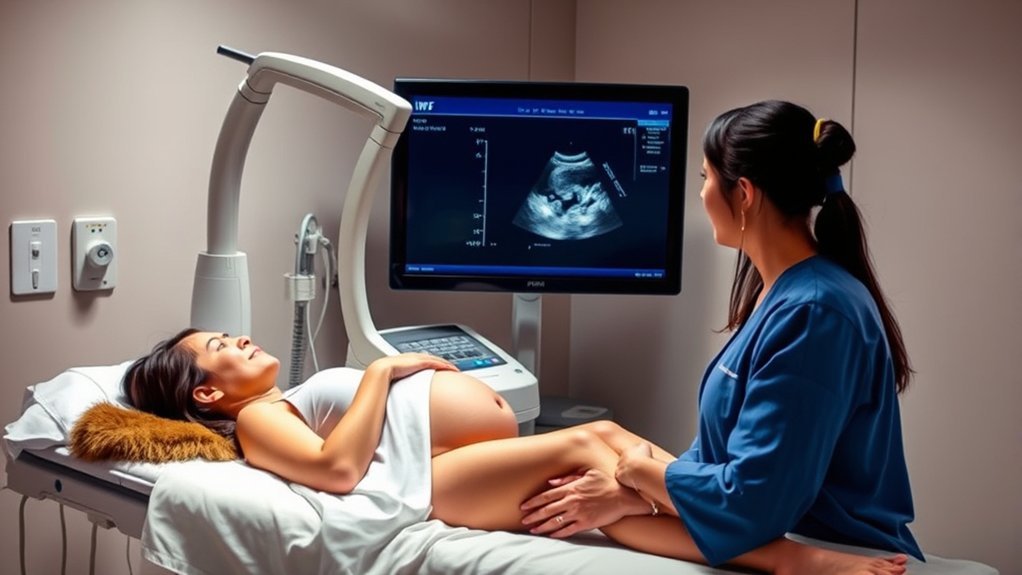
When managing IVF pregnancy monitoring, you might encounter several myths that can lead to misunderstanding. For instance, many believe that detecting a heartbeat means all’s well and no further checks are necessary. However, ongoing monitoring is critical for both maternal and fetal health. Understanding the facts behind these misconceptions can help you set realistic expectations throughout your IVF journey. Let’s explore what you really need to know about monitoring and its importance.
Common Misconceptions About IVF Pregnancy Monitoring
What do you really know about IVF pregnancy monitoring? Many misconceptions exist around this topic. For instance, some people believe that monitoring is only essential in the early stages. In reality, continuous monitoring throughout the pregnancy is important for both maternal and fetal health. You might think IVF pregnancies require more frequent doctor visits than natural ones, but after confirming pregnancy, the schedule typically aligns with standard prenatal care. Another common misconception is that IVF pregnancies are prone to complications solely due to technology. However, monitoring focuses on typical risk factors like gestational diabetes and hypertension. Remember, just because a heartbeat is detected, it doesn’t mean further monitoring isn’t necessary; regular ultrasounds and tests remain crucial throughout the pregnancy.
The Importance of Monitoring in IVF
Monitoring during IVF is essential for tracking embryo development and hormonal levels. By keeping a close eye on these factors, you can guarantee that everything is progressing as it should, boosting your chances for a successful outcome. This proactive approach not only helps in managing your treatment but also provides peace of mind throughout the process.
Monitoring Embryo Development
As you navigate the IVF journey, understanding the importance of monitoring embryo development can profoundly impact your chances of success. This process is essential because it helps assess the quality and viability of your embryos before selection for transfer. Typically, embryos are monitored for several days, with blastocyst stage embryos (day 5 or 6) showing higher implantation potential. Advanced techniques like time-lapse imaging provide accurate information about growth patterns, enhancing your chances of selecting the most viable embryos. Regular monitoring also helps identify any abnormalities, allowing fertility specialists to make informed decisions. By focusing on effective monitoring embryo development, you can greatly boost the success rates of IVF, leading to higher live birth rates and a more hopeful outcome.
Tracking Hormonal Levels
Understanding your hormonal levels is vital during the IVF process, as these hormones play a key role in determining how your body responds to fertility treatments. Tracking hormonal levels, particularly estrogen and progesterone, helps assess your ovarian response to stimulation medications, ensuring ideal follicle development and timing for egg retrieval. Blood tests are conducted regularly to monitor these fluctuations, guiding necessary adjustments in your IVF treatment. Abnormal hormone levels can indicate potential issues, like inadequate ovarian response or concerns with embryo implantation, allowing for timely interventions. Successful monitoring markedly enhances your chances of a successful IVF cycle by providing important insights into your reproductive health and treatment effectiveness, making fertility testing an indispensable part of your journey.
Understanding the Risks and Health of IVF Pregnancies
While many people worry about the risks associated with IVF pregnancies, research indicates that most ART-conceived babies are born healthy, similar to those conceived naturally. However, it’s essential to understand some of the potential health implications:
- Birth Defects: The risk is about 3-5%, comparable to natural pregnancies.
- Preterm Birth: IVF pregnancies may lead to preterm birth, especially with multiple embryos.
- Low Birth Weight: Multiple transfers can increase the likelihood of low birth weight.
- Advancements in Technology: Techniques like single embryo transfer (SET) help reduce the risks associated with multiple pregnancies while maintaining healthy outcomes.
Frequency and Methods of IVF Monitoring
Monitoring during an IVF pregnancy plays an essential role in ensuring both your health and the development of your baby. Typically, you’ll start pregnancy monitoring about a week after embryo transfer, with blood tests to check your beta-hCG levels, which indicate pregnancy. Follow-up ultrasounds usually occur around 6-7 weeks post-transfer to visualize the gestational sac and confirm the embryo’s heartbeat. While the frequency of these monitoring sessions may vary based on individual circumstances, many clinics recommend check-ups every few days to weekly during early pregnancy. Advanced technology, like 3D ultrasounds, may also be utilized to provide detailed imaging, ensuring healthy embryo development throughout your IVF cycles. Staying informed helps you feel secure during this vital time.
Emotional and Psychological Aspects of Monitoring

As you navigate the journey of IVF pregnancy monitoring, it’s important to recognize the emotional and psychological challenges that often accompany this experience. Many individuals face heightened anxiety and stress regarding treatment outcomes. Here are key aspects to reflect upon:
Navigating IVF pregnancy monitoring involves emotional challenges; understanding and addressing these can ease anxiety and foster resilience.
- Emotional Support: Seeking counseling or joining support groups can help you manage fluctuating emotions like hope and fear.
- Regular Monitoring: Consistent check-ups provide reassurance through data on embryo development, alleviating concerns.
- Open Communication: Keeping in touch with healthcare providers fosters connection and combats feelings of isolation.
- Mental Health Resources: Engaging in mental health screenings can address psychological challenges, promoting a positive mindset throughout your IVF monitoring.
What to Expect During IVF Pregnancy Monitoring
Steering through the early stages of an IVF pregnancy brings a mix of hope and apprehension, especially as you begin your monitoring journey. IVF pregnancy monitoring starts with a blood test about 10-14 days after embryo transfer to confirm your pregnancy and assess hormone levels, particularly hCG. You’ll typically have ultrasounds around 6-8 weeks to check for fetal heartbeat and development. Your fertility specialist will schedule regular appointments every few weeks during the first trimester, adapting to your individual health needs. They’ll also monitor for potential complications like ectopic pregnancies or multiple gestations if more than one embryo was transferred. Open communication with your specialist is essential to address concerns and optimize outcomes for you and your baby.
Frequently Asked Questions
Do IVF Pregnancies Need More Monitoring?
Yes, IVF pregnancies need more monitoring. You’ll typically have early ultrasounds and blood tests to guarantee everything’s progressing well, especially since IVF can carry higher risks of complications compared to natural conceptions.
Are IVF Babies Usually Early or Late?
IVF babies often arrive early, like enthusiastic birds leaving the nest. However, with careful monitoring and single embryo transfers, many can also be born at full term, balancing the scales between early and late arrivals.
What I Wish I Knew Before IVF?
You wish you knew IVF isn’t always straightforward; multiple cycles may be needed, emotional support is essential, costs can add up, and lifestyle choices greatly impact success. Preparing for these factors helps you navigate the journey better.
What Are Two Arguments Against IVF?
Two arguments against IVF include its emotional toll, with many experiencing anxiety or depression, and the financial burden, as treatment costs can be high and insurance coverage often limited, adding stress to an already challenging journey.
Conclusion
In summary, staying informed about IVF pregnancy monitoring is essential for your peace of mind and the health of both you and your baby. Did you know that around 60% of IVF pregnancies are carried to full term? Regular check-ups can help you navigate any potential risks and guarantee a positive outcome. By understanding the facts and committing to ongoing monitoring, you’re taking empowered steps towards a healthy pregnancy journey. Remember, you’re not alone in this process.