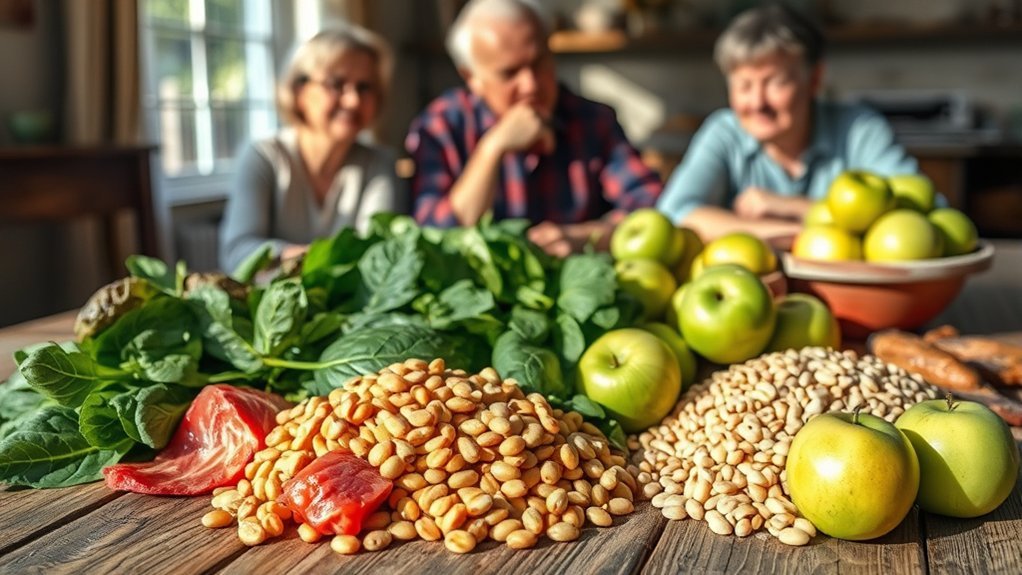
Iron is essential for your health, yet many face deficiencies due to various factors. While some may overlook dietary choices, others struggle with increased iron needs during key life stages. Understanding the causes and risk factors can help you identify where you stand. What are the common sources of iron, and how can your lifestyle choices impact your levels? Unpacking these questions can lead to better health outcomes.
Understanding Iron’s Role in the Body
Although you mightn’t think about it often, iron plays a crucial role in your body’s overall health. It’s essential for producing hemoglobin, the protein in red blood cells that carries oxygen from your lungs to your body’s tissues.
Without adequate iron, your cells can’t get the oxygen they need to function properly, which can lead to fatigue and decreased immune function. Iron also supports your metabolism and is necessary for synthesizing certain hormones and connective tissues.
You need to balance your iron intake, as both deficiency and excess can cause health issues. Including iron-rich foods like lean meats, beans, and fortified cereals in your diet can help maintain ideal levels for your well-being.
Common Causes of Iron Deficiency
Iron deficiency often stems from a few key issues.
You mightn’t be getting enough iron in your diet, or your body may need more iron during certain life stages, like pregnancy.
Additionally, malabsorption disorders can hinder your body’s ability to take in this essential mineral.
Dietary Insufficiency
When you don’t consume enough iron-rich foods, your body can struggle to maintain healthy levels of this essential mineral, leading to deficiency.
Common dietary insufficiencies stem from a lack of foods like red meat, poultry, fish, beans, and fortified cereals in your daily intake.
Vegetarians and vegans are particularly at risk, as plant-based sources contain non-heme iron, which is less easily absorbed by the body.
Additionally, diets high in calcium, fiber, or tannins—found in tea and coffee—can inhibit iron absorption.
If you often skip meals or rely heavily on processed foods, your iron intake might be insufficient.
Being aware of your dietary choices is vital in preventing iron deficiency and maintaining overall health.
Increased Demand
As your body’s demands for iron increase, it may become challenging to meet those needs through diet alone. Certain life stages, like pregnancy, considerably raise your iron requirements. During pregnancy, your body needs extra iron for fetal development and increased blood volume, putting you at higher risk for deficiency.
Similarly, growing children and adolescents require more iron for rapid growth and development. Athletes also face increased demands due to higher physical activity levels, leading to greater iron loss through sweat and muscle breakdown.
If you’re a menstruating woman, monthly blood loss can further elevate your iron needs. Recognizing these increased demands helps you prioritize iron-rich foods or supplements to maintain ideal levels and support your overall health.
Malabsorption Disorders
Malabsorption disorders can greatly hinder your body’s ability to absorb iron, leading to deficiency despite adequate dietary intake. Conditions like celiac disease, Crohn’s disease, and gastric bypass surgery can damage the intestinal lining, reducing nutrient absorption.
If you suffer from symptoms such as bloating, diarrhea, or fatigue, it might be worth consulting a healthcare provider. They can perform tests to diagnose any underlying malabsorption issues.
Treatment often involves dietary changes, supplementation, or medication to manage the disorder. By addressing the root cause, you can improve your iron levels and overall health.
Dietary Sources of Iron
Although many people may not realize it, dietary sources of iron play a critical role in maintaining ideal health. Eating iron-rich foods can help prevent deficiency and support overall well-being. Here are some key sources of iron you should consider adding to your diet:
| Food Source | Type of Iron | Iron Content (mg per 100g) |
|---|---|---|
| Red Meat | Heme | 2.7 |
| Spinach | Non-Heme | 2.7 |
| Lentils | Non-Heme | 3.3 |
| Chicken | Heme | 1.2 |
| Fortified Cereals | Non-Heme | 4.6 |
Incorporating these foods can help you meet your daily iron needs and maintain your energy levels. Make sure to balance your diet for ideal absorption!
Risk Factors for Iron Deficiency in Children
Iron deficiency in children can arise from various risk factors that parents should be aware of to guarantee their little ones maintain ideal health.
One major risk is inadequate dietary intake, especially in picky eaters who avoid iron-rich foods. Additionally, children on a vegetarian or vegan diet may struggle to meet their iron needs without proper planning.
Inadequate dietary intake poses a significant risk for children, particularly picky eaters and those on vegetarian or vegan diets.
Infants, particularly those born prematurely, are also at a higher risk due to lower iron stores. Rapid growth periods can increase demand, making it essential to monitor iron levels.
Finally, certain medical conditions, like gastrointestinal disorders, can hinder iron absorption.
Iron Deficiency in Women: Unique Considerations
When considering iron deficiency, women face unique challenges that can greatly impact their health. These challenges often stem from biological and lifestyle factors that increase their iron needs.
Here are some key considerations:
- Menstruation: Regular blood loss during periods can lead to decreased iron levels, especially in those with heavy flows.
- Pregnancy: The body’s demand for iron rises considerably to support fetal development, heightening the risk of deficiency.
- Dietary Choices: Women may follow diets lower in iron-rich foods, such as red meat, which can contribute to inadequate intake.
- Health Conditions: Conditions like endometriosis or gastrointestinal disorders can affect iron absorption, further complicating deficiency issues.
Addressing these factors is essential for maintaining ideal iron levels and overall health.
The Impact of Age on Iron Needs
As you age, your iron needs can change considerably due to various physiological factors.
For instance, children and teenagers require more iron to support growth and development, while adult men generally need less than women of childbearing age due to menstruation. After menopause, women’s iron requirements decrease as well.
Older adults may also face challenges in absorbing iron efficiently, often due to changes in gut health or medications that affect absorption.
Consequently, it’s essential to adjust your iron intake accordingly, focusing on food sources like lean meats, beans, and fortified cereals.
Regular check-ups can help monitor your iron levels, ensuring you’re meeting your body’s unique needs as you move through different life stages.
Lifestyle Choices Affecting Iron Levels
Your lifestyle choices greatly impact your iron levels, from what you eat to how active you are.
A balanced diet rich in iron, regular physical activity, and mindful alcohol consumption can enhance your iron status.
Understanding these factors is essential for maintaining adequate iron levels and overall health.
Dietary Habits Impacting Iron
Dietary habits play an essential role in determining your iron levels, as the types of foods you consume can greatly influence absorption. Here are four key factors to take into account:
- Heme vs. Non-Heme Iron: Heme iron from animal sources is absorbed more effectively than non-heme iron from plant sources.
- Vitamin C Intake: Consuming vitamin C-rich foods alongside iron sources enhances absorption.
- Calcium Competition: High calcium intake can hinder iron absorption; try to consume dairy separately from iron-rich meals.
- Phytates and Tannins: Foods high in phytates (like legumes) and tannins (like tea) can inhibit iron absorption, so balance them in your diet.
Physical Activity Levels
Physical activity levels can greatly impact iron levels in the body. Regular exercise can enhance iron absorption and utilization by boosting blood circulation and increasing muscle demand for oxygen.
However, excessive or intense physical activity, especially endurance training, may lead to iron loss through sweat and potential gastrointestinal bleeding. If you’re an athlete, you might be at a higher risk of deficiency, particularly if your diet doesn’t meet your increased iron needs.
It’s essential to monitor your iron intake and consider incorporating iron-rich foods or supplements if necessary. Balancing physical activity with adequate nutrition can help maintain ideal iron levels, supporting your overall health and performance.
Always consult with a healthcare professional if you’re concerned about your iron status.
Alcohol Consumption Effects
While moderate alcohol consumption can be part of a balanced lifestyle, it can negatively impact your iron levels.
Here are some ways alcohol can affect your iron intake:
- Reduced absorption: Alcohol can interfere with your body’s ability to absorb iron from food, leading to deficiencies over time.
- Increased iron loss: Heavy drinking may cause gastrointestinal bleeding, resulting in a greater loss of iron.
- Altered liver function: The liver plays a key role in iron metabolism, and excessive alcohol can impair its function.
- Nutritional imbalance: Alcohol often replaces nutrient-dense foods in your diet, which can lead to lower overall iron intake.
Being mindful of your alcohol consumption can help maintain healthy iron levels and support your overall well-being.
Medical Conditions Linked to Low Iron
Low iron levels can lead to several medical conditions that greatly impact your health. One common issue is iron-deficiency anemia, which causes fatigue, weakness, and pale skin due to insufficient red blood cell production. You might also experience shortness of breath or dizziness during physical activities.
Low iron can weaken your immune system, making you more susceptible to infections. Additionally, it can affect cognitive function, leading to difficulties in concentration and memory.
In children, low iron levels can hinder growth and development, impacting learning abilities. Chronic low iron can also contribute to restless legs syndrome, causing uncomfortable sensations and sleep disturbances.
Addressing low iron is essential for maintaining overall well-being and preventing these serious health issues.
The Importance of Iron Testing and Monitoring
Understanding your iron levels is essential for maintaining overall health, as deficiencies can lead to serious complications.
Regular iron testing helps you monitor your status and adjust your intake as needed. By staying informed, you can prevent the adverse effects associated with low iron levels and support your body’s important functions.
Reasons for Iron Testing
Why is iron testing important for your health? It helps you identify potential deficiencies or excesses that can impact your well-being.
Regular iron testing is critical for several reasons:
- Detects Anemia: Low iron levels can lead to anemia, causing fatigue and weakness.
- Guides Supplementation: Testing guarantees you’re taking the right amount of iron supplements, if necessary, avoiding both deficiency and toxicity.
- Monitors Chronic Conditions: Conditions like kidney disease can affect your iron levels, making monitoring necessary.
- Supports Overall Health: Maintaining ideal iron levels is essential for energy production and immune function, enhancing your overall quality of life.
Monitoring Iron Levels
Monitoring your iron levels is essential for maintaining ideal health, especially if you’ve undergone testing and identified any irregularities. Regular testing helps you track your iron status, ensuring it remains within the recommended range. This is vital, as low or high iron levels can lead to various health issues.
By keeping an eye on your iron, you can make informed dietary choices or seek medical advice if necessary. Health professionals often recommend checking ferritin, hemoglobin, and transferrin levels to get a complete picture of your iron status.
If you’re at risk for deficiency or overload, frequent monitoring allows you to adjust your intake or treatment promptly, ultimately supporting your overall well-being and preventing potential complications.
Health Implications of Deficiency
Iron deficiency can lead to serious health consequences, affecting not only your energy levels but also your overall well-being.
It’s crucial to monitor your iron levels to prevent these implications:
- Fatigue – Low iron can cause overwhelming tiredness, making daily tasks feel burdensome.
- Cognitive Decline – Insufficient iron may impair cognitive function, affecting memory and concentration.
- Immune Dysfunction – A lack of iron weakens your immune system, increasing susceptibility to infections.
- Pale Skin – Iron deficiency can result in paleness due to reduced hemoglobin levels in your blood.
Regular testing and monitoring of your iron levels can help you maintain peak health and prevent these serious issues.
Don’t ignore the signs; take charge of your health today!
Strategies for Improving Iron Intake
When it comes to enhancing your iron intake, incorporating a variety of iron-rich foods into your diet is essential. Focus on heme iron sources, like red meat, poultry, and fish, as they’re more easily absorbed by your body.
If you’re vegetarian or vegan, include non-heme iron sources such as beans, lentils, tofu, and fortified cereals. Pairing these foods with vitamin C-rich options—like citrus fruits, bell peppers, or broccoli—can greatly boost absorption.
Cooking in cast iron cookware can also increase the iron content of your meals. Finally, be mindful of substances that can inhibit iron absorption, such as calcium and tannins found in tea and coffee, and try to consume them separately from iron-rich meals.
Frequently Asked Questions
How Can I Tell if I Have Iron Deficiency?
You can tell if you have iron deficiency by noticing symptoms like fatigue, weakness, pale skin, and dizziness. A healthcare professional can confirm it through blood tests to measure your iron levels and overall health.
Are There Any Supplements for Increasing Iron Levels?
Yes, there are several iron supplements available, such as ferrous sulfate, ferrous gluconate, and ferrous fumarate. It’s important to consult with your healthcare provider to choose the right one for your specific needs and dosage.
Can Cooking Methods Affect Iron Content in Food?
Yes, cooking methods can greatly affect iron content. For instance, using cast iron cookware can increase iron levels in food by up to 20%. Steaming retains more iron than boiling, preserving nutrients effectively.
What Symptoms Indicate Low Iron Levels?
You might experience fatigue, weakness, pale skin, shortness of breath, dizziness, or cold hands and feet if your iron levels are low. These symptoms can greatly impact your daily activities and overall well-being.
How Often Should I Get My Iron Levels Tested?
You should get your iron levels tested at least once a year, especially if you’re at risk for deficiency. If you notice symptoms or dietary changes, schedule a test sooner to guarantee your health.
Conclusion
In the U.S., nearly 10% of women of childbearing age suffer from iron deficiency, highlighting the critical need for awareness and proactive measures. By understanding the causes and risk factors, you can better manage your iron intake. Incorporating iron-rich foods, considering supplements if necessary, and monitoring your levels through testing can greatly improve your health. Don’t underestimate the importance of iron; addressing deficiencies early can prevent serious health issues and promote overall well-being.
