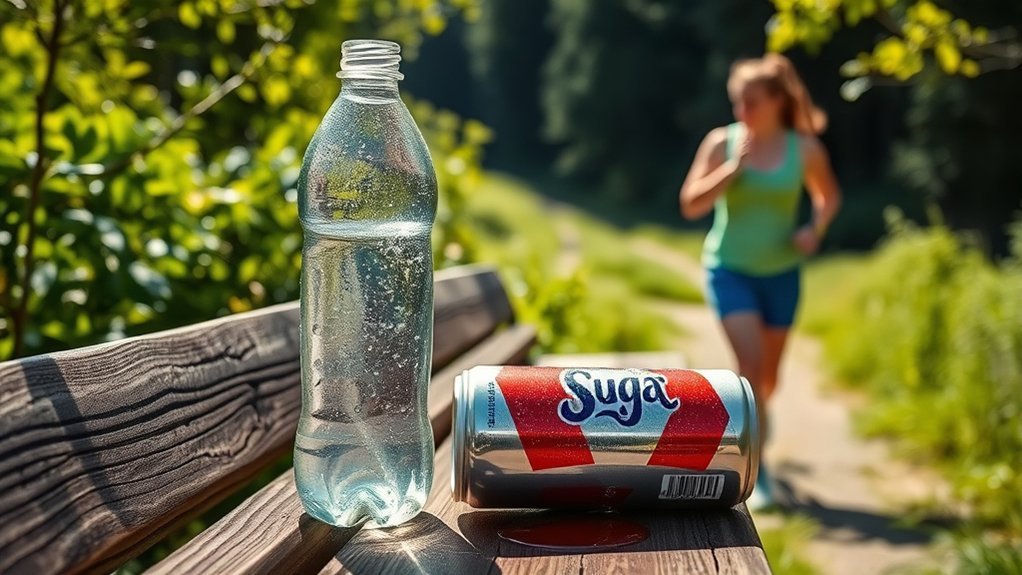
When it comes to hydration, knowing the do’s and don’ts can greatly impact your health. It’s essential to drink water consistently, but relying on thirst can mislead you. You should also consider the types of fluids you consume and how they fit into your daily routine. Understanding these strategies can help you maintain ideal hydration levels, especially during physical activity. But what common misconceptions might be holding you back?
Understanding Your Hydration Needs
Understanding your hydration needs is essential for maintaining optimal health and performance. Your body requires adequate fluids to function effectively, affecting everything from energy levels to cognitive function.
Understanding your hydration needs is vital for optimal health, impacting energy levels and cognitive function. Stay aware and hydrated!
The general recommendation is to drink about 2.7 liters for women and 3.7 liters for men daily, but factors like activity level, climate, and individual health can alter these needs. Pay attention to signs of dehydration, such as thirst, dry mouth, or decreased urine output.
Additionally, monitoring the color of your urine can provide insight; light yellow typically indicates proper hydration. To verify you’re meeting your needs, consider carrying a water bottle and setting reminders throughout the day to drink.
Staying hydrated enhances your physical and mental performance, enabling you to thrive.
Choosing the Right Fluids
When it comes to hydration, choosing the right fluids is essential for your performance and recovery.
Water is often sufficient for everyday activities, but sports drinks can be beneficial during intense exercise to replenish electrolytes.
Additionally, be mindful of caffeine, as it can have both hydrating and dehydrating effects depending on your intake.
Water vs. Sports Drinks
Choosing the right fluids for hydration can make a significant difference in your performance and recovery, especially during intense physical activity.
Water is often sufficient for hydration during moderate exercise, helping to replenish lost fluids without added calories or sugars.
However, if you’re engaging in prolonged or high-intensity workouts lasting over an hour, sports drinks can be beneficial. They contain electrolytes and carbohydrates that help replace lost salts and provide quick energy.
Be cautious, though; consuming too many sports drinks can lead to excess sugar intake. A good rule of thumb is to hydrate with water for shorter sessions and opt for sports drinks during extended, vigorous activities to maintain ideal hydration and performance.
Choose wisely!
Caffeine and Hydration Effects
Caffeine can considerably impact your hydration status and overall performance, particularly during exercise. While it’s often viewed as a diuretic, current research suggests that moderate caffeine consumption doesn’t lead to significant dehydration.
In fact, caffeine may even enhance endurance by improving focus and reducing perceived effort. However, it’s essential to balance your caffeine intake with adequate water consumption.
If you’re drinking caffeinated beverages, like coffee or energy drinks, pair them with water to maintain hydration. Remember, individual tolerance varies, so pay attention to how your body responds.
Avoid excessive consumption, as it can lead to increased heart rate and anxiety. Ultimately, choose your fluids wisely to support ideal hydration and performance during physical activities.
Timing Your Water Intake
Timing your water intake is essential for optimizing your performance and recovery.
Make sure to hydrate before your workout to enhance endurance, and don’t forget to replenish fluids afterward to aid recovery.
Consistently drinking water throughout the day also keeps your body functioning at its best.
Pre-Workout Hydration Importance
While you may be enthusiastic to plunge into your workout, neglecting proper hydration beforehand can considerably impact your performance.
Studies show that even mild dehydration can lead to decreased endurance, strength, and overall workout efficiency. Aim to drink about 16-20 ounces of water at least two hours before you start exercising. This gives your body enough time to absorb the fluids and guarantees you’re properly hydrated when you begin.
If you’re working out intensely or in hot conditions, consider drinking an additional 8-10 ounces closer to your workout.
Post-Exercise Water Replenishment
As soon as you finish your workout, it’s crucial to prioritize water replenishment to aid recovery and restore hydration levels. Your body loses fluids through sweat, and replacing them promptly helps maintain peak performance and reduces the risk of dehydration.
Aim to drink about 16-24 ounces of water for every pound lost during exercise. If you’ve exercised intensely for over an hour, consider incorporating electrolytes to balance sodium and potassium levels.
Timing matters, too; drink water within the first 30 minutes post-exercise for maximum benefits. Continue sipping water throughout the day to guarantee you’re fully hydrated.
Consistent Daily Hydration
To stay adequately hydrated throughout the day, it’s essential to establish a consistent routine for your water intake. Aim to drink water at regular intervals, rather than waiting until you’re thirsty. Thirst is a sign that your body is already dehydrated, so proactive hydration is key.
Start your day with a glass of water to kickstart your metabolism. Keep a water bottle handy and set reminders to drink every hour. Incorporate water intake during meals and snacks, as food contributes to hydration too.
Pay attention to your body’s signals; if you’re feeling fatigued or have a dry mouth, increase your intake. By making water a priority, you’ll support overall health and maintain peak performance throughout your day.
Monitoring Your Hydration Status
How can you guarantee you’re staying properly hydrated throughout the day? Start by tracking your water intake. Aim for at least 8 cups daily, but adjust based on activity level and climate. Use a hydration app or a simple journal to log your consumption.
Pay attention to your urine color; it should be light yellow. Darker urine often indicates dehydration. Set reminders on your phone to drink water regularly, especially if you tend to forget.
Consider using a marked water bottle to help visualize your progress. Also, include hydrating foods like fruits and vegetables in your diet, as they contribute to your overall fluid intake.
Recognizing Signs of Dehydration
What signs should you look for to determine if you’re dehydrated? Recognizing early symptoms can help you take action before dehydration worsens. Pay attention to these key indicators:
| Sign | Description |
|---|---|
| Thirst | Feeling thirsty is your body’s cue. |
| Dark Urine | Urine should be light yellow; dark indicates dehydration. |
| Fatigue | Low energy levels can signal dehydration. |
| Dizziness | Feeling lightheaded may indicate a lack of fluids. |
If you notice any of these signs, it’s essential to rehydrate promptly. Drink water or electrolyte-rich fluids to restore balance. Staying aware of these symptoms helps you maintain ideal hydration levels, boosting your overall health and performance.
Avoiding Overhydration
Recognizing the signs of dehydration is important, but it’s equally essential to be aware of overhydration, which can also lead to health issues.
Drinking excessive amounts of water can dilute your body’s sodium levels, resulting in a condition called hyponatremia. Symptoms include headache, nausea, and confusion.
To avoid overhydration, listen to your body’s thirst signals and consider your activity level and environmental conditions. If you’re exercising intensely or in hot weather, focus on electrolyte-rich drinks rather than plain water.
A good rule of thumb is to drink when you’re thirsty and monitor your urine color; pale yellow indicates proper hydration, while clear or colorless may suggest overhydration.
Balance is key in maintaining ideal hydration.
Incorporating Hydrating Foods
While drinking water is essential for hydration, incorporating hydrating foods into your diet can greatly enhance your fluid intake. Foods with high water content, like cucumbers, lettuce, and watermelon, can contribute considerably to your daily hydration needs.
For instance, cucumbers are about 95% water, making them an excellent choice for snacks or salads. Fruits such as oranges and strawberries not only hydrate but also provide vitamins and minerals.
Incorporating soups and broths into your meals can also boost hydration levels. Aim to include a variety of these foods in your daily diet to maximize hydration.
Customizing Hydration for Activity Levels
To optimize your hydration, it is crucial to tailor your fluid intake to match your activity levels. Different activities require varying amounts of fluids. For instance, if you’re engaging in light exercise, your hydration needs will differ greatly from those needed for intense workouts or endurance events.
| Activity Level | Recommended Fluid Intake | Notes |
|---|---|---|
| Light Activity | 8-10 oz per hour | Hydration from beverages and food |
| Moderate Activity | 10-20 oz per hour | Increase if sweating heavily |
| Intense Activity | 20-40 oz per hour | Consider electrolyte balance |
Listening to your body’s signals, and adjusting your intake accordingly, guarantees you stay hydrated and perform at your best.
Debunking Common Hydration Myths
Understanding your hydration needs is only part of the equation; separating fact from fiction is just as important. Many believe that you need to drink eight glasses of water daily, but hydration depends on individual factors like activity level and climate.
You don’t always need to rely on water alone—fruits and vegetables contribute greatly to your fluid intake. Another myth is that caffeine dehydrates you; moderate consumption doesn’t lead to dehydration for most people.
Finally, you shouldn’t wait until you’re thirsty to drink. Thirst can be a late indicator of dehydration, so make it a habit to hydrate throughout the day.
Frequently Asked Questions
Can I Rely Solely on Thirst to Gauge Hydration Needs?
You can’t rely solely on thirst to gauge hydration needs. Thirst often lags behind actual fluid loss, so it’s better to drink regularly, especially during exercise or hot weather, to maintain ideal hydration levels.
Is Caffeine a Diuretic That Affects Hydration Levels?
Yes, caffeine is a mild diuretic, but studies show moderate consumption won’t greatly dehydrate you. You can enjoy your coffee while staying hydrated, just balance it with water intake throughout the day.
How Do Different Climates Impact Hydration Strategies?
Different climates greatly impact your hydration needs. In hot, dry conditions, you’ll lose more fluids through sweat, requiring increased water intake. Conversely, cooler climates might reduce your thirst, but you still need to stay hydrated.
Are Hydration Needs Different for Children and Adults?
Absolutely, hydration needs differ for children and adults. Kids require more fluids relative to their size due to higher activity levels and faster metabolism. Keep a watchful eye on their intake to guarantee proper hydration!
Can Hydration Affect Athletic Performance and Recovery Times?
Yes, hydration greatly impacts your athletic performance and recovery times. Proper fluid intake enhances endurance, reduces fatigue, and speeds up muscle recovery, allowing you to train harder and perform better in your activities. Stay hydrated!
Conclusion
In the grand scheme of health, staying properly hydrated is essential for your overall well-being. By following these do’s and don’ts, you can guarantee you’re quenching your thirst effectively. Remember, it’s not just about drinking water but also incorporating hydrating foods and recognizing your body’s signals. Don’t wait until you’re parched; stay ahead of the game to maintain peak hydration. So, keep these strategies in mind and you’ll be on the right track to feeling your best.

