Disclosure: As an Amazon Associate, we earn from qualifying purchases. If you buy through links on this page, we may earn a small commission at no extra cost to you.
By Editorial Team | Updated October 8, 2026 | Research-based product review
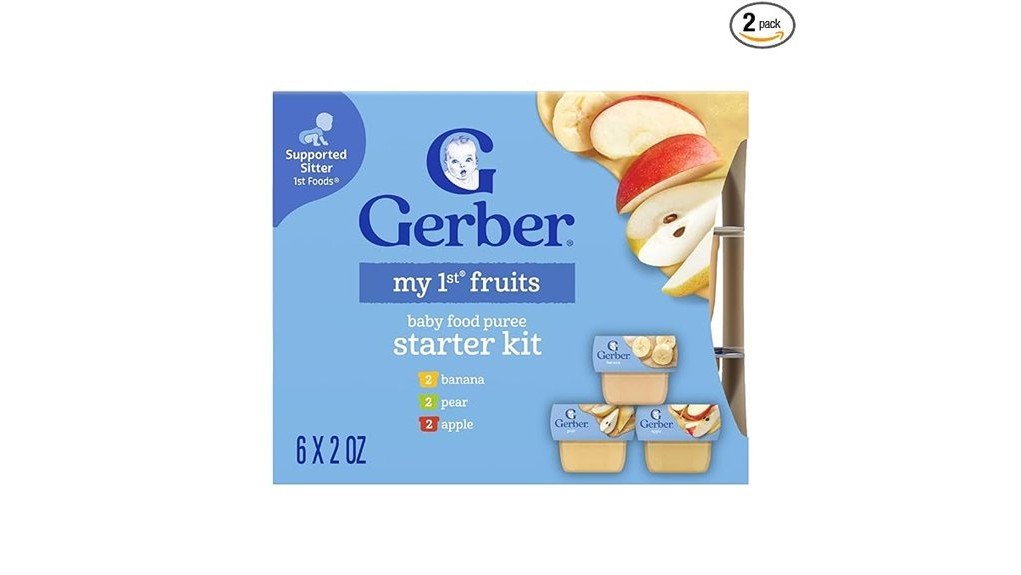
The Gerber My 1st Fruits Starter Kit gives babies a simple introduction to banana, pear, and apple purees. The standard starter kit contains six 2-ounce tubs, with two servings of each fruit. Its smooth texture, small portions, and ready-to-serve format make it convenient for families beginning solid foods.
But is it worth buying instead of individual fruit purees or an organic variety pack? This review examines the ingredients, nutrition, packaging, feeding safety, and limitations. There is also an important difference between the standard six-tub kit and the quantity described on the linked Amazon listing.
Quick Verdict: 8/10
Editorial rating: 8/10 for convenience, ingredient simplicity, flavor variety, and suitability for early spoon-feeding. This assessment is based on published product information and feeding guidance, not hands-on testing.
Best for: Babies around 6 months who are developmentally ready for smooth purees, and parents who want convenient single-fruit portions.
Skip if: You need certified organic ingredients, larger servings, or a more complete range of nutrients.
Bottom line: A practical fruit introduction kit, but not a complete feeding solution. Check the package quantity carefully before ordering.
Before You Buy
- Check the pack quantity: Gerber’s standard starter kit contains six 2-ounce tubs, while the linked Amazon ASIN currently uses 12-pack wording. Confirm the exact quantity shown at checkout.
- Check feeding readiness: Stage 1 does not mean every young infant is ready. Most babies begin solids around 6 months when they show developmental readiness signs.
- Do not rely on fruit alone: These purees provide fruit-based nutrients but little protein or iron.
- Handle leftovers carefully: Serve a portion in a separate bowl if you plan to refrigerate the remaining puree.
Jump to Review Sections
Gerber My 1st Fruits Starter Kit Specifications
The standard Gerber My 1st Fruits Starter Kit is a Stage 1 baby food assortment designed for supported sitters beginning solids. It uses smooth, single-fruit recipes packaged in small plastic tubs.
| Feature | Details |
|---|---|
| Brand | Gerber |
| Product | My 1st Fruits Starter Kit |
| Food stage | Stage 1 / Supported Sitter |
| Suggested developmental stage | Around 6 months, when ready for solids |
| Flavors | Banana, Pear, Apple |
| Standard package | 6 tubs, 2 per flavor |
| Individual size | 2 oz per tub |
| Standard total quantity | 12 oz |
| Texture | Smooth puree |
| Sweeteners | No added sweeteners |
| Organic certification | Not presented as certified organic |
| Other product claims | Non-GMO Project Verified; no artificial colors or flavors |
| Packaging | Individual plastic tubs; Gerber identifies the packaging as made without BPA |
What’s in the box? The standard retail kit contains two tubs each of banana, pear, and apple puree. Package inserts or promotional materials may vary. The linked Amazon listing describes a different pack quantity, so its contents should be checked separately.
Who Should Buy Gerber My 1st Fruits Starter Kit?
This fruit kit works best for parents who want convenient portions without washing, cooking, peeling, or blending fruit for every feeding. It also helps caregivers introduce three familiar flavors separately rather than using mixed-fruit recipes.
Good Reasons to Choose It
- Your baby has started showing signs of readiness for smooth solid foods.
- You want small portions that are easy to spoon-feed.
- You prefer separate fruit flavors while observing your baby’s reactions.
- You need unopened, portable food for supervised feeding away from home.
Reasons to Consider Another Option
- You exclusively purchase USDA-certified organic baby foods.
- You need iron-rich foods rather than fruit purees.
- Your baby already eats larger portions or prefers thicker textures.
- You want to prepare fresh fruit at home and control every ingredient.
For most babies, the kit should complement breast milk or infant formula and a growing variety of appropriate complementary foods, rather than replace them.
Key Takeaways
- Three flavors: The standard Gerber My 1st Fruits Starter Kit includes banana, pear, and apple in six small tubs.
- Beginner-friendly texture: Its smooth consistency suits early spoon-feeding when a baby is developmentally ready.
- Simple ingredient profiles: The recipes use fruit with small additions such as vitamin C, and contain no added sweeteners.
- Portable portions: Individual containers help caregivers manage serving sizes and avoid unnecessary preparation.
- Important limitation: Fruit purees alone do not provide the variety of nutrients, especially iron, that babies need as they grow.
- Buying caution: Confirm whether the selected listing contains six or twelve tubs before ordering.
What’s Inside the Starter Kit?
Gerber My 1st Fruits Starter Kit contains three single-fruit puree varieties: banana, pear, and apple. The standard six-tub package includes two 2-ounce tubs of each flavor, giving parents a manageable assortment without buying large containers of every fruit.
Gerber describes the recipes as unsweetened, with no artificial colors or flavors. Its published ingredient list includes the following:
- Banana: Bananas, citric acid, and vitamin C (ascorbic acid).
- Pear: Pears, pear puree made with water and pear puree concentrate, and vitamin C.
- Apple: Apples and vitamin C (ascorbic acid).
Retailer listings sometimes show slightly different ingredient wording, particularly for the banana and pear recipes. Always use the ingredients printed on your actual package when checking for specific dietary needs.
The added vitamin C is a declared ingredient, not an added sweetener. The fruit itself supplies naturally occurring sugars, so “no added sweeteners” does not mean sugar-free.
The containers are designed for easy storage and transport. However, the product is not a complete meal replacement, and the amount your baby eats may be less than one full tub during early feeding sessions.
Why It Fits Stage 1 Babies
The smooth consistency of Gerber My 1st Fruits Starter Kit makes it suitable for babies practicing their first spoon-fed meals. It avoids chunks and firm pieces that would be difficult for early eaters to manage.
The CDC and American Academy of Pediatrics recommend starting complementary foods around 6 months, when a baby is developmentally ready. Readiness matters more than the Stage 1 label alone.
Signs of readiness include:
- Sitting upright alone or with support.
- Having steady head and neck control.
- Opening the mouth when food is offered.
- Moving food toward the back of the mouth and swallowing it rather than consistently pushing it out.
- Showing interest in food and bringing objects toward the mouth.
If these skills are not present, wait and discuss feeding readiness with your pediatrician.
Introduce one new fruit at a time. CDC guidance recommends waiting 3 to 5 days between new single-ingredient foods initially. This can make it easier to recognize a possible reaction.
The kit’s separate fruit tubs work well for that approach, although vitamin C and other minor recipe ingredients mean the purees are not necessarily made from only one ingredient.
How Banana, Pear, and Apple Compare
The three flavors have different tastes and consistencies, even though all are prepared as smooth Stage 1 purees. Their variety gives your baby a chance to experience different fruit flavors while using the same feeding method.
| Fruit | Typical Taste and Texture | Practical Benefit |
|---|---|---|
| Banana | Sweet, mild, and creamy | Introduces a rich, smooth fruit flavor |
| Pear | Mild and gently sweet | Offers a different, delicate fruit taste |
| Apple | Light sweetness with a slightly tart character | Adds another familiar flavor to explore |
Banana is often perceived as creamier and sweeter, while pear offers a softer flavor profile. Apple brings a slightly brighter taste.
These descriptions are general sensory characteristics, not a guarantee of how every baby will respond. A baby may accept one puree quickly and need repeated, pressure-free opportunities to become familiar with another.
How Nutritious Are These Fruits?
All three provide carbohydrates and naturally occurring fruit sugars. The product also includes vitamin C, as listed in its ingredients and nutrition information.
However, these purees contain little protein or fat and are not meaningful substitutes for iron-rich complementary foods. As babies begin solids, foods such as iron-fortified infant cereal, appropriately prepared meat, and other iron sources deserve attention alongside fruits and vegetables.
For that reason, the kit is best viewed as a convenient way to introduce fruit, not a complete nutritional program.
How the Packaging Supports Busy Parents
The biggest everyday advantage of Gerber My 1st Fruits Starter Kit is its small, individually packaged servings. Parents can open one tub without exposing the rest of the assortment to air or handling.
For babies just learning to eat, a larger container may hold much more than they want at one sitting. A 2-ounce tub gives caregivers a smaller starting package.
- Portable: Unopened tubs fit easily into a diaper bag or feeding tote.
- Easy to identify: Flavor labeling helps caregivers select one fruit at a time.
- Minimal preparation: The puree is ready to spoon-feed.
- Portion flexibility: A caregiver can transfer a smaller amount to a clean bowl and refrigerate the untouched remainder.
- Less routine cleanup: No blender or cooking equipment is required.
The plastic tubs are useful for travel, daycare, and feeding away from home. They still require normal food safety precautions, including inspecting seals and refrigerating opened food.
A practical limitation is that the tubs produce packaging waste. Families who regularly prepare fruit at home may prefer reusable serving containers.
Gerber My 1st Fruits Starter Kit Pros and Cons
Pros
- Three separate fruit flavors support gradual taste exploration.
- Small 2-ounce tubs help with portion management.
- Smooth purees are suitable for early spoon-feeding.
- No added sweeteners or artificial colors and flavors.
- Ready-to-serve packaging is convenient for travel.
Cons
- Fruit purees alone provide limited iron and protein.
- The standard kit is not certified organic.
- Only three flavors are included.
- Individual plastic tubs create packaging waste.
- The linked Amazon pack quantity needs confirmation.
Overall, convenience and manageable portions are the main advantages. The biggest drawback is nutritional range: you still need other foods to support your baby’s expanding diet.
Best Uses for Gerber My 1st Fruits Starter Kit
Introducing New Fruit Flavors
Each fruit comes separately, making this assortment useful for early taste exploration. Parents can introduce banana, pear, and apple on different days while observing acceptance and any possible reaction.
Travel and Daycare Feeding
The sealed, portable tubs can simplify supervised feeding outside the home. Bring a clean spoon and bowl, and use suitable cold storage for any previously opened portions.
Practicing Spoon-Feeding
The smooth purees help babies become familiar with taking food from a spoon. Begin with a small amount, follow your baby’s hunger and fullness cues, and avoid pressuring them to finish a container.
Adding Fruit to an Established Diet
For babies already eating several foods, these purees can provide a convenient fruit option alongside developmentally appropriate vegetables, grains, and protein foods.
How to Serve and Store the Purees Safely
Gerber My 1st Fruits purees are ready to serve. They do not require cooking or heating before feeding, although some babies may prefer a different serving temperature.
Step-by-Step Feeding Instructions
- Wash your hands and prepare a clean spoon and bowl.
- Inspect the package for damage, leaks, or a broken seal. Do not use a compromised container.
- Seat your baby upright in a suitable high chair or other safe feeding seat.
- Transfer a small serving into a clean bowl if you plan to save part of the tub.
- Offer small spoonfuls and allow your baby time to swallow.
- Stop when your baby is full or loses interest. Do not force the remaining food.
- Store untouched leftovers promptly according to the product label and Gerber’s guidance.
Refrigeration and Leftovers
Gerber’s published FAQ says its opened baby food tubs can be refrigerated and used within 2 days, provided the unused portion has not been fed from directly. Follow any shorter storage period printed on your specific package.
If your baby’s spoon has been in the container, discard the remaining puree rather than saving it. Saliva can introduce bacteria into food.
Can You Freeze the Purees?
Gerber advises against freezing its prepared baby foods for best quality. Freezing may cause separation and undesirable texture changes, and the original plastic tubs are not designed for freezing.
For parents who want to prepare and freeze larger batches, homemade puree in suitable food-safe containers may be a better option.
Should the Purees Be Warmed?
Heating is optional. Gerber says its baby foods may be served chilled, at room temperature, or warmed.
To warm a portion, transfer it to a microwave-safe dish, heat briefly, stir thoroughly, and test the temperature before feeding. Never assume food is evenly heated.
Safety reminder: Always supervise your child while eating. If your baby has feeding difficulties, known food allergies, or medical concerns, ask a pediatrician for individualized guidance.
What Parents Report About Gerber My 1st Fruits Starter Kit
Retailer feedback provides useful context about convenience and packaging, although individual reviews are not controlled product tests.
Common positive themes: Parents frequently describe the small servings as helpful for babies starting solids. The variety of flavors and ready-to-serve format are also recurring advantages in retailer feedback.
Reported concerns: Some purchasers have described damaged packaging or an unexpected flavor assortment. Others question whether a bundled kit offers better value than purchasing individual fruit packs.
These reports do not establish how often such problems occur. Still, they support two practical checks: inspect the packaging when it arrives and confirm that the assortment contains the flavors you expected.
There is no need to assume a particular flavor will be every baby’s favorite. Preferences vary, and babies may need repeated exposure to become comfortable with new foods.
Gerber My 1st Fruits Starter Kit vs. Alternatives
The Gerber kit is convenient, but it is not the only way to introduce baby food. Alternative products may offer organic certification, different serving sizes, vegetables, or mixed-fruit recipes.
| Product | Format | Main Difference |
|---|---|---|
| Gerber My 1st Fruits | Standard 6 x 2 oz tubs | Three separate fruit flavors in small portions |
| Gerber My 1st Veggies | 6 x 2 oz tubs | Introduces vegetables instead of fruits |
| Beech-Nut Organics Pear | Single 4 oz glass jar | Certified organic single-fruit option |
| Beech-Nut Organics Stage 1 Variety Pack | 16 x 4 oz jars | Organic assortment of apple, pear, carrot, and pumpkin |
| Earth’s Best Organic Banana Apple Blueberry | Resealable puree pouch | Organic mixed-fruit recipe for babies ready for its ingredients |
Gerber My 1st Fruits vs. Gerber My 1st Veggies
The choice is mainly about which foods you want to introduce. Both use small Stage 1 portions, but the veggie kit provides different tastes and a chance to introduce vegetables early.
Neither assortment needs to replace the other. Families can offer both fruits and vegetables as part of a varied complementary feeding routine.
Gerber My 1st Fruits vs. Beech-Nut Organics Pear
Beech-Nut Organics Pear is a useful alternative when organic certification is a priority. Its 4-ounce glass jar offers a larger individual container than Gerber’s 2-ounce tubs.
Gerber provides more flavors in a single starter purchase, while Beech-Nut’s individual pear jar may suit a family that already knows its baby enjoys pear.
Gerber My 1st Fruits vs. Beech-Nut Organics Variety Pack
The Beech-Nut Organics Stage 1 Variety Pack offers more total food, with organic apple, pear, carrot, and pumpkin recipes in larger jars.
It suits families wanting a broader assortment and organic ingredients. Gerber’s smaller kit is less of a commitment when your baby is just beginning solids.
Gerber My 1st Fruits vs. Earth’s Best Organic Fruit Pouches
Earth’s Best Organic Banana Apple Blueberry combines several fruits in one recipe. Its pouch format may appeal to families already comfortable with mixed-fruit purees.
Gerber’s separate flavors are more practical during the earliest introductions, when parents want to observe a baby’s response to individual foods. Serve puree from a spoon rather than letting a young infant suck directly from a pouch.
Is Gerber My 1st Fruits Starter Kit Worth Buying?
Gerber My 1st Fruits Starter Kit is worth considering if you value small portions, simple fruit recipes, and minimal preparation. The standard assortment offers three flavors without requiring parents to purchase larger containers of each one.
Its convenience is especially useful during early feeding, when babies may eat only a little puree at a sitting. But value depends on the actual pack quantity, local alternatives, and whether you need certified organic ingredients.
The kit does not provide a complete nutritional range. You will still need iron-rich foods and other appropriate complementary foods as your baby’s feeding skills develop.
Before choosing the linked Amazon offer, confirm the number of tubs and the product’s current ingredient information. The Amazon page’s 12-pack wording differs from the standard six-tub kit reviewed here.
How We Evaluated Gerber My 1st Fruits Starter Kit
This review is based on published information, not a hands-on feeding trial. The editorial evaluation considered Gerber’s product description, ingredient disclosures, package format, retailer listings, consumer feedback, and authoritative infant-feeding guidance.
- Product specifications: Gerber’s official product information and ingredient details.
- Package and nutritional details: Major retailer product listings and published label information.
- Feeding guidance: CDC recommendations on starting solids, developmental readiness, and dietary variety.
- Storage and preparation: Gerber’s published instructions for opened baby food tubs.
- Buyer experience: Retailer feedback considered as anecdotal evidence, not laboratory testing.
The 8/10 editorial score reflects the product’s useful format and straightforward purpose, with deductions for limited nutritional range, packaging waste, and the need to verify the Amazon listing quantity. It does not represent independent laboratory testing or a claim that the product has been personally fed to a child by the reviewer.
Frequently Asked Questions
How Long Does Each Tub Stay Fresh After Opening?
Gerber’s general guidance is to refrigerate opened baby food tubs and use the remaining untouched food within 2 days. Do not save food if your baby has eaten directly from the tub. Transfer a serving to a clean bowl first, and always follow any shorter storage instructions printed on the package.
Are the Fruits Organic or Conventionally Grown?
The standard Gerber My 1st Fruits Starter Kit is not presented as a certified organic product. Gerber identifies it as Non-GMO Project Verified, which is different from USDA organic certification. If organic production is essential to your family, choose a product that clearly displays an appropriate organic certification.
Can These Purees Be Frozen for Later Use?
Gerber does not recommend freezing its prepared baby foods for best quality. Freezing can cause the puree to separate or change texture, and the original plastic tubs are not designed for freezing. For longer-term frozen portions, consider homemade puree stored in suitable food-safe containers using appropriate food handling practices.
Does This Kit Contain Any Common Allergens?
The published fruit recipes do not list major allergens such as milk, eggs, peanuts, wheat, or soy as ingredients. However, individual sensitivities to fruits or other ingredients are still possible. Review the exact package label, including any allergen warnings, and consult your pediatrician if your baby has a known allergy.
What Is the Shelf Life Before Opening?
Unopened Gerber fruit puree tubs should be stored according to their package instructions and used before the printed expiration or best-by date, as applicable. The exact remaining shelf life depends on the package you receive. Avoid damaged, leaking, swollen, or improperly sealed containers, even if the printed date has not passed.
At What Age Can Babies Start Gerber My 1st Fruits?
Most babies can begin smooth fruit purees around 6 months, once they show readiness for complementary foods. Important signs include good head control, sitting with support, and swallowing food from a spoon. Do not rely on age alone, and speak with your pediatrician if you have concerns about feeding readiness.
Does Gerber My 1st Fruits Contain Added Sugar?
Gerber describes the standard kit as unsweetened, with no added sweeteners. However, banana, pear, and apple naturally contain sugar, so the purees are not sugar-free. The amount of naturally occurring sugar varies by fruit. Always review the Nutrition Facts label on the package for the specific recipe you purchase.
Can These Fruit Purees Replace Breast Milk or Infant Formula?
No. Gerber My 1st Fruits is a complementary food, not a replacement for breast milk or infant formula during infancy. The fruit purees help introduce tastes and spoon-feeding skills but do not provide all the nutrients a growing baby needs. Continue appropriate milk feeding and introduce a varied diet as advised by your pediatrician.
Does the Kit Include Six Tubs or Twelve?
Gerber’s official standard starter kit contains six 2-ounce tubs, with two tubs each of banana, pear, and apple. However, the Amazon product listing linked in this review currently uses 12-pack wording. The retailer’s selected quantity may differ from the standard package, so confirm the exact contents before completing your order.
Conclusion: Our Final Verdict
Gerber My 1st Fruits Starter Kit offers a straightforward way to introduce three familiar fruits to babies learning to eat solids. Its smooth purees, 2-ounce portions, and separate flavors provide practical advantages, particularly during the earliest feeding sessions.
The main limitations are its narrow nutritional range, non-organic positioning, and disposable packaging. It works best alongside iron-rich foods, vegetables, and continued breast milk or infant formula rather than as a stand-alone feeding plan.
For families who prioritize convenience and small servings, it is a sensible option. Just make sure the selected Amazon offer matches the quantity you intend to buy.
Gerber My 1st Fruits Starter Kit
Editorial Rating: 8/10
Best for small portions, simple fruit flavors, and convenient early spoon-feeding.
Confirm pack quantity and ingredients before purchasing.