Disclosure: As an Amazon Associate, we earn from qualifying purchases. If you buy through links on this page, we may earn a small commission at no extra cost to you.
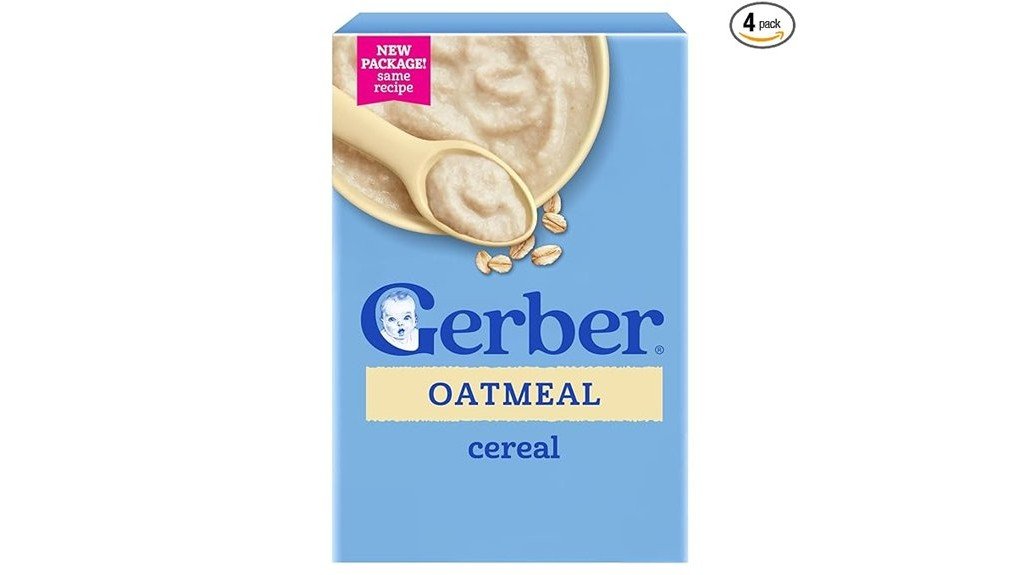
Gerber Baby Oatmeal Cereal is an iron-fortified infant cereal made for babies who are ready to begin eating solid foods. Its smooth texture, mild oat flavor, and easy preparation make it a practical option for early spoon-feeding.
However, choosing the right first cereal involves more than checking its iron content. You should also understand the ingredients, potential allergens, appropriate starting age, and safe preparation methods before introducing it to your baby.
Quick Answer
Gerber Baby Oatmeal Cereal can be a suitable first food for babies who show developmental readiness, usually around six months. It provides iron and other added nutrients while helping babies learn to eat from a spoon. Mix it with breast milk or infant formula, serve a smooth consistency, and check the package for wheat allergens.
Key Takeaways
- Starting age: Most babies can begin oatmeal cereal around six months when they demonstrate readiness for solid foods.
- Iron content: Fortified oatmeal cereal can contribute iron needed for normal brain development and healthy growth.
- Ingredients: Gerber oatmeal cereal uses oat flour with added vitamins and minerals. Published formulations also identify wheat.
- Preparation: The cereal mixes with breast milk or infant formula, and you can adjust its thickness as feeding skills develop.
- Feeding safety: Serve cereal from a spoon while your baby is seated and supervised, not from a bottle.
- Dietary variety: Oatmeal cereal should complement breast milk or formula and other appropriate foods rather than replace them.
What Is Gerber Baby Oatmeal Cereal?
Gerber Baby Oatmeal Cereal is a prepared, dry infant cereal that becomes soft and spoonable when mixed with liquid. It is designed to introduce babies to grain-based foods while supplying important nutrients.
Unlike regular oatmeal that needs cooking, Gerber’s infant oatmeal cereal is already cooked and ready to serve after mixing. Its fine texture makes it easier for babies to manage during their first experiences with solid food.
The main features include:
- Oat-based cereal: Provides a mild grain flavor suitable for early feeding.
- Added iron: Helps contribute to a baby’s growing nutritional needs.
- Fortified nutrients: Includes minerals and vitamins such as calcium, zinc, and vitamin C in the manufacturer’s listed formulation.
- Adjustable consistency: Can be mixed into a thin or thicker cereal depending on the baby’s abilities.
- Convenient preparation: Requires mixing rather than cooking.
The cereal is intended for spoon-feeding, which allows babies to practice moving food around their mouths and swallowing it.
It may be especially convenient for caregivers who want an easily prepared iron-fortified option. However, it is not the only suitable first food, and babies do not need to begin with cereal before trying other foods.
The product is described as non-GMO in Gerber’s oatmeal cereal information. This refers to genetically engineered ingredients and does not mean the cereal is allergen-free or nutritionally superior to every alternative.
Gerber Oatmeal Cereal Nutrition and Ingredients
Gerber Oatmeal Cereal combines oat-based ingredients with added vitamins and minerals. Its most important nutritional feature for infants is iron fortification, although the exact nutrient amounts depend on the product version and serving size.
What Nutrients Does Gerber Oatmeal Cereal Provide?
A published 16-ounce Gerber Grain and Grow oatmeal cereal listing provides the following nutrition information for a dry quarter-cup serving.
| Nutrient | Amount per 1/4 Cup | Why It Matters |
|---|---|---|
| Calories | 60 | Supplies energy |
| Iron | 6.75 mg | Supports oxygen transport and brain development |
| Calcium | 65 mg | Supports bone and tooth development |
| Zinc | 1 mg | Supports normal growth and immune function |
| Protein | 2 g | Contributes to growth |
| Added Sugar | 1 g listed | Check the current label, as formulations and listings may vary |
These figures describe the referenced retailer listing, not every Gerber oatmeal cereal package. Always compare the Nutrition Facts panel with the specific container you purchase.
What Ingredients Are in Gerber Baby Oatmeal Cereal?
The manufacturer’s published single-grain oatmeal cereal formula lists whole-grain oat flour, oat flour, potassium phosphate, and added vitamins and minerals.
The added nutrients include iron, calcium, zinc, vitamin C, vitamin E, and several B vitamins. These ingredients make the cereal more than plain ground oats.
Non-GMO does not mean gluten-free, allergen-free, or free of added nutrients. The full ingredient and allergen labels matter more than any single front-of-package claim.
Important allergen information: Gerber’s published oatmeal cereal ingredients include wheat, even though oats are the main grain. The product should not be assumed suitable for a child who must avoid wheat or gluten.
The official Gerber oatmeal cereal product information provides ingredient details, mixing directions, and storage recommendations.
Parents should also distinguish regular oatmeal cereal from Gerber Organic Oatmeal and flavored multigrain versions. Those products may have different ingredients, certifications, and allergen information.
Is Gerber Oatmeal Good for Baby Development?
Gerber Oatmeal Cereal can support early development by supplying iron and giving babies a chance to practice eating from a spoon. However, no single cereal provides everything a growing baby needs.
Iron is particularly valuable because the body uses it to make healthy red blood cells and support brain development. According to the CDC’s infant iron guidance, iron-rich complementary foods become important when babies begin eating solids.
| Benefit | Developmental note |
|---|---|
| Iron | Supports oxygen transport, brain development, and healthy growth |
| Texture | Provides practice with spoon-feeding and swallowing smooth foods |
| Flavor | Introduces a mild grain taste alongside other early foods |
| Convenience | Makes it easier to prepare consistent, age-appropriate servings |
How Does Oatmeal Cereal Support Feeding Skills?
Early spoon-feeding allows your baby to learn how to take food from a spoon, move it backward in the mouth, and swallow it.
A smooth, thin cereal can be easier to manage when these skills are new. As your baby’s abilities improve, thicker textures and other appropriate foods help provide new experiences.
However, babies also benefit from exploring a variety of flavors and textures rather than eating only smooth cereal for an extended period.
Does Your Baby Need Oatmeal Cereal Every Day?
No. Oatmeal cereal can be a useful source of iron, but it does not need to be your baby’s only iron-rich food.
Other suitable options may include well-cooked, finely mashed meats, lentils, beans, and other fortified infant cereals.
A varied feeding routine exposes your baby to different nutrients and tastes while reducing reliance on one food.
How Do You Prepare Gerber Baby Cereal?
Gerber Baby Oatmeal Cereal is ready to serve after you mix it with liquid. You do not need to cook the dry cereal on a stovetop.
For an initial feeding, Gerber’s published directions suggest mixing 1 tablespoon of cereal with 4 to 5 tablespoons of breast milk or infant formula. Follow the directions on your specific package if they differ.
Step-by-Step Preparation Instructions
- Wash your hands. Use a clean bowl and a suitable infant-feeding spoon.
- Measure the cereal. Start with a small portion, especially if this is your baby’s first cereal feeding.
- Add liquid. Stir in breast milk or correctly prepared infant formula according to the package directions.
- Mix until smooth. Break up dry clumps and adjust the consistency until it is easy for your baby to swallow.
- Check the temperature. Serve at a comfortable temperature and test it before feeding.
- Feed slowly. Offer small spoonfuls while your baby sits upright and remains supervised.
- Discard leftovers. Throw away any cereal remaining in the bowl after feeding.
Should You Warm Gerber Oatmeal Cereal?
Warming is optional. Gerber recommends that, if warming is desired, you warm the liquid before combining it with the cereal.
Its published microwave guidance specifies warming the liquid at 50% power for 15 to 30 seconds, stirring thoroughly after mixing, and checking the temperature before serving.
Follow your particular container’s instructions. Never serve cereal with unevenly heated or excessively hot areas.
How Thick Should Baby Oatmeal Cereal Be?
For a baby beginning solids, use a smooth, relatively thin texture that can be offered from a spoon.
As your baby becomes comfortable with feeding, gradually increase the thickness. The goal is to match the food to your baby’s developing swallowing and mouth skills, not to make cereal thick as quickly as possible.
Warning: Do not routinely add oatmeal cereal to a baby’s bottle. The CDC warns that putting cereal or other solid food in a bottle can increase choking risk and does not help babies sleep longer. Use a spoon unless your baby’s healthcare professional has prescribed a specific feeding modification.
The CDC’s bottle-feeding recommendations explain why cereal should be offered separately rather than routinely added to bottles.
When Is Baby Ready for Oatmeal Cereal?
Most babies are ready to begin oatmeal cereal at about six months of age, provided they have developed the physical skills needed to eat safely.
The CDC’s guidance on introducing solid foods recommends looking at developmental readiness rather than relying on age alone.
Three Main Signs Your Baby Is Ready
- Sits with support and controls the head: Your baby can maintain a stable, upright position for feeding.
- Shows interest in food: Your baby opens the mouth for a spoon and may reach toward food.
- Can swallow offered food: Your baby begins moving food toward the back of the mouth rather than immediately pushing everything out with the tongue.
Independent sitting is not required at the start if your baby can sit upright with appropriate support and maintain good head control.
Introducing solids before four months is not recommended. If your baby is not showing readiness signs around six months, discuss feeding development with your pediatrician.
How Should You Introduce Oatmeal for the First Time?
Begin with a small serving when your baby is alert, comfortable, and not overly hungry or tired.
Offer the cereal slowly and watch your baby’s response. Stop when your baby turns away, closes the mouth, or otherwise signals that feeding is finished.
For the first introductions, offer one new food at a time so it is easier to recognize a possible reaction.
If your baby accepts the cereal, you can gradually offer other age-appropriate foods. Introduce different grains, vegetables, fruits, and iron-rich protein foods as feeding skills develop.
Note: If your baby has a diagnosed wheat allergy, celiac disease, feeding difficulty, or another condition requiring a special diet, ask your pediatrician which cereal is appropriate. Check the exact product label before offering it.
Frequently Asked Questions
Is Gerber Oatmeal Cereal Eligible for SNAP or EBT Purchases?
Generally, yes. Infant cereal is an eligible food category under SNAP, and a major grocery listing marks the 16-ounce product as SNAP EBT eligible. The final checkout depends on the retailer, the exact item, and applicable state food restrictions.
How Should Unopened Cereal Be Stored After Purchase?
Keep unopened cereal in a cool, dry pantry, away from heat and moisture. Once you open the container, close it tightly after each use. Gerber advises using its listed oatmeal cereal within 30 days of opening; check your package for its own directions.
Can Gerber Oatmeal Cereal Be Mixed With Pureed Fruit?
Yes. Once your baby has tried the cereal and fruit separately without a reaction, you can stir in smooth, age-appropriate fruit puree. Start with a spoonable texture, avoid added sugar, and let your baby decide when they have had enough.
Does This Cereal Contain Any Common Allergens?
Yes. Gerber’s listed oatmeal cereal includes wheat, and the 16-ounce grocery listing also identifies wheat in its ingredients. Oats themselves do not automatically make a product gluten-free. Check the exact package if your baby has a wheat allergy or celiac-related dietary needs.
What Is the Package Size of Gerber Grain and Grow Oatmeal?
A current retailer listing identifies a 16-ounce container. The source article mentions a four-pack of 16-ounce containers, which would total 64 ounces, but that bundle size was not confirmed for the linked Amazon listing. Check the package count before ordering.
Can I Put Oatmeal Cereal in My Baby’s Bottle?
No. Offer infant cereal from a bowl with a spoon, not in a bottle. The CDC says cereal in a bottle does not help babies sleep longer and can increase choking risk. Ask your child’s clinician about any medically prescribed feeding modifications.
Should Oatmeal Cereal Replace Breast Milk or Formula?
No. During the first year, breast milk or infant formula remains the main milk drink while complementary foods are introduced. Fortified oatmeal can contribute iron and give your baby spoon-feeding practice, but it should be one part of a varied feeding plan.
Conclusion
Gerber Baby Oatmeal Cereal can be a convenient first food because it provides added iron, mixes easily, and offers a smooth texture for early spoon-feeding.
Its biggest advantages are simplicity of preparation and nutritional fortification. However, the presence of wheat in published formulations means ingredient labels deserve careful attention.
For most babies, the best approach is to begin solids around six months when developmentally ready, prepare cereal to a safe consistency, and include it alongside a variety of nutritious foods. Your baby’s feeding cues and individual dietary needs should guide the routine.
Sources
- Gerber: Oatmeal Single Grain Cereal: Manufacturer information about ingredients, allergens, preparation, fortification, and storage.
- Gerbes Super Markets: Gerber Grain and Grow Oatmeal, 16 oz: Product quantity, nutrition values, and retailer SNAP eligibility listing.
- CDC: When, What, and How to Introduce Solid Foods: Starting age, readiness signs, safe textures, and introducing food variety.
- CDC: Iron: Infant iron needs and the role of iron-fortified foods.
- CDC: About Feeding From a Bottle: Guidance against routinely putting cereal into bottles.
- USDA: SNAP Staple Foods: Infant cereal classification and SNAP food-category guidance.