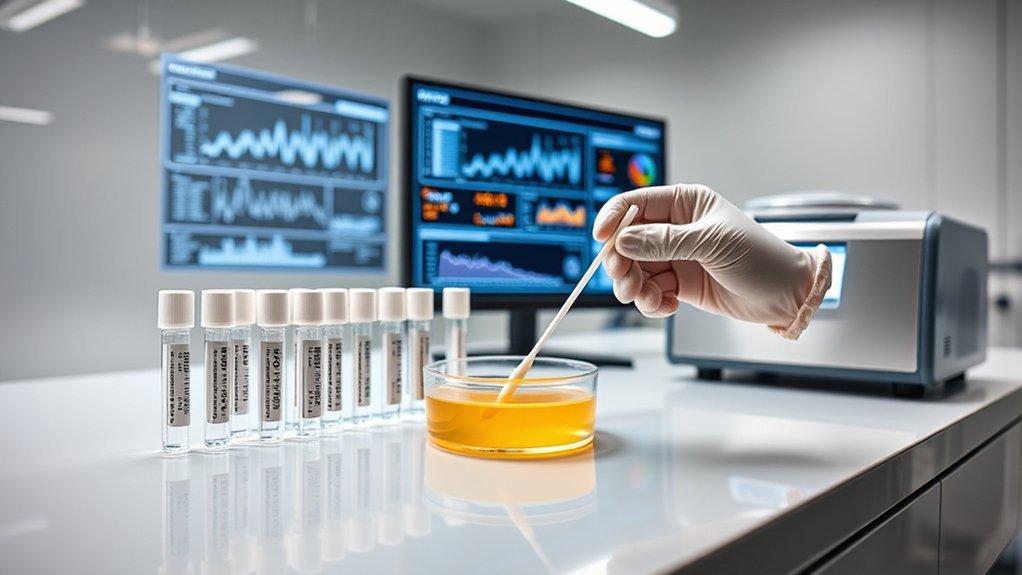
The GBS test during pregnancy is a routine screening that checks whether Group B Streptococcus bacteria are present in your vagina or rectum near the end of pregnancy. The test uses a quick vaginal-rectal swab and usually causes little or no discomfort. If your result is positive, it does not mean you are sick; it mainly helps your maternity team plan antibiotics during labor to lower your baby’s risk of early-onset GBS disease.
Quick Answer
In the United States, routine GBS screening is recommended at 36 0/7 through 37 6/7 weeks of pregnancy. A swab is taken from the lower vagina and rectum. If GBS is found, IV antibiotics are usually given during labor rather than earlier in pregnancy because the bacteria can return.
Key Takeaways
- GBS is common and usually causes no symptoms in the pregnant person.
- A positive result means GBS was detected; it does not mean you or your baby currently have GBS disease.
- The test uses the lower vagina and rectum and does not normally require a speculum, fasting, or special preparation.
- Penicillin is the preferred antibiotic for most people who need GBS prevention during labor, with alternatives available for allergies.
- A planned cesarean before labor starts and before the water breaks usually does not require GBS-specific intrapartum antibiotics.
Understanding Group B Streptococcus
Group B Streptococcus, or GBS, is the bacterium Streptococcus agalactiae. It can live naturally in the gastrointestinal and genital tracts without causing illness, so many people who carry it have no symptoms.
About 1 in 4 pregnant women test positive for GBS during routine screening. GBS is not considered a sexually transmitted infection, and it is different from group A Streptococcus, the bacterium that commonly causes strep throat.
GBS colonization can also change over time. You may test positive during one pregnancy and negative during another, which is why the CDC recommends screening during each pregnancy.
The main concern in pregnancy is that GBS can pass to a baby around the time of birth. Most babies exposed to GBS do not become ill, but GBS disease can be serious when it occurs.
Why the GBS Test During Pregnancy Matters
The main purpose of prenatal GBS screening is to identify babies at increased risk of early-onset GBS disease. When GBS is detected, antibiotics given during labor can substantially reduce that risk.
Preventing Neonatal Infections
Early-onset GBS disease develops during a baby’s first week of life and can cause bloodstream infection, pneumonia, or meningitis. Most early-onset infections result from exposure to the bacteria around labor and birth.
Screening allows your maternity team to identify GBS colonization before labor and arrange preventive antibiotics when appropriate. Current ACOG guidance recommends universal vaginal-rectal screening at 36 0/7 through 37 6/7 weeks unless you already have another reason to receive GBS antibiotics during labor.
How GBS Can Affect the Pregnant Patient
Routine screening is primarily designed to protect the newborn, but GBS can occasionally cause illness in pregnant or postpartum patients too. Possible infections include urinary tract infection, bloodstream infection, and infection within the uterus or amniotic environment.
The CDC’s clinical overview of GBS also identifies preterm delivery and stillbirth among pregnancy-associated complications of invasive GBS infection.
If GBS is found in your urine during pregnancy, your healthcare professional will decide whether treatment is needed at that time. Finding GBS in the urine during the current pregnancy also affects the plan for antibiotics during labor.
How Screening Helps Plan a Safer Delivery
A GBS result gives the labor and delivery team useful information before birth. If you need prevention, antibiotics are given through an IV during labor so adequate antibiotic levels are present while the baby may be exposed.
This strategy is aimed at preventing early-onset GBS disease. Antibiotics during labor have not been shown to prevent late-onset GBS disease, which occurs after the first week of life.
Note: Your exact GBS plan can differ if you have a penicillin allergy, GBS in your urine, a previous baby with invasive GBS disease, preterm labor, fever during labor, or other pregnancy complications. Review your result and birth plan with your obstetrician or midwife.
When Is the GBS Test Done?
For routine U.S. prenatal care, GBS screening is recommended from 36 0/7 through 37 6/7 weeks. Testing late in pregnancy gives a better estimate of whether GBS will be present around the time of birth.
GBS can come and go naturally. A test done much earlier may therefore be less useful for predicting colonization during labor.
ACOG’s screening window is designed to provide about a five-week period in which the culture result remains useful for pregnancies that continue to term. If a negative culture becomes older than that before delivery, your healthcare professional may decide that repeat screening is appropriate.
You should still be screened if you plan to have a cesarean birth because labor or rupture of membranes can occur before the scheduled procedure.
Preparing for the GBS Test
GBS screening needs very little preparation. You normally do not need to fast, change your diet, or gather medical supplies yourself.
Understanding GBS Test Purpose
The test looks for GBS colonization close to delivery. It is not a test for an STI, and a positive result does not mean you have poor hygiene or that you did anything to cause the bacteria to be present.
Because colonization can change, your result from a previous pregnancy does not replace screening in the current pregnancy unless your healthcare team has another reason to recommend intrapartum antibiotics.
What You Need to Do Before the Test
In a clinic, the healthcare team supplies the sterile swab, transport container, labels, and laboratory paperwork. You do not need to bring swabs, antiseptic wipes, or other collection materials.
If your practice allows self-collection, you should receive instructions on how to swab the correct areas. ACOG reports that properly instructed patients can collect vaginal-rectal specimens with recovery rates similar to specimens collected by healthcare professionals.
Tell your healthcare professional if you have a penicillin or other beta-lactam allergy. That information can affect laboratory susceptibility testing and the choice of antibiotic if your culture is positive.
What to Expect During the GBS Test
The GBS test is usually quick and involves a swab rather than a blood test. Most people feel brief pressure or mild discomfort rather than significant pain.
- No fasting: You can usually eat and drink normally.
- Short procedure: Collecting the sample generally takes only a short time.
- Vaginal and rectal sampling: Both areas are sampled because testing only one area can miss colonization.
- No routine speculum: The recommended sample comes from the lower vagina and rectum, so a speculum is generally unnecessary for the GBS swab itself.
- Self-collection may be available: Some practices allow you to collect the swab after receiving instructions.
How the GBS Test Is Conducted
The recommended screening method collects bacteria from both the lower vagina and rectum. The sample is then sent to a laboratory where it is tested specifically for GBS.
Swab Collection Process
A healthcare professional, or in some settings the patient, first swabs the lower vagina and then the rectum. The rectal portion of the swab passes through the anal sphincter so the laboratory has an adequate sample.
- The sterile swab is removed from its packaging.
- The lower vaginal area is swabbed without needing to sample the cervix.
- The rectal area is swabbed with the same or an appropriate collection swab.
- The specimen is placed in the laboratory’s transport medium and labeled.
- The sample is sent for GBS testing.
This vaginal-rectal technique improves the chance of finding GBS compared with testing the vagina alone.
Laboratory Analysis Procedure
Culture remains the standard laboratory method for prenatal GBS screening. The laboratory uses procedures designed to help small amounts of GBS grow so they can be detected reliably.
The CDC identifies culture as the gold-standard laboratory method and points laboratories to current American Society for Microbiology guidance for detecting and identifying GBS.
The enrichment stage may include approximately 18 to 24 hours of incubation, followed by additional identification steps. This does not mean you will necessarily receive the final result within 24 hours; turnaround time depends on the laboratory.
If you have a penicillin allergy that could affect antibiotic selection, the laboratory may also need susceptibility testing on a positive GBS isolate.
What Do GBS Test Results Mean?
A positive test means GBS was detected in the sample. A negative test means it was not detected at the time the specimen was collected.
| Result or situation | What it usually means |
|---|---|
| Positive | GBS colonization was detected. IV antibiotics during labor are usually recommended. |
| Negative | GBS was not detected in the screening sample. Routine GBS prophylaxis is generally unnecessary unless another indication develops. |
| Unknown or unavailable in labor | Your team considers gestational age, fever, how long the membranes have been ruptured, previous GBS history, and other risk factors. |
A positive result does not mean your baby is infected. It means preventive steps during labor can lower the chance of early-onset disease.
Potential Outcomes and Next Steps
If your GBS test is negative, prenatal care usually continues normally. Keep the result available for your delivery team, especially if your records may not automatically transfer to the hospital.
If you test positive, make sure the result is documented in your prenatal and hospital records. Your provider will usually plan IV antibiotics once labor begins or your membranes rupture.
Some people already have an indication for antibiotics without relying on the routine screening result. Examples include having had a previous baby with invasive GBS disease or having GBS detected in the urine during the current pregnancy.
If your GBS status is unknown when labor begins, your healthcare team may recommend antibiotics based on risk factors. The ACOG patient guidance includes preterm labor, fever during labor, and membranes ruptured for 18 hours or longer among important situations when the result is unknown.
Treatment Options for GBS-Positive Results
The standard preventive treatment for GBS colonization is IV antibiotics during labor. Giving antibiotics days or weeks before labor does not reliably eliminate colonization because GBS can return.
The CDC recommends intrapartum antibiotics for people at increased risk and notes that oral antibiotics before labor and birth-canal washing with chlorhexidine do not effectively prevent early-onset GBS disease.
- Penicillin: The preferred antibiotic for most patients who need GBS prophylaxis.
- Ampicillin: Another beta-lactam antibiotic that may be used.
- Penicillin allergy: The best alternative depends on the type of previous allergic reaction and, in some cases, whether the GBS isolate is susceptible to clindamycin.
- Timing: At least four hours of appropriate antibiotics before birth provides the greatest preventive effect when that timing is possible.
However, birth and medically necessary obstetric procedures should not be delayed simply to complete four hours of antibiotics. ACOG notes that even two hours of exposure can reduce vaginal GBS colony counts and lower the frequency of a clinical neonatal sepsis diagnosis.
Warning: Do not try to replace recommended intrapartum antibiotics with garlic, probiotics, vitamin C, vaginal washes, oral antibiotics taken on your own, or other home remedies. No such approach has been shown to provide the same newborn protection as recommended IV antibiotics during labor.
Preventive Measures for a Healthy Delivery
The most useful GBS-specific steps are straightforward: attend prenatal care, complete screening at the recommended time, tell your provider about medication allergies, and make sure the delivery team knows your result.
If you test positive, ask your maternity team when they want you to come to the hospital once labor starts or your water breaks. Individual advice can differ depending on your pregnancy and birth plan.
If you are planning a cesarean birth, you should still complete routine screening. GBS-specific intrapartum prophylaxis is generally not needed when a planned cesarean occurs before labor begins and while the membranes are still intact. Standard antibiotics given for cesarean surgical infection prevention are a separate issue.
GBS found in the urine is different from an uncomplicated positive vaginal-rectal screening swab. A GBS urinary tract infection may need treatment during pregnancy, and GBS bacteriuria is also an indication for antibiotics during labor.
Regular prenatal care, appropriate nutrition, pregnancy-safe activity, avoidance of tobacco and alcohol, and following your clinician’s recommendations remain important for overall pregnancy health, but they do not replace GBS screening or intrapartum prophylaxis when it is indicated.
What Happens After the Baby Is Born?
Most babies born to GBS-positive mothers stay healthy, especially when recommended intrapartum antibiotics are given. The newborn team considers your GBS result, antibiotic treatment, gestational age, duration of membrane rupture, maternal temperature, and how the baby looks after birth.
GBS disease is classified as early-onset when it occurs before 7 days of age and late-onset from 7 through 89 days. Labor antibiotics are effective against early-onset disease but do not reliably prevent late-onset infection.
According to the CDC’s newborn GBS symptom guidance, warning signs can include fever, difficulty feeding, unusual irritability or lethargy, breathing difficulty, or a bluish skin color.
Seek prompt medical care if a newborn develops concerning symptoms, even if your prenatal GBS test was negative or you received antibiotics during labor.
Frequently Asked Questions
Can GBS affect future pregnancies or fertility?
GBS colonization usually does not affect fertility. Because GBS can come and go, you should be screened again during each pregnancy even if an earlier pregnancy was positive or negative. A previous baby with invasive GBS disease is different and usually means antibiotics are recommended during labor in future pregnancies.
Are there any dietary restrictions before the GBS test?
No fasting or special diet is normally required before a routine GBS swab. You can generally eat and drink as usual. Follow any additional instructions from your own prenatal clinic if your appointment includes other tests at the same visit.
Is the GBS test covered by insurance?
Coverage depends on your insurance plan, laboratory, and location. In the United States, Marketplace and Medicaid plans cover maternity care, including prenatal services, but your specific cost sharing and laboratory billing can vary. HealthCare.gov explains maternity coverage requirements; your insurer can confirm your individual benefits.
Can GBS be transmitted to a partner?
GBS is not considered a sexually transmitted infection. The bacteria commonly live naturally in the gastrointestinal and genital tracts, and a positive pregnancy result does not mean that you or your partner acquired an STI. Partners are not routinely tested or treated simply because a prenatal GBS screen is positive.
Are there natural remedies that replace antibiotics for GBS?
No natural remedy has been proven to replace recommended IV antibiotics during labor for preventing early-onset GBS disease. Garlic, probiotics, vitamins, and vaginal cleansing methods should not be used as substitutes for your maternity team’s prevention plan. Discuss any supplement or alternative treatment with your healthcare professional before using it during pregnancy.
Do I need GBS antibiotics for a planned C-section?
GBS-specific intrapartum antibiotics are generally not needed if a planned cesarean happens before labor starts and before the membranes rupture. You should still have routine GBS screening because labor or rupture of membranes could occur before the scheduled surgery. Cesarean surgical antibiotics are given for a different reason.
What if antibiotics start less than four hours before birth?
A shorter course can still provide some benefit, although four or more hours is more effective when circumstances allow. Necessary labor or delivery interventions should not be delayed only to complete four hours of GBS antibiotics. The newborn team will use the full clinical picture to decide what monitoring is appropriate after birth.
Can I breastfeed if I test positive for GBS?
A positive GBS screening result does not normally prevent breastfeeding. The prenatal swab identifies colonization and does not mean you have an illness that requires avoiding breastfeeding. Ask your baby’s clinician for individualized advice if you or the baby develops an active infection after birth.
Conclusion
The GBS test is a simple late-pregnancy screening that gives your maternity team important information for delivery. Complete the test at the recommended time, make sure the result reaches your birth team, and discuss allergies or special circumstances in advance. If GBS is detected, appropriately timed IV antibiotics during labor offer effective protection against early-onset GBS disease.
Sources
- CDC — Screening for Group B Strep Bacteria: Screening timing, repeat screening each pregnancy, and vaginal-rectal collection.
- ACOG — Prevention of Group B Streptococcal Early-Onset Disease in Newborns: Exact screening window, specimen technique, five-week culture window, antibiotic timing, and allergy management.
- CDC — Laboratory Testing for Group B Streptococcus: Culture as the gold-standard laboratory method and current laboratory guidance.
- CDC — Preventing Group B Strep Disease in Newborns: IV antibiotics during labor and strategies that do not prevent early-onset disease.
- ACOG — Group B Strep and Pregnancy: Positive-result management, unknown-status risk factors, penicillin allergy, and cesarean guidance.
- CDC — Clinical Overview of Group B Strep Disease: Pregnancy complications and early- versus late-onset disease.
- CDC — Symptoms of Group B Strep Disease: Warning signs of GBS disease in newborns.
- HealthCare.gov — Health Coverage During Pregnancy: U.S. Marketplace and Medicaid maternity-care coverage.