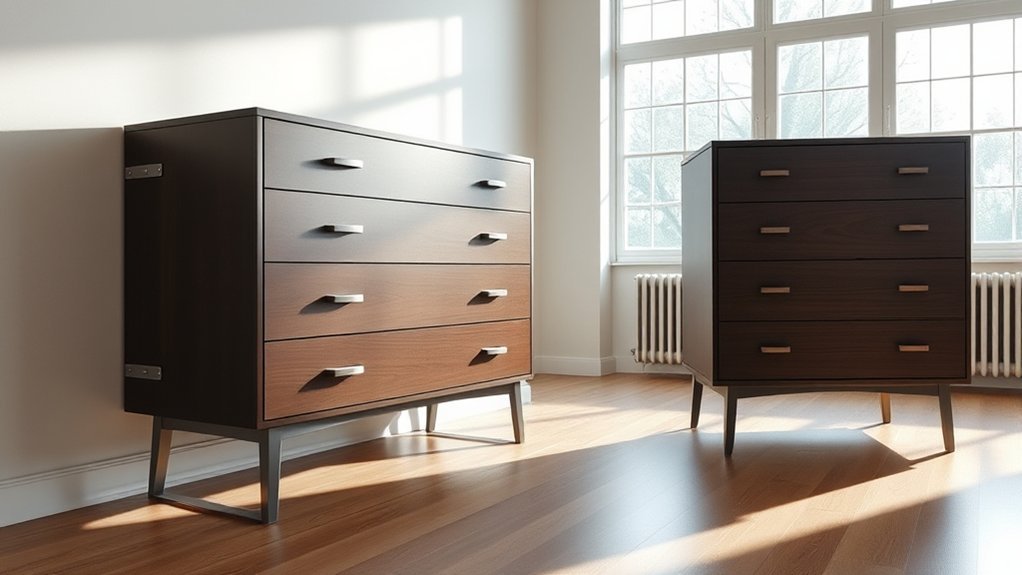
A towering bookshelf may seem like a steadfast guardian of your living space, but without proper support, it can become a precarious threat. Many people believe that heavy furniture is always stable, but this misconception can lead to dangerous situations. Understanding the realities of furniture anchoring is essential for everyone, not just families with children. Are you aware of the risks and best practices to guarantee safety in your home?
The Necessity of Furniture Anchoring
When you consider the safety of your home, anchoring your furniture should be a top priority.
It’s not just about aesthetics; it’s essential for furniture safety, especially if you have children. Unstable furniture poses a significant risk, as it can tip over easily, leading to serious injuries.
By securing items like bookshelves and dressers to the wall, you create a safer environment that prioritizes child protection. It’s a straightforward step that can prevent accidents and empower you as a homeowner.
You’re not only safeguarding your children but also ensuring peace of mind in your living space. Ignoring this vital aspect of home safety can lead to avoidable tragedies.
Common Misconceptions About Furniture Stability
Many people underestimate the importance of furniture stability and harbor misconceptions that can compromise safety. One common myth is that heavy furniture doesn’t need anchoring simply because it seems stable. In reality, even heavy pieces can tip over, especially during a sudden movement or an earthquake.
Another misconception is that furniture safety concerns only apply to households with children. However, anyone can be at risk of injury from tipping furniture, regardless of age.
Furniture safety is a concern for everyone, not just families with children; tipping hazards can affect individuals of all ages.
Additionally, some believe that all furniture is designed to be stable without support, but manufacturers often recommend anchoring for safety.
Understanding these stability myths is essential for creating a secure environment. Don’t let misconceptions jeopardize your space—prioritize furniture stability for true peace of mind.
Types of Furniture That Require Anchoring
Certain types of furniture are particularly prone to tipping and require anchoring to guarantee safety.
Dresser units, especially those that are tall or narrow, pose a considerable risk if not secured properly. They can easily topple over, especially when drawers are extended.
Similarly, bookcases, particularly when filled with heavy books, can become unstable if they’re not anchored to the wall. This risk increases in households with young children or pets who may climb or bump into them.
The Risks of Not Securing Furniture
Failing to secure furniture can lead to serious consequences, especially in homes with children or pets. Unstable furniture poses significant furniture hazards, as it can easily tip over during everyday activities or unexpected events.
This risk is heightened with curious toddlers and playful pets, who may inadvertently pull or climb on items like bookshelves and dressers. The potential for injury is alarming; according to safety reports, thousands of children are treated annually for injuries caused by falling furniture.
Best Practices for Effective Furniture Anchoring
To guarantee your furniture remains stable and secure, it’s vital to follow best practices for effective anchoring. Start by choosing the right anchor types for your furniture and walls, ensuring they can withstand the weight and force.
Here are some essential installation tips:
- Select appropriate anchors: Use wall studs for heavy items; toggle bolts for drywall.
- Follow manufacturer guidelines: Adhere to specific recommendations for each piece.
- Use multiple anchors: Distribute weight evenly to enhance stability.
- Regularly check anchors: Inspect for wear or loosening, especially after moving furniture.
- Consider professional help: If unsure, consult a professional for secure installation.
Frequently Asked Questions
Can Furniture Anchoring Damage My Walls or Furniture?
No, anchoring furniture won’t damage your walls or furniture if done correctly. In fact, it enhances furniture safety and protects your walls from potential scratches. Use proper anchors to guarantee secure, damage-free installation.
How Do I Know if My Furniture Needs Anchoring?
You’ll know your furniture needs anchoring by conducting a stability assessment. If it wobbles or poses a risk during movement or play, prioritizing furniture safety is essential to prevent accidents and guarantee a secure environment.
Are There Specific Anchors for Different Furniture Types?
Yes, there are specific anchors for different furniture types. Use chair anchors for lightweight seating and dresser anchors for heavier pieces. Selecting the right anchor enhances stability, ensuring your space remains safe and secure.
Can I Anchor Furniture Myself, or Should I Hire a Professional?
You can definitely tackle DIY anchoring yourself, but hiring professional services guarantees safety and stability. Trust your instincts, weigh your skills, and choose the path that liberates your space while keeping your loved ones secure.
What Tools Are Needed for Effective Furniture Anchoring?
You’ll need a stud finder, drill, screws, and brackets for effective furniture anchoring. These tools enhance furniture stability and guarantee safety measures are in place, creating a secure environment for you and your loved ones.
Conclusion
To sum up, furniture anchoring isn’t just a precaution; it’s a necessity for everyone. Don’t let myths about stability put your safety at risk. Have you considered how easily even heavy furniture can tip over? By securing your furniture, you’re not only protecting your loved ones but also creating a safer home environment. Remember, taking a few simple steps can make all the difference in preventing accidents and ensuring peace of mind.