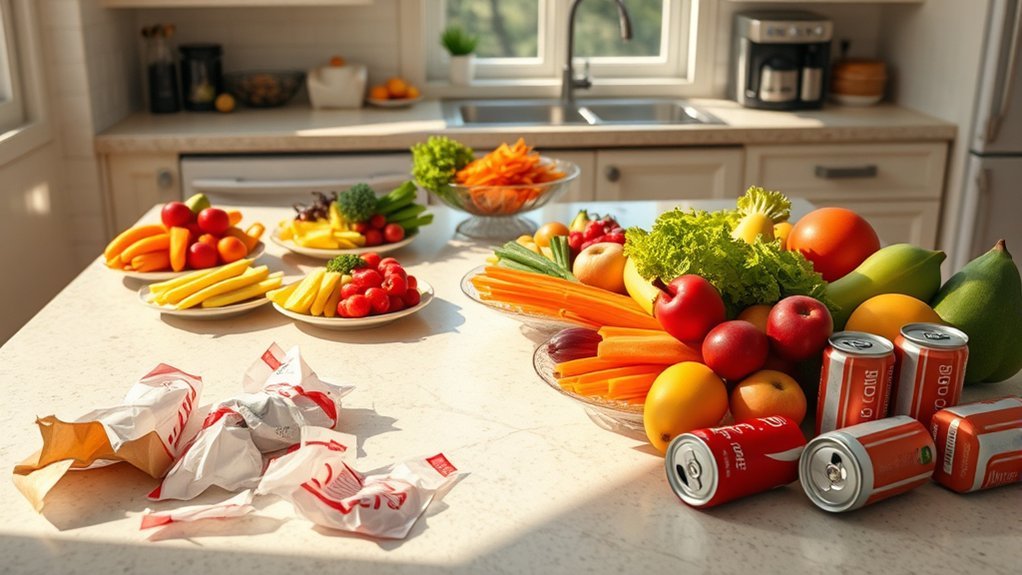
Establishing a consistent feeding schedule for your pets is essential for their overall health and well-being. By choosing high-quality food and monitoring portion sizes, you can prevent obesity and support proper digestion. Yet, it’s easy to fall into common pitfalls that can undermine these efforts. Understanding the do’s and don’ts of feeding schedules will help you create a healthier routine for your pets. Let’s explore what you should prioritize and what to avoid.
The Importance of a Consistent Feeding Schedule
When you establish a consistent feeding schedule for your pet, you not only help regulate their digestion but also promote overall health and well-being.
Regular meal times can lead to improved nutrient absorption and reduce the risk of obesity. Pets thrive on routine; it creates a sense of security and predictability.
Furthermore, feeding at the same times each day can help you monitor your pet’s appetite, making it easier to identify any health issues early. Skipping meals or erratic feeding can lead to digestive upset and stress for your pet.
Ultimately, a consistent schedule fosters a healthier lifestyle, empowering you to nurture your companion’s needs while enjoying the bond that comes from caring for their well-being.
Do’s: Establishing Healthy Eating Habits
Establishing healthy eating habits for your pet is essential for their long-term health and happiness.
Healthy eating habits are crucial for your pet’s enduring health and joy.
To foster these habits, consider the following do’s:
- Choose high-quality food: Opt for nutritionally balanced meals tailored to your pet’s age, size, and activity level.
- Stick to a schedule: Feed your pet at the same times each day to regulate their metabolism and digestion.
- Monitor portion sizes: Use the feeding guidelines on food packaging and adjust based on your pet’s weight and activity.
- Limit treats: Offer treats sparingly, ensuring they complement your pet’s overall diet without exceeding caloric needs.
Don’ts: Common Mistakes to Avoid
While fostering healthy eating habits is essential, it’s just as important to steer clear of common mistakes that can undermine your pet’s well-being.
One major pitfall is feeding table scraps, which can lead to obesity and encourage begging behavior.
Skipping meals or erratic feeding times can disrupt your pet’s digestive health and create anxiety around food.
Also, don’t ignore portion sizes; overfeeding can lead to serious health issues.
Make sure you’re not using food as a reward too often, as this can create an unhealthy association with treats.
Finally, avoid switching diets abruptly; gradual changes help prevent gastrointestinal upset.
Flexibility: Adapting to Your Child’s Needs
Avoiding feeding mistakes sets a strong foundation for your child’s eating habits, but it’s equally important to remain flexible and responsive to their unique needs.
Every child is different, and their appetite can vary day by day. Here are some ways to adapt:
Every child’s appetite is unique and can fluctuate daily, so it’s essential to adapt your approach accordingly.
- Observe Cues: Pay attention to your child’s hunger and fullness signals.
- Adjust Portions: Be willing to modify serving sizes based on their appetite.
- Timing Matters: Don’t strictly adhere to the clock; mealtime can shift based on your child’s daily activities or mood.
- Experiment: Introduce new foods when your child seems open to trying something different.
Being adaptable not only fosters a positive relationship with food but also empowers your child to listen to their own body.
Making Mealtime Enjoyable for Your Family
How can you turn mealtime into a positive experience for your family? Start by creating a relaxed atmosphere. Ditch distractions like screens and focus on each other.
Encourage open conversations and share stories, making everyone feel valued. Involve your family in meal preparation; cooking together builds teamwork and excitement about food.
Offer a variety of healthy options, allowing each person to choose what they like. This empowers them to make decisions about their diet, fostering independence.
Remember, it’s okay if not everyone eats the same thing; respect individual preferences. Finally, maintain a consistent schedule to establish routine, but stay flexible.
These strategies can transform mealtime into a joyful, bonding experience that nourishes both body and spirit.
Frequently Asked Questions
How Can I Handle Feeding Issues With a Picky Eater?
To handle feeding issues with a picky eater, offer diverse foods without pressure, involve them in meal prep, and model healthy eating. Be patient; it takes time for tastes to develop and change.
What Are Signs My Child Is Ready for Solid Foods?
Your child’s ready for solid foods when they can sit up independently, show interest in your meals, reach for food, and exhibit good head and neck control. Trust your instincts—each child develops at their own pace.
Should I Limit Snacks Between Meals?
Yes, you should limit snacks between meals to guarantee your child’s appetite stays healthy. Instead, focus on balanced meals so they learn to recognize hunger cues and enjoy a variety of foods throughout the day.
How Do I Address Food Allergies in My Child’s Diet?
Steering your child’s food allergies feels like walking a tightrope. Start by consulting an allergist for testing, then read labels diligently, and introduce new foods slowly. It’s all about keeping your little one safe and healthy.
What Role Does Hydration Play in Feeding Schedules?
Hydration’s essential in feeding schedules, as it aids digestion and nutrient absorption. When you guarantee your child drinks enough water, you support their overall health, keeping them energized and ready to enjoy their meals fully.
Conclusion
Incorporating a consistent feeding schedule for your pets is like tuning a musical instrument; it harmonizes their health and well-being. Just as a musician wouldn’t skip practice, you shouldn’t skip meals or feed table scraps. By sticking to high-quality food and regular meal times, you set your pet up for a thriving life. Remember, a little discipline today leads to a lifetime of joyful, healthy days ahead for your furry companions.

