Disclosure: As an Amazon Associate, we earn from qualifying purchases. If you click a link on this page and make a purchase, we may receive a small commission at no extra cost to you.
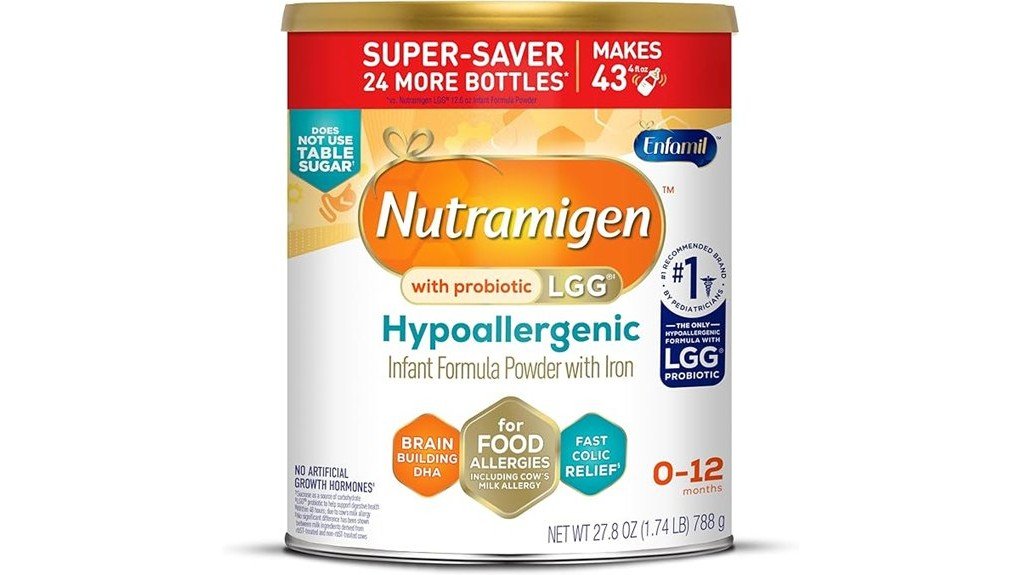
Feeding can feel stressful when your baby reacts poorly to standard formula, especially if symptoms point toward cow’s milk allergy or milk protein sensitivity. Enfamil Nutramigen is a hypoallergenic infant formula made for babies who need a more specialized option than regular milk-based formula. This review helps you decide whether its extensively hydrolyzed protein, lactose-free formula, iron, DHA, ARA, choline, and LGG make sense for your baby’s situation. It may help some babies settle more quickly when milk protein is the trigger, but it should be used with pediatric guidance rather than guesswork.
Quick Verdict
Rating: Recommended with caveats
Best For: Babies with diagnosed or strongly suspected cow’s milk allergy who need a pediatrician-guided hypoallergenic formula.
Bottom Line: Nutramigen is worth considering when regular formula causes allergy-linked colic, vomiting, fussiness, or digestive discomfort. The main tradeoff is that it is a specialized formula, so it may cost more and should not replace medical advice for severe allergy symptoms.
| Specification | Detail |
|---|---|
| Brand | Enfamil |
| Product | Nutramigen Hypoallergenic Infant Formula |
| Container Size | 27.8 oz powder can, based on the article link and product description |
| Formula Type | Hypoallergenic, extensively hydrolyzed infant formula |
| Lactose Status | Lactose-free |
| Added Nutrients | DHA, ARA, choline, iron, and LGG |
| Best Use | Infants with diagnosed or suspected cow’s milk allergy, under pediatric guidance |
Key Takeaways
- Nutramigen is a specialized hypoallergenic infant formula for babies with cow’s milk allergy or suspected milk protein sensitivity.
- Its extensively hydrolyzed protein breaks cow’s milk protein into smaller pieces, which may be easier for sensitive babies to tolerate.
- It is lactose-free and iron-fortified, with DHA, ARA, choline, and LGG for nutrition and digestive support.
- Some babies may show calmer feeding and less crying within a short period, but results vary and depend on the cause of symptoms.
- You should speak with a pediatrician before switching formulas, especially if your baby has severe reactions, poor weight gain, blood in stool, or breathing symptoms.
What Is Enfamil Nutramigen?
Enfamil Nutramigen is a hypoallergenic infant formula designed for babies who may not tolerate standard cow’s milk-based formula. Its main difference is the use of extensively hydrolyzed protein, which means the milk protein is broken into smaller parts to reduce the chance of triggering allergy-related symptoms.
This review focuses on the 27.8 oz powder can linked in the article. The formula is described as lactose-free and iron-fortified, with DHA, ARA, choline, and LGG. Those ingredients are included to support early nutrition, brain and eye development, and digestive balance.
Nutramigen is not a casual formula swap for every fussy baby. It makes the most sense when your baby’s symptoms suggest cow’s milk allergy or when your pediatrician recommends a hypoallergenic option after standard formula has not been tolerated well.
How Does Nutramigen Help With Cow’s Milk Allergy?
For babies with cow’s milk protein allergy, the immune system may react to proteins found in regular cow’s milk-based formula. Nutramigen uses extensively hydrolyzed protein, so the protein pieces are smaller and usually less likely to trigger the same reaction.
This can matter if your baby has allergy-linked symptoms such as persistent crying, reflux-like discomfort, vomiting, diarrhea, mucus or blood in stool, eczema flares, or poor feeding comfort. Formula changes should still be guided by a clinician, because those symptoms can also have other causes.
Before You Buy: Severe reactions need medical care. If your baby has trouble breathing, swelling, repeated vomiting, dehydration signs, blood in stool, or poor weight gain, contact a pediatrician right away instead of relying on a formula change alone.
How Fast Does Nutramigen Relieve Colic?
Some parents notice less crying, less fussiness, and calmer feeding within a short time after switching to Nutramigen, especially when colic is linked to cow’s milk allergy. A short improvement window can be encouraging, but it is not a guarantee for every baby.
If the real issue is gas from feeding technique, reflux, illness, constipation, nipple flow, or another medical concern, Nutramigen may not solve the problem. Track feeding times, stool changes, spit-up, skin symptoms, and crying patterns so your pediatrician can judge whether the formula is helping.
For best results, use the formula exactly as directed on the label. Do not dilute it, concentrate it, or mix it with other products unless your baby’s clinician tells you to do so.
What Do DHA, ARA, Choline, and LGG Do?
Nutramigen is not only about avoiding intact cow’s milk protein. It also includes nutrients and probiotic support that may matter during early infancy. These ingredients do not make the formula a cure, but they help round out its nutritional role.
| Ingredient | Why It Matters |
|---|---|
| DHA | Supports brain and eye development during early growth. |
| ARA | A fatty acid used in cell development and growth. |
| Choline | Supports normal brain and nervous system development. |
| LGG | A probiotic strain included to support digestive balance. |
Who Should Buy It?
Best For
- Babies diagnosed with cow’s milk allergy who need a hypoallergenic formula.
- Infants with allergy-linked colic, fussiness, vomiting, or digestive discomfort.
- Parents who need a lactose-free, iron-fortified formula with DHA, ARA, choline, and LGG.
Skip If
- Your baby has severe allergy symptoms and has not been evaluated by a clinician.
- You only need a lower-cost standard formula for a baby with no allergy signs.
- Your pediatrician has recommended an amino acid-based formula instead.
Safety and Preparation
Powdered infant formula needs careful handling. Wash your hands, use clean bottles, follow the exact water-to-powder instructions on the can, and prepare only what your baby needs. Never microwave a bottle, because hot spots can burn your baby’s mouth.
Prepared formula should be stored and discarded according to the product label and your pediatrician’s advice. If your baby is premature, younger than 2 months, immunocompromised, or medically fragile, ask your clinician whether powdered formula is the safest format or whether ready-to-feed formula is better.
Pro Tip: Before buying multiple cans, ask your pediatrician whether your baby should trial Nutramigen first. This helps you avoid stocking up before you know how your baby tolerates the taste and formula type.
How It Performs in Real Use
For Daily Feeding
Nutramigen is made for daily infant feeding when a hypoallergenic formula is needed. The main benefit is consistency: once your baby tolerates it, you can keep feeding with the same formula instead of rotating through options that may trigger more discomfort.
For Colic and Fussiness
When crying and fussiness are tied to cow’s milk allergy, Nutramigen may help reduce the trigger. Parents should still watch the full symptom pattern, because ordinary fussiness, reflux, bottle flow, and overtiredness can look similar.
For Long-Term Allergy Management
Nutramigen can be part of a longer feeding plan for babies who need to avoid intact cow’s milk protein. Your pediatrician can help decide when to keep using it, when to reassess symptoms, and whether a later transition to another formula is safe.
Pros and Cons
Pros
- Hypoallergenic formula designed for babies with cow’s milk allergy.
- Extensively hydrolyzed protein may be easier for sensitive babies to tolerate.
- Lactose-free and iron-fortified for specialized feeding needs.
- Includes DHA, ARA, choline, and LGG for added nutritional and digestive support.
- Large 27.8 oz can may be practical for families using it as a primary formula.
Cons
- Usually costs more than standard infant formula.
- Taste and smell may take some babies time to accept.
- Not the right choice for every allergy case, especially if an amino acid-based formula is needed.
Is It Worth the Price?
Nutramigen is usually a premium-priced formula compared with standard infant formula. That higher cost can make sense if your baby truly needs a hypoallergenic formula and regular formula keeps causing allergy-linked symptoms.
You get the most value from it when a pediatrician has recommended a formula like this and your baby shows clear improvement after the switch. If your baby does not have cow’s milk allergy signs, a standard or gentle formula may be a more practical first option.
The main limitation is that price alone does not prove fit. A formula can be well made and still not be the right match for your baby’s medical needs, taste acceptance, or feeding plan.
How It Compares to Alternatives
Nutramigen is often compared with Similac Alimentum, another hypoallergenic formula used for babies with cow’s milk protein sensitivity. Both are more specialized than standard formulas, and your baby’s tolerance may decide which one works better.
If your baby cannot tolerate extensively hydrolyzed formulas, your pediatrician may discuss amino acid-based formulas such as EleCare, PurAmino, or Neocate. Nutramigen makes the most sense when your baby needs a hypoallergenic formula but does not require that next level of protein breakdown.
Frequently Asked Questions
Is Enfamil Nutramigen available in different can sizes?
Yes, Nutramigen may be sold in different powder and ready-to-feed formats depending on retailer and region. This review focuses on the 27.8 oz powder can linked in the article, so check the label before buying.
Does Nutramigen contain lactose or iron?
Nutramigen is described as lactose-free and iron-fortified. That can help when your baby needs a specialized formula, but it should still match your pediatrician’s feeding recommendation.
Can Nutramigen help with colic?
It may help when colic-like crying is caused by cow’s milk allergy or milk protein sensitivity. If the crying comes from reflux, feeding position, bottle flow, constipation, or another issue, the improvement may be limited.
Can babies transition from Nutramigen back to regular formula?
Some babies may transition later, but this should be done with pediatric guidance. A clinician can help decide when your baby may be ready and how to watch for returning symptoms.
Is Nutramigen suitable for babies with severe allergies?
It may suit some babies with cow’s milk allergy, but severe symptoms require medical supervision. Babies with anaphylaxis risk, ongoing blood in stool, poor growth, or multiple food allergies may need a different formula plan.
How should Nutramigen be prepared and stored safely?
Wash your hands, use clean bottles, and follow the label’s exact mixing instructions. Do not dilute, concentrate, microwave, or save leftover formula beyond the safety directions on the package.
The Bottom Line
Enfamil Nutramigen is a strong option for babies who need a hypoallergenic, lactose-free infant formula because of cow’s milk allergy or suspected milk protein sensitivity. It is best for parents working with a pediatrician, and it is less suitable if your baby has severe symptoms that need a more advanced medical formula or urgent evaluation.
Its main strength is the extensively hydrolyzed protein with added DHA, ARA, choline, iron, and LGG. Its main limitation is cost and the fact that it will not solve every cause of crying or digestive discomfort.