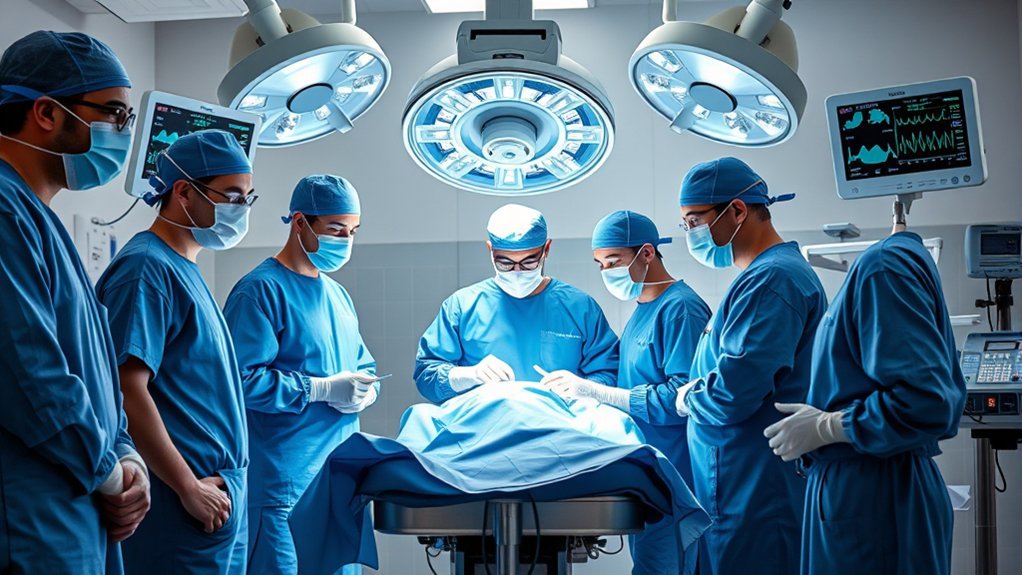
An emergency C-section can happen when labor or pregnancy changes quickly and a vaginal birth may no longer be the safest option for you or your baby. It is usually an unplanned surgical birth done because of concerns such as fetal distress, severe bleeding, preeclampsia, stalled labor, placenta problems, cord prolapse, or an unsafe baby position.
Quick Answer
Emergency C-sections are most often needed when labor stops progressing, the baby shows signs of distress, the placenta or umbilical cord causes danger, severe bleeding occurs, or the mother develops a serious condition such as preeclampsia. The goal is fast, safe delivery when waiting could raise the risk of harm.
Key Takeaways
- An emergency C-section is an unplanned surgical birth done when your health, your baby’s health, or both need urgent protection.
- Common causes include stalled labor, fetal heart rate concerns, breech or transverse position, placenta previa, placental abruption, cord prolapse, severe bleeding, and preeclampsia.
- Some risk factors are known before labor, while others appear suddenly during labor.
- You can ask why surgery is recommended, how urgent it is, what anesthesia will be used, and whether your support person can stay with you.
- Recovery includes incision care, pain control, movement, emotional support, and planning for future pregnancies.
Warning: This article is general education and is not a substitute for your doctor, midwife, or emergency care. During pregnancy or after birth, call your healthcare provider or emergency services right away for heavy bleeding, severe belly pain, reduced fetal movement, severe headache, vision changes, seizure, fever, chest pain, trouble breathing, worsening incision pain, or a strong feeling that something is wrong.
What Is an Emergency C-Section?
A C-section, also called a cesarean birth, is the delivery of a baby through surgical cuts in the abdomen and uterus. An emergency C-section means the decision is made quickly because continuing with vaginal birth may put you, your baby, or both of you at higher risk.
The word “emergency” does not always mean the same level of danger. Sometimes the team needs to move within minutes. Other times, the situation is urgent but there is still time to explain the plan, place anesthesia, and prepare you safely. In either case, the main goal is the same: deliver the baby in the safest way available.
A C-section can be medically necessary and lifesaving when complications develop. The World Health Organization explains that medically justified C-sections can help prevent maternal and newborn illness or death, but surgery also carries short- and long-term risks when it is not needed.
Emergency vs. Planned C-Section
A planned C-section is scheduled before labor starts. It may be recommended for reasons such as placenta previa, some twin or triplet pregnancies, certain prior uterine surgeries, or a baby who is not in a safe position for vaginal birth.
An emergency C-section is unplanned. It may happen during labor or, less often, before labor if a sudden medical problem appears. For example, your care team may recommend emergency surgery if labor stops progressing, the baby’s heart rate shows concerning changes, you develop severe bleeding, or a condition such as preeclampsia becomes dangerous.
Note: Hospitals may use different urgency categories. In some systems, the most urgent emergency C-section is usually done within about 30 minutes, while less urgent categories allow more preparation time. Your team’s timing depends on your condition, your baby’s condition, anesthesia needs, and operating room availability.
Common Causes of Emergency C-Sections
Several problems can make an emergency C-section the safest delivery option. The most common causes fall into a few main groups.
Labor Slows or Stops
Labor may not progress as expected if the cervix stops opening, contractions are not moving labor forward, or the baby does not descend through the birth canal. This may be called dystocia, prolonged labor, or failure to progress. If other steps do not help and continuing labor becomes risky, your provider may recommend a C-section.
The Baby’s Heart Rate Becomes Concerning
During labor, your baby’s heart rate is often monitored. A concerning heart rate pattern may suggest that the baby is not tolerating labor well. The team may first try steps such as changing your position, giving fluids, or adjusting contraction medicine. If the pattern stays concerning, an emergency C-section may be the safest next step.
Breech or Transverse Position
A C-section may be needed if the baby is positioned feet-first, buttocks-first, sideways, or shoulder-first. These positions can make vaginal birth more difficult or unsafe, especially if the situation is discovered late in labor or the baby is showing signs of stress.
Placenta Problems
The placenta can create urgent risks if it blocks the cervix or separates from the uterus too early. Placenta previa means the placenta covers the cervical opening, which can block vaginal birth and cause bleeding. Placental abruption means the placenta pulls away too soon, which can reduce the baby’s oxygen supply and cause dangerous bleeding.
Umbilical Cord Problems
A cord prolapse happens when the umbilical cord slips through the cervix before the baby. The cord can become compressed, reducing blood and oxygen flow to the baby. This is usually treated as a serious emergency.
Severe Bleeding or Maternal Emergency
Heavy bleeding, worsening preeclampsia, eclampsia, concern for uterine rupture, or a serious maternal health problem may require quick delivery. In these cases, the C-section is done to protect both you and your baby.
Maternal Health Conditions Contributing to Emergencies
Maternal health conditions can increase the chance that labor will need closer monitoring or a faster delivery plan. A risk factor does not mean you will need an emergency C-section, but it helps your care team prepare.
- High blood pressure or preeclampsia: These conditions can affect the placenta, your organs, and your baby’s safety.
- Diabetes or gestational diabetes: Diabetes can raise the chance of a larger baby or other delivery complications.
- Obesity: Higher body weight can increase the chance of longer labor, anesthesia challenges, and surgical complications.
- Infection during labor: Infections such as chorioamnionitis can affect both you and your baby and may change the delivery plan.
- Prior C-section or uterine surgery: A previous uterine scar may affect delivery choices and future pregnancy risks.
- Heart, brain, or other serious medical conditions: Some conditions make prolonged labor or pushing unsafe.
If you have any of these conditions, ask your provider how they may affect labor, monitoring, anesthesia, and delivery options.
Fetal Complications Leading to C-Sections
Fetal complications can change the delivery plan quickly. When your baby may not be getting enough oxygen or is not positioned safely, your healthcare team may recommend an emergency C-section.
In the United States, CDC 2024 birth data show that 32.4% of all deliveries were by C-section. That number includes both planned and unplanned cesarean births.
Common fetal or pregnancy-related issues include:
- Fetal distress: Concerning heart rate patterns may show that the baby is not tolerating labor well.
- Breech presentation: The baby is positioned feet-first or buttocks-first.
- Transverse lie: The baby is sideways or shoulder-first.
- Umbilical cord problems: Cord prolapse, cord compression, or tight cord issues may affect blood and oxygen flow.
- Multiple pregnancy: Twins, triplets, or more can raise delivery complexity, especially if one baby is not head-down.
- Some fetal size or health concerns: Certain fetal conditions may affect whether vaginal birth is safe.
Risk Factors Associated With Emergency C-Sections
Some risk factors are known before labor starts. Others appear during labor. Your team uses these details to decide how closely to monitor you and when to act.
Maternal Risk Factors
- high blood pressure, preeclampsia, or eclampsia
- gestational diabetes or pre-existing diabetes
- obesity
- infection during labor
- previous C-section or other uterine surgery
- placenta previa or suspected placental abruption
- medical conditions that make pushing or prolonged labor risky
Labor and Pregnancy Risk Factors
- labor that does not progress after safe attempts to help it move forward
- failed induction of labor
- baby in breech, transverse, or another unsafe position
- multiple pregnancy
- cord prolapse or cord compression
- heavy bleeding
- concern for uterine rupture
Warning Signs to Report Right Away
During pregnancy or labor, tell your nurse, midwife, doctor, or emergency service right away if you notice:
- heavy vaginal bleeding or passing large clots
- sudden, severe belly pain or constant pain between contractions
- reduced or absent fetal movement
- severe headache, vision changes, swelling of the face or hands, or upper belly pain
- seizure, fainting, chest pain, or trouble breathing
- fever, chills, or foul-smelling fluid
- a sudden gush of fluid followed by pressure or a feeling that something is in the vagina
These signs do not always mean you need a C-section, but they do need fast medical assessment.
The Role of Healthcare Providers in Emergency Situations
Although unexpected complications can arise during labor, healthcare providers play an essential role in protecting both the mother and the baby. Their work is fast, coordinated, and based on clinical signs.
Here’s how they contribute:
- Rapid assessment: They check your vital signs, bleeding, pain, labor progress, and your baby’s heart rate.
- Decision-making: They decide whether vaginal birth is still safe or whether an emergency C-section is needed.
- Team coordination: The obstetric, anesthesia, nursing, and newborn care teams prepare together.
- Patient communication: When time allows, they explain the reason for surgery, the risks, and what happens next.
- Consent: You may be asked to sign a consent form, or in a very urgent situation, give verbal consent.
- Post-operative care: They monitor bleeding, pain, blood pressure, incision healing, mobility, and emotional well-being after delivery.
Pro Tip: Before labor, ask your provider what situations might lead to an emergency C-section in your specific pregnancy. Knowing the plan ahead of time can make a fast decision feel less confusing if it happens.
What Happens During an Emergency C-Section?
The exact steps depend on the urgency, your health, and your baby’s condition. In many cases, the process includes:
- Rapid assessment: The team checks your condition and your baby’s heart rate.
- Consent: Your provider explains the reason for surgery and asks for consent when time allows.
- Preparation: An IV is placed or checked, your abdomen is cleaned, and a catheter may be placed in your bladder.
- Anesthesia: Many C-sections use spinal or epidural anesthesia so you are awake but numb. In a very urgent situation, general anesthesia may be needed.
- Delivery: The obstetrician makes incisions in the abdomen and uterus, delivers the baby, removes the placenta, and closes the incisions.
- Baby check: A newborn care team checks your baby’s breathing, color, heart rate, and overall condition.
- Recovery monitoring: Your team watches your bleeding, blood pressure, pain level, incision, and ability to move safely.
If you are awake and your baby is stable, you may be able to see or hold your baby soon after birth. If your baby needs breathing help or other care, a pediatric or neonatal team will treat your baby first.
Questions to Ask During Labor
You do not need to memorize medical terms to advocate for yourself. Simple questions can help you understand the situation quickly:
- What is the main concern right now?
- Is this an emergency for me, the baby, or both?
- Are there safe alternatives to try first?
- How much time do we have to decide?
- What anesthesia will I receive?
- Can my support person come into the operating room?
- What should I expect after delivery?
You can also tell your team what matters to you, such as skin-to-skin contact if safe, delayed cord clamping if appropriate, breastfeeding support, photos, or having someone explain events to your support person.
Implications for Maternal and Neonatal Health
Emergency C-sections can be lifesaving, but they are still major surgery. Possible risks for you include infection, heavier bleeding, anesthesia reactions, blood clots, injury to nearby organs, longer recovery, and added risks in later pregnancies. According to Mayo Clinic, future pregnancy risks after C-section can include placenta previa, placenta accreta, scar tissue, and uterine rupture along a prior C-section scar if you later attempt vaginal birth.
For babies, a C-section may raise the chance of short-term breathing problems, especially when birth happens before labor is well established or before full term. At the same time, an emergency C-section may prevent serious harm when the baby is not tolerating labor or when the placenta or cord is causing danger.
Recovery After an Emergency C-Section
Recovery after an emergency C-section can feel physical and emotional at the same time. You may have incision pain, gas pain, bleeding, fatigue, swelling, and strong emotions about how the birth happened.
Your care team may encourage you to drink fluids, walk when safe, use pain medicine that is compatible with breastfeeding if needed, and check your incision each day. Ask for help lifting, cooking, cleaning, and caring for older children while your body heals.
Call Your Provider After Birth If
- your incision becomes more painful, swollen, hot, red, or leaks fluid
- you have a fever
- you have heavy bleeding or large clots
- your pain is getting worse instead of better
- you have calf pain, chest pain, or trouble breathing
- you feel very sad, panicked, numb, or unable to care for yourself or your baby
- you have thoughts of harming yourself or your baby
If your birth felt frightening or rushed, ask for a birth debrief. A doctor, midwife, or nurse can walk you through what happened and why each decision was made.
Future Pregnancies After an Emergency C-Section
An emergency C-section can affect future pregnancy planning, but it does not always mean you must have a C-section again. Some people may be candidates for a VBAC, or vaginal birth after cesarean. Others may be advised to schedule a repeat C-section because of the type of uterine incision, the reason for the first C-section, placenta location, number of prior C-sections, or other health factors.
Before another pregnancy or early in your next pregnancy, ask your provider:
- What type of uterine incision did I have?
- Why exactly was the emergency C-section needed?
- Am I a possible VBAC candidate?
- What risks should we watch for in a future pregnancy?
- How long should I wait before trying to conceive again?
Emotional Support After an Emergency C-Section
An emergency C-section can bring relief, fear, grief, confusion, or disappointment. These feelings can happen even when the surgery was necessary and your baby is healthy.
Support may include:
- a birth debrief with your doctor, midwife, or nurse
- help from a lactation consultant
- counseling or therapy
- postpartum support groups
- pelvic floor therapy if you have pain, weakness, or bladder symptoms
- practical help at home while you recover
Seek help early if you have panic, flashbacks, nightmares, severe sadness, numbness, rage, or thoughts of harming yourself or your baby.
Frequently Asked Questions
How is an emergency C-section performed?
An emergency C-section is performed in an operating room. Your abdomen is cleaned, anesthesia is given, and the obstetrician makes incisions in the abdomen and uterus to deliver the baby. The placenta is removed, the incisions are closed, and you and your baby are monitored closely afterward.
What is the recovery process after an emergency C-section?
Recovery usually includes pain control, incision care, gentle walking, bleeding checks, and follow-up visits. You may need extra help at home because a C-section is major abdominal surgery. Call your provider for fever, heavy bleeding, worsening pain, incision drainage, chest pain, trouble breathing, or severe mood symptoms.
Are there long-term effects of emergency C-sections on mothers?
Some people recover without long-term problems. Others may have scar discomfort, numbness, adhesions, pelvic floor symptoms, emotional distress, or concerns in later pregnancies. Future pregnancy risks can include placenta problems and uterine scar concerns, so it is important to review your surgical history with your provider.
Can emergency C-sections affect future pregnancies?
Yes. A prior C-section can affect placenta location, uterine scar risk, and whether VBAC is a safe option. Many people can still have healthy future pregnancies. Ask your provider what type of uterine incision you had and whether you may be a candidate for vaginal birth after cesarean.
What support is available for families after an emergency C-section?
Support can include your OB-GYN or midwife, lactation consultants, wound checks, pelvic floor therapy, counseling, postpartum support groups, home help, and a birth debrief with your care team. These resources can help with physical healing, feeding, emotional recovery, and daily care.
Does an emergency C-section mean something went wrong?
Not always. Sometimes labor changes in ways no one can predict. An emergency C-section means your team believed surgical delivery was the safest option at that moment. You can ask for a birth review afterward to understand what happened and why.
Conclusion
In understanding emergency C-sections, you are better prepared to handle childbirth’s unexpected turns. The most common causes include fetal distress, stalled labor, unsafe baby position, placenta problems, cord problems, severe bleeding, and serious maternal conditions such as preeclampsia.
The best preparation is not fear. It is knowing the warning signs, asking direct questions, understanding your personal risk factors, and making a postpartum support plan. If an emergency C-section becomes necessary, clear communication and good follow-up care can help you recover physically and emotionally.
Sources
- Mayo Clinic: C-section — definition, common reasons, risks, procedure steps, recovery, and warning signs.
- Pregnancy Birth and Baby: Emergency caesarean — emergency reasons, consent, urgency categories, support person information, baby checks, and emotional support.
- CDC/NCHS FastStats: Method of Delivery — current U.S. cesarean delivery statistics.
- World Health Organization: Caesarean section rates statement — benefits when medically justified and risks when surgery is not needed.

