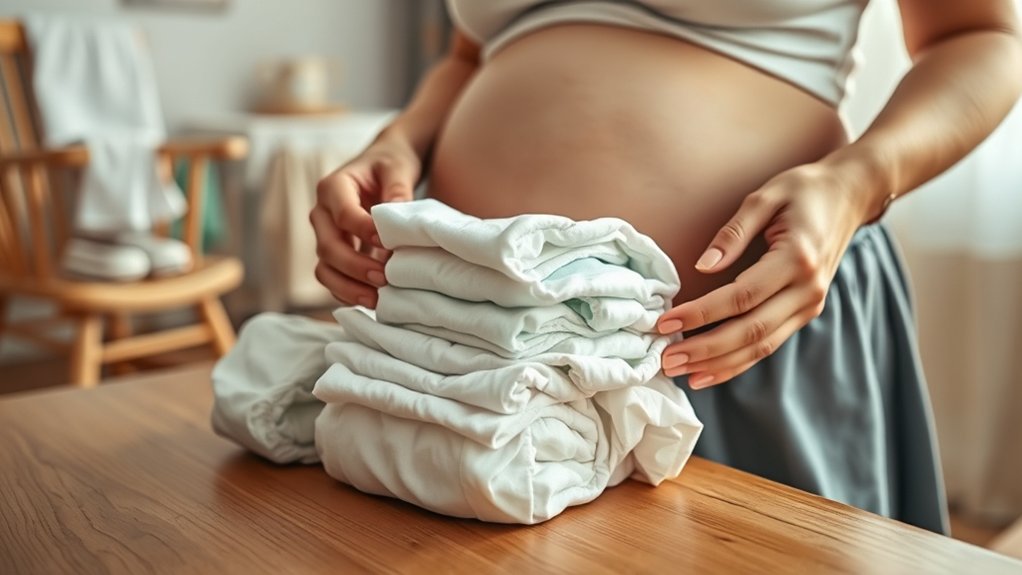
How to Choose the Right Diaper Size During Pregnancy
Leaks, pressure, and skin irritation can make pregnancy incontinence feel harder than it needs to be. The right adult diaper or absorbent underwear should fit your changing body without pinching, bunching, or rubbing. This guide shows you how to measure, compare sizes, check fit, and know when to change sizes during pregnancy and after birth.
Quick Answer
To choose a diaper size during pregnancy, measure your waist, hips, thighs, and rise, then compare those numbers with the brand’s size chart. Pick a snug fit that stays in place without leaving red marks. Recheck your measurements as your belly and hips change.
Key Takeaways
- Measure your body before you buy, since adult diaper sizes vary by brand.
- Choose a diaper that feels snug but never tight around your waist, hips, or thighs.
- Change diapers often to help keep your skin dry and reduce irritation.
- Use absorbent products as support, not as a replacement for medical care.
- Move up or down a size when you notice leaks, gaps, rubbing, or red marks.
Understanding Diaper Sizes During Pregnancy
Pregnancy can increase bladder pressure, especially as your uterus grows. Some people use adult diapers, incontinence underwear, or postpartum pads to manage leaks during pregnancy and after birth.
Adult diaper sizes usually depend on waist and hip measurements, not baby diaper weights. Each brand may use a different size chart, so check the package or product page before you buy.
A well-fitting diaper helps limit leaks, rubbing, and skin irritation. It should stay close to your body while still letting you walk, sit, sleep, and move with ease.
Why the Right Diaper Size Matters
Choosing the right diaper size supports your comfort during pregnancy. It also helps protect your skin from moisture, friction, and pressure.
A diaper that fits poorly may leak, bunch, or slide out of place. A diaper that feels too tight can leave marks and rub sensitive skin.
Comfort for Expecting Mothers
The right fit can make daily activities feel easier, from running errands to sleeping at night. A snug but soft diaper should move with you, not against you.
Use this general weight guide only as a starting point. Your waist, hip, and thigh measurements give you a better fit than weight alone.
| Diaper Size | General Weight Range |
|---|---|
| Small | Up to 150 lbs |
| Medium | 150 to 200 lbs |
| Large | 200 to 250 lbs |
| X-Large | 250 to 300 lbs |
| XX-Large | 300 lbs and above |
Note: Brand size charts can differ, so use your measurements before you rely on a size name.
Avoiding Skin Irritation
The right diaper size can reduce rubbing and trapped moisture. This matters because pregnancy can make your skin feel more sensitive.
These habits can help you protect your skin:
- Check the fit: Make sure the diaper feels snug without pinching.
- Choose breathable materials: Look for soft, moisture-wicking products when possible.
- Change often: Replace wet diapers to help keep your skin dry.
- Use barrier cream: Apply a thin layer if your clinician says it’s safe for you.
Supporting Comfort as Your Body Changes
Your belly, hips, and thighs may change through pregnancy. A size that worked in one trimester may feel too tight later.
Check your fit often, especially if you notice leaks, rubbing, or marks on your skin. A small size change can make a big difference in comfort.
Pregnancy Symptoms That May Lead You to Use Diapers
Pregnancy can affect bladder control for many reasons. Hormonal changes, pelvic floor strain, and pressure on the bladder may all play a role.
Adult diapers or absorbent underwear can help you feel more secure during the day. They can also help at night if you leak when you cough, sneeze, laugh, or stand up.
Urinary Incontinence
Urinary incontinence means urine leaks when you don’t mean for it to. During pregnancy, you may notice small leaks during movement or pressure.
Pelvic floor exercises, often called Kegel exercises, may help some people improve bladder control. Talk with your doctor, midwife, or pelvic floor therapist if leaks feel frequent, painful, or hard to manage.
- Practice pelvic floor exercises only if your clinician says they’re right for you.
- Drink enough fluids instead of cutting back too much.
- Use absorbent underwear for backup during travel, errands, or sleep.
- Seek care if you feel burning, pain, fever, or sudden major leakage.
Warning: Call your clinician promptly if you cannot tell whether fluid is urine or amniotic fluid.
Increased Urgency and Frequency
You may need to use the bathroom more often as pregnancy progresses. Pressure on your bladder can make the urge feel sudden.
Absorbent products can help you handle long car rides, work shifts, and sleep with less stress. They do not treat the cause, so mention new or severe symptoms at your next prenatal visit.
How to Measure for the Best Diaper Fit
Measuring for the right fit takes only a few minutes. Use a soft measuring tape and stand in a relaxed position.
Write down each number before you compare products. If your measurements fall between sizes, check the brand’s guidance for fit and absorbency.
- Measure your waist where the diaper waistband will sit.
- Measure the widest part of your hips.
- Measure each thigh where the leg openings will rest.
- Measure the rise from the front waist, through the legs, to the back waist.
- Account for underwear, pads, or clothing you plan to wear with the diaper.
How to Check If a Diaper Fits Correctly
After you put on a diaper, check the waistband, leg openings, and back panel. The diaper should feel secure without digging into your skin.
You should be able to slide one or two fingers under the waistband. The leg openings should sit flat with no large gaps.
- Good fit: The diaper stays in place and does not leave red marks.
- Too small: The diaper pinches, rolls down, or feels tight at the legs.
- Too large: The diaper gaps, sags, or leaks around the thighs.
- Wrong absorbency: The diaper fits well but leaks after light or moderate use.
Different Types of Diapers Available
You have several absorbent product options during pregnancy and postpartum recovery. The best choice depends on your leakage level, comfort needs, budget, and laundry access.
Adult diapers offer more coverage than light pads. Pull-up underwear can feel more like regular underwear, while tab-style briefs may help when you need easier changes.
- Incontinence pads: Best for light leaks and easy daily use.
- Pull-up underwear: Best for moderate leaks and a discreet fit.
- Tab-style briefs: Best for heavier leakage or easier assisted changes.
- Reusable cloth options: Best if you want to reduce waste and can wash them often.
- Postpartum pads: Best for bleeding after birth, not for heavy urine leakage alone.
Tips for Managing Discomfort During Pregnancy
Pregnancy can bring bladder pressure, back pain, swelling, and sleep problems. Simple comfort steps can help, but they should not replace prenatal care.
Try these practical ways to reduce discomfort:
- Stay hydrated: Drink enough water unless your clinician gives you different advice.
- Change positions often: Gentle movement can reduce pressure and stiffness.
- Use supportive pillows: A body pillow can ease pressure on your hips and back.
- Ask about pelvic support: Your clinician may suggest safe exercises or support garments.
The Benefits of Stocking Up on Diapers Early
Buying a small supply early can reduce stress during late pregnancy and after birth. Start with one or two packs before you commit to bulk buying.
Your size and absorbency needs may change, so avoid stocking too much of one product. Once you find a brand and size that work, buying more can save time.
| Benefit | Description |
|---|---|
| Time-Saver | Fewer urgent store trips after birth |
| Comfort Backup | A ready supply for leaks, travel, or sleep |
| Better Fit Testing | A chance to compare styles before buying in bulk |
Transitioning to New Sizes After Pregnancy
Your body keeps changing after birth, so your diaper size may change again. Swelling, bleeding, soreness, and fluid shifts can affect fit during recovery.
Move to a different size or style when comfort or leak protection changes. Check for these signs:
- The diaper feels tight or rubs sore skin.
- You see red marks after removing it.
- You notice regular leaks or gaps around the legs.
- The waistband rolls, slips, or bunches when you move.
When to Talk With a Healthcare Professional
Pregnancy leaks can be common, but some symptoms need medical care. Contact your doctor or midwife if leakage starts suddenly, feels heavy, or comes with pain.
Seek care right away if you notice burning when you urinate, fever, pelvic pain, blood in urine, or fluid that may be amniotic fluid. Your care team can check for infection, membrane rupture, or other causes.
Frequently Asked Questions
Can I Use Adult Diapers Postpartum?
Yes, many people use adult diapers or disposable underwear after birth. They can help manage urine leaks and postpartum bleeding, but heavy bleeding or sudden fluid leakage needs medical care.
How Often Should I Change Diapers During Pregnancy?
Change your diaper whenever it feels wet, soiled, or uncomfortable. During the day, many people need a change every few hours, but your absorbency level and skin comfort matter most.
Are There Eco-Friendly Diaper Options Available?
Yes, reusable cloth products can reduce disposable waste if you can wash them safely and often. Some disposable brands use plant-based materials, but claims vary, so check labels carefully.
Do Diaper Sizes Vary Between Brands?
Yes, diaper sizes can vary a lot between brands. Always compare your waist and hip measurements with the brand’s own chart before you buy.
What Are the Signs I Need a Larger Diaper Size?
You may need a larger size if the diaper leaves red marks, pinches, rolls down, or feels hard to fasten. If leaks happen because the diaper gaps around your legs, you may need a smaller size or a different style instead.
Medical Disclaimer: This article is for informational purposes only and does not constitute professional medical advice. Always consult a qualified doctor, midwife, or pelvic floor specialist before making decisions based on this information.
Conclusion
The best diaper size during pregnancy is the one that fits your current measurements, protects against leaks, and feels comfortable on sensitive skin. Measure your waist, hips, thighs, and rise before you buy, then recheck your fit as your body changes. Start with a small supply so you can test the size, style, and absorbency before stocking up. With the right fit, you can move through pregnancy and postpartum recovery with more comfort and confidence.
References
- Problems of the Digestive System — American College of Obstetricians and Gynecologists
- Bladder Control Problems and Pregnancy — National Institute of Diabetes and Digestive and Kidney Diseases
- Your Body After the Birth — National Health Service