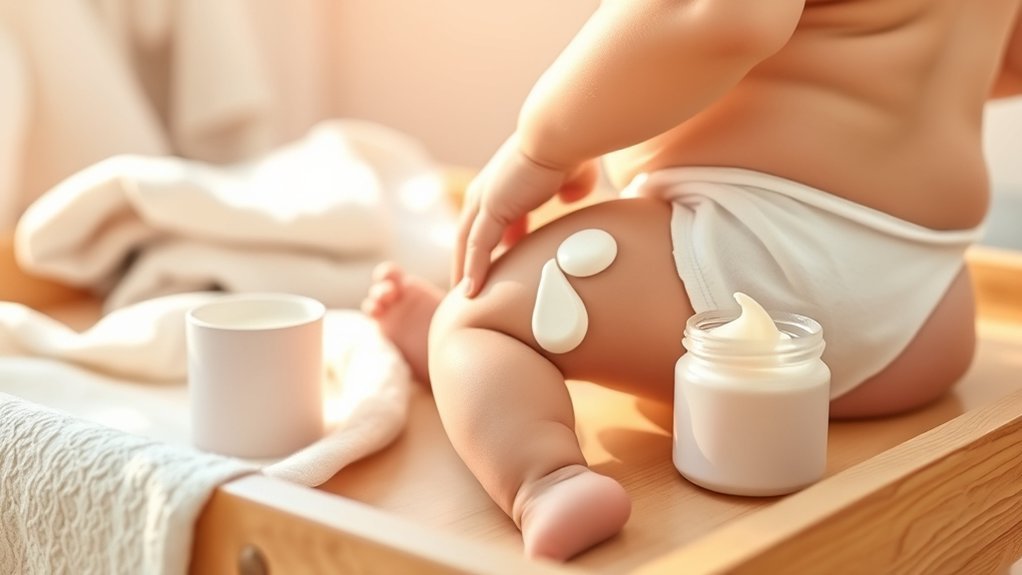
Pregnancy brings a lot of physical changes, and your skin feels many of them. Hormonal shifts can leave skin more sensitive and prone to irritation, including rashes in areas where moisture accumulates. Diaper rash cream is one practical tool for managing that discomfort, but knowing which products to use and how to apply them makes a real difference.
Quick Answer
- Hormonal changes during pregnancy can increase skin sensitivity and make moisture-related rashes more likely.
- Look for creams with zinc oxide or aloe vera — these soothe irritation and create a protective barrier.
- Always clean and fully dry the area before applying cream, and reapply regularly to maintain protection.
- See a healthcare provider if the rash persists beyond a few days, is extremely painful, or shows signs of infection.
Understanding Diaper Rash During Pregnancy
Diaper rash during pregnancy is more common than many people expect. Hormonal changes can increase skin sensitivity and lead to irritation, especially in areas where moisture collects.
Rising estrogen and progesterone levels may make skin more prone to inflammation and discomfort. You might notice redness, chafing, or rashes, particularly in skin folds or areas covered by tight clothing.
Recognizing these changes early helps you respond before discomfort worsens. Pairing good awareness with effective skincare makes it easier to stay comfortable throughout your pregnancy.
Common Causes of Diaper Rash in Expectant Mothers
Several pregnancy-related changes can contribute to diaper rash.
Hormonal shifts increase skin sensitivity, making it more reactive to irritation. Excess moisture from sweat or urine can build up against the skin and trigger a rash.
Changes in the body’s pH balance may also cause skin irritation. Wearing tight or non-breathable fabrics makes things worse by trapping moisture.
Recognizing these factors lets you take steps to reduce discomfort before a rash takes hold.
Signs and Symptoms of Diaper Rash
Catching diaper rash early makes it easier to treat.
The first signs are usually redness and irritation in sensitive areas. You may also notice dry patches, small bumps, or a shiny appearance on the skin.
Keep an eye out for redness, irritation, or shiny patches in sensitive areas; these are early signs of diaper rash.
Skin that feels unusually tender or sensitive is another indicator. If discomfort increases during diaper changes, that’s a sign something needs attention.
Diaper rash can develop quickly, so acting early helps prevent it from getting worse.
Importance of Choosing the Right Diaper Rash Cream
The right diaper rash cream can make a significant difference in your baby’s comfort and skin health. The formulation type and texture you choose will affect how well it soothes irritation and protects delicate skin.
| Formulation Type | Texture |
|---|---|
| Zinc Oxide | Thick Cream |
| Petroleum Jelly | Ointment |
| Aloe Vera | Gel-like Cream |
| Coconut Oil | Light Oil |
| Lanolin | Emollient Cream |
Each option has its own benefits. Consider your baby’s specific needs and any known sensitivities before choosing.
Key Ingredients to Look for in Diaper Rash Creams
Two types of ingredients do most of the work in a good diaper rash cream: natural soothing agents that calm irritated skin, and barrier protection ingredients that prevent further damage.
Natural Soothing Agents
Aloe vera is a reliable choice for soothing irritated skin. It has well-documented anti-inflammatory properties that help reduce redness and discomfort.
Chamomile tea extract is another effective option. It has a long history of use for calming skin irritation, and it’s gentle enough for sensitive baby skin.
Both ingredients promote healing and are considered safe for topical use. Look for creams that feature one or both if your baby’s skin needs extra care.
Barrier Protection Ingredients
Zinc oxide is one of the most effective barrier ingredients available. It forms a protective layer on the skin that keeps moisture and irritants away while the skin heals underneath.
Petroleum jelly works alongside zinc oxide by sealing in moisture and allowing the skin to recover without further disruption.
Products that include these ingredients provide solid defense against diaper rash and help the skin recover faster.
How to Apply Diaper Rash Cream Effectively
Choose the Right Cream
Look for gentle, hypoallergenic ingredients when comparing products. Creams with zinc oxide or aloe vera are good starting points, as both soothe and protect irritated skin.
Pay attention to texture: a thick ointment tends to work better for severe rashes, while a lighter cream suits everyday prevention. Fragrance-free formulas are a safer bet for sensitive skin.
Clean and Dry Skin
Before applying any cream, make sure the affected area is completely clean and dry. Moisture left on the skin can reduce how well the cream adheres and works.
Gently wash the area with mild soap and water, then pat it dry with a soft towel. Avoid rubbing, which can irritate the skin further.
Once the skin is dry, the cream can form a proper barrier.
Apply Evenly and Generously
Use clean hands or a spatula to scoop a sufficient amount, then apply it with gentle, circular motions. Cover the affected area evenly and generously so the cream can do its job.
| Application Techniques | Product Selection |
|---|---|
| Use circular motions | Look for zinc oxide |
| Layer generously | Choose fragrance-free |
| Allow it to absorb | Opt for hypoallergenic |
Natural Remedies for Diaper Rash Relief
A few natural remedies can provide meaningful relief from diaper rash.
Herbal infusions made from chamomile or calendula have anti-inflammatory properties that soothe irritated skin. Brew the herbs, let the liquid cool completely, then apply it gently to the affected area.
Soothing oils like coconut or sweet almond oil can also help. They create a light protective barrier while moisturizing the skin. A small amount massaged gently onto the rash can reduce discomfort and support healing.
These options are gentle, plant-based, and easy to use alongside standard creams.
Tips for Preventing Diaper Rash During Pregnancy
Maintain Proper Hygiene
Good hygiene habits go a long way toward preventing rashes on more sensitive pregnancy skin. Here are four practical steps:
- Cleanse regularly: Gently wash the area with mild soap and water, and dry thoroughly afterward.
- Moisturize: Apply a light, fragrance-free moisturizer to keep skin hydrated and reduce dryness.
- Change frequently: If you experience sweating or wetness, change your underwear or panty liner promptly to reduce irritation.
- Avoid irritants: Steer clear of harsh soaps, scented products, or tight-fitting clothing that can aggravate sensitive skin.
Choose Breathable Fabrics
Fabric choice has a real impact on skin health during pregnancy. Cotton and other breathable materials allow air circulation and help keep the skin dry.
Fabrics that trap sweat create moisture buildup, which can quickly lead to irritation and rash. Opt for loose, natural fabrics whenever possible.
When to Consult a Healthcare Professional
Most rashes respond to home treatment, but some situations call for professional input. Reach out to a healthcare provider if you notice any of the following:
- Persistent rash: The rash lasts more than a few days despite consistent treatment.
- Severe discomfort: You experience intense pain, burning, or itching that disrupts daily activities.
- Signs of infection: You notice pus, swelling, or fever accompanying the rash.
- Allergic reactions: You develop hives or swelling after using a new cream.
Your comfort and health during pregnancy matter. Don’t hesitate to ask for guidance when something doesn’t improve.
Maintaining Skin Health During Pregnancy
Skin health is worth paying attention to throughout pregnancy, not just when a rash appears.
Focus on hydration. A rich, nourishing moisturizer applied daily helps combat dryness and maintain skin elasticity. Choose one suited to your skin type.
Prioritize skin hydration with a nourishing moisturizer to keep your skin supple and maintain its elasticity during pregnancy.
Gentle exfoliation once a week can also help by removing dead skin cells and improving overall skin texture. Use a mild product and avoid anything that causes irritation.
Stay attentive to changes in your skin as pregnancy progresses. Adjusting your routine based on what your skin needs is one of the most effective things you can do. For broader guidance on skin care during pregnancy, the American Academy of Dermatology offers reliable, clinician-reviewed information.
Frequently Asked Questions
Can Diaper Rash Creams Be Used on Other Skin Irritations?
Yes. Diaper rash creams often contain soothing ingredients that can help with other minor skin irritations as well. Check the ingredient list for anything you may be sensitive to before using on a new area.
Are There Any Side Effects of Using Diaper Rash Creams During Pregnancy?
Some people may experience skin sensitivity or react to certain ingredients. Do a patch test before applying a new product to a larger area, and consult your healthcare provider if you have concerns about a specific formulation.
How Often Should I Apply Diaper Rash Cream?
Apply at least twice daily, or more often as needed. Consistent application helps keep a protective barrier in place and prevents irritation from returning.
Can I Use Cloth Diapers With Diaper Rash Cream?
Yes, but some creams can reduce cloth diaper absorbency over time. Check the product instructions and wash cloth diapers regularly to prevent residue buildup.
Is It Safe to Use Scented Diaper Rash Creams During Pregnancy?
Fragrance is a common irritant, and skin sensitivity often increases during pregnancy. Fragrance-free formulas are a safer choice to avoid unnecessary irritation.
Conclusion
Managing diaper rash during pregnancy comes down to a few straightforward habits: choosing the right cream, keeping skin clean and dry, wearing breathable fabrics, and acting quickly when irritation appears. If a rash doesn’t respond to home treatment or comes with signs of infection, a healthcare provider can help you find the right solution. Taking care of your skin during pregnancy isn’t a luxury — it’s part of staying comfortable and healthy through the whole journey.