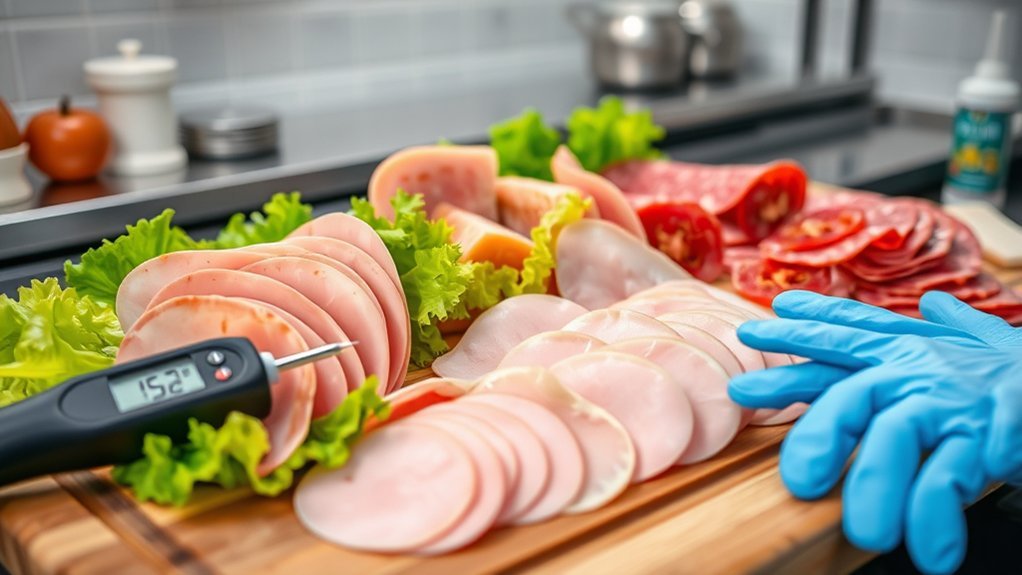
Deli meats can pose significant health risks, particularly due to Listeria monocytogenes. This bacterium thrives in processed meats, especially when proper safety measures aren’t followed. Vulnerable groups, like pregnant women and the elderly, are at greater risk of serious infections. Understanding the causes and risk factors is essential for ensuring safety. What steps can you take to protect yourself and your loved ones from these hidden dangers?
Understanding Listeria and Its Risks in Deli Meats
When it comes to deli meats, understanding the risks associated with Listeria monocytogenes is essential for your health.
Listeria is a bacterium that can cause serious infections, especially in pregnant women, newborns, the elderly, and those with weakened immune systems. Deli meats, particularly those that are ready-to-eat, can become contaminated during processing or handling.
Listeria poses serious risks, particularly for vulnerable groups, making safe handling of deli meats crucial.
Symptoms of listeriosis include fever, muscle aches, and gastrointestinal issues, which can escalate quickly. To minimize your risk, always heat deli meats to steaming before consumption and avoid products with a long shelf life.
Check expiration dates regularly, and practice good hygiene in your kitchen. By being aware and taking these precautions, you can enjoy deli meats while keeping your health in check.
The Role of Nitrates and Nitrites in Processed Meats
Although nitrates and nitrites are often criticized for their potential health risks, they play an essential role in the preservation and flavor enhancement of processed meats, including deli meats. These compounds help inhibit bacterial growth, particularly the growth of Clostridium botulinum, which can cause severe foodborne illness.
Here’s a breakdown of their functions:
| Function | Description |
|---|---|
| Preservation | Inhibits spoilage and bacterial growth |
| Color Development | Enhances the pink hue of meats |
| Flavor Enhancement | Adds a characteristic taste |
| Antioxidant Properties | Reduces rancidity in fat |
| Safety Regulation | Used within FDA-approved limits |
Understanding these roles can help you make informed choices about deli meats and their safety.
Safe Handling and Storage Practices for Deli Meats
Following proper handling and storage practices for deli meats is essential to prevent foodborne illnesses.
Always refrigerate deli meats at or below 40°F (4°C) immediately after purchasing. When preparing sandwiches or snacks, use clean utensils and surfaces to avoid cross-contamination.
Refrigerate deli meats promptly at 40°F (4°C) or lower, and always use clean utensils to prevent cross-contamination.
Keep deli meats in their original packaging or store them in airtight containers to maintain freshness and prevent exposure to bacteria. Consume opened packages within three to five days, and discard any meats with an off smell or slimy texture.
If you’re planning to freeze deli meats, wrap them tightly in plastic wrap or aluminum foil to avoid freezer burn, and use them within one to two months for peak quality.
Prioritizing these practices will enhance your food safety.
Identifying High-Risk Populations
Certain groups of individuals are at a higher risk for foodborne illnesses, particularly when it comes to consuming deli meats.
Understanding these high-risk populations can help you make informed choices.
- Pregnant women: Increased susceptibility to listeriosis, which can harm the fetus.
- Elderly individuals: Weakened immune systems make them more vulnerable to infections.
- Infants and young children: Their developing immune systems are less capable of fighting off pathogens.
- Individuals with chronic illnesses: Conditions like diabetes or cancer can compromise immunity.
- Immunocompromised individuals: Those undergoing treatments that weaken the immune system face heightened risks.
Current Food Safety Regulations and Recommendations
Understanding the risks faced by high-risk populations underscores the importance of adhering to food safety regulations and recommendations regarding deli meats. The USDA and FDA set stringent guidelines to guarantee deli meats are safe for consumption.
You should always check for proper storage temperatures; deli meats must be kept at or below 40°F to inhibit bacterial growth. Additionally, it’s vital to consume deli meats before the sell-by date and to reheat them to an internal temperature of 165°F to eliminate potential pathogens.
Regular handwashing and using clean utensils can further reduce contamination risks. Finally, consider avoiding deli meats during pregnancy or if you have a weakened immune system, as these populations are more susceptible to foodborne illnesses.
Frequently Asked Questions
How Long Can Deli Meats Be Stored in the Refrigerator?
You can store deli meats in the refrigerator for about three to five days after opening. If unopened, they typically last one to two weeks. Always check for signs of spoilage before consuming.
What Are the Symptoms of Deli Meat-Related Foodborne Illnesses?
When deli meats go rogue, you might experience symptoms like nausea, vomiting, diarrhea, fever, and abdominal cramps. These signs signal your body’s battle against harmful bacteria, reminding you to tread carefully with food choices.
Can Pregnant Women Eat Deli Meats if Heated?
Yes, pregnant women can safely eat deli meats if heated to an internal temperature of 165°F. This process kills harmful bacteria, reducing the risk of foodborne illnesses that could affect both mother and baby.
Are Organic Deli Meats Safer Than Conventional Options?
You might think organic deli meats are safer, but they can still harbor pathogens. While they often contain fewer additives, safety largely depends on handling and storage. Always prioritize proper cooking and hygiene, no matter the type.
How Can I Tell if Deli Meat Has Gone Bad?
You can tell if deli meat has gone bad by checking for changes in color, texture, or smell. If it feels slimy or has an off odor, it’s best to discard it immediately.
Conclusion
In the world of deli meats, safety and risk coexist like a double-edged sword. While the convenience of pre-packaged slices tempts you, the lurking threat of Listeria reminds you to be vigilant. By understanding the risks and adhering to safe handling practices, you can enjoy your favorite sandwiches without fear. Balancing enjoyment with caution is key, ensuring that you protect yourself and vulnerable loved ones while savoring the flavors of deli meats in your meals.