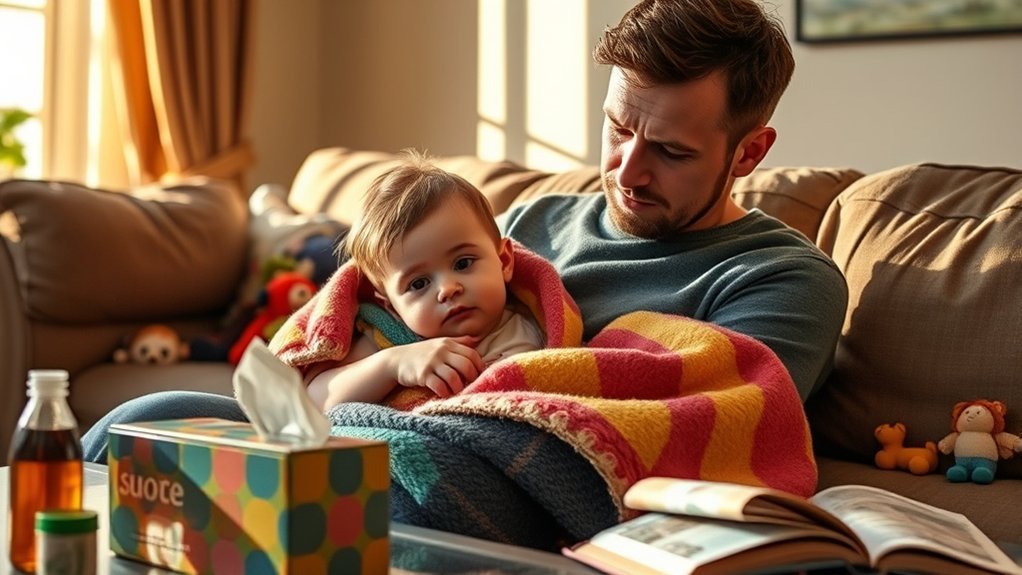
As a parent, you know coughs and colds are all too common in children. These illnesses can be worrying, especially when your little one feels unwell. Understanding the symptoms and knowing how to manage them at home can make a significant difference. But what happens when those symptoms persist or worsen? Knowing when to seek medical help is essential for your child’s recovery. Let’s explore what you need to know to navigate this challenging time.
Understanding Coughs and Colds in Children
When your child catches a cough or cold, it can be worrying, especially if you’re unsure about the symptoms or how to help them.
It’s natural to feel anxious when your child has a cough or cold, especially with uncertain symptoms.
Coughs and colds are usually caused by viruses, and they’re quite common in children. While these illnesses can be bothersome, they’re often mild and resolve on their own.
It’s crucial to understand that a cough may help clear your child’s airways, while a cold can lead to other symptoms like a runny nose or mild fever.
Keeping your child comfortable and hydrated is key. Make sure they rest, and consider using a humidifier to ease their breathing.
Knowing that most coughs and colds are temporary can help ease your worries as a parent.
Common Symptoms to Watch For
As you monitor your child for signs of illness, it’s important to know the common symptoms associated with coughs and colds.
Recognizing these symptoms early can help you provide the right care and comfort.
- Runny or stuffy nose: Mucus may change in color and consistency.
- Cough: This can be dry or productive, often worsens at night.
- Sore throat: Your child might complain about pain or scratchiness.
- Fever: Low-grade fevers are common, but keep an eye on higher temperatures.
Causes of Coughs and Colds
Coughs and colds are primarily caused by viruses, which easily spread from one person to another, especially in crowded places like schools or daycare centers. The common culprits include rhinoviruses, coronaviruses, and respiratory syncytial virus (RSV).
Children’s immune systems are still developing, making them more susceptible to these infections. Factors such as seasonal changes, dry air, and close contact with infected individuals can also increase the likelihood of catching a cold.
If your child experiences a cough or cold, it’s essential to monitor their symptoms and provide comfort. While these illnesses are usually mild, they can still be inconvenient and distressing for both you and your child.
Understanding the causes can help you manage their care effectively.
Effective Home Remedies and Treatments
Once your child catches a cough or cold, you’ll want to find effective ways to ease their discomfort. Here are some home remedies that can help:
- Honey: A spoonful can soothe a sore throat and calm coughs (for children over one year).
- Steam: A warm bath or a shower can help relieve congestion.
- Saltwater Gargle: This simple solution can ease throat irritation.
- Hydration: Encourage plenty of fluids, like water and herbal teas, to keep them hydrated.
These remedies can provide comfort and help your little one feel better.
Always monitor their symptoms and adjust treatments as needed. Taking steps at home can make a significant difference in their recovery.
When to Seek Medical Attention
How can you tell when a cough or cold requires more than just home remedies? If your child has a persistent cough lasting over a week, or if they develop a high fever of 101°F (38.3°C) or more, it’s time to consult a doctor.
Watch for difficulty breathing, wheezing, or chest pain, as these symptoms may indicate a more serious issue. If your child shows signs of dehydration, like dry mouth or decreased urination, seek medical attention.
Additionally, if they seem unusually lethargic or irritable, trust your instincts. While most colds resolve on their own, you know your child best. Don’t hesitate to reach out for professional help when something feels off. Your peace of mind matters.
Frequently Asked Questions
Can Coughs and Colds Be Contagious Among Family Members?
Yes, coughs and colds can be contagious among family members. When someone in your household is sick, it’s important to practice good hygiene, like frequent handwashing and avoiding close contact, to minimize spreading germs.
Are There Any Long-Term Effects of Frequent Colds in Children?
Frequent colds can feel like an unwelcome guest, but they typically don’t lead to long-term effects. Most children bounce back without issues, though persistent symptoms should prompt a chat with your pediatrician for reassurance.
How Can I Prevent My Child From Catching Colds?
To prevent your child from catching colds, encourage regular handwashing, boost their immune system with nutritious foods, guarantee they get enough sleep, and limit exposure to sick individuals, especially during peak cold seasons.
Is It Safe to Give Cough Medicine to Infants?
It isn’t safe to give cough medicine to infants. Instead, focus on soothing remedies like humidifiers, saline drops, or gentle suction. Always consult your pediatrician for guidance on what’s best for your little one.
Do Allergies Cause Coughs or Colds in Children?
Yes, allergies can cause coughs in children. When allergens like pollen or dust irritate the airways, it leads to coughing. It’s important to monitor your child’s symptoms and consult a doctor if needed.
Conclusion
Coughs and colds in children can feel overwhelming, like steering through a stormy sea. By recognizing symptoms, understanding their causes, and using effective home remedies, you can help your child feel better while they recover. Remember, it’s normal for these illnesses to resolve on their own, but if symptoms linger or worsen, don’t hesitate to seek medical advice. Your vigilance guarantees your child’s comfort and health, making the journey smoother for both of you.