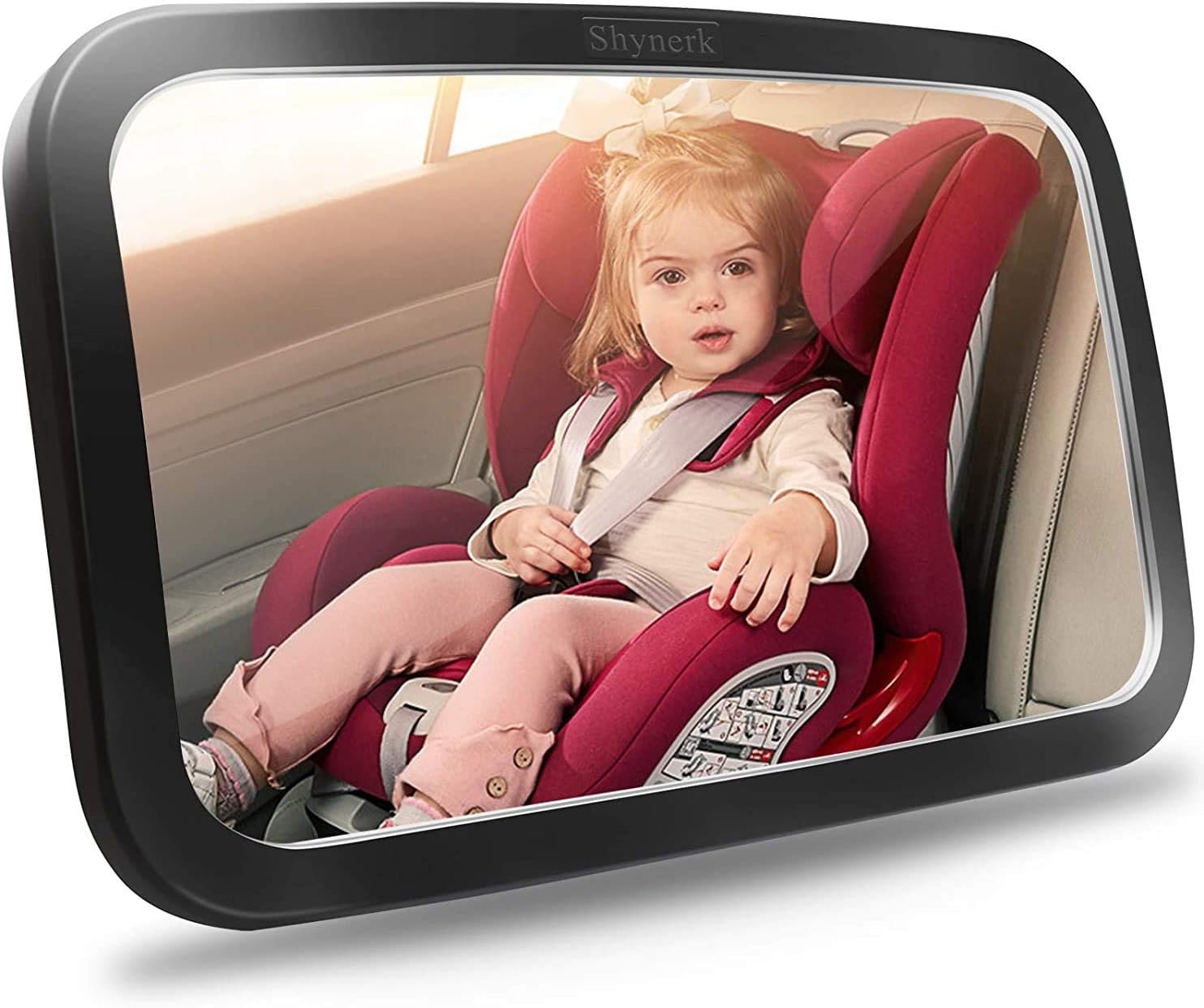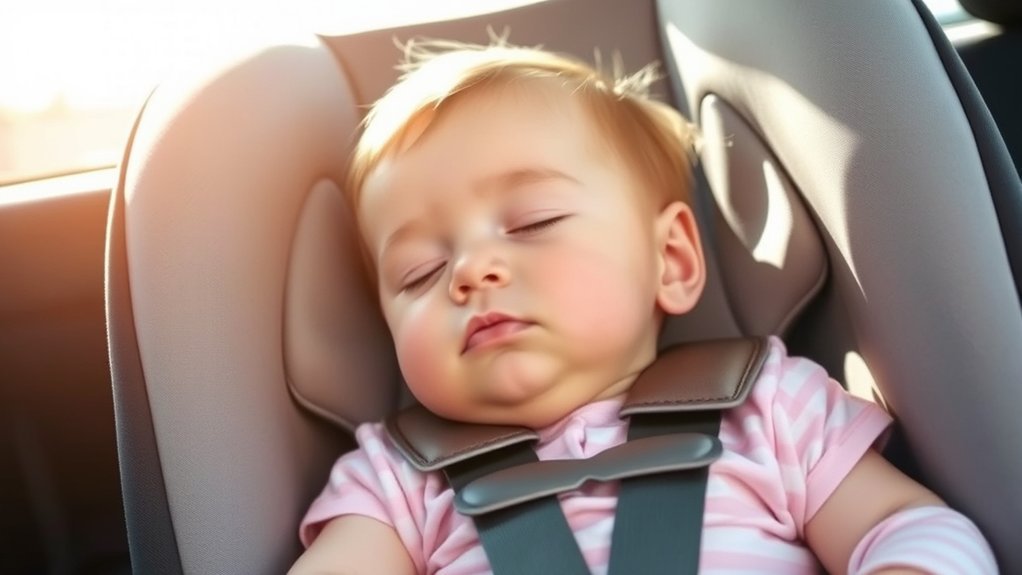
When your baby or toddler falls asleep in a car seat, the first thing to check is their position, not how peaceful the nap looks. A properly installed car seat is the safest place for a child while riding in a vehicle, but it is not meant to replace a crib, bassinet, portable crib, or play yard after the ride ends. Watch for head slump, awkward neck bending, noisy breathing, color changes, and loose harness fit so you can respond quickly and safely.
Quick Answer
Car seat sleep becomes unsafe when a child’s chin drops to the chest, the neck twists, breathing sounds strained, skin looks pale or bluish, or the harness is loose. During travel, keep your child correctly buckled. After arrival, move a sleeping baby to a firm, flat sleep surface.
Key Takeaways
- A car seat is for vehicle travel, not routine sleeping, feeding, or lounging outside the car.
- Unsafe sleep signs include chin-to-chest posture, twisted neck, slumping, noisy breathing, color changes, and poor responsiveness.
- Use the car seat’s recline indicator, tighten the harness until you cannot pinch slack, and place the chest clip at armpit level.
- Never add unapproved pillows, inserts, padding, or head supports to fix slumping.
- At a stop or destination, move a sleeping baby to a firm, flat, non-inclined sleep surface as soon as possible.
At a Glance
| Time Required | 1–2 minutes before each drive, plus checks during safe stops |
| Difficulty | Easy, but it needs to be repeated every trip |
| Tools Needed | Car seat manual, vehicle manual, recline indicator, and optional CPST inspection |
| Cost | Free for daily checks; many technician inspections are free or low cost |
Understanding Car Seat Sleep Safety
Car seats are designed to protect children during vehicle travel. They hold the child at a specific angle and keep the body restrained during sudden stops or crashes. That same semi-reclined position can become risky if a sleeping baby’s head tips forward and narrows the airway.
The American Academy of Pediatrics car seat guidance says rear-facing-only and convertible car seats should be used only for a child’s travel, not for sleeping, feeding, or other use outside the vehicle. The U.S. Consumer Product Safety Commission also warns that products with an incline greater than 10 degrees should not be used for infant sleep.
This does not mean you must keep your child awake in the car. It means you should use the seat correctly, monitor your child’s position, and move a sleeping baby to a safe sleep surface as soon as you safely can after travel.
Warning: If your child has labored breathing, repeated gasping, choking sounds, bluish skin, unusual limpness, or is hard to wake, pull over as soon as it is safe and seek emergency help.
Importance of Proper Car Seat Positioning
Proper positioning helps protect your child in a crash and helps reduce unsafe sleep posture during travel. The most important checks are the seat angle, harness height, harness tightness, chest clip position, and installation tightness.
Always follow your car seat manual and vehicle owner’s manual. Different seats have different recline ranges, belt paths, anchor limits, inserts, and adjustment rules.
Correct Recline Angle
The correct recline angle helps keep a young child’s head from flopping forward while still allowing the seat to work as designed. Rear-facing seats usually include a built-in recline indicator, bubble level, or angle line. Use that indicator instead of guessing by sight.
If your baby’s chin rests on their chest, their head rolls forward repeatedly, or their neck looks folded, stop when safe and check the recline, harness, and seating position. Do not add pillows, loose blankets, or aftermarket head supports unless the car seat manufacturer specifically allows that exact item for that exact seat.
Pro Tip: If the seat indicator looks correct but your baby still slumps, check the manual for approved recline adjustments and ask a certified Child Passenger Safety Technician to inspect the installation.
Harness Adjustment Guidelines
A snug harness keeps your child’s body in the correct position. A loose harness allows slouching, sliding, and unsafe head movement.
| Check | What to Do | Why It Matters |
|---|---|---|
| Harness height | For rear-facing seats, place straps at or below the shoulders unless your manual says otherwise. | Helps keep the child from sliding upward or slumping. |
| Harness tightness | Tighten until you cannot pinch slack at the shoulder strap. | A snug harness supports the body and improves crash protection. |
| Chest clip | Place the chest clip at armpit level, centered on the chest. | Keeps straps correctly positioned over the shoulders. |
| Seat movement | Check movement at the belt path. More than 1 inch side-to-side or front-to-back is too loose. | A tight installation helps the seat perform correctly. |
These checks help your child stay supported and protected while they sleep during a drive.
Recognizing Signs of Unsafe Sleep Positions
When your child sleeps in a car seat, watch the head, neck, chin, chest, and shoulders. A small position change can make breathing harder, especially for young babies who have limited head and neck control.
Head and Neck Position
Your child’s head should stay supported, with the chin off the chest and the neck not twisted. A sleepy child may relax to one side, but the airway should still look open and the harness should still hold the body upright.
| Unsafe Sign | What It May Mean | What to Do |
|---|---|---|
| Chin pressed to chest | Possible airway restriction | Stop safely, reposition, and check the recline. |
| Head hanging forward | Seat angle may be too upright or the child may be slouching. | Check the recline indicator and harness fit. |
| Neck twisted sharply | Poor head or body support | Reposition the child at a safe stop and remove unapproved padding. |
| Body slumped to one side | Harness may be loose or seat fit may be poor. | Tighten the harness and check manual-approved support options. |
Airway Obstruction Indicators
Airway warning signs need fast attention. Pull over safely if you see or hear any of these signs:
- Labored breathing: Breathing looks strained, shallow, or unusually fast.
- Noisy breathing: Gasping, wheezing, choking, repeated coughing, or unusual snorting sounds occur.
- Color changes: Lips, face, or skin look pale, gray, or bluish.
- Low responsiveness: Your child is unusually limp, difficult to wake, or not reacting normally.
If the issue does not improve right away after you safely stop and reposition your child, seek emergency medical help.
Body Alignment Concerns
Poor body alignment can make head slump worse. Check that your child’s back and bottom are fully against the car seat, the harness is snug, and the straps are not twisted. Avoid bulky coats because thick padding can compress in a crash and leave the harness too loose.
If your child keeps sliding down, do not place loose padding under or behind them. Some manufacturers allow tightly rolled receiving blankets beside the child or a small cloth near the crotch buckle, but only when the car seat manual allows it.
Note: Aftermarket head pillows, strap covers, inserts, and body supports can change how a car seat performs. Use only items that came with the seat or are approved by the car seat manufacturer for that exact model.
Symptoms of Distress While Sleeping in Car Seats
Some babies and toddlers make small noises or shift during sleep. Distress looks different. Respond quickly if your child seems to be struggling, uncomfortable, or difficult to wake.
- Changes in breathing: Rapid, shallow, noisy, or labored breathing may mean the airway is not clear.
- Facial changes: Grimacing, repeated coughing, or a worried expression during sleep can signal discomfort.
- Restlessness: Repeated squirming, sliding, or arching may mean the harness or seat angle needs attention.
- Crying or whimpering: Persistent distress sounds may mean your child needs a break, diaper change, feeding, or safer sleep surface after arrival.
- Color or tone changes: Pale, gray, bluish, or limp appearance needs urgent attention.
Being attentive to these signs helps you address problems early while keeping your child properly restrained during travel.
A calm-looking car seat nap is not always a safe nap. Head position, breathing, color, and harness fit matter more than whether the child appears peacefully asleep.
The Risks of Prolonged Sleep in Car Seats
Prolonged sleep in a car seat can increase the chance of head slump, airway restriction, overheating, and body discomfort. The risk is higher for young babies, premature infants, babies with low muscle tone, and children with breathing or medical concerns.
During a necessary car trip, your child should stay properly buckled in the right car seat. Once you arrive, do not leave a sleeping baby in the car seat as a convenient nap spot. Move them to a firm, flat, non-inclined sleep surface such as a crib, bassinet, portable crib, or play yard that meets current safety standards.
Also avoid letting a child sleep in a car seat placed on a bed, couch, counter, shopping cart, or other raised surface. A car seat can tip or fall when used outside the vehicle or stroller system in a way the manufacturer did not intend.
Safe Alternatives After Travel, Not While Driving
The safest option depends on where you are. In a moving vehicle, your child belongs in the correct car seat, properly installed and buckled. At a rest stop, hotel, relative’s home, or your destination, choose a real sleep surface instead of continuing the nap in the car seat.
- Crib: Use a firm, flat mattress with a fitted sheet only.
- Bassinet: Choose one that meets current safety standards and follow its weight and milestone limits.
- Portable crib or play yard: Use the original firm mattress or pad that came with it, with the correct fitted sheet.
- Travel bassinet: Use only if it meets applicable infant sleep safety standards and is placed according to the manual.
A car bed is not a routine travel-nap product. It may be used for some babies who need to lie flat during vehicle travel, but only when it meets Federal Motor Vehicle Safety Standard 213 and is recommended after medical screening or professional guidance.
Tips for Ensuring Safe Sleep Practices
Safe travel sleep starts before you start the engine. Use this checklist before each ride:
- Choose a car seat that fits your child’s age, height, weight, and developmental needs.
- Install the car seat with either the seat belt or lower anchors as allowed by the manual, not both unless both manuals clearly allow it.
- For forward-facing seats, use the top tether when allowed by the vehicle and car seat manufacturers.
- Check that the seat moves less than 1 inch at the belt path.
- Use the correct recline angle for rear-facing seats.
- Tighten the harness until you cannot pinch slack at the shoulder.
- Place the chest clip at armpit level.
- Remove bulky coats before buckling; place a blanket over the buckled harness if warmth is needed.
- Plan breaks on long trips so your child can be checked, fed, changed, and repositioned safely.
- Move a sleeping baby to a firm, flat sleep surface on arrival.
When to Take Action: Monitoring Your Child
You do not need to panic every time your child naps in the car, but you should know when to act. Pull over first, then adjust your child. Never unbuckle or reposition a child while the vehicle is moving.
| What You Notice | Action to Take |
|---|---|
| Head slumped forward or chin on chest | Pull over safely, reposition your child, and check the recline angle and harness. |
| Loose harness or child sliding down | Tighten the harness, reset the chest clip, and remove bulky clothing if needed. |
| Noisy, strained, or unusual breathing | Stop safely, check the airway, reposition, and seek medical help if it continues. |
| Pale, gray, or bluish skin | Treat as urgent. Stop safely and seek emergency help. |
| Hard to wake or unusually limp | Treat as urgent. Stop safely and seek emergency help. |
Resources for Car Seat Safety Education
Reliable car seat education matters because small setup errors can affect safety. Start with the National Highway Traffic Safety Administration car seat guide to choose the right seat, learn installation basics, and find inspection help.
You can also use HealthyChildren.org’s car seat guidance from the American Academy of Pediatrics for age, size, harness, and recline recommendations. For safe sleep guidance, review the AAP safe sleep policy explanation and the CPSC Safe Sleep page.
For hands-on help, use Safe Kids Worldwide’s car seat inspection locator to find a certified Child Passenger Safety Technician. You can also register your car seat with the manufacturer so you receive recall notices.
Frequently Asked Questions
Can infants sleep in car seats for extended periods?
No. A car seat is for travel, not extended or routine sleep outside the vehicle. If your baby falls asleep during a drive, keep them properly buckled while traveling. When you arrive or can stop safely, move them to a firm, flat sleep surface on their back.
How do I choose the right car seat for my child?
Choose a car seat based on your child’s age, height, weight, and developmental needs. The seat must also fit your vehicle and be easy for you to install correctly every time. Check the car seat manual, vehicle manual, and manufacturer height and weight limits before use.
What are the age recommendations for different car seat types?
Use rear-facing seats as long as possible until your child reaches the seat’s height or weight limit. After that, use a forward-facing seat with a harness and tether until the child reaches that seat’s limit. Then use a booster seat until the vehicle seat belt fits correctly.
Can I use a car seat for sleep outside of the car?
Do not use a car seat as a routine sleep space outside the vehicle. If your child falls asleep in the car seat and the trip is over, move them to a crib, bassinet, portable crib, or play yard with a firm, flat surface.
How do I know if my car seat is installed correctly?
Check that the car seat does not move more than 1 inch at the belt path, the recline indicator is in the correct range, the harness is snug, and the chest clip sits at armpit level. For the safest setup, read both manuals and consider a certified car seat inspection.
Should I wake my child if their head falls forward in the car seat?
Do not try to fix the position while driving. Pull over safely first. Then check breathing, reposition your child, tighten the harness if needed, and confirm the recline angle. If breathing, color, or responsiveness seems abnormal, seek urgent help.
Conclusion
A car seat can protect your child during travel, but it should not become a sleep space after the ride. The safest approach is simple: install the seat correctly, use the right recline, keep the harness snug, watch for head slump or breathing changes, and move your child to a firm, flat sleep surface as soon as you safely can after travel. Your calm, consistent checks help make car naps safer.
Sources
- American Academy of Pediatrics / HealthyChildren.org — Car Seats: Information for Families — supports rear-facing guidance, harness fit, recline angle, car bed limits, and car seat use outside the vehicle.
- American Academy of Pediatrics / HealthyChildren.org — How to Keep Your Sleeping Baby Safe — supports firm, flat sleep surface guidance and moving a sleeping baby from a car seat to a safe sleep surface.
- National Highway Traffic Safety Administration — Car Seats and Booster Seats — supports car seat selection, installation, stages, and inspection resources.
- U.S. Consumer Product Safety Commission — Safe Sleep — supports safe infant sleep product guidance and warnings about inclined products.
- Safe Kids Worldwide — Get a Car Seat Checked — supports finding certified Child Passenger Safety Technician help.