
You might feel unsure when your belly tightens before labor, especially near your due date. Braxton Hicks contractions can feel alarming, but they often act as practice contractions, not a clear sign that labor has started. This guide explains common myths, clear facts, comfort tips, and warning signs so you can respond with more confidence.
What’s in This Article
- Understanding Braxton Hicks Contractions
- Common Myths About Braxton Hicks
- The Purpose of Braxton Hicks Contractions
- How to Differentiate Between Braxton Hicks and Real Labor
- When to Seek Medical Advice
- Tips for Managing Braxton Hicks Discomfort
- Embracing the Final Weeks of Pregnancy
- Frequently Asked Questions
- Conclusion
Quick Answer
Braxton Hicks contractions are practice contractions that can happen during pregnancy. They usually feel irregular, mild, and short, and they often ease when you rest, change position, or drink fluids. True labor contractions usually grow stronger, last longer, and follow a more regular pattern.
Key Takeaways
- Braxton Hicks contractions can help your uterus prepare for labor.
- Practice contractions usually stay irregular and may ease with rest or hydration.
- True labor contractions often become stronger, closer together, and harder to ignore.
- You should call your healthcare provider if contractions become painful, frequent, or come with bleeding or fluid leakage.
- Hydration, position changes, rest, and calm breathing may help ease mild discomfort.
Understanding Braxton Hicks Contractions

You may hear about Braxton Hicks contractions during pregnancy, but their purpose can feel confusing at first.
These contractions often happen during the second and third trimesters. Many people call them “practice” contractions because they may help your uterus prepare for labor.
Unlike true labor contractions, Braxton Hicks contractions usually feel irregular and less intense. They may ease when you change position, rest, or drink fluids.
They can happen after physical activity, dehydration, a full bladder, or long periods on your feet. Feeling them can be normal, but you should still watch their timing, strength, and pattern.
Common Myths About Braxton Hicks

You might think Braxton Hicks contractions mean labor has started, but that belief can cause needless stress.
Some people also believe these contractions always hurt or only matter in the final days before birth.
These myths can make normal pregnancy changes feel more frightening than they need to be.
They Indicate Labor Start
Many expectant parents believe Braxton Hicks contractions mean labor will start soon. These contractions can prepare your body for the actual labor process, but they don’t always mean labor has begun.
Braxton Hicks contractions can occur in the second or third trimester and may vary in frequency and strength. Unlike true labor contractions, they often stay irregular and may fade with movement, rest, or fluids.
Learning this difference can help you avoid needless anxiety. If you feel unsure, call your healthcare provider for advice based on your symptoms and pregnancy history.
Only Pregnant Women Experience
Braxton Hicks contractions refer to uterine contractions during pregnancy. So, the term applies to pregnancy, even though other body muscles can tighten for many reasons.
For example, stress, dehydration, or overuse can trigger muscle cramps or tightening in other parts of the body. Those contractions do not serve the same purpose as Braxton Hicks contractions.
Braxton Hicks contractions may help prepare the uterus for labor. If you feel unusual pelvic pain, cramps, or repeated tightening, contact a healthcare professional.
They Always Cause Painful Discomfort
A common myth says Braxton Hicks contractions always cause pain. In real life, many people feel only mild belly tightening or pressure.
Some contractions may feel uncomfortable, especially late in pregnancy. Clear differences between Braxton Hicks contractions and true labor contractions can help you respond calmly.
| Characteristic | Braxton Hicks | Labor Contractions |
|---|---|---|
| Pain Level | Often mild to moderate | Often stronger over time |
| Timing | Irregular pattern | Regular pattern that gets closer |
| Change With Rest | May ease with rest, fluids, or position change | Usually continues despite rest |
| Purpose | Practice contractions | May signal labor progress |
Use this table as a guide, not a diagnosis. Your provider can help you decide what your symptoms mean.
The Purpose of Braxton Hicks Contractions
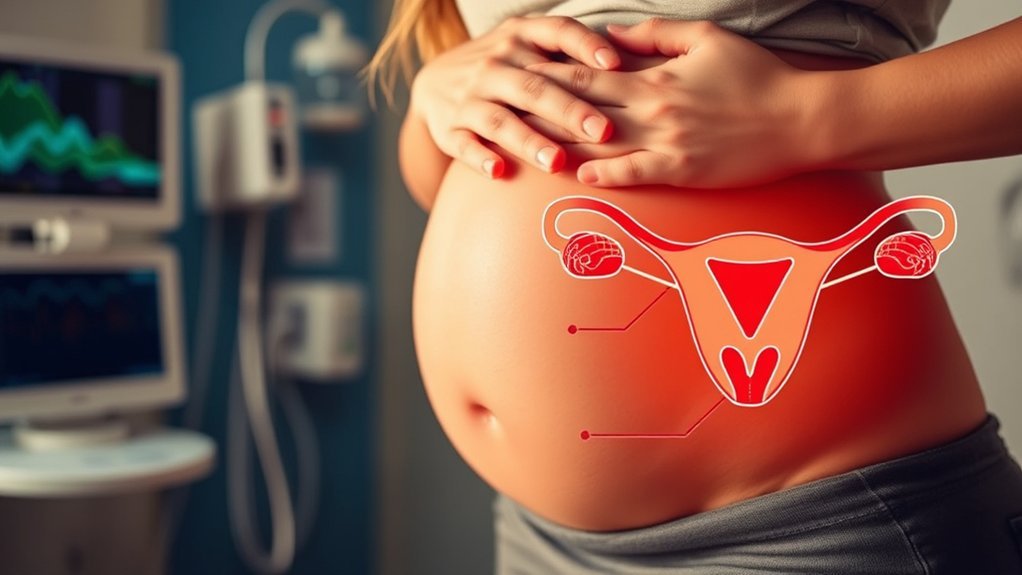
Braxton Hicks contractions can feel uncomfortable, but they may serve a useful role in pregnancy. These practice contractions help your uterus tighten and relax before labor begins.
They may help your body in several ways:
- Support normal uterine muscle activity before birth.
- Help your body adjust to the physical demands of late pregnancy.
- Give you a chance to practice calm breathing and relaxation.
- Remind you to rest, hydrate, and pay attention to your body.
- Help you learn what normal tightening feels like for you.
Understanding their role can lower stress and help you feel more prepared. You can use each mild episode as a cue to slow down and check in with your body.
How to Differentiate Between Braxton Hicks and Real Labor
You can often tell the difference by watching the pattern, pain level, and response to rest.
Braxton Hicks contractions usually stay irregular. They often stop or ease when you change activity, drink fluids, empty your bladder, or lie down.
Real labor contractions tend to become progressively stronger, more regular, and closer together over time. They may also come with lower back pain, pelvic pressure, or changes in vaginal discharge.
Timing your contractions can help. If they follow a consistent pattern and keep growing stronger, contact your provider or follow your birth team’s labor instructions.
Note: If you have any doubt, your provider would rather hear from you early than have you wait with symptoms that worry you.
When to Seek Medical Advice
You should seek medical advice when contractions feel frequent, painful, or different from your usual pattern.
Call your healthcare provider right away if you notice any of these signs:
- You have contractions more than four to six times in one hour.
- The contractions become stronger, painful, or hard to talk through.
- You notice vaginal bleeding, watery fluid leakage, or unusual discharge.
- You feel less fetal movement than usual.
- You have a history of preterm labor or pregnancy complications.
Trust your instincts if something feels wrong.
If you sense something isn’t right, trust your instincts and contact your healthcare provider.
Early guidance can protect both you and your baby. Your care team can tell you whether to monitor symptoms at home or come in for evaluation.
Warning: Call your provider right away if contractions come with bleeding, fluid leakage, severe pain, fever, or reduced baby movement.
Tips for Managing Braxton Hicks Discomfort
You can often manage mild Braxton Hicks discomfort with simple steps at home.
Start by changing position, drinking fluids, and slowing your breathing. Rest may also help if activity triggered the tightening.
These steps should not replace medical advice. Call your provider if discomfort feels strong, frequent, or unusual for you.
Breathing Techniques
Breathing techniques can ease the discomfort linked with Braxton Hicks contractions. Calm breathing can relax your body and help you feel more in control.
Try these simple techniques:
- Deep breathing: Inhale slowly through your nose, expand your belly, then exhale through your mouth.
- Pursed lip breathing: Inhale deeply, then exhale slowly through pursed lips.
- Visualization: Picture each contraction as a wave that rises and falls.
- Counting: Count to four while you inhale and to six while you exhale.
- Mindfulness: Notice the tightening without fear, then let the feeling pass.
Practice these methods before contractions start. Familiar breathing patterns can feel easier to use during discomfort.
Hydration Importance
Staying hydrated can help you manage Braxton Hicks contractions. Dehydration may trigger or intensify uterine tightening, especially after activity or heat exposure.
Drink fluids throughout the day and pay attention to thirst, urine color, and sweat loss. If contractions increase, sip water and rest while you monitor your symptoms.
You may also limit excess caffeine and sugary drinks if they replace water. Good hydration supports your body during pregnancy and may help reduce mild contraction discomfort.
Pro tip: Keep a water bottle nearby and note whether contractions ease after fluids and rest.
Embracing the Final Weeks of Pregnancy
As you reach the final weeks of pregnancy, you may feel excited, tired, nervous, and ready all at once. This stage can feel intense, so give yourself space to slow down.
These simple habits can support your comfort and confidence:
- Practice relaxation techniques to manage stress and body tension.
- Choose light movement if your provider says activity is safe for you.
- Connect with your baby through gentle touch, quiet time, or soft music.
- Prepare your home and birth bag in small, manageable steps.
- Ask family, friends, or your care team for support when you need it.
Small routines can help you feel calmer as your due date gets closer. They can also help you notice changes in your body with less fear.
Frequently Asked Questions
Can Braxton Hicks Contractions Occur in the First Trimester?
Braxton Hicks contractions can happen early, but most people notice them more often later in pregnancy. If you feel cramps, pain, or repeated tightening in the first trimester, call your healthcare provider for guidance.
Do Braxton Hicks Contractions Hurt More During Subsequent Pregnancies?
Braxton Hicks contractions may feel stronger in later pregnancies because you know the sensation better. Your uterus and abdominal muscles may also respond differently after a previous pregnancy.
Can Dehydration Affect the Frequency of Braxton Hicks Contractions?
Yes, dehydration may increase the frequency of Braxton Hicks contractions. Drinking fluids, resting, and changing position may help if the tightening stays mild and irregular.
Are There Any Positions That Help Relieve Braxton Hicks Discomfort?
You can try lying on your side, sitting with support, or leaning forward while seated. Some people also find gentle movement or a birthing ball helpful for mild discomfort.
Is It Normal for Braxton Hicks Contractions to Increase With Activity?
Yes, activity can make Braxton Hicks contractions more noticeable. Rest, hydration, and a position change may help, but call your provider if contractions become regular or painful.
Medical Disclaimer: This article is for informational purposes only and does not constitute professional medical advice. Always consult a qualified doctor, midwife, or healthcare provider before making decisions based on this information.
Conclusion
Understanding Braxton Hicks contractions can help you feel calmer during late pregnancy. These practice contractions often stay irregular and may ease with rest, fluids, or position changes.
Your next step is simple: track the pattern, notice warning signs, and call your provider when something feels off. With clear information and steady support, you can move toward birth with more confidence.