Disclosure: As an Amazon Associate, we earn from qualifying purchases. If you click a link on this page and make a purchase, we may receive a small commission at no extra cost to you.
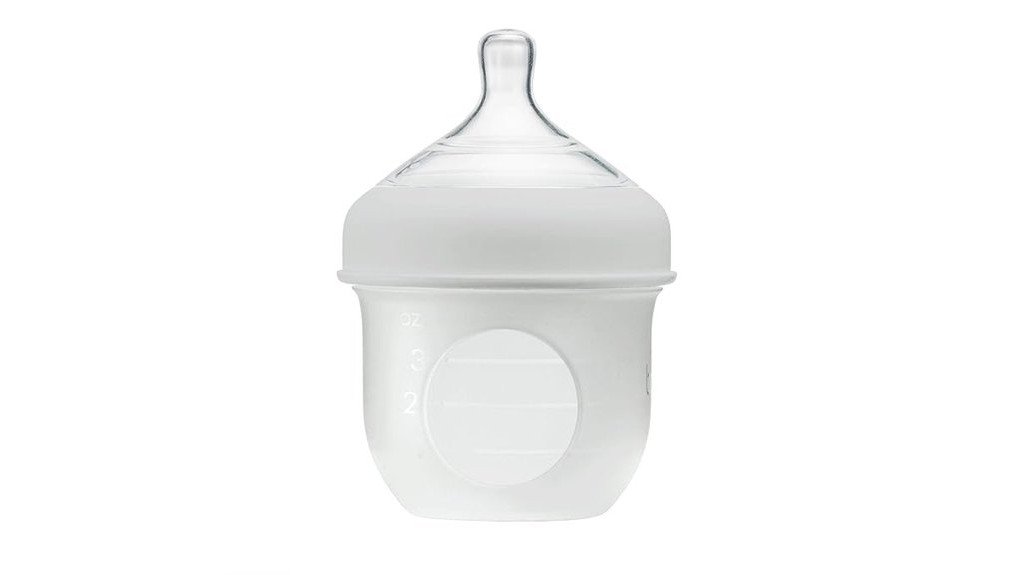
Choosing a newborn bottle can feel harder when your baby is gassy, slow to latch, or switching between breast and bottle. The Boon Nursh 4 oz baby bottle is built around a reusable silicone pouch that collapses as your baby drinks, which helps limit swallowed air without adding a complex vent system. Its main strengths are the small newborn-friendly size, slow-flow nipple, and simple cleaning routine. The tradeoff is that fit, assembly, and flow-rate compatibility matter, especially if you later move to larger Nursh bottles.
Quick Verdict
Rating: 8.2/10, Recommended with caveats
Best For: Newborn feeding, gas-prone babies, and parents who want a bottle with fewer parts than many vented anti-colic designs.
Bottom Line: The Boon Nursh is a smart 4 oz choice if you want controlled flow, a silicone milk-contact pouch, and easy cleanup. Skip it if you need direct pump compatibility, clear measurement markings, or a bottle that works perfectly without careful assembly.
| Specification | Detail |
|---|---|
| Brand | Boon |
| Product type | Reusable silicone pouch baby bottle |
| Reviewed size | 4 oz newborn-size bottle |
| Design | Collapsible silicone pouch inside a protective outer shell |
| Nipple | Stage 1 slow-flow nipple for early feeding |
| Milk-contact layer | Silicone pouch, designed so milk does not sit directly against the plastic shell |
| Main purpose | Controlled newborn feeding with reduced swallowed air |
| Cleaning | Few parts, dishwasher-safe design, and practical hand-washing access |
| Compatibility note | Nursh systems may support other nipples and lids, but flow-rate fit can vary by bottle size |
| Best use | Newborn feeds, small milk portions, travel, and simple daily bottle routines |
What Is the Boon Nursh 4 oz Baby Bottle?
The Boon Nursh is a reusable baby bottle system with a soft silicone pouch that sits inside a harder outer shell. Instead of using a straw-style vent or several small anti-colic parts, the pouch collapses as milk leaves the bottle. That design helps reduce extra air inside the feeding chamber.
The 4 oz version makes the most sense for newborns because early feeds are usually smaller and more frequent. The included slow-flow nipple gives your baby a more controlled pace, which can help when fast milk flow leads to coughing, gulping, or extra spit-up.
This bottle is best viewed as a simple, low-air feeding option, not a guaranteed fix for gas, reflux, or colic. Every baby feeds differently, so you may still need to test nipple flow, feeding position, and bottle angle to find what works for your child.
Who Should Buy It?
Best For
- Parents who want a 4 oz bottle sized for newborn feeds.
- Babies who seem uncomfortable when they swallow too much air during bottle feeds.
- Caregivers who prefer a bottle with fewer parts than many vented anti-colic bottles.
Skip If
- You need a bottle that connects directly to most breast pumps without transferring milk.
- You want very easy-to-read measurement markings at a quick glance.
- You do not want to check that the pouch, collar, nipple, and shell are seated correctly before each feed.
Before You Buy: The Stage 1 slow-flow setup is best matched to the 4 oz bottle. If you plan to buy larger Nursh bottles later, check nipple and lid compatibility before assuming every part will fit every size.
Boon Nursh Bottle Features and Design
The key feature is the collapsible silicone pouch. As your baby drinks, the pouch shrinks around the milk instead of leaving a larger air space behind. For you, that means fewer small vent pieces to track, clean, and reassemble.
The outer shell gives the bottle shape and grip, while the silicone pouch keeps milk away from direct plastic-shell contact. This is a helpful design choice if you prefer silicone as the main milk-contact surface but do not want a fully soft bottle that can be harder to hold or fill.
The bottle also has a compact profile that fits well into diaper bags, bottle pockets, and small drying-rack spaces. The simple gray look is plain and practical, which may appeal to you if you prefer baby gear without bright patterns or extra parts.
How the Boon Nursh Feeds Newborns
The stage 1 slow-flow nipple is the right kind of starting point for many newborns because it limits how quickly milk moves. A slower flow can help your baby pause, breathe, and feed with less strain. It may also help if your baby tends to gulp from faster-flow bottles.
The pouch-based air-reduction design is useful during short newborn feeds, where a baby may stop and restart often. Less trapped air in the bottle can mean fewer bubbles moving through the milk, although feeding comfort still depends on latch, pace, burping, and your baby’s individual needs.
Because the pouch collapses, you should not expect the bottle to behave exactly like a firm plastic or glass bottle. Fill it carefully, seat the pouch properly, and check that the nipple and collar are secure before you hand it to another caregiver.
Cleaning and Maintenance
Cleaning the Boon Nursh is one of its stronger points. The bottle separates into the shell, pouch, nipple, collar, and cap, so there are no long vent tubes or tiny internal valves to scrub. That makes it easier to build into a daily wash-and-dry routine.
You can rinse the pouch right after feeding to keep milk residue from drying inside it. Then wash each piece according to the product instructions. The dishwasher-safe design helps when you are cleaning several bottles at once, while hand washing gives you better control when checking the pouch edges and nipple opening.
Pro Tip: After washing, let the silicone pouch dry fully before reassembling the bottle. This helps prevent trapped moisture around the pouch rim and makes it easier to confirm that every part is seated correctly before the next feed.
Baby Safety Notes and Materials
The Boon Nursh is a baby feeding product, so safe use matters more than convenience. Always assemble the pouch, nipple, collar, and shell exactly as directed. If the nipple looks worn, sticky, torn, enlarged, or discolored, replace it before using the bottle again.
The silicone pouch is the main milk-contact layer, which is a strong point for parents who want to limit milk contact with plastic. Still, you should not overheat milk, microwave the bottle unless the manufacturer allows it, or use damaged parts. Follow your pediatrician’s guidance if your baby has reflux symptoms, feeding trouble, poor weight gain, or repeated choking or coughing during feeds.
There is also a current recall-related buying note for the broader Nursh line. The 2026 CPSC recall involved Boon NURSH 8 oz pink tie-dye 3-pack bottles sold at Walmart, not this 4 oz newborn-size review focus. If you buy any Nursh bottle in another size, color, or bundle, check the package and seller details against current recall notices before use.
How It Performs in Real Use
For Newborn Feeding
The 4 oz capacity is practical for early feeding because you are not carrying a large bottle for small milk portions. The slow-flow nipple also gives you more control when your baby is still learning to bottle-feed.
For Gas-Prone Babies
The collapsible pouch may help reduce swallowed air compared with bottles that leave more air space behind the milk. It should be seen as one tool in your feeding routine, not a medical solution for gas or reflux.
For Travel and Diaper Bags
The simple part count helps when you are packing for daycare, grandparents’ homes, or short trips. You still need a clean way to store used parts after feeding because milk residue can dry inside the pouch if you cannot rinse it right away.
For Long-Term Use
The Nursh system can be useful beyond the newborn stage if your baby accepts the nipple shape and you choose compatible flow rates or accessories. Long-term value depends on how well the pouch and nipple hold up through repeated washing, sterilizing, and assembly.
Setup Tips Before First Use
Wash and inspect every part before the first feed. Make sure the silicone pouch sits smoothly inside the shell, then attach the collar and nipple without cross-threading. A small assembly mistake can lead to leaking, uneven flow, or frustration during a feed.
When feeding, hold your baby in a supported position and keep the bottle angled so milk fills the nipple. Do not force a faster pace just because milk is still in the pouch. If your baby turns away, coughs, or seems overwhelmed, pause and check the nipple flow.
If you use both breast milk and formula, label bottles clearly and follow safe storage rules for each. The Boon Nursh is not designed to connect directly to most standard breast milk storage bags, so plan for transfer time if you pump and store milk separately.
Pros and Cons
Pros
- 4 oz size is practical for newborn portions and smaller early feeds.
- Collapsible silicone pouch helps reduce air inside the bottle during feeding.
- Milk contacts the silicone pouch rather than sitting directly against the plastic shell.
- Fewer parts make it easier to clean than many multi-piece vented bottles.
- Slow-flow nipple supports a more controlled feeding pace for young babies.
Cons
- May leak if the pouch, collar, or nipple is not seated correctly.
- Does not work as a direct breast pump bottle for most pump setups.
- Measurement markings may be harder to read than on some clear bottles.
Is It Worth the Price?
The Boon Nursh is worth considering if you want a mid-range baby bottle that focuses on air reduction, silicone milk contact, and easier cleaning. You get the most value from it if your baby accepts the nipple and you plan to use the bottle often enough to benefit from the reusable pouch design.
It is a smart buy for everyday newborn feeding if you dislike complicated vent systems. It is not the best fit if you need a pump-compatible bottle, a glass bottle, or a design with very clear measurement markings.
How It Compares to Alternatives
Compared with Dr. Brown’s Options+ bottles, the Boon Nursh has fewer internal vent parts but gives you less of a traditional anti-colic vent system. Compared with Comotomo, Nursh separates the soft silicone milk-contact pouch from the structured outer shell, which may feel easier to hold.
MAM Easy Start may be better if you want a self-sterilizing bottle design. The Boon Nursh makes the most sense if you want a reusable pouch system, a small 4 oz newborn bottle, and a simpler wash routine than many multi-part vented bottles.
Frequently Asked Questions
Is the Boon Nursh 4 oz bottle good for newborns?
Yes, the 4 oz size and slow-flow nipple make it a practical option for many newborn feeds. It is especially useful when you want smaller portions, controlled flow, and a bottle that limits extra air inside the feeding chamber.
Does the Boon Nursh help with gas or spit-up?
The collapsible pouch can help reduce swallowed air during feeding, which may support comfort for some babies. It does not treat reflux, colic, or medical feeding issues, so talk with your pediatrician if symptoms are frequent or severe.
Can you use the Boon Nursh for formula feeding?
Yes, you can use it for formula when you prepare and store the formula according to the formula label and safe feeding guidance. Mix formula separately if needed, then make sure the pouch and nipple are assembled securely before feeding.
Does it attach directly to breast pumps or storage bags?
In most cases, no. The Nursh uses its own silicone pouch system rather than a universal pump-thread bottle, so you should expect to transfer pumped milk into the pouch before feeding.
Are replacement nipples available in different flow rates?
Nursh systems have multiple nipple flow options, but you should check the exact size and compatibility before buying replacements. This matters because some flow-rate parts may be tied to specific bottle sizes.
Is the silicone pouch safe for boiling or sterilizing?
The silicone pouch is designed for baby feeding use, but you should follow Boon’s current care instructions for boiling, sterilizing, dishwasher placement, and freezing. Stop using any pouch that becomes cracked, sticky, torn, or misshapen.
Who should skip the Boon Nursh bottle?
Skip it if you want direct pump attachment, glass construction, or the clearest possible measurement markings. You may also prefer another bottle if your baby needs a very specific nipple shape recommended by a feeding specialist.
The Bottom Line
The Boon Nursh 4 oz baby bottle is a good fit if you want a newborn-friendly bottle with a slow-flow nipple, a reusable silicone pouch, and a simple cleaning routine. Its main strength is low-air feeding without many small vent parts, while its main limitation is that assembly and compatibility need attention.
Buy it if you want a practical 4 oz bottle for early feeds and are comfortable checking the parts before each use. Skip it if you need direct pump compatibility, a larger bottle right away, or a design with easier-to-read markings.

