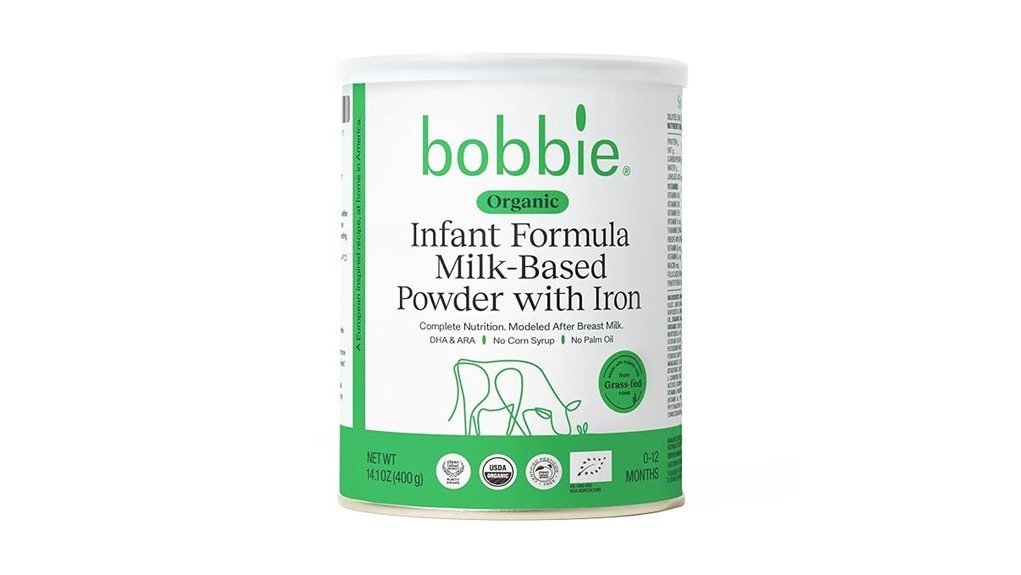
Bobbie Organic Baby Formula is positioned as a breast milk alternative for infants from birth to 12 months. It uses organic, grass-fed milk and includes DHA, iron, and other standard nutrients, while avoiding corn syrup and palm oil. The formula also carries USDA and EU Organic certifications and undergoes safety testing. Its ingredient profile appears strong, but the price and tradeoffs may shape whether it is practical for many families.
Key Takeaways
- Bobbie Organic Baby Formula is a milk-based organic infant formula for babies from birth to 12 months.
- It avoids corn syrup, sucrose, maltodextrin, palm oil, and soy allergens.
- It includes key nutrients like DHA, iron, choline, and vitamin D for infant development.
- It has USDA and EU Organic certifications plus extensive safety and quality testing.
- It is well-regarded for clean ingredients, but its premium price may not suit every family.
What Is Bobbie Formula?
Bobbie Organic Baby Formula is a milk-based powdered infant formula designed for babies from birth through 12 months of age.
Bobbie Organic Baby Formula is a milk-based powdered option for babies from birth through 12 months.
It is positioned as a complete baby feeding option for families seeking an alternative to breastfeeding without sacrificing nutritional adequacy.
In formula comparison contexts, Bobbie is often evaluated for its organic sourcing, milk-based profile, and adherence to infant feeding standards.
The product is intended to support growth during a critical developmental window while offering caregivers a regulated, evidence-informed choice.
Its formulation reflects a market demand for transparent, science-aligned infant nutrition and more autonomous feeding decisions.
Bobbie Formula Ingredients and Nutrition
Its nutritional profile is designed to resemble breast milk while delivering complete infant nutrition for babies from birth to 12 months.
The formula uses organic, nutrient-dense grass-fed milk and omits corn syrup, sucrose, maltodextrin, palm oil, and soy allergens.
Key nutrients include DHA, iron, choline, and vitamin D, which address infant nutrition essentials for brain, blood, and skeletal development.
From a clinical perspective, the organic milk benefits may appeal to caregivers seeking a simpler ingredient list and milk-based foundation.
The composition supports growth with a breast-milk-inspired balance, while remaining suitable for infants who require standardized formula nourishment.
Bobbie’s Organic Certifications and Safety Testing
Certified organic status and rigorous batch testing are central to Bobbie’s quality profile. The formula holds USDA and EU Organic certifications, along with Clean Label Project verification, which together indicate adherence to external review and ingredient transparency.
These certification benefits may support informed choices for caregivers seeking more accountable infant nutrition. Bobbie reports more than 2,000 quality checks per batch, reflecting a testing framework intended to meet infant formula safety standards.
In clinical terms, the combination of organic oversight and systematic testing positions the product within regulated, evidence-based infant feeding practices that align with independent scrutiny and consumer autonomy.
Bobbie’s Pros and Cons
Taken together, the organic certifications and extensive batch testing suggest a formula designed with high standards of quality control; however, evaluation also requires weighing practical strengths and limitations.
Bobbie’s strengths include organic milk, the absence of corn syrup, sucrose, maltodextrin, palm oil, and soy allergens, plus nutrient levels aligned with infant needs. In formula comparisons, these features may appeal to caregivers seeking cleaner ingredient lists. Reported customer experiences often note straightforward preparation and trust in the brand’s transparency.
Limitations include premium positioning and a formula profile that may not suit every infant’s tolerance or household preference for flexibility and affordability.
Is Bobbie Formula Worth It?
Whether Bobbie Formula is worth it depends largely on what caregivers prioritize in an infant formula.
Clinically, it offers complete nutrition, organic milk, and strong safety testing, which may justify the premium for some families. A cost comparison with standard formulas shows a higher price, so value is tied to ingredient standards rather than affordability.
For households seeking feeding alternatives, its exclusion of corn syrup, palm oil, and soy may be significant.
- USDA and EU Organic certified
- 2,000+ quality checks
- DHA, iron, choline, vitamin D
- Grass-fed milk base
- Newborn to 12 months
Frequently Asked Questions
Is Bobbie Formula Suitable for Newborns With Sensitive Stomachs?
Bobbie may suit some newborns with sensitive digestion, but individual tolerance varies. Its ingredient comparison shows no corn syrup, palm oil, or soy, yet clinical evidence cannot guarantee comfort. Pediatric guidance remains essential for feeding decisions.
How Should Bobbie Formula Be Stored After Opening?
After opening, it should be tightly sealed, kept cool, dry, and used within the stated formula shelf life; storage tips matter. As the adage says, “A stitch in time saves nine,” preserving safety and quality.
Does Bobbie Formula Mix Well With Breast Milk?
Yes; it generally mixes well with breast milk, supporting breast milk compatibility during formula change. Clinically, gradual combination is commonly tolerated, though preparation should follow label directions and a pediatric clinician’s guidance for safety and adequacy.
Can Bobbie Formula Be Used for Premature Babies?
No, it is not generally recommended for premature babies. Premature nutrition often requires specialized formula; a formula comparison with Bobbie should be guided by a neonatologist or pediatrician for safety, growth, and developmental needs.
How Long Does a Prepared Bobbie Bottle Stay Safe?
Prepared formula storage keeps bottle safety limited: at room temperature, a prepared Bobbie bottle is generally safe for 2 hours; once feeding begins, use within 1 hour. Refrigerated unused formula should be discarded after 24 hours.
Conclusion
Bobbie Organic Baby Formula emerges as a measured, evidence-based option for infants from birth to 12 months. Its organic milk base, DHA, and iron align with nutritional goals that approximate breast milk, while USDA and EU Organic certifications reinforce quality control. By coincidence, its clean-label profile and premium price sit side by side: one appealing to transparency-focused caregivers, the other limiting access. For families prioritizing safety and ingredient clarity, Bobbie presents a credible, though costly, choice.

